As you delve into the intricate world of climate science, you will encounter the term “greenhouse gases” frequently. These gases play a pivotal role in regulating Earth’s temperature and maintaining the delicate balance of our atmosphere. Greenhouse gases, including carbon dioxide, methane, nitrous oxide, and fluorinated gases, trap heat from the sun, creating a warming effect known as the greenhouse effect.
This natural phenomenon is essential for life as we know it; without it, Earth would be too cold to support diverse ecosystems. However, the increasing concentration of these gases due to human activities has raised alarms among scientists and environmentalists alike. Understanding greenhouse gases is crucial for grasping the broader implications of climate change.
As you explore this topic, you will discover how these gases interact with solar radiation and contribute to global warming. The balance of greenhouse gases in the atmosphere is being disrupted, leading to severe consequences for weather patterns, sea levels, and biodiversity. By examining the various types of greenhouse gases and their sources, you will gain insight into the urgent need for action to mitigate their impact on our planet.
Key Takeaways
- Greenhouse gases trap heat in the Earth’s atmosphere, leading to the greenhouse effect and global warming.
- Carbon dioxide is the most abundant greenhouse gas and is primarily produced by human activities such as burning fossil fuels and deforestation.
- Methane is a potent greenhouse gas with a much higher heat-trapping ability than carbon dioxide, and it is released from sources like livestock, landfills, and natural gas production.
- Nitrous oxide, although less abundant than other greenhouse gases, has a significant impact on climate change and is mainly emitted from agricultural and industrial activities.
- Fluorinated gases, such as hydrofluorocarbons, are synthetic greenhouse gases used in refrigeration, air conditioning, and other industrial processes, with a high global warming potential.
The Role of Carbon Dioxide in Global Warming
Carbon dioxide (CO2) is perhaps the most well-known greenhouse gas, and its role in global warming cannot be overstated. You may be surprised to learn that CO2 is released naturally through processes such as respiration, volcanic eruptions, and the decomposition of organic matter. However, human activities have significantly amplified its presence in the atmosphere.
The burning of fossil fuels for energy, deforestation, and industrial processes have led to a dramatic increase in CO2 levels since the Industrial Revolution. This surge in carbon dioxide concentrations has been directly linked to rising global temperatures. As you consider the implications of increased CO2 levels, it becomes clear that this gas has a long atmospheric lifespan, remaining in the atmosphere for hundreds of years.
This means that even if emissions were to cease today, the effects of past emissions would continue to influence climate patterns for generations to come. The relationship between carbon dioxide and temperature is well-documented; as CO2 levels rise, so do average global temperatures. This correlation underscores the urgency of addressing carbon emissions and transitioning to cleaner energy sources.
Methane: A Potent Greenhouse Gas
While carbon dioxide is a significant contributor to climate change, methane (CH4) is another greenhouse gas that warrants your attention due to its potency. Methane is far more effective at trapping heat in the atmosphere than carbon dioxide—over 25 times more effective over a 100-year period. You might be surprised to learn that methane is released through both natural processes and human activities.
Natural sources include wetlands and geological seeps, while human activities such as agriculture (particularly livestock digestion), landfills, and fossil fuel extraction contribute significantly to methane emissions. The short atmospheric lifespan of methane—approximately a decade—means that reducing methane emissions can have immediate benefits for climate stabilization. As you explore solutions to combat climate change, targeting methane emissions presents a unique opportunity for rapid impact.
Efforts to capture methane from landfills or improve agricultural practices can lead to significant reductions in this potent greenhouse gas. Understanding methane’s role in climate change highlights the importance of addressing not just CO2 but also other greenhouse gases in our fight against global warming.
The Impact of Nitrous Oxide on Climate Change
Nitrous oxide (N2O) is another greenhouse gas that plays a critical role in climate change, albeit less prominently than carbon dioxide and methane. You may find it interesting that nitrous oxide is produced naturally through soil processes and microbial activity. However, human activities have significantly increased its concentration in the atmosphere, primarily through agricultural practices such as the use of synthetic fertilizers and manure management.
This increase has made nitrous oxide a significant contributor to global warming. The potency of nitrous oxide as a greenhouse gas is noteworthy; it is approximately 298 times more effective at trapping heat than carbon dioxide over a 100-year period. This means that even small increases in nitrous oxide emissions can have substantial impacts on global temperatures.
As you consider solutions for mitigating climate change, addressing nitrous oxide emissions becomes essential. Implementing sustainable agricultural practices, such as precision farming and improved fertilizer management, can help reduce nitrous oxide emissions while maintaining agricultural productivity.
Understanding Fluorinated Gases and Their Contribution to Global Warming
Fluorinated gases are a group of synthetic greenhouse gases that include hydrofluorocarbons (HFCs), perfluorocarbons (PFCs), and sulfur hexafluoride (SF6). These gases are used in various industrial applications, including refrigeration, air conditioning, and insulation materials. While they are present in much lower concentrations than carbon dioxide or methane, their global warming potential is significantly higher—some fluorinated gases can trap heat thousands of times more effectively than CO2.
As you explore the impact of fluorinated gases on climate change, it becomes evident that their use has been increasing due to their effectiveness in various applications. However, their long atmospheric lifetimes mean that once released, they can persist for decades or even centuries. The challenge lies in finding alternatives to these potent gases while also managing their current use responsibly.
International agreements like the Kigali Amendment aim to phase down the use of HFCs globally, highlighting the importance of collective action in addressing these harmful emissions.
The Effects of Greenhouse Gases on Earth’s Climate
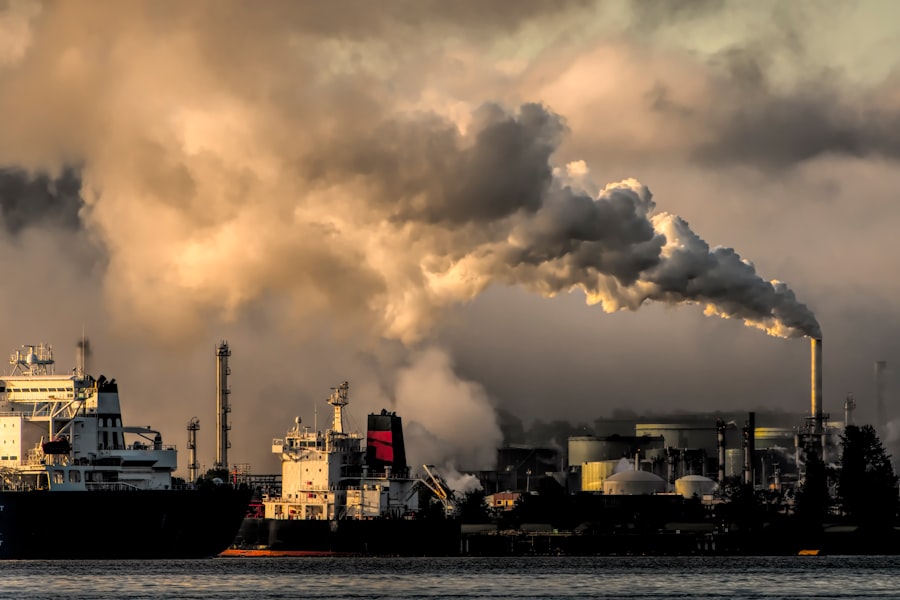
The accumulation of greenhouse gases in the atmosphere has far-reaching effects on Earth’s climate system. As you examine these impacts, you will notice changes in temperature patterns, precipitation levels, and extreme weather events becoming increasingly common. The rise in global temperatures leads to more frequent heatwaves, altered rainfall patterns, and intensified storms.
These changes not only affect ecosystems but also pose significant risks to human health and food security. Moreover, the melting of polar ice caps and glaciers due to rising temperatures contributes to rising sea levels, threatening coastal communities worldwide. As you consider these consequences, it becomes clear that the effects of greenhouse gases extend beyond environmental concerns; they also encompass social and economic dimensions.
Vulnerable populations are often disproportionately affected by climate change impacts, leading to increased inequality and challenges in adaptation efforts.
Human Activities and the Increase of Greenhouse Gas Emissions
Human activities are at the core of the increasing greenhouse gas emissions that drive climate change. You may find it alarming that sectors such as transportation, energy production, agriculture, and industrial processes are major contributors to these emissions. The reliance on fossil fuels for energy generation remains one of the most significant sources of carbon dioxide emissions globally.
As you reflect on this issue, consider how your own choices—such as transportation methods or energy consumption—contribute to this larger problem. Deforestation also plays a critical role in increasing greenhouse gas concentrations. Trees act as carbon sinks by absorbing CO2 from the atmosphere; when forests are cleared for agriculture or urban development, not only is this carbon storage capacity lost but also the carbon stored in trees is released back into the atmosphere.
Understanding these connections emphasizes the need for sustainable practices across all sectors to reduce emissions effectively.
Mitigating the Impact of Greenhouse Gases: Solutions for a Sustainable Future
As you contemplate solutions for mitigating the impact of greenhouse gases on our planet, it becomes clear that collective action is essential. Transitioning to renewable energy sources such as solar, wind, and hydroelectric power can significantly reduce carbon dioxide emissions from energy production. You might also consider how energy efficiency measures—like improving insulation in buildings or adopting electric vehicles—can contribute to lowering overall emissions.
In addition to technological advancements, behavioral changes play a crucial role in addressing climate change. You can make a difference by adopting sustainable practices in your daily life—reducing waste, conserving energy, and supporting local agriculture can all contribute to lower greenhouse gas emissions. Furthermore, advocating for policies that promote sustainability at local and national levels can amplify your impact.
Ultimately, mitigating greenhouse gas emissions requires a multifaceted approach that combines technological innovation with individual responsibility and systemic change. By understanding the complexities of greenhouse gases and their effects on climate change, you can become an informed advocate for a sustainable future—one where both people and the planet can thrive together.
If you are interested in learning more about how to combat the effects of global warming, you may want to check out the article Preventing Floods by Massive Tree Planting. This article discusses the importance of planting trees to help prevent flooding and mitigate the impacts of climate change. By taking action to plant trees and reduce greenhouse gas emissions, we can work towards a more sustainable future for our planet.
FAQs
What are greenhouse gases?
Greenhouse gases are gases in the Earth’s atmosphere that trap heat. They include carbon dioxide (CO2), methane (CH4), nitrous oxide (N2O), and fluorinated gases.
How do greenhouse gases contribute to global warming?
Greenhouse gases trap heat in the Earth’s atmosphere, leading to the greenhouse effect. This causes the Earth’s temperature to rise, resulting in global warming.
What are the main sources of greenhouse gas emissions?
The main sources of greenhouse gas emissions include burning fossil fuels for energy, deforestation, industrial processes, and agricultural practices.
What are the impacts of global warming caused by greenhouse gases?
The impacts of global warming include rising sea levels, more frequent and severe weather events, loss of biodiversity, and disruptions to ecosystems and agriculture.
How can we reduce greenhouse gas emissions?
To reduce greenhouse gas emissions, we can transition to renewable energy sources, improve energy efficiency, promote sustainable land use and agriculture, and invest in technologies to capture and store carbon dioxide.