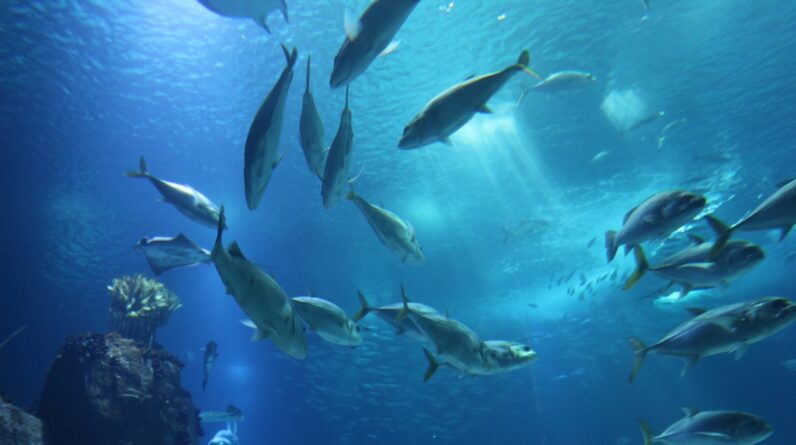
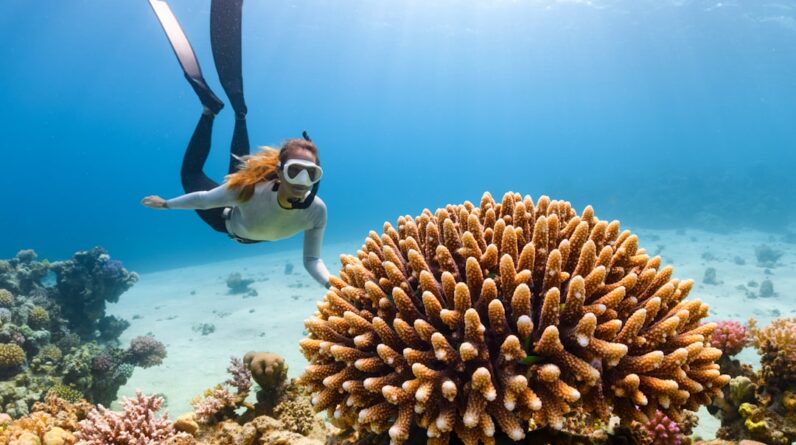
When you think about the air you breathe, it’s easy to overlook the vast oceans that play a crucial role in producing the oxygen essential for life on Earth. Marine oxygen production is not just a byproduct of aquatic ecosystems; it is a fundamental process that sustains both marine and terrestrial life. Approximately 50% to 80% of the oxygen in our atmosphere originates from the ocean, primarily through the process of photosynthesis carried out by marine organisms.
This staggering statistic underscores the importance of healthy marine ecosystems in maintaining the balance of gases in our atmosphere. The oceans are often referred to as the lungs of our planet, and for good reason. They absorb carbon dioxide, a significant greenhouse gas, while simultaneously releasing oxygen.
This natural process helps regulate climate and supports a diverse array of life forms. As you consider the interconnectedness of life on Earth, it becomes clear that marine oxygen production is not merely an environmental concern; it is a vital component of global health and sustainability. Without it, the delicate balance that supports life as we know it would be severely disrupted.
Key Takeaways
- Marine oxygen production is crucial for supporting life on Earth and maintaining a healthy balance in the atmosphere.
- Phytoplankton play a key role in marine oxygen production through photosynthesis, converting carbon dioxide into oxygen.
- Human activities such as pollution, overfishing, and climate change are negatively impacting marine oxygen production.
- While marine oxygen production can help offset carbon emissions, it is not enough to fully mitigate the effects of climate change.
- Relying on marine oxygen production to mitigate climate change faces challenges and limitations, including the potential for disruption of marine ecosystems.
The Role of Phytoplankton in Oxygen Production
At the heart of marine oxygen production lies phytoplankton, microscopic organisms that float near the surface of the ocean. These tiny powerhouses are responsible for a significant portion of the photosynthesis that occurs in marine environments. As you delve deeper into their role, you’ll discover that phytoplankton are not only crucial for oxygen production but also serve as the foundation of the marine food web.
They convert sunlight into energy, which is then passed on to larger organisms, from zooplankton to fish and beyond. Phytoplankton thrive in nutrient-rich waters, where they can rapidly reproduce and flourish. Their ability to absorb carbon dioxide and release oxygen makes them indispensable in combating climate change.
When you consider how these organisms contribute to both oxygen production and carbon sequestration, their importance becomes even more pronounced. However, their survival is intricately linked to environmental conditions, including water temperature, nutrient availability, and light penetration. As you reflect on their role, it’s essential to recognize that any disruption to their habitat can have cascading effects on marine ecosystems and global oxygen levels.
Human Impact on Marine Oxygen Production

As you explore the relationship between human activity and marine oxygen production, it becomes evident that our actions have far-reaching consequences. Overfishing, pollution, and climate change are just a few factors that threaten the delicate balance of marine ecosystems. For instance, nutrient runoff from agricultural practices can lead to algal blooms, which may initially seem beneficial due to increased phytoplankton growth.
However, these blooms can deplete oxygen levels in the water when they die off and decompose, creating dead zones where marine life cannot survive. Additionally, climate change poses a significant threat to marine oxygen production. Rising sea temperatures can alter phytoplankton distribution and productivity, while ocean acidification affects their ability to photosynthesize effectively.
As you consider these impacts, it’s crucial to understand that human activities are not just harming marine life; they are jeopardizing the very processes that sustain our atmosphere and contribute to global health. The challenge lies in recognizing our role in this complex web and taking action to mitigate our impact.
Can Marine Oxygen Production Offset Carbon Emissions?
The question of whether marine oxygen production can offset carbon emissions is a complex one. While phytoplankton play a vital role in sequestering carbon dioxide through photosynthesis, their capacity to absorb carbon is limited by various factors, including nutrient availability and environmental conditions. As you ponder this issue, it’s important to recognize that while marine ecosystems can contribute to carbon mitigation efforts, they cannot single-handedly solve the problem of climate change.
Moreover, relying solely on marine oxygen production as a means to offset carbon emissions could lead to complacency in addressing the root causes of climate change. It’s essential to adopt a multifaceted approach that includes reducing fossil fuel consumption, transitioning to renewable energy sources, and implementing sustainable agricultural practices. By understanding the limitations of marine oxygen production in this context, you can appreciate the need for comprehensive strategies that encompass both terrestrial and marine solutions.
The Potential for Marine Oxygen Production to Mitigate Climate Change
Despite its limitations, marine oxygen production holds significant potential for mitigating climate change when integrated into broader environmental strategies. As you consider this potential, think about how protecting and restoring marine ecosystems can enhance their ability to sequester carbon and produce oxygen. Initiatives such as reforestation of mangroves and seagrass beds not only support biodiversity but also improve the overall health of marine environments.
Furthermore, investing in research and technology aimed at enhancing phytoplankton productivity could yield promising results. For instance, understanding how to optimize nutrient delivery in specific regions may lead to increased phytoplankton growth and improved carbon sequestration capabilities. As you reflect on these possibilities, it becomes clear that harnessing the power of marine oxygen production requires collaboration among scientists, policymakers, and communities worldwide.
Challenges and Limitations of Relying on Marine Oxygen Production

While the potential benefits of marine oxygen production are significant, there are inherent challenges and limitations that must be acknowledged. One major concern is the unpredictability of environmental changes that can impact phytoplankton populations. Factors such as ocean temperature fluctuations, salinity changes, and pollution can all disrupt these delicate ecosystems.
As you consider these challenges, it’s essential to recognize that relying solely on marine oxygen production as a solution to climate change could be misguided. Additionally, there is a risk of oversimplifying the relationship between marine ecosystems and climate mitigation efforts. While enhancing marine oxygen production is important, it should not replace efforts to reduce greenhouse gas emissions from human activities.
As you navigate this complex landscape, it’s crucial to adopt a holistic approach that considers both the potential benefits and limitations of marine oxygen production in addressing climate change.
The Need for Conservation and Protection of Marine Ecosystems
Given the critical role that marine ecosystems play in oxygen production and climate regulation, conservation efforts are more important than ever. As you contemplate this need for protection, consider how human activities have led to habitat destruction, overfishing, and pollution—all of which threaten the health of our oceans. By prioritizing conservation initiatives, you can contribute to safeguarding these vital ecosystems for future generations.
Efforts such as establishing marine protected areas (MPAs) can help restore biodiversity and enhance ecosystem resilience. These designated zones allow marine life to thrive without the pressures of human exploitation. As you think about your own role in conservation, consider supporting organizations dedicated to protecting marine environments or advocating for policies that promote sustainable practices.
Every action counts in preserving the oceans’ ability to produce oxygen and support life on Earth.
Future Research and Policy Implications
Looking ahead, future research will be crucial in understanding the complexities of marine oxygen production and its role in climate change mitigation. As you reflect on this need for continued exploration, consider how advancements in technology can aid scientists in monitoring phytoplankton populations and assessing their contributions to global oxygen levels. Innovative approaches such as satellite imagery and oceanographic studies can provide valuable insights into these dynamic ecosystems.
Policy implications also play a significant role in shaping the future of marine oxygen production. As you engage with this topic, think about how effective policies can promote sustainable fishing practices, reduce pollution, and support conservation efforts. By advocating for science-based policies that prioritize the health of our oceans, you can help ensure that marine ecosystems continue to thrive and fulfill their essential role in producing oxygen for all life on Earth.
In conclusion, understanding the importance of marine oxygen production is vital for appreciating its role in sustaining life on our planet. From the tiny phytoplankton that drive this process to the broader implications for climate change mitigation, every aspect is interconnected. By recognizing human impacts and advocating for conservation efforts, you can contribute to preserving these essential ecosystems for generations to come.
The future depends on our collective actions today—let us strive to protect our oceans and ensure they continue to be a source of life-giving oxygen for all.
A related article to “Can Marine Oxygen Production Save Us From Ourselves? The Science Says Maybe” can be found on Live Life With A Cause’s blog. The article discusses the importance of preventing floods through massive tree planting, which is a crucial aspect of environmental conservation. To learn more about this topic, you can visit the article here. Additionally, combating global warming through massive tree planting is also highlighted in another article on the website. To read more about this important initiative, you can click on the link here.
FAQs
What is marine oxygen production?
Marine oxygen production refers to the process by which marine plants, particularly phytoplankton, produce oxygen through photosynthesis. This process is crucial for maintaining the balance of oxygen in the Earth’s atmosphere.
How does marine oxygen production contribute to the Earth’s oxygen supply?
Marine oxygen production is responsible for producing a significant portion of the Earth’s oxygen. Phytoplankton, which are microscopic marine plants, play a key role in this process by absorbing carbon dioxide and releasing oxygen through photosynthesis.
Can marine oxygen production help mitigate climate change?
There is evidence to suggest that marine oxygen production can help mitigate climate change by absorbing carbon dioxide from the atmosphere. However, the extent to which this can offset human-induced carbon emissions is still a topic of ongoing research and debate.
What are the threats to marine oxygen production?
Threats to marine oxygen production include ocean acidification, pollution, and climate change. These factors can negatively impact the health and abundance of phytoplankton, which in turn can affect marine oxygen production.
How can we support marine oxygen production?
Supporting marine oxygen production involves taking steps to reduce carbon emissions, minimize pollution, and protect marine ecosystems. Additionally, promoting sustainable fishing practices and reducing nutrient runoff can help maintain the health of marine plant life.