The Ocean Cleanup is a groundbreaking initiative that aims to tackle one of the most pressing environmental challenges of our time: ocean plastic pollution. Founded by Boyan Slat in 2013, this organization has garnered global attention for its ambitious mission to rid the world’s oceans of plastic waste. You may find it inspiring that The Ocean Cleanup is not just about cleaning up the mess; it also focuses on preventing further pollution by addressing the sources of plastic waste.
With innovative technology and a commitment to sustainability, The Ocean Cleanup is leading the charge in restoring the health of our oceans. As you delve deeper into the workings of The Ocean Cleanup, you will discover that its approach is multifaceted. The organization employs a combination of advanced engineering, scientific research, and community engagement to create a comprehensive solution to ocean pollution.
By harnessing the power of technology and collaboration, The Ocean Cleanup aims to create a cleaner, healthier ocean for future generations. This article will explore the challenges posed by ocean plastic pollution, the innovative solutions developed by The Ocean Cleanup, and how you can play a role in this vital mission.
Key Takeaways
- The Ocean Cleanup is a non-profit organization dedicated to removing plastic pollution from the world’s oceans.
- The Great Pacific Garbage Patch poses a significant challenge, with an estimated 1.8 trillion pieces of plastic covering an area twice the size of Texas.
- The Ocean Cleanup’s innovative solutions include the development of passive cleanup systems and the use of advanced technology to track and collect plastic debris.
- Success stories include cleaned up areas and restored ecosystems, demonstrating the positive impact of the organization’s efforts.
- Collaborations and community involvement are key to the success of The Ocean Cleanup’s mission, with partnerships with governments, businesses, and volunteers playing a crucial role.
The Great Pacific Garbage Patch: A Monumental Challenge
One of the most significant challenges that The Ocean Cleanup faces is the Great Pacific Garbage Patch, a massive accumulation of plastic debris located between Hawaii and California. This area is often described as a floating island of trash, with an estimated 1.8 trillion pieces of plastic swirling in its waters. As you can imagine, this not only poses a threat to marine life but also impacts human health and coastal economies.
The sheer scale of this problem can be overwhelming, but understanding its implications is crucial for appreciating the urgency of The Ocean Cleanup’s mission. The Great Pacific Garbage Patch is not just a single entity; it consists of two distinct areas known as the Western and Eastern Garbage Patches. These regions are characterized by high concentrations of microplastics, which are tiny plastic particles that result from the breakdown of larger plastic items.
As you consider the implications of this pollution, it’s essential to recognize that these microplastics can enter the food chain, affecting marine organisms and ultimately humans who consume seafood. The challenge is monumental, but it is one that The Ocean Cleanup is determined to confront head-on.
The Ocean Cleanup’s Innovative Solutions

To tackle the immense challenge posed by ocean plastic pollution, The Ocean Cleanup has developed innovative solutions that leverage cutting-edge technology. One of their flagship projects involves the use of passive drifting systems designed to capture plastic debris without harming marine life. These systems are engineered to work with ocean currents, allowing them to collect plastic efficiently while minimizing their environmental impact.
As you learn about these technologies, you may find it fascinating how they combine engineering prowess with ecological sensitivity. In addition to their passive systems, The Ocean Cleanup has also introduced advanced technologies for river cleanup. Recognizing that rivers are significant conduits for plastic waste entering the oceans, they have developed systems that can be deployed in rivers to intercept plastic before it reaches the sea.
This proactive approach not only helps reduce ocean pollution but also raises awareness about the importance of keeping our waterways clean. By employing these innovative solutions, The Ocean Cleanup is making strides toward a cleaner ocean and a more sustainable future.
Success Stories: Cleaned Up Areas and Restored Ecosystems
As you explore the impact of The Ocean Cleanup’s efforts, you’ll come across inspiring success stories that highlight their achievements in cleaning up polluted areas and restoring ecosystems. One notable example is their pilot project in the Great Pacific Garbage Patch, where they successfully deployed their first cleanup system in 2018. This system demonstrated its ability to collect plastic debris effectively, marking a significant milestone in their mission.
The data collected from this project has been invaluable in refining their technology and strategies for future deployments. Beyond the Great Pacific Garbage Patch, The Ocean Cleanup has also made strides in cleaning up rivers around the world. In countries like Indonesia and the Netherlands, their river cleanup systems have successfully intercepted thousands of kilograms of plastic waste before it could reach the ocean.
These efforts not only contribute to cleaner waterways but also foster community engagement and awareness about plastic pollution. As you reflect on these success stories, it’s clear that The Ocean Cleanup is making tangible progress in restoring ecosystems and inspiring hope for a cleaner future.
Collaborations and Community Involvement
The success of The Ocean Cleanup is not solely attributed to its innovative technology; it also relies heavily on collaborations and community involvement. You may be surprised to learn that partnerships with governments, NGOs, and local communities play a crucial role in amplifying their impact. By working together with various stakeholders, The Ocean Cleanup can leverage resources, share knowledge, and create a more extensive network dedicated to combating ocean pollution.
Community involvement is particularly vital in raising awareness about plastic pollution and encouraging responsible behavior. Through educational programs and outreach initiatives, The Ocean Cleanup engages individuals and communities in understanding the importance of reducing plastic waste. You might find it empowering to know that local volunteers often participate in cleanup events, helping to remove debris from beaches and waterways while fostering a sense of stewardship for their environment.
This collaborative approach not only enhances the effectiveness of their efforts but also cultivates a global movement toward cleaner oceans.
Impact on Marine Life and Biodiversity
The impact of plastic pollution on marine life and biodiversity cannot be overstated. As you consider the consequences of plastic waste entering our oceans, it’s essential to recognize how it affects various species and ecosystems. Marine animals often mistake plastic debris for food, leading to ingestion that can cause injury or death.
Additionally, larger pieces of plastic can entangle marine creatures, resulting in suffering and population declines. The Ocean Cleanup’s efforts aim to mitigate these dire consequences by removing plastic from critical habitats. By cleaning up polluted areas and preventing further waste from entering the oceans, The Ocean Cleanup contributes significantly to protecting marine biodiversity.
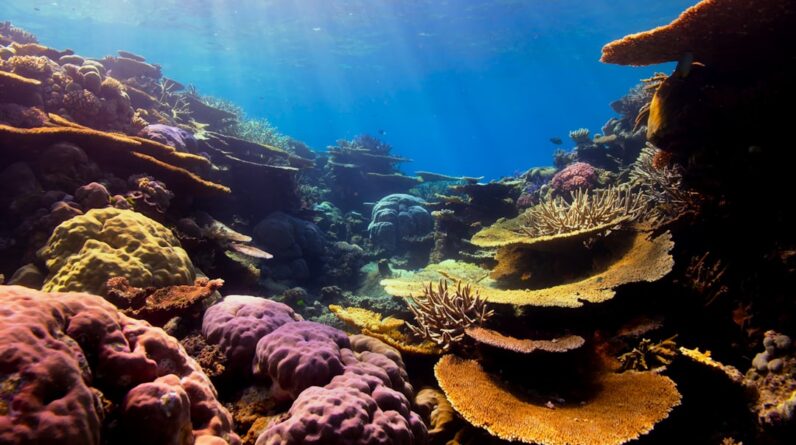
Healthy ecosystems are vital for maintaining balance within marine environments, supporting everything from coral reefs to fish populations. As you reflect on the interconnectedness of life in our oceans, you’ll appreciate how The Ocean Cleanup’s work not only benefits individual species but also contributes to the overall health of marine ecosystems.
The Ocean Cleanup’s Future Plans and Goals
Looking ahead, The Ocean Cleanup has ambitious plans and goals aimed at expanding its impact on ocean plastic pollution. You may be intrigued to learn that they are continually refining their technologies and strategies based on data collected from previous projects. Their vision includes scaling up cleanup operations in both oceans and rivers while exploring new methods for preventing plastic waste at its source.
In addition to expanding their cleanup efforts, The Ocean Cleanup is committed to raising awareness about the importance of sustainable practices and responsible consumption. They aim to engage more communities worldwide in their mission while advocating for policy changes that address plastic production and waste management. As you consider their future plans, it’s clear that The Ocean Cleanup is not just focused on immediate solutions but is also dedicated to creating lasting change for our oceans.
How You Can Get Involved and Support The Ocean Cleanup
If you’re inspired by The Ocean Cleanup’s mission and want to contribute to their efforts, there are several ways you can get involved and support their work. One of the most impactful ways is through financial contributions, which help fund ongoing projects and research initiatives. Your support can directly contribute to deploying cleanup systems and expanding outreach programs aimed at educating communities about plastic pollution.
Additionally, you can participate in local cleanup events organized by The Ocean Cleanup or partner organizations. Engaging in hands-on activities not only helps remove debris from your local environment but also fosters a sense of community and shared responsibility for protecting our oceans. You might also consider advocating for sustainable practices within your own circles—encouraging friends and family to reduce single-use plastics or participate in recycling programs can amplify your impact.
In conclusion, The Ocean Cleanup represents a beacon of hope in the fight against ocean plastic pollution. Through innovative solutions, community involvement, and a commitment to restoring marine ecosystems, this organization is making significant strides toward a cleaner future for our oceans. By understanding the challenges they face and exploring ways you can contribute, you become part of a global movement dedicated to preserving our planet’s most precious resource—its oceans.
If you’re interested in learning more about the benefits of planting trees for the environment, check out this article on how planting trees helps the environment. It discusses the various ways in which tree planting can positively impact our planet, from improving air quality to providing habitats for wildlife. It’s a great read for anyone looking to understand the importance of reforestation efforts in combating climate change.
FAQs
What is The Ocean Cleanup?
The Ocean Cleanup is a non-profit organization that develops advanced technologies to rid the world’s oceans of plastic. It was founded by Boyan Slat in 2013.
What are some success stories of The Ocean Cleanup?
Some success stories of The Ocean Cleanup include the deployment of their first ocean cleanup system in the Great Pacific Garbage Patch, the successful retrieval of plastic from the ocean, and the recycling of the collected plastic into sustainable products.
How does The Ocean Cleanup contribute to restoring faith in humanity?
The Ocean Cleanup’s efforts to clean up the world’s oceans and reduce plastic pollution demonstrate the power of human innovation and determination to address environmental challenges. Their success stories inspire hope and optimism for a cleaner and healthier planet.
What are the future goals of The Ocean Cleanup?
The Ocean Cleanup aims to continue deploying cleanup systems in ocean garbage patches, expand their operations to other areas affected by plastic pollution, and work towards preventing plastic from entering the oceans in the first place through education and advocacy.