Have you ever wondered how deforestation might be quietly fueling global warming right under your nose? It’s not always as obvious as a factory spewing smoke or cars congesting city streets, but the relentless cutting down of forests activities has deep-reaching impacts. Let’s embark on a journey to understand how the invisible act of deforestation contributes to the incredible phenomenon of global warming.
Understanding Global Warming
What is Global Warming?
Global warming refers to the long-term rise in Earth’s average surface temperature due to human activities, primarily the emission of greenhouse gases such as carbon dioxide (CO2). These gases trap heat in the atmosphere, causing temperatures to rise.
How Do Greenhouse Gases Work?
Greenhouse gases act like a blanket around the Earth. When sunlight reaches the Earth, it’s converted into heat, then radiated back towards space. But greenhouse gases absorb and re-radiate some of this heat, trapping it in the Earth’s atmosphere, thus warming the planet.
| Greenhouse Gas | Source | Impact |
|---|---|---|
| Carbon Dioxide (CO2) | Burning fossil fuels, deforestation | Major contributor to global warming |
| Methane (CH4) | Agriculture, waste management | More potent than CO2 but less abundant |
| Nitrous Oxide (N2O) | Agricultural activities, industrial processes | Contributes to ozone layer depletion |
| Fluorinated Gases | Industrial applications | High global warming potential, long atmospheric lifespan |
The Connection Between Deforestation and Global Warming
What is Deforestation?
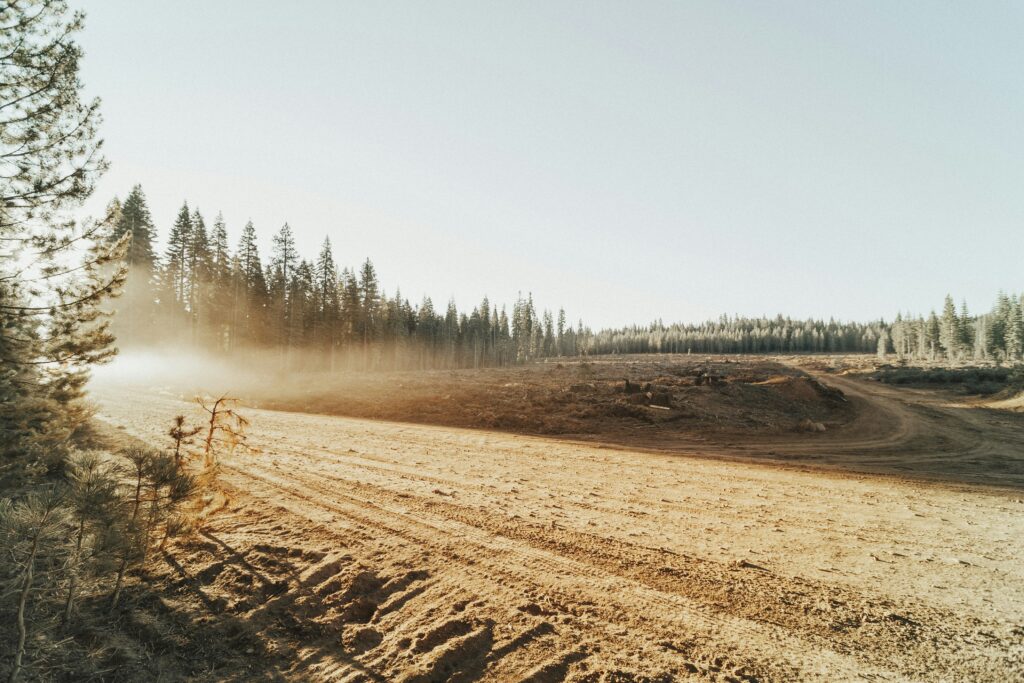
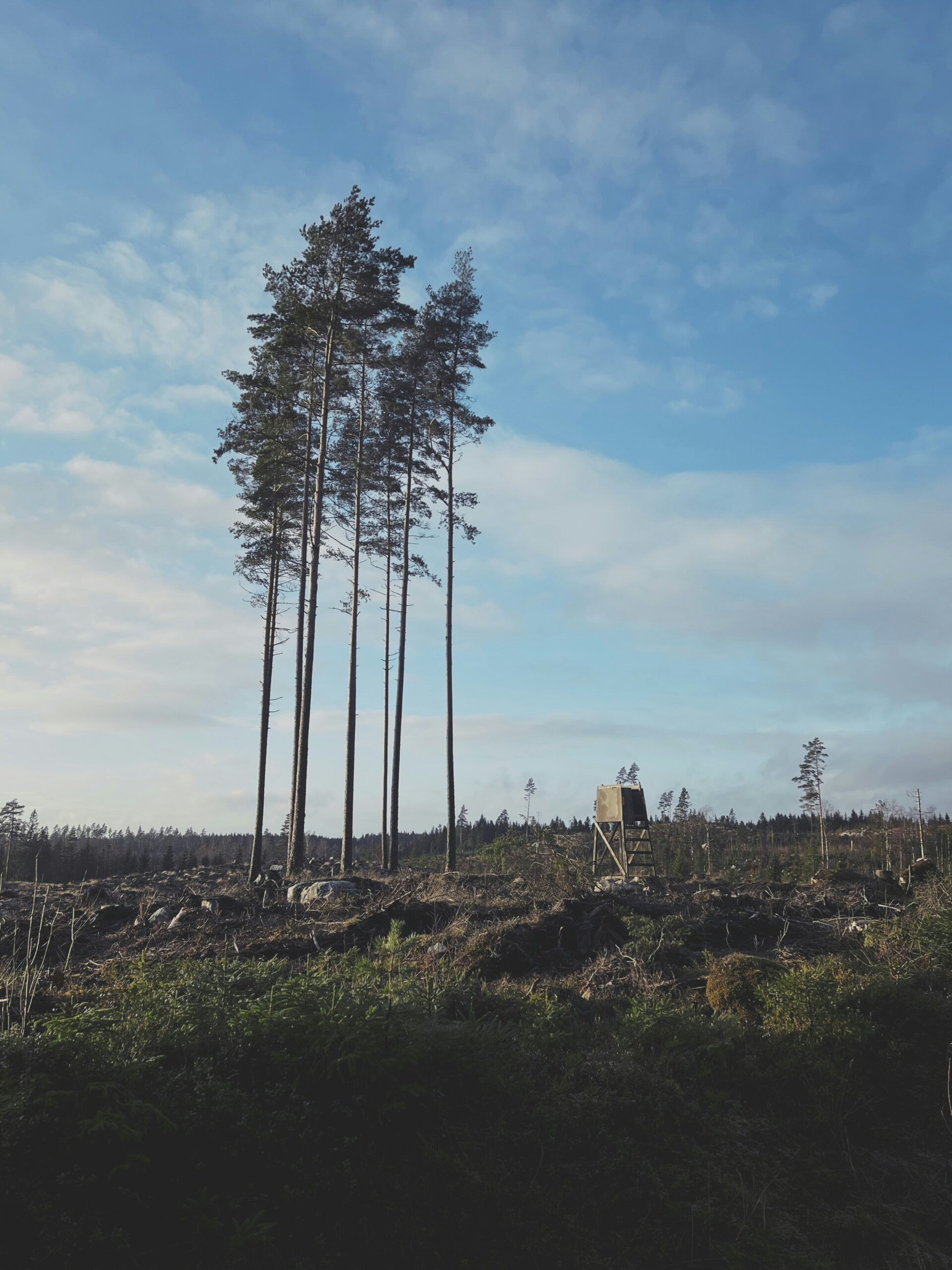
Deforestation refers to the large-scale removal of forest or tree cover, often to make way for agricultural or urban development. Forests play a crucial role in maintaining ecological balance.
How Does Deforestation Contribute to Global Warming?
Forests act as carbon sinks by absorbing CO2 from the atmosphere during photosynthesis. When trees are cut down, this capacity is lost. Additionally, the carbon stored in trees is released back into the atmosphere as CO2 when trees decay or are burned, contributing to global warming.
| Activity | Result | Impact on Global Warming |
|---|---|---|
| Logging | Removal of trees | Loss of carbon sink, increase in atmospheric CO2 |
| Agriculture | Land use conversion | Soil carbon release, increase in atmospheric CO2 |
| Urban Development | Destruction of tree cover | Increased energy use, increased greenhouse gases |
The Multifaceted Impact of Deforestation
Loss of Biodiversity
Forests are home to more than 80% of the terrestrial species of animals, plants, and insects. The removal of trees disrupts the habitat, leading to biodiversity loss. This biodiversity plays a critical role in ecosystem stability and resilience against climate change.
Soil Degradation
Trees and plants stabilize the soil. When forests are cleared, soils are left exposed to erosion by wind and water. This degradation releases stored carbon into the atmosphere and reduces the soil’s ability to support plant life, impacting agricultural productivity and further contributing to global warming.
Water Cycle Disruption
Forests play a key role in the water cycle by helping to regulate rainfall and groundwater levels. Deforestation can lead to changes in precipitation patterns and increased flooding or drought, adding stress to water resources and human communities.
Climate Feedback Loops
Deforestation can trigger climate feedback loops. For instance, less tree cover means higher temperatures and altered weather patterns, which can worsen forest fires. These fires release more CO2, thereby amplifying the problem of global warming.
| Impact | Description | Consequence |
|---|---|---|
| Loss of Biodiversity | Destruction of habitat | Ecosystem destabilization |
| Soil Degradation | Erosion of topsoil | Reduced agricultural productivity |
| Water Cycle Disruption | Alteration of rainfall patterns | Water scarcity, flooding |
| Climate Feedback Loops | Self-reinforcing cycle | Exacerbated global warming |
Regional and Global Effects
Regional Climate Changes
Deforestation not only influences global climate but also local and regional weather systems. Regions that experience significant deforestation see changes in temperature and precipitation, which can affect agriculture, water availability, and human health.
Global Climate Ramifications
The effects of deforestation aren’t confined to the regions where trees are cut down. The CO2 released affects the atmosphere globally, contributing to widespread climate change. This interconnectedness means deforestation in one part of the world can have far-reaching effects.
Socioeconomic Consequences
Deforestation often ties into socioeconomic factors, including land ownership, agricultural practices, and economic incentives. Communities displaced by deforestation may face economic hardship, loss of cultural identity, and reduced access to resources essential for survival.

Combating Deforestation
Reforestation and Afforestation
Reforestation involves replanting trees in deforested areas, while afforestation is the planting of trees in areas that have never been forested. Both strategies restore carbon sinks and improve biodiversity, but they must be well-managed to ensure ecosystem balance.
Sustainable Forestry Practices
Implementing sustainable forestry practices, such as selective logging, responsible land management, and conservation easements, can help reduce deforestation. These practices aim to balance the need for forest resources with the need for conservation.
Policy and Legislation
Governments play a crucial role in regulating activities that lead to deforestation. Policies and laws that protect forests, promote sustainable land use, and enforce penalties for illegal logging are essential. International agreements such as the Paris Agreement also emphasize the importance of forest conservation in mitigating climate change.
Community Involvement and Education
Communities living near forests are vital stakeholders. Education programs that inform locals about sustainable practices and the importance of forests can empower them to become active participants in conservation efforts. Community-based forest management initiatives have shown success in various parts of the world.
| Strategy | Description | Benefit | Example |
|---|---|---|---|
| Reforestation | Replanting trees in deforested areas | Restores carbon sinks | Brazil’s Atlantic Forest project |
| Sustainable Forestry | Responsible logging and land management | Balances resource use and conservation | FSC-certified forests |
| Policy and Legislation | Government-enforced regulations | Protects forests, reduces illegal activities | REDD+ initiatives |
| Community Involvement | Educating and empowering local communities | Enhances local stewardship | Community forest management in Nepal |
Your Role in Mitigating Deforestation
Reducing Your Carbon Footprint
One of the most significant ways you can help is by reducing your carbon footprint. Use renewable energy when possible, support eco-friendly products, and practice energy conservation. The less energy we consume, the lower the demand for activities leading to deforestation.
Supporting Sustainable Products
Choose products that are certified to have been sourced sustainably. Look for labels such as FSC (Forest Stewardship Council) on wood and paper products, and avoid items contributing to deforestation like unsustainable palm oil or soy.
Advocating and Raising Awareness
Advocacy and raising awareness about the impacts of deforestation are powerful tools. Support initiatives, join campaigns, and spread the word within your community. Your voice can help put pressure on policymakers and corporations to adopt sustainable practices.
Participating in Local Conservation Efforts
Getting involved in local conservation projects, whether through volunteering for tree-planting events or supporting conservation organizations, can have a tangible impact. Sometimes, the smallest steps taken locally can make significant strides on a global scale.
The Future of Our Forests
Technological Innovations
Advancements in technology offer new hope for monitoring and combating deforestation. Satellite technology, drones, and data analytics can track deforestation in real-time, allowing for swift action against illegal logging and deforestation activities.
Global Cooperation
Combating deforestation requires a concerted global effort. International cooperation and agreements are essential in addressing the root causes of deforestation and promoting sustainable practices worldwide. Sharing knowledge, resources, and strategies will be key to making a difference.
The Road Ahead
While the challenges posed by deforestation are immense, the combined efforts of individuals, communities, governments, and international bodies can pave the way for a more sustainable future. By understanding the unseen impacts of deforestation on global warming, you are better equipped to make informed decisions and take actions that contribute to the health of our planet.
Deforestation’s quiet role in global warming is a call to action. Every tree counts, every effort matters, and every individual can make a difference. By embracing sustainability, supporting policies that protect forests, and getting involved in conservation efforts, you are taking crucial steps toward mitigating global warming and preserving the planet for future generations.