Have you ever wondered what the real impact of deforestation is on our planet and climate? If so, you’re not alone. The relationship between deforestation and global warming is often misunderstood or overlooked, yet it is integral to our environmental health.
Introduction to Deforestation and Global Warming
To begin with, it’s crucial to define what deforestation and global warming actually mean. Deforestation refers to the large-scale clearing of forests, often to make way for agriculture, industrial activities, or urban development. Global warming, on the other hand, refers to the long-term rise in Earth’s average surface temperature due to human activities, primarily the emission of greenhouse gases.
Why Should You Care?
The connection between deforestation and global warming is more significant than you might think. Forests play an essential role in absorbing carbon dioxide (CO2), one of the primary greenhouse gases responsible for global warming. When forests are cleared, not only is this natural carbon absorption mechanism removed, but the carbon stored in trees is also released into the atmosphere. This leads to an acceleration of climate change.
The Science Behind Deforestation And Its Impact
Understanding the science behind deforestation and its impact on global warming requires delving into various processes and components that define this relationship.
Carbon Sequestration: Forests as Carbon Sinks
Forests act as carbon sinks by absorbing CO2 during photosynthesis. The term “carbon sink” refers to the ability of trees and forests to capture and store carbon from the atmosphere, effectively reducing the concentration of CO2.
Carbon Cycle Table
| Process | Description |
|---|---|
| Photosynthesis | Trees absorb CO2 from the atmosphere and convert it into oxygen. |
| Decomposition | When trees die and decompose, they release CO2 back into the atmosphere. |
Forests cover about 31% of Earth’s land area and store approximately 80% of the planet’s above-ground terrestrial carbon. When deforestation occurs, this stored carbon is released as CO2, contributing to global warming.
Greenhouse Gases and Their Role
Greenhouse gases are gases that trap heat in the atmosphere, leading to the greenhouse effect, which keeps our planet warm enough to sustain life. The main greenhouse gases include:
- Carbon dioxide (CO2): Produced by burning fossil fuels and deforestation.
- Methane (CH4): Emitted during the production and transport of coal, oil, and natural gas.
- Nitrous oxide (N2O): Emitted from agricultural and industrial activities.
When forests are cut down or burned, the stored carbon is released as CO2, contributing to the greenhouse effect and exacerbating global warming.
Causes of Deforestation
Deforestation is driven by multiple human activities, many of which are interconnected. Understanding these causes can help you appreciate the complexity and the scope of the issue.
Agricultural Expansion
Agriculture is one of the primary drivers of deforestation. Forests are often cleared to make way for crops, livestock, and plantations. This is usually driven by the need to provide food for the growing global population.
Logging
Logging for timber, paper, and fuel is another significant cause of deforestation. Timber is a valuable resource used in construction, furniture, and paper products. Unsustainable logging practices can result in large-scale forest loss.
Urbanization and Infrastructure Development
Urban expansion and the development of infrastructure such as roads, highways, and dams also contribute to deforestation. As cities grow, they encroach on forested areas, leading to habitat destruction.
Mining
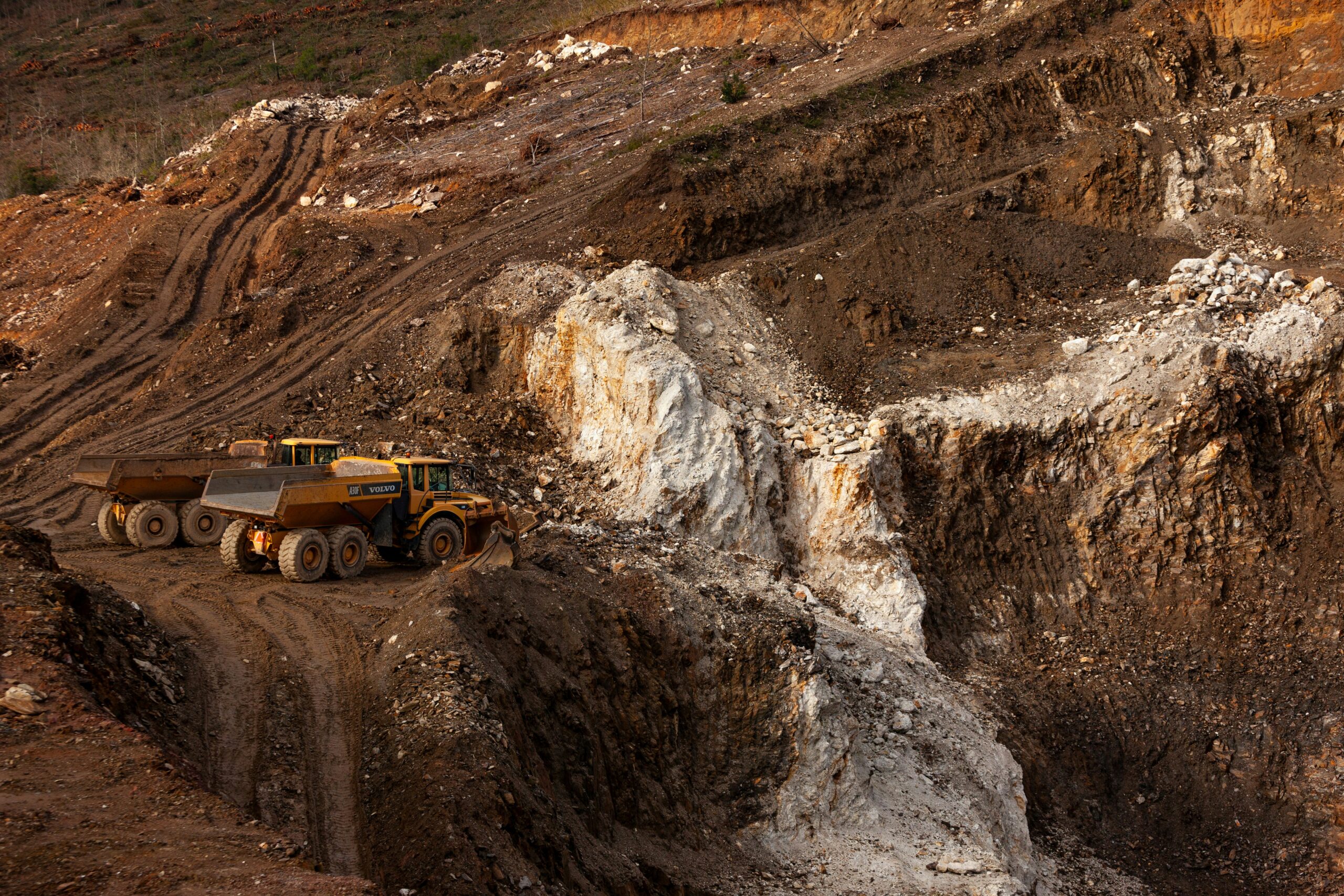
Mining activities for minerals and fossil fuels lead to deforestation as forests are cleared to access the materials beneath the soil. The byproducts of mining can also pollute nearby land and water sources.
Climate Change Feedback Loop
It’s worth noting that deforestation not only contributes to global warming but is also exacerbated by it. As global temperatures rise, conditions such as prolonged droughts can weaken forests, making them more susceptible to fires and pests.
Socio-Economic Factors
Understanding the socio-economic drivers behind deforestation can provide insights into why this challenge persists despite global efforts to curb it.
Poverty and Economic Development
In many developing countries, forests are seen as economic assets. The immediate financial benefits of clearing forests for agriculture or logging often outweigh the long-term environmental costs. This is particularly true in regions where people rely on forest resources for their livelihoods.
Policy and Governance
Weak governance and lack of enforcement of environmental regulations contribute to deforestation. Corruption, inadequate policies, and lack of resources for monitoring and enforcement exacerbate the issue.
Consumer Demand
Consumer demand for products such as palm oil, soy, beef, and timber contributes to deforestation. These commodities are often grown or extracted in ways that lead to forest clearing.
The Consequences of Deforestation
The impact of deforestation extends beyond global warming. It affects biodiversity, water cycles, and even human health.
Loss of Biodiversity
Forests are home to more than half of the world’s terrestrial species. When forests are destroyed, these species lose their habitats, leading to a decrease in biodiversity. Many species face extinction as a result of habitat loss.
Disruption of Water Cycles
Forests play a crucial role in regulating water cycles. They help maintain the balance between water in the soil, groundwater, and atmosphere. When forests are cleared, this balance is disrupted, leading to issues such as reduced rainfall and increased erosion.
Impact on Indigenous Communities
Indigenous communities often live in and rely on forests for their way of life. Deforestation can displace these communities, leading to a loss of cultural heritage and livelihood.
The Human Health Connection
Deforestation can have direct and indirect impacts on human health. Loss of forests can lead to poorer air quality and contribute to conditions such as asthma. Additionally, deforestation can increase the occurrence of diseases like malaria and Lyme disease, as it disrupts the habitats of disease-carrying vectors.
Efforts to Combat Deforestation
Combating deforestation requires coordinated efforts across various levels – individual, community, national, and global.
Policy Interventions
Governments can play a crucial role by enacting and enforcing laws that protect forests. Policies such as protected areas, sustainable forest management, and reforestation initiatives can help reduce deforestation.
Sustainable Agriculture and Logging
Adopting sustainable agricultural and logging practices can minimize the impact on forests. Techniques such as agroforestry, which integrates trees and shrubs into agricultural lands, can provide economic benefits while preserving forest cover.
Consumer Choices
As a consumer, you have the power to make choices that can reduce deforestation. Opting for products that are certified for sustainability, such as FSC-certified timber or RSPO-certified palm oil, can make a difference.
Use of Technology
Technology can aid in monitoring and preventing deforestation. Satellite imaging and GIS (Geographic Information Systems) can help track changes in forest cover, while drones and remote sensing can assist in enforcement and protection efforts.
Technology Table
| Technology | Application |
|---|---|
| Satellite Imaging | Monitoring changes in forest cover |
| GIS | Mapping and analyzing data related to deforestation |
| Drones | Real-time surveillance and enforcement |
International Cooperation
International cooperation is vital for addressing deforestation, especially in transboundary forest areas. Agreements such as the Paris Agreement and initiatives like the United Nations REDD+ program aim to reduce emissions from deforestation and forest degradation.

Success Stories and Case Studies
Understanding how different regions and initiatives have successfully combated deforestation can provide useful lessons.
The Amazon Rainforest Initiatives
Several initiatives in the Amazon rainforest focus on reducing deforestation. For instance, the Brazilian government’s use of satellite monitoring to enforce environmental laws has led to a significant reduction in deforestation rates, although challenges remain.
Sustainable Palm Oil in Indonesia
Indonesia has taken steps to promote sustainable palm oil production through its own certification system, Indonesian Sustainable Palm Oil (ISPO). This initiative aims to ensure that palm oil production does not contribute to deforestation.
Community-Led Conservation in Africa
In Africa, community-led conservation efforts have shown promise. The Yaeda Valley project in Tanzania is an example where local communities have been involved in forest management, leading to reduced deforestation rates.
What You Can Do
You might wonder how you can contribute to the fight against deforestation. Here are some actionable steps you can take.
Educate Yourself and Others
Knowledge is power. Educate yourself about deforestation and its effects on global warming. Share what you learn with others to raise awareness.
Support Sustainable Products
Make informed choices by purchasing products that are certified for sustainability. Look for labels such as FSC for wood products, RSPO for palm oil, and Rainforest Alliance for various agricultural products.
Reduce Your Carbon Footprint
Reducing your carbon footprint can indirectly reduce the pressure on forests. Consider using public transport, reducing energy consumption, and supporting renewable energy sources.
Advocate for Policy Change
Participate in advocacy efforts to push for stronger environmental policies and regulations. Sign petitions, write to your representatives, and engage in community action.
Support Reforestation Projects
Support organizations that work on reforestation and afforestation projects. These initiatives aim to restore degraded lands and increase forest cover.

Conclusion: The Collective Effort
Deforestation is a complex issue with far-reaching impacts on global warming and beyond. Addressing it requires a collective effort from governments, businesses, communities, and individuals. By understanding the hidden impacts of deforestation and taking actionable steps to combat it, you can contribute to the preservation of our planet for future generations.