As you delve into the intricate relationship between marine oxygen production and global warming, you may find yourself captivated by the vital role oceans play in sustaining life on Earth. The oceans are not merely vast bodies of water; they are dynamic ecosystems that produce a significant portion of the oxygen we breathe. In fact, it is estimated that marine organisms contribute around 50% to 80% of the Earth’s oxygen supply.
This remarkable process is crucial not only for maintaining atmospheric balance but also for supporting diverse marine life. However, as global temperatures rise and climate change accelerates, the delicate equilibrium of these marine ecosystems is increasingly threatened. Understanding the connection between marine oxygen production and global warming is essential for grasping the broader implications of climate change.
The oceans act as a carbon sink, absorbing a substantial amount of carbon dioxide emitted by human activities. This absorption helps mitigate the greenhouse effect, but it also leads to ocean acidification, which can disrupt marine life and, consequently, oxygen production. As you explore this topic further, you will uncover the complexities of how these processes interact and the urgent need for sustainable practices to protect our oceans and, by extension, our planet.
Key Takeaways
- Marine oxygen production is crucial for maintaining a healthy balance in the Earth’s atmosphere and mitigating the effects of global warming.
- Phytoplankton play a significant role in marine oxygen production through photosynthesis, contributing a large portion of the world’s oxygen supply.
- Increasing marine oxygen production can help mitigate global warming by absorbing carbon dioxide from the atmosphere and reducing the greenhouse effect.
- Climate change is impacting marine oxygen production through rising sea temperatures, ocean acidification, and changes in nutrient availability, which can have detrimental effects on phytoplankton populations.
- Relying solely on marine oxygen production to combat global warming may have potential risks and limitations, such as the vulnerability of phytoplankton to environmental changes and the need for sustainable management of marine resources.
The Role of Phytoplankton in Oxygen Production
Phytoplankton, microscopic plants that drift in the upper layers of the ocean, are often referred to as the lungs of the Earth. These tiny organisms are responsible for a significant portion of marine oxygen production through the process of photosynthesis. As you consider their role, it becomes clear that phytoplankton are not just essential for oxygen generation; they also form the foundation of the marine food web.
By converting sunlight into energy, they provide sustenance for a myriad of marine species, from small zooplankton to large whales. The efficiency of phytoplankton in producing oxygen is remarkable. During photosynthesis, they absorb carbon dioxide and release oxygen as a byproduct.
This process not only contributes to atmospheric oxygen levels but also plays a crucial role in regulating carbon dioxide concentrations in the ocean. However, various factors influence phytoplankton populations, including nutrient availability, water temperature, and light conditions. As you explore these dynamics, you will gain insight into how changes in environmental conditions can impact phytoplankton growth and, consequently, oxygen production.
How Marine Oxygen Production Can Mitigate Global Warming

Marine oxygen production serves as a natural mechanism to combat global warming by sequestering carbon dioxide from the atmosphere. As you reflect on this process, consider how the oceans absorb approximately 30% of the carbon dioxide generated by human activities. This absorption helps to reduce the concentration of greenhouse gases in the atmosphere, thereby mitigating climate change effects.
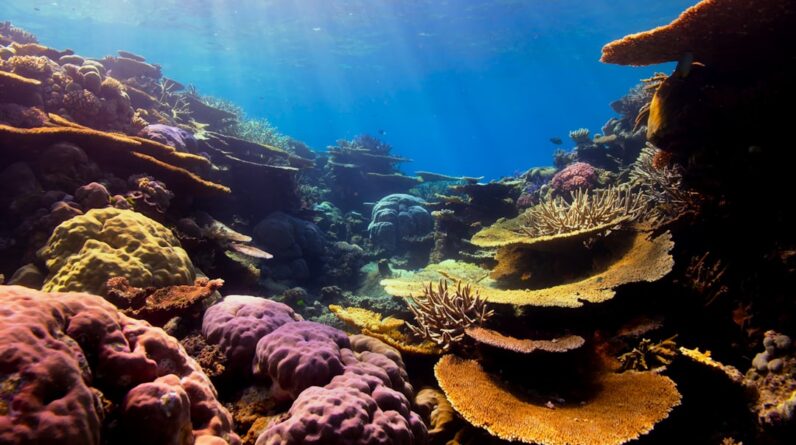
The role of marine ecosystems in this context cannot be overstated; they act as a buffer against rising temperatures and contribute to climate stability. Moreover, healthy marine ecosystems enhance their capacity to produce oxygen and sequester carbon. When you think about initiatives aimed at protecting and restoring marine habitats—such as coral reefs and mangroves—you begin to see how these efforts can have far-reaching implications for global warming.
By fostering biodiversity and promoting robust ecosystems, we can enhance marine oxygen production and bolster the ocean’s ability to act as a carbon sink. This interconnectedness highlights the importance of sustainable practices that prioritize ocean health in our fight against climate change.
The Impact of Climate Change on Marine Oxygen Production
As you examine the effects of climate change on marine oxygen production, it becomes evident that rising temperatures and altered oceanic conditions pose significant threats to phytoplankton populations. Warmer waters can lead to stratification, where layers of water become less mixed, reducing nutrient availability for phytoplankton growth. This phenomenon can result in decreased oxygen production and disrupt the entire marine food web.
Additionally, ocean acidification—caused by increased carbon dioxide absorption—can hinder phytoplankton’s ability to photosynthesize effectively. The consequences of these changes extend beyond just oxygen levels; they can also impact fish populations and other marine life that rely on phytoplankton as a primary food source. As you consider these interconnected challenges, it becomes clear that climate change poses a multifaceted threat to marine ecosystems.
The decline in oxygen production not only affects marine life but also has implications for human communities that depend on healthy oceans for food security and economic stability.
Potential Risks and Limitations of Relying on Marine Oxygen Production
While marine oxygen production is a crucial component in addressing global warming, it is essential to recognize its limitations and potential risks. One significant concern is that over-reliance on this natural process may lead to complacency in addressing the root causes of climate change. As you reflect on this issue, consider how focusing solely on enhancing marine oxygen production could divert attention from necessary systemic changes in energy consumption and greenhouse gas emissions.
Additionally, environmental stressors such as pollution and habitat destruction can compromise marine ecosystems’ ability to produce oxygen effectively. For instance, nutrient runoff from agricultural practices can lead to harmful algal blooms that deplete oxygen levels in coastal waters, creating dead zones where marine life cannot survive. As you contemplate these risks, it becomes clear that while marine oxygen production is vital, it must be part of a broader strategy that includes reducing emissions and protecting marine habitats.
Current Research and Studies on Marine Oxygen Production and Global Warming

Current research on marine oxygen production and its relationship with global warming is rapidly evolving, providing valuable insights into how we can better understand and address these challenges. Scientists are employing advanced technologies such as satellite imagery and autonomous underwater vehicles to monitor phytoplankton populations and assess their contributions to oxygen production in real-time. As you explore these studies, you will discover how data-driven approaches are enhancing our understanding of ocean dynamics and their implications for climate change.
Moreover, interdisciplinary research is shedding light on the complex interactions between marine ecosystems and atmospheric conditions. For instance, studies are investigating how changes in ocean circulation patterns due to climate change may affect nutrient distribution and phytoplankton growth. By integrating knowledge from various fields—such as oceanography, ecology, and climate science—researchers are developing more comprehensive models that can predict future scenarios for marine oxygen production under different climate conditions.
Policy Implications and Potential Solutions
The findings from ongoing research underscore the urgent need for effective policies aimed at protecting marine ecosystems and enhancing their capacity for oxygen production. As you consider potential solutions, think about how international cooperation is essential for addressing transboundary issues such as ocean pollution and overfishing. Collaborative efforts among nations can lead to more robust regulations that safeguard marine habitats while promoting sustainable practices.
Additionally, investing in conservation initiatives—such as establishing marine protected areas—can help restore degraded ecosystems and enhance their resilience against climate change impacts. As you reflect on these policy implications, consider how public awareness campaigns can play a crucial role in fostering a culture of stewardship toward our oceans. By engaging communities in conservation efforts and promoting sustainable practices, we can collectively work toward ensuring the health of our oceans for future generations.
The Future of Marine Oxygen Production in the Fight Against Global Warming
As you contemplate the future of marine oxygen production in the context of global warming, it becomes clear that our oceans hold immense potential for mitigating climate change effects. However, realizing this potential requires a concerted effort to protect marine ecosystems from the myriad threats they face today. By prioritizing research, implementing effective policies, and fostering public engagement, we can enhance our understanding of these complex systems and promote sustainable practices that benefit both the environment and humanity.
In conclusion, while marine oxygen production is a vital component in combating global warming, it must be viewed as part of a larger framework that addresses the root causes of climate change. By recognizing the interconnectedness of ocean health and atmospheric stability, you can appreciate the importance of taking action now to safeguard our oceans for future generations. The fight against global warming is not just about reducing emissions; it is also about nurturing the natural systems that sustain life on Earth—systems that rely on healthy oceans teeming with vibrant phytoplankton and diverse marine life.
A related article to “Can Marine Oxygen Production Slow Global Warming? The Science Explained” can be found on livelifewithacause.org. This article discusses how preventing floods through massive tree planting can help mitigate the effects of climate change. By planting trees, we can absorb excess water, reduce erosion, and create natural barriers that can prevent flooding in vulnerable areas. This proactive approach to environmental conservation complements the idea of harnessing marine oxygen production to slow global warming, as both strategies aim to address the root causes of climate change.
FAQs
What is marine oxygen production?
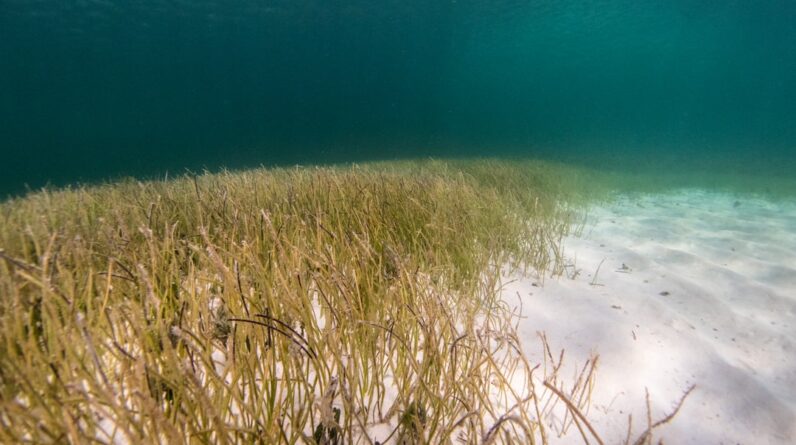
Marine oxygen production refers to the process by which marine plants, such as phytoplankton and seaweed, produce oxygen through photosynthesis. This process is crucial for maintaining the balance of oxygen in the Earth’s atmosphere.
How does marine oxygen production affect global warming?
Marine oxygen production plays a role in mitigating global warming by absorbing carbon dioxide from the atmosphere. Through photosynthesis, marine plants take in carbon dioxide and release oxygen, helping to reduce the concentration of greenhouse gases in the atmosphere.
Can marine oxygen production slow down global warming?
While marine oxygen production can help mitigate global warming by absorbing carbon dioxide, its impact on slowing down global warming is limited. Other factors such as deforestation, industrial emissions, and fossil fuel use have a much larger impact on global warming.
What are the potential benefits of supporting marine oxygen production?
Supporting marine oxygen production can have various benefits, including improving ocean health, supporting marine ecosystems, and contributing to the overall balance of oxygen and carbon dioxide in the atmosphere. Additionally, healthy marine ecosystems can provide other ecosystem services such as supporting fisheries and protecting coastlines.
What are some ways to support marine oxygen production?
Ways to support marine oxygen production include reducing carbon emissions, protecting and restoring marine habitats, and promoting sustainable fishing practices. Additionally, efforts to reduce pollution and nutrient runoff into marine environments can help support the health of marine plants and ecosystems.