As you delve into the intricate world of ocean ecosystems, you may find yourself captivated by the stories that unfold beneath the waves. These narratives are not just tales of beauty and wonder; they are also cautionary accounts of the delicate balance that sustains life in our oceans. The oxygen levels in these vast bodies of water play a crucial role in maintaining this balance, and understanding their significance is essential for anyone who cares about the health of our planet.
The ocean, often referred to as the lungs of the Earth, produces a significant portion of the oxygen we breathe, making it imperative to explore the narratives surrounding ocean oxygen levels. In recent years, the conversation around ocean health has gained momentum, with scientists and environmentalists emphasizing the importance of oxygen in marine environments. You may be surprised to learn that the ocean is not just a vast expanse of water; it is a complex ecosystem teeming with life, where every organism plays a role in maintaining the overall health of the environment.
As you navigate through this article, you will uncover the importance of ocean oxygen levels, the visual representations that illustrate these changes, and the challenges that threaten this vital resource. By understanding these narratives, you can become an advocate for ocean conservation and contribute to a healthier planet.
Key Takeaways
- Ocean oxygen levels are crucial for marine life and the health of the planet.
- Visual representation of ocean oxygen data can help raise awareness and drive action for conservation.
- Graphic storytelling is a powerful tool for advocating for environmental issues, including ocean oxygen depletion.
- Overfishing, pollution, and climate change are major threats to ocean oxygen levels.
- Conservation efforts and sustainable practices are key to addressing ocean oxygen depletion and protecting marine life.
The Importance of Ocean Oxygen Levels
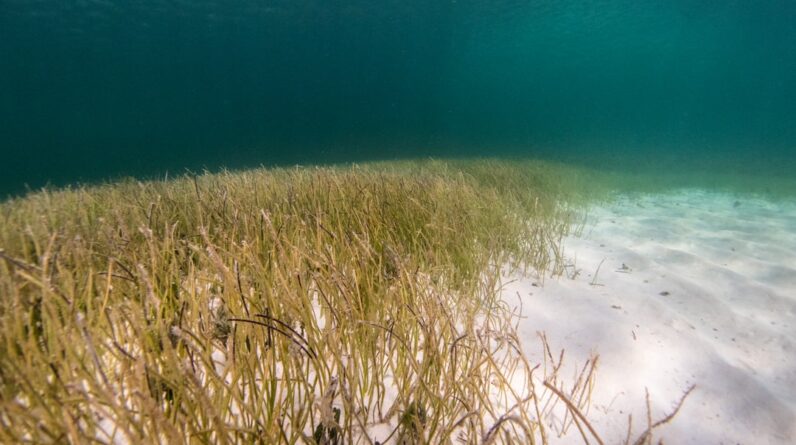
Oxygen is fundamental to life, and in the ocean, it serves as a lifeline for countless species. You might be surprised to learn that marine plants, particularly phytoplankton, are responsible for producing about half of the world’s oxygen through photosynthesis. This process not only supports marine life but also contributes significantly to the air you breathe.
As you consider the importance of ocean oxygen levels, it becomes clear that any disruption to this delicate balance can have far-reaching consequences for both marine ecosystems and human populations. The significance of maintaining healthy oxygen levels in the ocean cannot be overstated. When oxygen levels drop, a phenomenon known as hypoxia occurs, leading to “dead zones” where marine life struggles to survive.
These areas can expand rapidly due to factors such as nutrient pollution and climate change, creating a ripple effect that impacts food chains and biodiversity. As you reflect on these issues, it becomes evident that understanding and addressing ocean oxygen levels is not just an environmental concern; it is a matter of global health and sustainability.
Visual Representation of Ocean Oxygen Data

In an age where information is abundant yet often overwhelming, visual representation plays a crucial role in conveying complex data in an accessible manner. You may have encountered various forms of data visualization that illustrate changes in ocean oxygen levels over time. These graphics can range from simple charts to intricate maps that depict the distribution of oxygen in different regions of the ocean.
By engaging with these visual narratives, you can gain a clearer understanding of how oxygen levels fluctuate and what factors contribute to these changes. One powerful example of visual storytelling is the use of heat maps to illustrate areas affected by hypoxia. These maps can vividly show how dead zones have expanded over the years, allowing you to grasp the urgency of the situation at a glance.
Additionally, infographics that combine statistics with compelling imagery can help you connect emotionally with the data, fostering a deeper understanding of the implications for marine life and human communities alike. As you explore these visual representations, consider how they can serve as tools for advocacy and education, inspiring action toward ocean conservation.
Using Graphic Storytelling to Raise Awareness
Graphic storytelling has emerged as a potent medium for raising awareness about environmental issues, including ocean oxygen depletion. You may have noticed how illustrations, comics, and animated videos can convey complex scientific concepts in an engaging and relatable way. By harnessing the power of narrative and visuals, graphic storytelling can capture your attention and evoke empathy for marine ecosystems that are often overlooked.
As you engage with graphic narratives about ocean health, you may find yourself drawn into stories that highlight both the beauty of marine life and the threats they face due to declining oxygen levels. These stories can humanize abstract data, making it easier for you to connect with the issue on a personal level. For instance, a comic strip depicting a struggling fish in a hypoxic zone can evoke feelings of concern and urgency, prompting you to consider your role in advocating for change.
By utilizing graphic storytelling techniques, advocates can effectively communicate the importance of ocean conservation and inspire collective action.
Challenges and Threats to Ocean Oxygen Levels
Despite the critical role that oxygen plays in sustaining marine life, numerous challenges threaten its availability in our oceans. You may be aware that climate change is one of the primary culprits behind declining oxygen levels. Rising sea temperatures can lead to stratification, where warmer water sits atop cooler water, preventing oxygen from mixing throughout the water column.
This phenomenon can create conditions conducive to hypoxia, particularly in coastal areas where nutrient runoff from agriculture exacerbates the problem. Another significant threat comes from pollution, particularly nutrient pollution from fertilizers and sewage. When excess nutrients enter the ocean, they can trigger algal blooms that consume vast amounts of oxygen as they decompose.
As you consider these challenges, it becomes clear that addressing ocean oxygen depletion requires a multifaceted approach that tackles both climate change and pollution simultaneously. The interconnectedness of these issues underscores the urgency for collective action at local, national, and global levels.
Solutions and Actions for Ocean Conservation

While the challenges facing ocean oxygen levels are daunting, there are numerous solutions and actions that individuals and communities can take to promote ocean conservation. You might start by advocating for sustainable agricultural practices that minimize nutrient runoff into waterways. Supporting local farmers who prioritize environmentally friendly methods can make a significant difference in reducing pollution entering our oceans.
Additionally, engaging in community clean-up efforts can help mitigate pollution’s impact on marine ecosystems. By participating in beach clean-ups or organizing events to remove debris from local waterways, you contribute directly to improving water quality and protecting marine life. Furthermore, supporting policies aimed at reducing greenhouse gas emissions is crucial for combating climate change and its effects on ocean health.
As you explore these solutions, remember that every action counts; your efforts can inspire others to join the movement for ocean conservation.
Impact of Ocean Oxygen Depletion on Marine Life
The consequences of declining ocean oxygen levels extend far beyond mere statistics; they profoundly affect marine life and ecosystems. You may be surprised to learn that many species rely on specific oxygen thresholds for survival. Fish, crustaceans, and other marine organisms are particularly vulnerable to hypoxia, which can lead to decreased reproductive success, stunted growth, and even mass die-offs in severe cases.
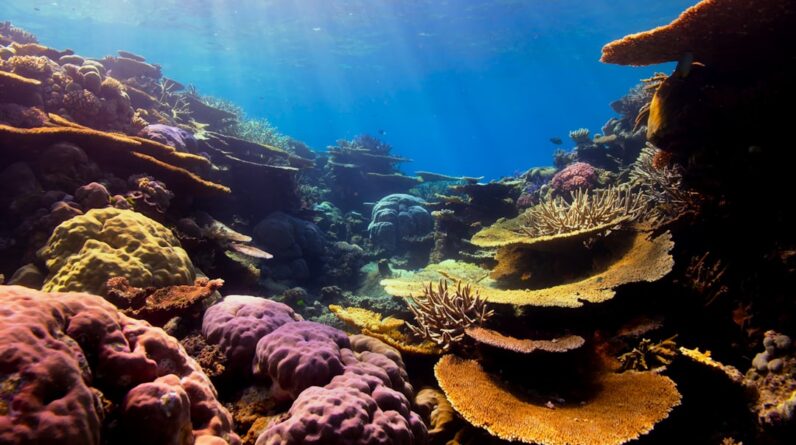
As you consider the impact on biodiversity, it’s essential to recognize that entire food webs are at risk when key species struggle to survive. For instance, if fish populations decline due to low oxygen levels, it can disrupt predator-prey relationships and lead to cascading effects throughout the ecosystem. Additionally, coral reefs—often referred to as the “rainforests of the sea”—are also affected by declining oxygen levels, which can hinder their growth and resilience against other stressors like climate change.
Understanding these impacts highlights the urgency of addressing ocean oxygen depletion not only for marine life but also for human communities that depend on healthy oceans for food and livelihoods.
The Power of Visual Storytelling for Environmental Advocacy
As you reflect on the narratives surrounding ocean oxygen levels, it becomes evident that visual storytelling holds immense potential for environmental advocacy. By combining data with compelling imagery and narratives, advocates can effectively communicate complex issues in ways that resonate with diverse audiences. You have seen how graphic storytelling can evoke empathy and inspire action, making it an invaluable tool in raising awareness about ocean conservation.
In conclusion, your engagement with these narratives is crucial for fostering a deeper understanding of ocean health and its implications for our planet. By sharing what you’ve learned with others and advocating for sustainable practices, you contribute to a collective effort aimed at preserving our oceans for future generations. The power of visual storytelling lies not only in its ability to inform but also in its capacity to inspire hope and action—reminding us all that we have a role to play in safeguarding our planet’s precious resources.
Graphic Storytelling: Ocean Oxygen Narratives in Visual Form is a powerful tool for raising awareness about environmental issues. It reminds us of the importance of preserving our planet and the impact our actions have on the world around us. For more information on how we can make a difference, check out this article on how to stop forest burning and save trees and animals. It highlights the devastating effects of deforestation and the urgent need to protect our forests. By planting trees, we can help combat climate change and prevent further deforestation. Learn more about the benefits of tree planting in the fight against climate change in this article on how planting trees helps climate change. Let’s work together to protect our planet and create a sustainable future for generations to come.
FAQs
What is graphic storytelling?
Graphic storytelling is a form of visual communication that uses a combination of images and text to convey a narrative or story. It is often used in comics, graphic novels, and other visual media to engage and inform audiences.
What are ocean oxygen narratives?
Ocean oxygen narratives are stories that focus on the levels of oxygen in the Earth’s oceans. These narratives often explore the impact of human activities, climate change, and other factors on ocean oxygen levels, as well as the consequences for marine life and ecosystems.
How are ocean oxygen narratives depicted in visual form?
Ocean oxygen narratives can be depicted in visual form through graphic storytelling, which may include illustrations, infographics, and other visual elements to convey information about ocean oxygen levels and related topics. This visual approach can help to make complex scientific concepts more accessible and engaging for a wide audience.
What is the purpose of creating ocean oxygen narratives in visual form?
The purpose of creating ocean oxygen narratives in visual form is to raise awareness about the importance of ocean oxygen levels and the impact of human activities on marine ecosystems. By using visual storytelling, creators can effectively communicate scientific information and inspire action to protect and preserve the health of the world’s oceans.