


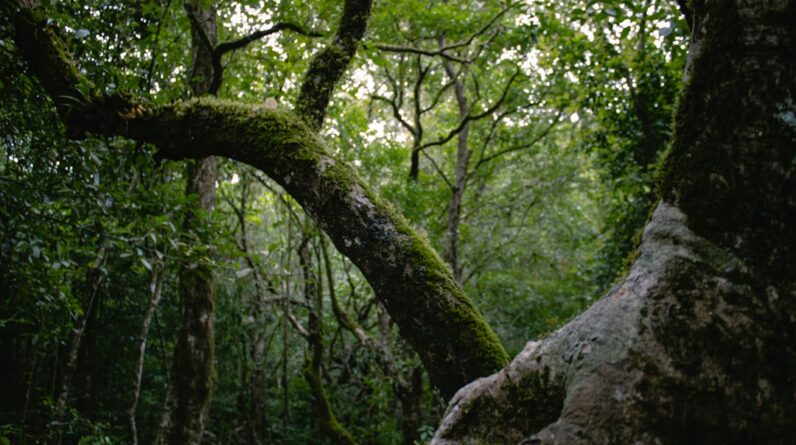
Restoring an ecosystem is a formidable challenge that requires a deep understanding of the intricate web of life that exists within it. As you embark on this journey, you may find yourself grappling with the complexities of nature, where every species, plant, and microorganism plays a vital role in maintaining balance. The task is not merely about reintroducing flora and fauna; it involves a comprehensive approach that considers the historical context, current conditions, and future implications of your actions.
You will soon realize that the restoration process is as much about science as it is about art, requiring creativity and adaptability to navigate the unpredictable nature of ecosystems. As you delve into the world of ecological restoration, you will encounter various challenges that can test your resolve. From habitat destruction and climate change to invasive species and pollution, the obstacles are numerous and often daunting.
However, the rewards of successful restoration are equally significant. You will witness the revival of biodiversity, the rejuvenation of landscapes, and the rekindling of connections between communities and their natural environments. This journey is not just about restoring nature; it is about fostering a deeper appreciation for the delicate balance that sustains life on Earth.
Key Takeaways
- Restoring an ecosystem is a challenging but crucial task for environmental conservation.
- Analyzing the ecosystem and understanding its components is essential for effective restoration efforts.
- Assessing the damage and identifying the missing pieces is a critical step in the restoration process.
- Implementing restoration efforts involves gathering the necessary pieces and resources for the ecosystem’s recovery.
- Monitoring progress and adapting to unforeseen challenges are key to sustaining the restored ecosystem for the future.
Understanding the Pieces: Analyzing the Ecosystem
To effectively restore an ecosystem, you must first analyze its components and understand how they interact with one another. This involves studying the various species that inhabit the area, including plants, animals, fungi, and microorganisms. Each organism plays a unique role in the ecosystem, contributing to processes such as nutrient cycling, pollination, and soil formation.
By observing these interactions, you can begin to appreciate the complexity of the ecosystem and identify which elements are essential for its health. In addition to examining the living components, you will also need to consider the physical environment in which these organisms exist. Factors such as soil quality, water availability, and climate conditions all influence the ecosystem’s functionality.
By gathering data on these aspects, you can create a comprehensive picture of the ecosystem’s current state. This analysis will serve as a foundation for your restoration efforts, guiding you in making informed decisions about which species to reintroduce and what interventions may be necessary to support their survival.
Identifying the Missing Pieces: Assessing the Damage

Once you have a clear understanding of the ecosystem’s components, the next step is to assess the damage that has occurred. This involves identifying which species have been lost or diminished and determining the reasons behind their decline. You may find that habitat destruction due to urban development or agriculture has led to significant losses in biodiversity.
Alternatively, invasive species may have outcompeted native plants and animals, disrupting established relationships within the ecosystem. As you conduct your assessment, it is crucial to recognize that not all changes are negative. Some species may have adapted to new conditions or even thrived in altered environments.
However, your focus should remain on restoring balance and promoting resilience within the ecosystem. By pinpointing the missing pieces and understanding their roles, you can develop targeted strategies to address these gaps and facilitate recovery.
Gathering the Pieces: Implementing Restoration Efforts
With a clear understanding of the ecosystem’s needs and challenges, you can begin implementing restoration efforts. This phase often involves reintroducing native species that have been lost or diminished over time. You may collaborate with local conservation organizations or research institutions to source plants and animals that are genetically appropriate for the area.
Careful planning is essential during this stage to ensure that reintroductions are timed correctly and that suitable habitats are prepared for their arrival. In addition to reintroducing species, you may also need to address other factors that contribute to ecosystem degradation. This could involve removing invasive species that threaten native populations or restoring natural hydrology by reestablishing wetlands or stream banks.
Engaging with local communities is vital during this process, as their support can enhance the success of your efforts. By fostering a sense of ownership and stewardship among residents, you can create a collaborative environment that promotes long-term sustainability.
Putting the Pieces Together: Monitoring Progress
As your restoration efforts take shape, monitoring progress becomes essential to ensure that your actions are having the desired impact. You will need to establish baseline data against which you can measure changes over time. This may involve regular surveys of plant and animal populations, water quality assessments, and soil health evaluations.
By collecting this data systematically, you can identify trends and make informed adjustments to your restoration strategies as needed. Monitoring also provides an opportunity to celebrate small victories along the way. As you observe signs of recovery—such as increased biodiversity or improved habitat quality—you can share these successes with stakeholders and community members.
This not only reinforces their commitment to the project but also helps raise awareness about the importance of ecological restoration in general. By documenting your progress, you contribute valuable knowledge to the broader field of conservation science.
Adapting to Change: Dealing with Unforeseen Challenges
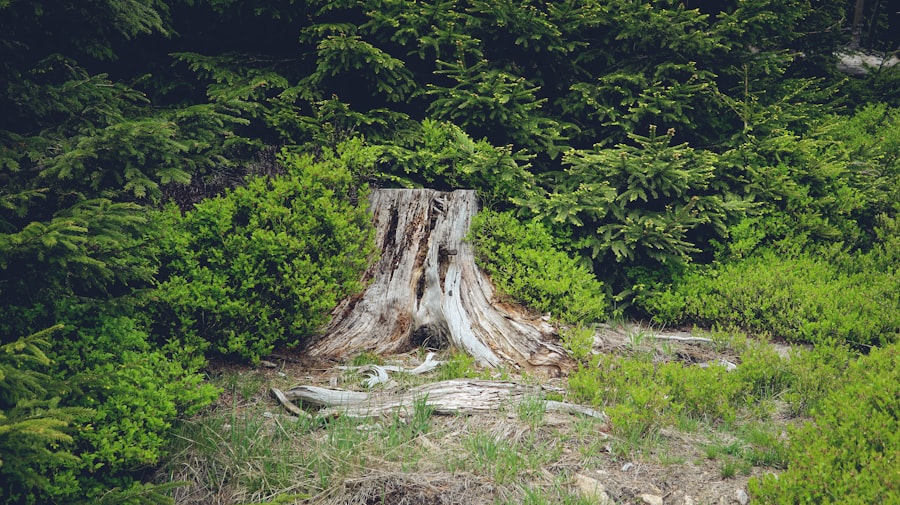
Despite careful planning and execution, unforeseen challenges are likely to arise during your restoration journey. Climate change may introduce new stressors that affect species survival or alter habitat conditions in unexpected ways. Additionally, natural disasters such as floods or wildfires can disrupt your progress and necessitate rapid responses.
As you navigate these challenges, adaptability becomes a crucial skill. You may find that some species do not thrive as anticipated or that new invasive threats emerge unexpectedly. In such cases, it is essential to remain flexible in your approach and be willing to adjust your strategies based on new information or changing circumstances.
Engaging with experts in ecology and conservation can provide valuable insights into best practices for dealing with these challenges. Remember that restoration is an ongoing process; learning from setbacks can ultimately lead to more resilient ecosystems.
Celebrating Success: Witnessing the Ecosystem’s Recovery
As time passes and your restoration efforts begin to bear fruit, take a moment to celebrate the successes you have achieved. Witnessing an ecosystem’s recovery can be profoundly rewarding; seeing native species return, habitats flourish, and communities reconnect with nature serves as a testament to your hard work and dedication. These moments of triumph not only validate your efforts but also inspire others to engage in similar initiatives.
Sharing your success stories with local communities can foster a sense of pride and encourage further involvement in conservation efforts. Organizing events such as guided nature walks or educational workshops can help raise awareness about the importance of preserving ecosystems and inspire others to take action in their own communities. By celebrating these milestones together, you strengthen bonds between people and nature while promoting a culture of stewardship.
Looking to the Future: Sustaining the Restored Ecosystem
The journey of restoring an ecosystem does not end with initial successes; sustainability is key to ensuring long-term health and resilience. As you look toward the future, consider how you can maintain the progress made during restoration efforts. This may involve establishing ongoing monitoring programs or creating management plans that outline strategies for addressing potential threats.
Engaging local communities in stewardship activities is vital for sustaining restored ecosystems. By fostering a sense of ownership among residents, you empower them to take an active role in protecting their natural surroundings. Educational initiatives can help instill a deeper understanding of ecological principles and promote responsible practices that support biodiversity conservation.
In conclusion, restoring an ecosystem is a multifaceted endeavor that requires careful analysis, strategic planning, and ongoing commitment. As you navigate this complex journey, remember that each step contributes to a greater goal: fostering a thriving environment for future generations. Embrace the challenges and celebrate the successes along the way; your efforts will leave a lasting impact on both nature and community alike.
In a related article on Live Life with a Cause, the importance of planting trees in combating climate change is discussed. The article titled