As you gaze out at the vast expanse of the ocean, it’s easy to overlook the intricate balance that sustains life beneath the surface. However, a silent crisis is unfolding in these waters: ocean oxygen loss. This phenomenon, often referred to as hypoxia, occurs when the levels of dissolved oxygen in seawater drop to a point that is detrimental to marine life.
The oceans, which cover more than 70% of the Earth’s surface, are not only vital for biodiversity but also play a crucial role in regulating the planet’s climate. The loss of oxygen in these waters poses a significant threat to marine ecosystems and, by extension, to human economies that rely on them. The causes of ocean oxygen loss are multifaceted, ranging from climate change and nutrient pollution to overfishing and habitat destruction.
As temperatures rise due to global warming, the capacity of water to hold oxygen decreases, leading to larger areas of low-oxygen zones. Additionally, nutrient runoff from agricultural practices contributes to algal blooms that consume oxygen as they decompose. Understanding the implications of this crisis is essential, as it affects not only marine life but also the livelihoods of millions who depend on healthy oceans for food and economic stability.
Key Takeaways
- Ocean oxygen loss is a growing concern with significant implications for marine ecosystems and human societies.
- The current economic impact of ocean oxygen loss includes losses in fisheries and aquaculture productivity, as well as impacts on tourism and coastal infrastructure.
- Factors contributing to future projections of ocean oxygen loss include climate change, nutrient pollution, and ocean warming.
- Projected economic costs of ocean oxygen loss are substantial, with estimates ranging from billions to trillions of dollars in lost revenue and increased adaptation and mitigation costs.
- Ocean oxygen loss has significant implications for fisheries and aquaculture, with potential disruptions to supply chains and increased production costs.
Current Economic Impact of Ocean Oxygen Loss
The economic ramifications of ocean oxygen loss are already being felt across various sectors. Fisheries, which provide jobs and sustenance for countless communities, are particularly vulnerable. As fish populations decline due to hypoxic conditions, fishermen face reduced catches and increased competition for dwindling resources.
This not only threatens their livelihoods but also impacts local economies that rely on the fishing industry. The ripple effects can be profound, leading to job losses and decreased income for those who depend on fishing-related activities. Moreover, the tourism industry is also at risk.
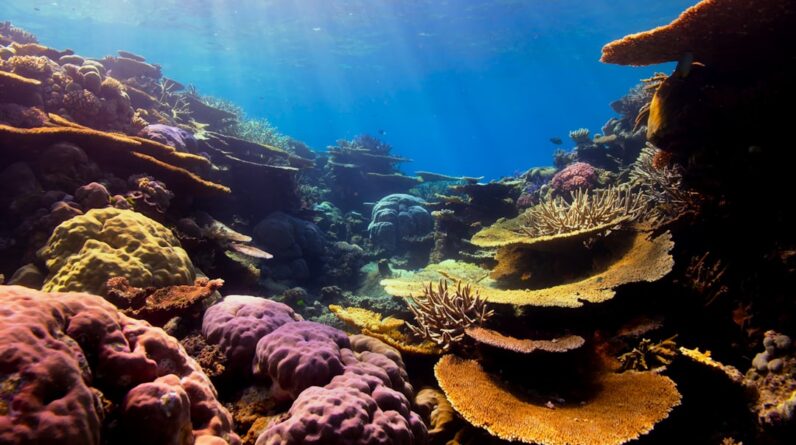
Coastal regions that attract millions of visitors each year for their vibrant marine life may see a decline in tourism as fish populations dwindle and coral reefs suffer from oxygen depletion. The loss of biodiversity can lead to less appealing destinations, ultimately affecting local businesses that thrive on tourism revenue. As you consider the interconnectedness of these industries, it becomes clear that ocean oxygen loss is not just an environmental issue; it is an economic one that requires urgent attention.
Factors Contributing to Future Projections of Ocean Oxygen Loss
Looking ahead, several factors are poised to exacerbate ocean oxygen loss. Climate change remains a primary driver, with rising global temperatures expected to further decrease oxygen levels in marine environments. As you contemplate the future, consider how increased ocean stratification—where warmer water sits atop cooler water—can hinder the mixing of oxygen-rich surface waters with deeper layers.
This stratification can create vast areas devoid of sufficient oxygen, leading to dead zones where marine life cannot survive. In addition to climate change, human activities continue to play a significant role in this crisis. Agricultural runoff laden with fertilizers contributes to nutrient pollution, which fuels harmful algal blooms.
These blooms can create hypoxic conditions as they die off and decompose, consuming large amounts of oxygen in the process. Urbanization and industrial discharges further exacerbate this issue, introducing pollutants that can disrupt marine ecosystems. As you reflect on these factors, it becomes evident that without concerted efforts to address both climate change and pollution, the future of our oceans—and the economies that depend on them—remains precarious.
Projected Economic Costs of Ocean Oxygen Loss
The projected economic costs associated with ocean oxygen loss are staggering and warrant serious consideration. Estimates suggest that the global economic impact could reach billions of dollars annually as fisheries collapse and tourism declines. For instance, studies indicate that hypoxia could lead to a reduction in fish catches by up to 50% in some regions, translating into significant financial losses for fishermen and related industries.
As you think about these figures, consider how such losses could ripple through entire communities, affecting not just those directly involved in fishing but also suppliers, processors, and retailers. Furthermore, the costs associated with restoring affected ecosystems can be astronomical. Efforts to rehabilitate damaged habitats or implement sustainable practices require substantial investment and long-term commitment.
The economic burden may fall disproportionately on developing nations that lack the resources to address these challenges effectively. As you ponder these projections, it becomes clear that proactive measures are essential not only for preserving marine life but also for safeguarding economic stability in coastal communities worldwide.
Implications for Fisheries and Aquaculture
The implications of ocean oxygen loss for fisheries and aquaculture are profound and far-reaching. As fish populations decline due to hypoxic conditions, the availability of seafood diminishes, leading to increased prices and reduced access for consumers. For many communities that rely on fish as a primary source of protein, this can have dire consequences for food security and nutrition.
As you consider the importance of fisheries in global food systems, it becomes evident that maintaining healthy ocean ecosystems is crucial for sustaining human populations. Aquaculture, often seen as a solution to declining wild fish stocks, is not immune to the effects of ocean oxygen loss either. Fish farms can experience significant challenges when surrounding waters become hypoxic, leading to increased mortality rates among farmed species.
Additionally, the reliance on feed sourced from wild fisheries can create further strain on already vulnerable populations. As you reflect on these dynamics, it is clear that addressing ocean oxygen loss is essential not only for preserving wild fisheries but also for ensuring the sustainability of aquaculture practices.
Potential Economic Opportunities for Mitigating Ocean Oxygen Loss

While the challenges posed by ocean oxygen loss are daunting, there are also potential economic opportunities for mitigating its effects. Investing in sustainable agricultural practices can significantly reduce nutrient runoff into waterways, thereby improving water quality and reducing hypoxia in coastal regions. By adopting practices such as cover cropping and precision farming, farmers can enhance soil health while minimizing environmental impacts.
As you consider these strategies, think about how they can create new markets for sustainable products and services. Additionally, promoting renewable energy sources can help combat climate change and its associated impacts on ocean oxygen levels. Transitioning away from fossil fuels not only reduces greenhouse gas emissions but also fosters innovation in green technologies.
As you envision a future powered by clean energy, consider how this shift could create jobs and stimulate economic growth while simultaneously addressing the root causes of ocean oxygen loss.
Policy and Regulatory Considerations for Addressing Ocean Oxygen Loss
To effectively tackle ocean oxygen loss, robust policy and regulatory frameworks are essential. Governments must prioritize the development of comprehensive strategies that address both climate change and nutrient pollution. This includes implementing stricter regulations on agricultural runoff and promoting best management practices among farmers.
As you think about the role of policy in shaping environmental outcomes, consider how collaborative efforts between governments, industries, and communities can lead to more effective solutions. International cooperation is also crucial in addressing this global issue. Ocean ecosystems do not adhere to national boundaries; therefore, collaborative efforts among countries are necessary to manage shared resources effectively.
Initiatives such as transboundary agreements can facilitate information sharing and joint action plans aimed at reducing nutrient pollution and mitigating climate change impacts. As you reflect on these considerations, it becomes clear that a coordinated approach is vital for safeguarding our oceans and ensuring their health for future generations.
Conclusion and Recommendations for Future Action
In conclusion, ocean oxygen loss represents a significant threat not only to marine ecosystems but also to the economies that depend on them. The current economic impacts are already being felt across various sectors, with fisheries and tourism facing unprecedented challenges. As you contemplate the future, it is essential to recognize the factors contributing to this crisis and take proactive steps toward mitigation.
To address ocean oxygen loss effectively, a multifaceted approach is necessary—one that includes sustainable agricultural practices, investment in renewable energy sources, and robust policy frameworks at both national and international levels. By prioritizing collaboration among stakeholders and fostering innovation in sustainable practices, we can work toward a healthier ocean ecosystem that supports both biodiversity and economic stability. As you reflect on your role in this issue—whether as an individual consumer or a member of a community—consider how your actions can contribute to positive change.
Supporting sustainable seafood initiatives, advocating for responsible agricultural practices, and engaging in conversations about climate action are all steps you can take toward ensuring a brighter future for our oceans and the countless lives they support.
A related article to The Economic Cost of Ocean Oxygen Loss: Future Projections discusses the benefits of reforestation in helping the environment. Reforestation plays a crucial role in combating climate change and preserving biodiversity. To learn more about how planting trees can make a positive impact on the environment, check out this article.
FAQs
What is ocean oxygen loss?
Ocean oxygen loss refers to the decline in the concentration of oxygen in the Earth’s oceans. This can be caused by a variety of factors, including climate change, pollution, and nutrient runoff.
Why is ocean oxygen loss a concern?
Ocean oxygen loss is a concern because it can have significant impacts on marine life. Many species of fish, shellfish, and other marine organisms rely on oxygen to survive, and a decrease in oxygen levels can lead to habitat loss and declines in populations.
What are the economic costs of ocean oxygen loss?
The economic costs of ocean oxygen loss can be significant. This includes impacts on fisheries, tourism, and coastal communities that rely on healthy marine ecosystems for their livelihoods. Additionally, the costs of mitigating and adapting to the impacts of ocean oxygen loss can be substantial.
How are future projections of ocean oxygen loss determined?
Future projections of ocean oxygen loss are determined using climate models and scenarios that take into account factors such as greenhouse gas emissions, ocean circulation patterns, and nutrient inputs. These projections can help scientists and policymakers understand the potential impacts of ocean oxygen loss and develop strategies to address it.
What can be done to mitigate ocean oxygen loss?
Mitigating ocean oxygen loss requires addressing the root causes, such as reducing greenhouse gas emissions, controlling pollution, and managing nutrient runoff. Additionally, protecting and restoring marine habitats can help support healthy oxygen levels in the oceans.