


As you delve into the intricate web of climate science, one concept that stands out is climate feedbacks. These feedback mechanisms are processes that can either amplify or dampen the effects of climate change, creating a complex interplay that influences global temperatures and weather patterns. Understanding climate feedbacks is crucial for grasping how our planet’s climate system operates and how it may evolve in response to human activities and natural phenomena.
Climate feedbacks can be categorized into two main types: positive and negative feedback loops. Positive feedback loops enhance the initial change, leading to further warming, while negative feedback loops work to counteract changes, promoting stability within the climate system. As you explore these concepts, you will uncover the profound implications they hold for our environment and future generations.
The urgency of addressing climate change becomes even more apparent when you consider how these feedback mechanisms can accelerate or mitigate the impacts of global warming.
Key Takeaways
- Climate feedbacks are processes that can either amplify or dampen the effects of climate change.
- Positive feedback loops in the climate system can lead to a self-reinforcing cycle of warming, further exacerbating global climate change.
- Examples of climate feedbacks include the melting of polar ice caps, release of methane from permafrost, and changes in cloud cover.
- Climate feedbacks can have a significant impact on global warming, leading to more extreme weather events and rising sea levels.
- Human activities, such as deforestation and the burning of fossil fuels, can amplify climate feedbacks and contribute to accelerated global warming.
Positive Feedback Loops in the Climate System
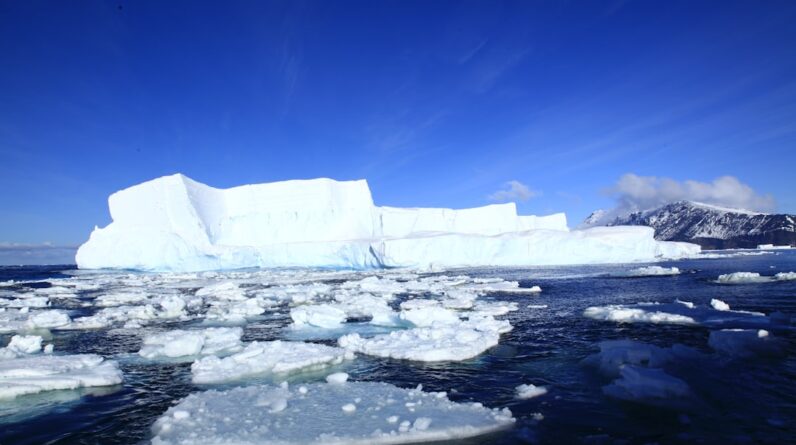
Positive feedback loops are particularly concerning in the context of climate change, as they can lead to a self-reinforcing cycle of warming. One of the most well-known examples is the melting of polar ice caps. As temperatures rise, ice melts, reducing the Earth’s albedo—the reflectivity of its surface.
With less ice to reflect sunlight back into space, more solar energy is absorbed by the ocean and land, leading to further warming and more ice melt. This cycle continues, creating a feedback loop that exacerbates the initial warming. Another significant positive feedback mechanism involves permafrost thawing.
Permafrost, which is permanently frozen ground found in polar regions, contains vast amounts of stored carbon in the form of methane and carbon dioxide. As global temperatures rise, permafrost begins to thaw, releasing these greenhouse gases into the atmosphere. The release of additional greenhouse gases contributes to further warming, which in turn leads to more permafrost thawing.
This cycle not only accelerates climate change but also poses a serious threat to ecosystems and human infrastructure in affected regions.
Examples of Climate Feedbacks

In addition to the melting ice caps and permafrost thawing, there are several other notable examples of climate feedbacks that illustrate the complexity of our climate system. One such example is the water vapor feedback. As temperatures increase, the atmosphere can hold more water vapor, which is itself a potent greenhouse gas.
This increase in water vapor enhances the greenhouse effect, trapping more heat in the atmosphere and leading to further warming. This feedback loop is particularly powerful because it amplifies the effects of other greenhouse gases already present in the atmosphere. Another example is the impact of forest loss on climate feedbacks.
Forests play a critical role in sequestering carbon dioxide from the atmosphere through photosynthesis. When forests are cleared or burned, not only is this carbon storage capacity diminished, but the act of deforestation also releases stored carbon back into the atmosphere. This dual effect contributes to increased atmospheric CO2 levels, further driving global warming.
Additionally, deforestation can alter local climates by reducing rainfall and increasing temperatures, creating a feedback loop that can lead to desertification in some regions.
Impact of Climate Feedbacks on Global Warming
The impact of climate feedbacks on global warming cannot be overstated. These mechanisms can significantly influence temperature projections and climate models, often leading to more severe outcomes than initially anticipated. As you consider the implications of positive feedback loops, it becomes clear that they can create tipping points within the climate system—thresholds beyond which certain changes become irreversible or self-perpetuating.
For instance, if Arctic ice continues to melt at an accelerated rate, it could lead to a dramatic shift in global weather patterns. The loss of reflective ice surfaces may alter ocean currents and atmospheric circulation, resulting in extreme weather events such as prolonged droughts or intense storms in various parts of the world. The interconnectedness of these feedback mechanisms means that changes in one area can have far-reaching consequences for ecosystems and human societies alike.
Role of Human Activities in Amplifying Climate Feedbacks
Human activities play a pivotal role in amplifying climate feedbacks and accelerating global warming. The burning of fossil fuels for energy, deforestation for agriculture and urban development, and industrial processes all contribute to increased concentrations of greenhouse gases in the atmosphere. As you reflect on these actions, it becomes evident that they not only drive immediate environmental changes but also set off a chain reaction of feedback mechanisms that exacerbate climate change.
For example, as you engage with the topic of agriculture, consider how practices such as intensive livestock farming contribute to methane emissions—a potent greenhouse gas with a much higher warming potential than carbon dioxide over a short time frame. The expansion of agricultural land often leads to deforestation, further releasing carbon stored in trees and soil. This cycle illustrates how human activities can trigger positive feedback loops that amplify the effects of climate change, making it imperative for individuals and societies to rethink their relationship with the environment.
Potential Consequences of Amplified Global Warming

The potential consequences of amplified global warming due to climate feedbacks are alarming and far-reaching. As temperatures continue to rise, you may witness an increase in extreme weather events, including hurricanes, heatwaves, floods, and droughts. These events not only threaten ecosystems but also pose significant risks to human health and safety, food security, and economic stability.
Moreover, rising sea levels resulting from melting ice caps and thermal expansion of seawater could displace millions of people living in coastal areas. The loss of biodiversity due to habitat destruction and changing climatic conditions could lead to irreversible damage to ecosystems that provide essential services such as clean air and water. As you contemplate these potential consequences, it becomes clear that addressing climate feedbacks is not just an environmental issue; it is a matter of social justice and global equity.
Mitigation Strategies for Climate Feedbacks
To combat the challenges posed by climate feedbacks, effective mitigation strategies are essential. You can play a role in this effort by advocating for policies that promote renewable energy sources such as solar, wind, and hydroelectric power. Transitioning away from fossil fuels not only reduces greenhouse gas emissions but also helps stabilize the climate system by minimizing the triggers for positive feedback loops.
Additionally, reforestation and afforestation initiatives can enhance carbon sequestration while restoring ecosystems that have been degraded by human activities. Supporting sustainable agricultural practices that reduce methane emissions and promote soil health can also contribute to mitigating climate feedbacks. As you engage with these strategies, remember that individual actions—such as reducing energy consumption, supporting local food systems, and advocating for environmental policies—can collectively make a significant impact on addressing climate change.
Conclusion and Call to Action
In conclusion, understanding climate feedbacks is crucial for grasping the complexities of our changing planet. The interplay between positive and negative feedback loops shapes our climate system and influences global warming trajectories. As you reflect on the role of human activities in amplifying these feedbacks and consider their potential consequences, it becomes clear that urgent action is needed.
You have the power to make a difference—whether through personal choices or by advocating for systemic change. By raising awareness about climate feedbacks and supporting initiatives aimed at reducing greenhouse gas emissions, you can contribute to a more sustainable future for our planet. The time for action is now; together we can work towards mitigating climate change and protecting our environment for generations to come.
The Snowball Effect: How Climate Feedbacks Amplify Global Warming discusses the dangerous cycle of climate feedbacks that exacerbate global warming. To combat this issue, reforestation plays a crucial role in mitigating the effects of climate change. In a related article on