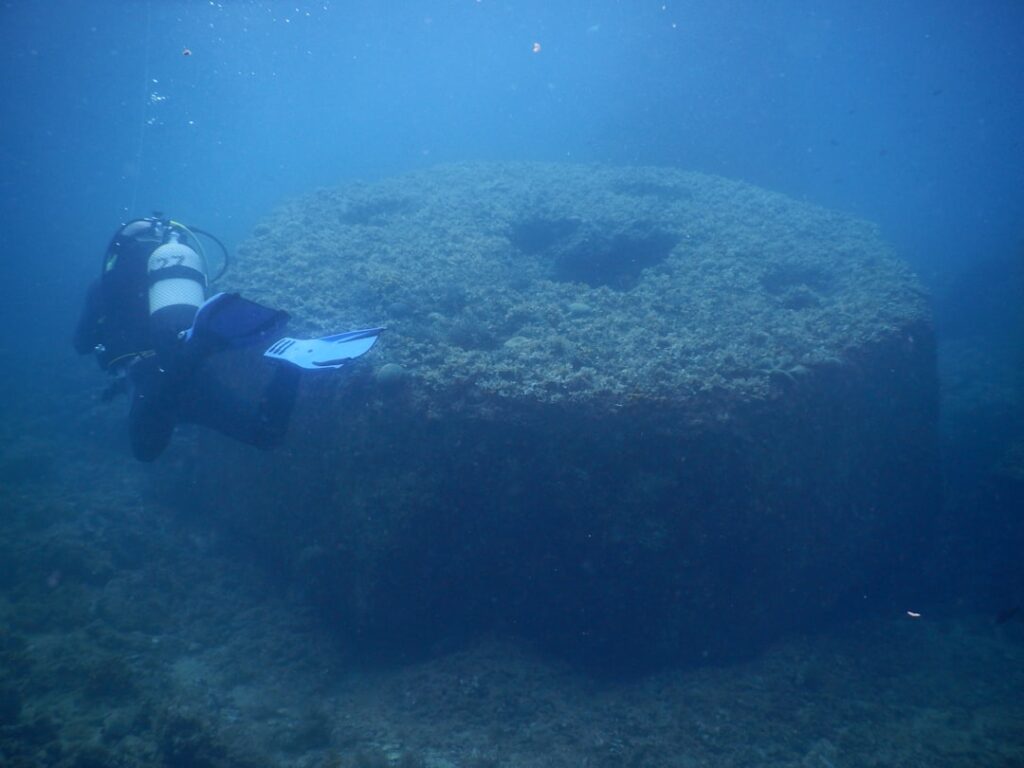
The oceans are often referred to as the lungs of our planet, and for good reason. They produce a significant portion of the oxygen that sustains life on Earth. It is estimated that marine plants, particularly phytoplankton, contribute around 50% to 80% of the oxygen in our atmosphere.
This vital process not only supports marine life but also plays a crucial role in maintaining the balance of gases in the atmosphere. As you breathe in the fresh air, you are indirectly benefiting from the intricate web of life that thrives beneath the ocean’s surface. Moreover, ocean oxygen is essential for the survival of countless marine species.
Fish, crustaceans, and other aquatic organisms rely on dissolved oxygen in the water to breathe. Without adequate levels of oxygen, these creatures cannot survive, leading to a ripple effect that can disrupt entire ecosystems. The health of our oceans is intrinsically linked to the overall health of our planet, making it imperative for you to understand the significance of ocean oxygen and its role in sustaining life both above and below the waves.
Key Takeaways
- Ocean oxygen is crucial for marine life and the overall health of the ocean ecosystem.
- Factors such as temperature, salinity, and nutrient levels can affect ocean oxygen levels.
- Climate change is causing a decrease in ocean oxygen levels, leading to serious consequences for marine life.
- Decreased ocean oxygen can result in habitat loss, species displacement, and harmful algal blooms.
- Monitoring and protecting ocean oxygen levels is essential for the preservation of marine ecosystems and biodiversity.
Factors Affecting Ocean Oxygen Levels
Several factors influence the levels of oxygen in the ocean, and understanding these can help you appreciate the delicate balance that exists within marine environments. One primary factor is temperature. Warmer waters hold less dissolved oxygen than cooler waters, which can lead to hypoxic conditions—areas where oxygen levels are dangerously low.
As global temperatures rise due to climate change, you may witness a concerning trend: the expansion of low-oxygen zones in various parts of the ocean. Another critical factor is nutrient pollution, often stemming from agricultural runoff and wastewater discharge. When excess nutrients, particularly nitrogen and phosphorus, enter the ocean, they can trigger algal blooms.
While these blooms may seem harmless or even beneficial at first glance, they can deplete oxygen levels as they die off and decompose. This process creates dead zones where marine life struggles to survive. By recognizing these factors, you can better understand how human activities and natural processes intertwine to affect ocean oxygen levels.
Impact of Climate Change on Ocean Oxygen

Climate change poses a significant threat to ocean oxygen levels, and its effects are becoming increasingly evident. As temperatures rise, the solubility of oxygen in seawater decreases, leading to lower concentrations of dissolved oxygen. This phenomenon is particularly concerning in regions already vulnerable to hypoxia, such as coastal areas and estuaries.
You may find it alarming that studies predict a substantial decline in ocean oxygen levels by the end of this century if current trends continue. Additionally, climate change exacerbates other stressors on marine ecosystems, such as ocean acidification and changes in circulation patterns. These alterations can further impact the distribution and availability of oxygen in the water column.
As you consider the implications of climate change on ocean health, it becomes clear that addressing this global crisis is essential not only for the well-being of marine life but also for your own future.
Consequences of Decreased Ocean Oxygen
The consequences of decreased ocean oxygen levels are far-reaching and can have dire implications for both marine ecosystems and human societies. When oxygen levels drop, marine species face increased mortality rates, leading to declines in fish populations and other aquatic organisms. This loss can disrupt food webs and diminish biodiversity, ultimately affecting fisheries that many communities rely on for their livelihoods.
As you reflect on this issue, consider how a decline in fish stocks could impact your local economy and food security. Furthermore, low-oxygen conditions can lead to harmful algal blooms that produce toxins detrimental to both marine life and human health. These blooms can contaminate seafood and pose risks to recreational activities such as swimming and fishing.
The economic repercussions can be significant, with coastal communities facing losses in tourism and fishing industries. By understanding these consequences, you can appreciate the urgency of protecting ocean oxygen levels for both ecological integrity and human well-being.
Efforts to Monitor and Protect Ocean Oxygen Levels
Recognizing the importance of ocean oxygen has spurred various efforts to monitor and protect these vital levels. Scientists and researchers are employing advanced technologies such as autonomous underwater vehicles and satellite observations to track changes in dissolved oxygen concentrations across different regions of the ocean. These monitoring initiatives provide valuable data that can inform policy decisions and conservation strategies aimed at mitigating the impacts of climate change and pollution.
In addition to scientific monitoring, there are numerous grassroots movements and organizations dedicated to raising awareness about ocean health. These groups advocate for sustainable practices that reduce nutrient runoff and promote responsible fishing methods. By supporting these initiatives or even participating in local conservation efforts, you can play a role in safeguarding ocean oxygen levels for future generations.
The Role of Ocean Oxygen in Marine Ecosystems
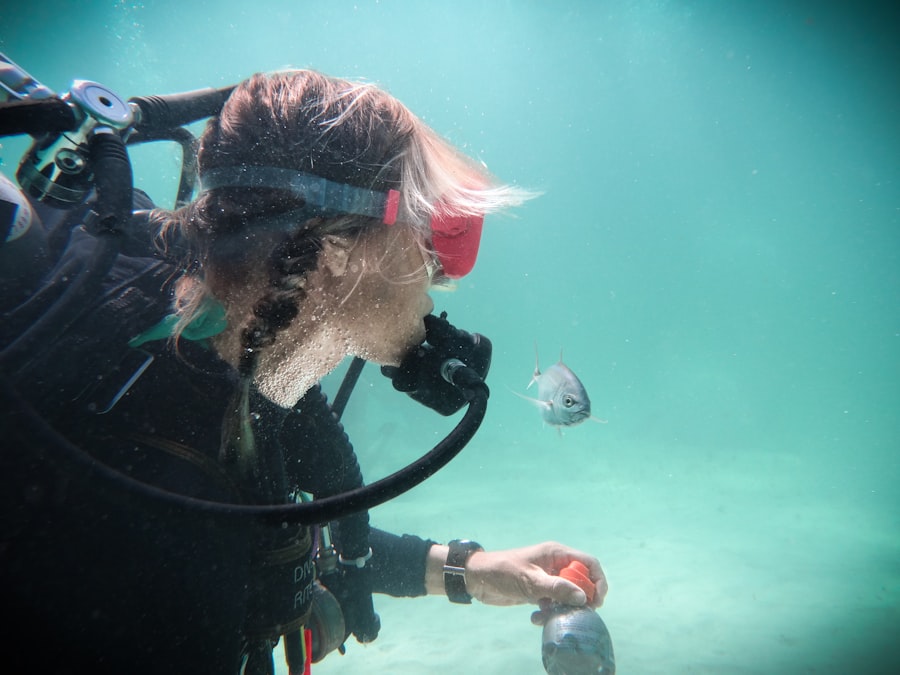
Ocean oxygen is not merely a byproduct of photosynthesis; it is a fundamental component that supports complex marine ecosystems. The presence of adequate dissolved oxygen allows for diverse habitats to flourish, from coral reefs teeming with life to deep-sea environments where unique species thrive. As you explore these ecosystems, you may come to appreciate how interconnected they are—each organism plays a role in maintaining balance within its environment.
Moreover, healthy oxygen levels contribute to nutrient cycling within marine ecosystems. For instance, certain bacteria rely on oxygen to break down organic matter, releasing nutrients back into the water column that support primary production. This cycle is essential for sustaining food webs and ensuring that energy flows through the ecosystem efficiently.
By understanding this intricate relationship between ocean oxygen and marine life, you can better appreciate the importance of preserving these environments.
Human Activities and Ocean Oxygen Depletion
Human activities have significantly contributed to the depletion of ocean oxygen levels, primarily through pollution and climate change. Agricultural practices that rely heavily on fertilizers often lead to nutrient runoff into rivers and eventually into the sea. This influx of nutrients can trigger algal blooms that deplete oxygen as they decay, creating dead zones where marine life cannot survive.
As you consider your own consumption habits, it becomes clear that individual choices can collectively impact ocean health. Additionally, industrial activities such as oil drilling and shipping contribute to pollution that further stresses marine ecosystems. The introduction of harmful substances into the water can disrupt the delicate balance necessary for maintaining healthy oxygen levels.
By advocating for sustainable practices and supporting policies aimed at reducing pollution, you can help mitigate these impacts on ocean oxygen.
Future Outlook for Ocean Oxygen Levels
The future outlook for ocean oxygen levels is concerning but not without hope. If current trends continue unchecked, scientists predict a significant decline in dissolved oxygen concentrations by 2100. However, there is still time to take action and implement strategies that could reverse this trend.
By prioritizing climate action and reducing nutrient pollution through better agricultural practices and wastewater management, you can contribute to a more sustainable future for our oceans. Moreover, increased awareness about the importance of ocean health is leading to more robust conservation efforts worldwide. International agreements aimed at reducing greenhouse gas emissions and protecting marine environments are gaining traction.
As you engage with these issues—whether through education, advocacy, or personal lifestyle changes—you become part of a larger movement striving to ensure that future generations inherit a healthy ocean rich in life-sustaining oxygen. In conclusion, understanding the importance of ocean oxygen is crucial for appreciating its role in sustaining life on Earth. By recognizing the factors affecting its levels, the impact of climate change, and the consequences of depletion, you can become an informed advocate for ocean health.
Through collective efforts to monitor and protect these vital resources, we can work towards a future where our oceans continue to thrive—providing not only for marine life but also for humanity as a whole.
If you’re interested in learning more about environmental conservation and the impact of human activities on our planet, you may want to check out this article on how to stop forest burning to save trees and animals. It provides valuable insights into the importance of preserving our forests and the wildlife that depends on them. Additionally, you can explore more articles on environmental issues and ways to make a positive impact on our planet by visiting this blog. Remember, every action we take can make a difference in protecting our environment for future generations.
FAQs
What is ocean oxygen?
Ocean oxygen refers to the dissolved oxygen present in the water column of the ocean. It is essential for the survival of marine organisms and plays a crucial role in various biogeochemical processes.
Why is ocean oxygen important?
Ocean oxygen is important for the survival of marine life, as it is necessary for respiration and other metabolic processes in aquatic organisms. It also plays a key role in regulating nutrient cycles and the overall health of marine ecosystems.
What factors can affect ocean oxygen levels?
Ocean oxygen levels can be affected by various factors, including temperature, salinity, and biological activity. Climate change and human activities, such as pollution and nutrient runoff, can also impact ocean oxygen levels.
What are the potential consequences of declining ocean oxygen levels?
Declining ocean oxygen levels can have serious consequences for marine life, leading to habitat loss, changes in species distribution, and increased susceptibility to diseases. It can also disrupt important biogeochemical processes, such as nutrient cycling.
How do scientists monitor ocean oxygen levels?
Scientists use a variety of methods to monitor ocean oxygen levels, including in situ measurements, remote sensing techniques, and oceanographic surveys. These methods help researchers track changes in ocean oxygen levels over time and across different regions.