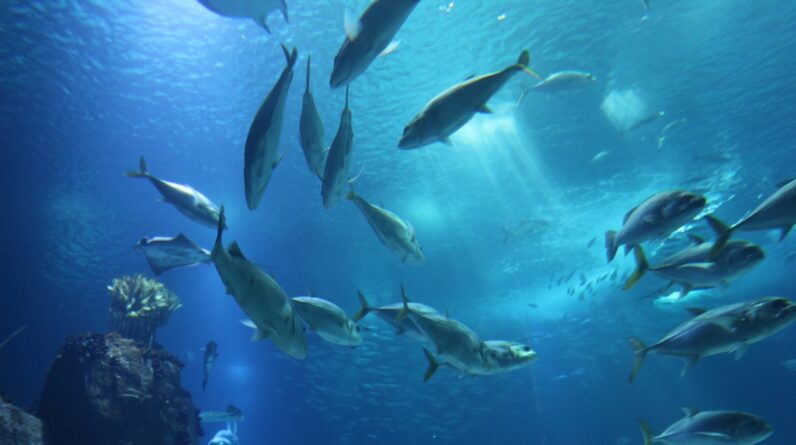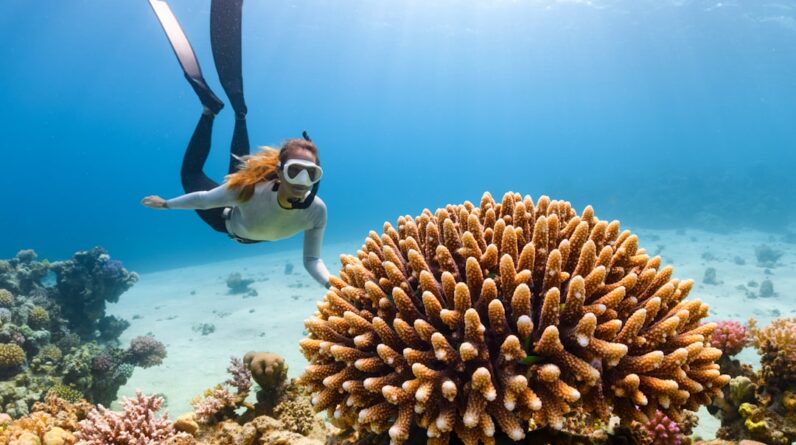
The ocean is often referred to as the lungs of our planet, a vital component in the intricate web of life that sustains us all. When you think about the vastness of the sea, it’s easy to overlook its role in regulating the Earth’s climate and providing essential resources. The ocean produces more than half of the oxygen you breathe, thanks to the countless phytoplankton and marine plants that thrive in its depths.
These microscopic organisms, while small, play a monumental role in photosynthesis, converting sunlight into energy and releasing oxygen as a byproduct. Without this natural process, life on Earth would be drastically different, and your very existence would be at risk. Moreover, the ocean’s breath extends beyond just oxygen production; it also plays a crucial role in carbon sequestration.
The ocean absorbs a significant amount of carbon dioxide from the atmosphere, helping to mitigate climate change. This natural process is essential for maintaining a balanced ecosystem and ensuring that temperatures remain within a livable range. As you consider the importance of the ocean, it becomes clear that its health directly impacts your own well-being and that of future generations.
Protecting this vital resource is not just an environmental issue; it is a matter of survival for all living beings on Earth.
Key Takeaways
- The ocean’s breath is crucial for regulating the Earth’s climate and providing oxygen for marine life and humans.
- Marine biologists study the ocean’s breath and work to understand and protect marine ecosystems.
- Threats to the ocean’s breath include pollution, overfishing, and climate change.
- Strategies for saving the ocean’s breath include sustainable fishing practices, reducing plastic pollution, and promoting marine conservation.
- Marine biologists are on a mission to educate the public, conduct research, and advocate for policies that protect the ocean’s breath.
The Work of a Marine Biologist
As you delve into the world of marine biology, you discover that it is a field rich with diversity and complexity. Marine biologists dedicate their lives to studying the myriad forms of life that inhabit the oceans, from the smallest plankton to the largest whales. Their work involves conducting research, collecting data, and analyzing ecosystems to understand how these organisms interact with one another and their environment.
You might find yourself captivated by the idea of exploring coral reefs, deep-sea trenches, or coastal wetlands, each teeming with unique species and ecological relationships. In addition to research, marine biologists often engage in conservation efforts aimed at protecting marine habitats and species. They collaborate with governments, non-profit organizations, and local communities to develop strategies that promote sustainable practices and mitigate human impact on the oceans.
This multifaceted role requires not only scientific expertise but also strong communication skills to convey complex information to diverse audiences. As you consider a career in marine biology, you realize that your passion for the ocean can translate into meaningful action that contributes to the preservation of this vital resource.
Threats to the Ocean’s Breath
Despite its immense importance, the ocean’s breath is under constant threat from various human activities. One of the most pressing issues is pollution, which comes in many forms—plastic waste, chemical runoff, and oil spills are just a few examples. As you learn about these threats, you may feel a sense of urgency to address them.
Plastic pollution, in particular, has reached alarming levels, with millions of tons entering the ocean each year. This not only harms marine life but also disrupts entire ecosystems and poses risks to human health through the food chain. Climate change is another significant threat to the ocean’s breath.
Rising temperatures lead to coral bleaching, ocean acidification, and altered marine habitats. As you reflect on these changes, it becomes evident that they have far-reaching consequences for biodiversity and the overall health of the planet. The delicate balance that sustains marine life is being disrupted, and as a result, species are facing extinction at an unprecedented rate.
Understanding these threats is crucial for anyone who wishes to advocate for the ocean’s health and work towards solutions that can reverse these damaging trends.
Strategies for Saving the Ocean’s Breath
To combat the myriad threats facing the ocean’s breath, a variety of strategies have been developed by scientists, conservationists, and policymakers alike. One effective approach is the establishment of marine protected areas (MPAs), which serve as safe havens for marine life. By restricting human activities in these zones, you can help preserve critical habitats and allow ecosystems to recover from overexploitation.
MPAs not only protect biodiversity but also enhance resilience against climate change by providing refuge for vulnerable species. Another strategy involves promoting sustainable fishing practices that minimize bycatch and reduce habitat destruction. As you explore this topic further, you may find yourself advocating for responsible seafood consumption and supporting fisheries that prioritize ecological balance.
Education plays a vital role in these efforts; raising awareness about the importance of sustainable practices can empower individuals and communities to make informed choices that benefit both the ocean and themselves. By implementing these strategies collectively, you can contribute to a healthier ocean and ensure its breath continues to sustain life on Earth.
The Mission of the Marine Biologist
The mission of a marine biologist extends far beyond mere observation; it encompasses a commitment to understanding and protecting marine ecosystems. As you consider this mission, you may feel inspired by the idea of being an advocate for change. Marine biologists strive to uncover the mysteries of the ocean while simultaneously addressing pressing environmental issues.
Their work often involves field studies, laboratory research, and collaboration with other scientists to gather data that informs conservation efforts. In addition to research, marine biologists play a crucial role in policy advocacy. They work tirelessly to influence legislation that protects marine environments and promotes sustainable practices.
This aspect of their mission requires not only scientific knowledge but also an understanding of social dynamics and effective communication strategies. As you envision yourself in this role, you recognize that your passion for marine life can translate into impactful actions that contribute to safeguarding the ocean’s breath for generations to come.
Collaborating with Others to Save the Ocean’s Breath
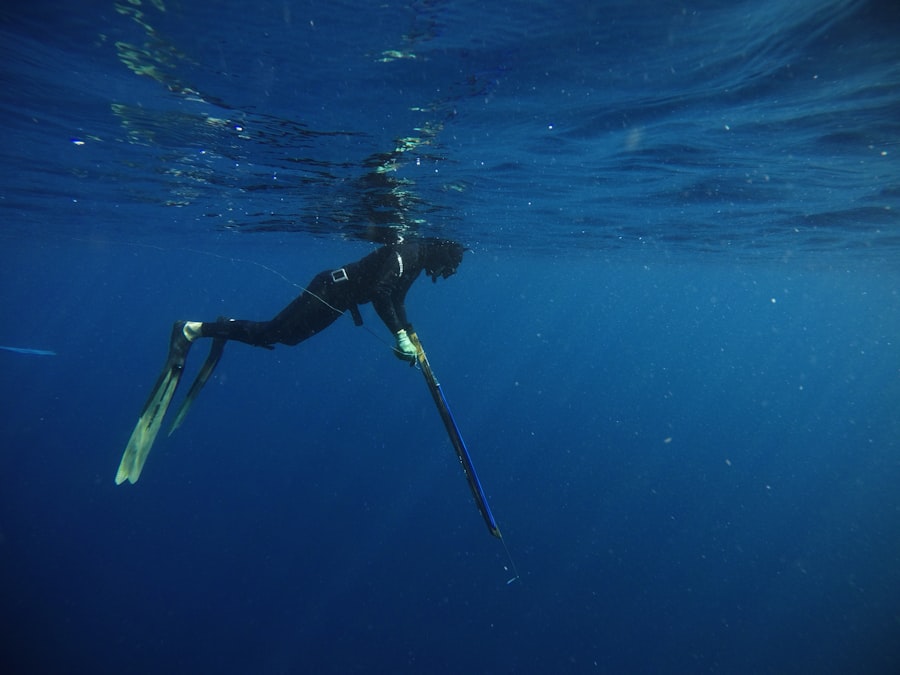
Collaboration is key in the fight to save the ocean’s breath; no single entity can tackle these challenges alone. Marine biologists often partner with governments, non-profit organizations, local communities, and even businesses to create comprehensive solutions that address environmental issues holistically. As you explore this collaborative landscape, you may find opportunities to engage with diverse stakeholders who share a common goal: protecting our oceans.
Community involvement is particularly vital in conservation efforts. Engaging local populations in sustainable practices fosters a sense of ownership over their natural resources and encourages stewardship of marine environments. You might participate in beach clean-ups or educational programs that empower individuals to take action in their own communities.
By working together with others who are equally passionate about preserving the ocean’s breath, you can amplify your impact and contribute to meaningful change.
Successes and Challenges in the Fight to Save the Ocean’s Breath
While there have been notable successes in marine conservation efforts, significant challenges remain on the horizon. You may find inspiration in stories of recovery—such as the resurgence of certain fish populations due to sustainable fishing practices or successful coral restoration projects that have revitalized damaged reefs. These victories demonstrate that positive change is possible when individuals and organizations unite for a common cause.
However, challenges persist as well. Climate change continues to pose an existential threat to marine ecosystems, with rising sea temperatures leading to widespread coral bleaching and habitat loss. Additionally, political will can fluctuate, making it difficult to maintain momentum for conservation initiatives.
As you reflect on these successes and challenges, it becomes clear that perseverance is essential in this ongoing battle for the ocean’s breath. Your commitment to advocacy and education can help bridge gaps and inspire others to join in this critical mission.
How You Can Help Save the Ocean’s Breath
You have a unique opportunity to make a difference in saving the ocean’s breath through your everyday actions. One of the most impactful steps you can take is reducing your plastic consumption. By opting for reusable bags, bottles, and containers, you can help minimize plastic waste that ends up in our oceans.
Additionally, supporting local initiatives focused on clean-up efforts or participating in community events can amplify your impact while fostering connections with like-minded individuals. Educating yourself and others about marine conservation is another powerful way to contribute. Share what you learn with friends and family; raise awareness about sustainable seafood choices or advocate for policies that protect marine environments.
Your voice matters—by speaking up for the ocean’s breath, you can inspire others to take action as well. Remember that every small effort counts; collectively, these actions can lead to significant change in preserving our planet’s vital resources for future generations. In conclusion, recognizing the importance of the ocean’s breath is essential for understanding our interconnectedness with nature.
As you explore careers like marine biology or engage in conservation efforts, remember that your actions can contribute significantly to protecting this invaluable resource. By collaborating with others and advocating for sustainable practices, you can play an active role in ensuring that future generations inherit a healthy ocean capable of sustaining life on Earth.
Meet the Marine Biologist on a Mission to Save the Ocean’s Breath highlights the crucial work being done to protect our oceans and combat climate change. For more information on how planting trees can also have a positive impact on the environment, check out How Does Planting Trees Help the Environment. This article discusses the various benefits of tree planting, including its role in mitigating climate change and preventing floods. It’s inspiring to see individuals like marine biologists and tree planters working together to protect our planet for future generations.
FAQs
What is the mission of the marine biologist in the article?
The marine biologist in the article is on a mission to save the ocean’s breath by addressing the issue of ocean deoxygenation.
What is ocean deoxygenation?
Ocean deoxygenation refers to the decline in the concentration of oxygen in the ocean, which can have detrimental effects on marine life and ecosystems.
Why is ocean deoxygenation a concern?
Ocean deoxygenation is a concern because it can lead to the loss of marine biodiversity, disrupt food chains, and negatively impact fisheries and other marine resources.
What are some of the causes of ocean deoxygenation?
Some of the causes of ocean deoxygenation include climate change, nutrient pollution from agricultural runoff, and the effects of human activities such as overfishing and coastal development.
What are some of the solutions proposed by the marine biologist?
The marine biologist in the article proposes solutions such as reducing carbon emissions to mitigate climate change, implementing sustainable fishing practices, and reducing nutrient pollution to address ocean deoxygenation.
How can individuals contribute to the mission of saving the ocean’s breath?
Individuals can contribute to the mission of saving the ocean’s breath by supporting sustainable seafood choices, reducing their carbon footprint, and advocating for policies that protect marine ecosystems.