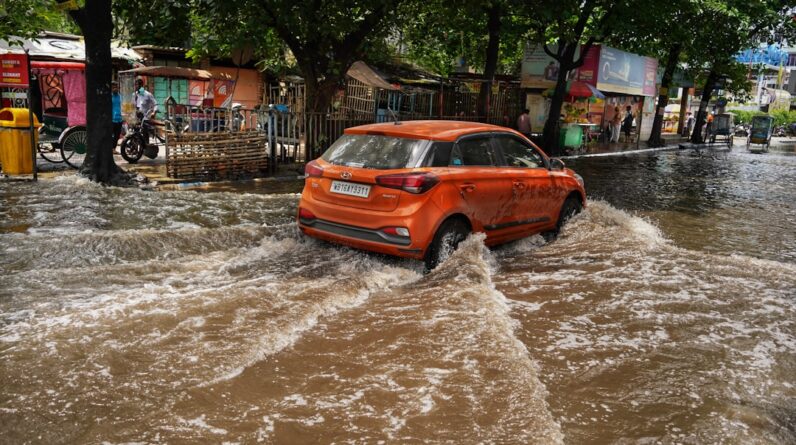
When you hear the term “100-year storm,” it may evoke images of catastrophic weather events that leave communities reeling in their aftermath. This term refers to a rainfall event that has a 1% chance of occurring in any given year, which translates to a significant amount of precipitation over a short period. While the name suggests that such storms occur only once every century, this is a misinterpretation.
In reality, the probability means that a 100-year storm can happen multiple times within a single decade, especially in areas where climate patterns are shifting. Understanding this concept is crucial for you as a resident of any community, as it shapes how you prepare for and respond to extreme weather events. The implications of a 100-year storm extend beyond mere statistics; they influence urban planning, infrastructure development, and emergency preparedness.
As you navigate your daily life, the reality of these storms looms large, affecting everything from insurance rates to property values. The increasing frequency and intensity of such storms necessitate a deeper understanding of their characteristics and the factors contributing to their occurrence. By grasping the concept of the 100-year storm, you can better appreciate the urgency of addressing climate change and its far-reaching effects on your environment and community.
Key Takeaways
- The 100-Year Storm is a term used to describe a storm that has a 1% chance of occurring in any given year.
- The concept of the 100-Year Storm has evolved over time due to advancements in meteorology and statistical analysis.
- Climate change is causing 100-Year Storms to occur more frequently, leading to increased environmental and infrastructure consequences.
- The increased frequency of 100-Year Storms is having significant social and economic impacts, including displacement and financial losses.
- Adaptation and mitigation strategies, as well as community preparedness and resilience, are crucial for dealing with the new normal of more frequent 100-Year Storms.
Historical Perspective: How the 100-Year Storm Has Evolved
Historically, the concept of the 100-year storm has undergone significant changes as our understanding of weather patterns has evolved. In the past, meteorologists relied on historical data to determine the likelihood of extreme weather events. This data was often limited to a few decades, leading to an underestimation of the frequency and severity of storms.
As you look back at historical records, you may notice that many regions have experienced storms that were once deemed rare, but are now becoming more commonplace. This shift highlights the need for updated models that take into account not just past events but also emerging trends in climate science. As you consider how the 100-year storm has evolved, it’s essential to recognize that urbanization and land use changes have also played a role.
As cities expand and natural landscapes are altered, the ability of the environment to absorb rainfall diminishes. This has led to increased runoff and flooding during heavy rain events, making what was once considered a 100-year storm feel more like an annual occurrence. The historical perspective on these storms reveals a complex interplay between natural phenomena and human activity, underscoring the importance of adapting our understanding and response strategies to meet contemporary challenges.
Climate Change Impact: Why 100-Year Storms are Occurring More Frequently
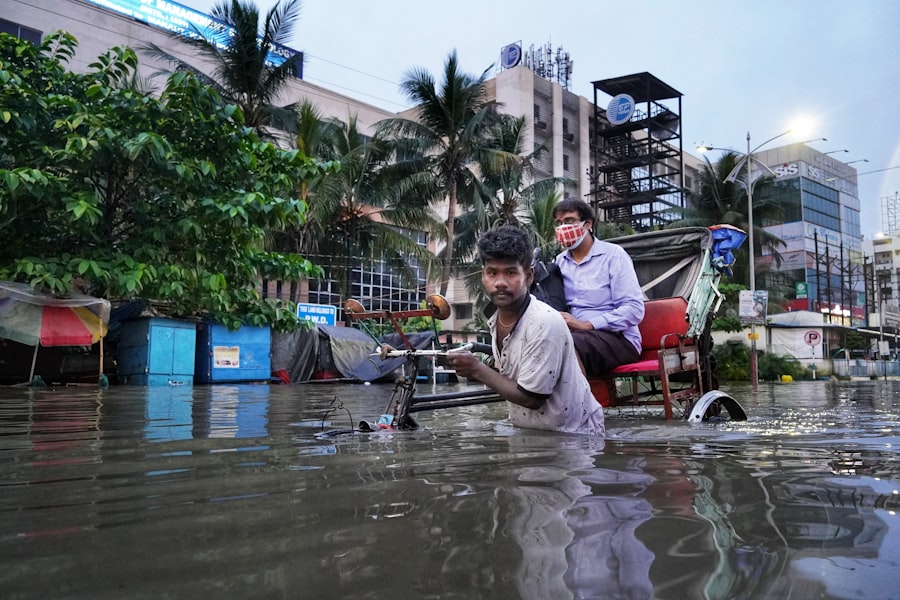
Climate change is a driving force behind the increasing frequency of 100-year storms. As global temperatures rise due to greenhouse gas emissions, the atmosphere can hold more moisture, leading to heavier rainfall during storm events. You may have noticed that storms in your area seem more intense than they were in previous years, and this is not merely anecdotal evidence; scientific studies support this observation.
The correlation between climate change and extreme weather events is becoming increasingly clear, prompting urgent calls for action from scientists and policymakers alike. Moreover, as you consider the implications of climate change on weather patterns, it’s important to recognize that different regions are affected in varying ways. Coastal areas may experience more intense hurricanes, while inland regions may face increased flooding from heavy rainfall.
This variability means that you must stay informed about how climate change specifically impacts your locality. Understanding these dynamics can empower you to advocate for necessary changes in policy and infrastructure that can mitigate the effects of more frequent 100-year storms.
Environmental and Infrastructure Consequences of More Frequent 100-Year Storms
The environmental consequences of more frequent 100-year storms are profound and multifaceted. Increased rainfall can lead to soil erosion, loss of vegetation, and degradation of natural habitats. As you witness these changes in your local ecosystem, you may notice shifts in wildlife populations or alterations in plant life that signal a broader environmental crisis.
Flooding can also contaminate water supplies with pollutants and debris, posing risks to both human health and local wildlife. The cascading effects of these storms can disrupt entire ecosystems, making it imperative for communities to take proactive measures to protect their natural resources. In addition to environmental impacts, infrastructure is often ill-equipped to handle the increased intensity of these storms.
Roads, bridges, and drainage systems designed with historical weather patterns in mind may fail under the pressure of unprecedented rainfall. You might find yourself navigating flooded streets or dealing with delayed emergency services due to overwhelmed infrastructure. The financial burden on municipalities can be staggering as they scramble to repair damage and upgrade systems to meet new challenges.
This reality underscores the need for forward-thinking urban planning that incorporates climate resilience into infrastructure development.
Social and Economic Impacts of Increased 100-Year Storm Frequency
The social implications of more frequent 100-year storms are significant and far-reaching. Communities often face displacement as homes become uninhabitable due to flooding or damage. You may find that your neighbors are forced to relocate or that local businesses struggle to recover from repeated storm impacts.
The emotional toll on individuals and families can be profound, leading to increased stress and mental health challenges as people grapple with uncertainty about their future. The social fabric of communities can fray under such pressures, making it essential for local leaders to prioritize support systems for those affected. Economically, the costs associated with increased storm frequency can be staggering.
Insurance premiums may rise as companies adjust their risk assessments based on changing weather patterns. You might notice that your own insurance rates have increased or that coverage options have become more limited due to heightened risk factors. Additionally, local economies can suffer as businesses close or reduce operations in the wake of repeated storm damage.
The cumulative effect can hinder economic growth and exacerbate existing inequalities within communities, making it crucial for policymakers to address these challenges through equitable solutions.
Adaptation and Mitigation Strategies for Dealing with More Frequent 100-Year Storms
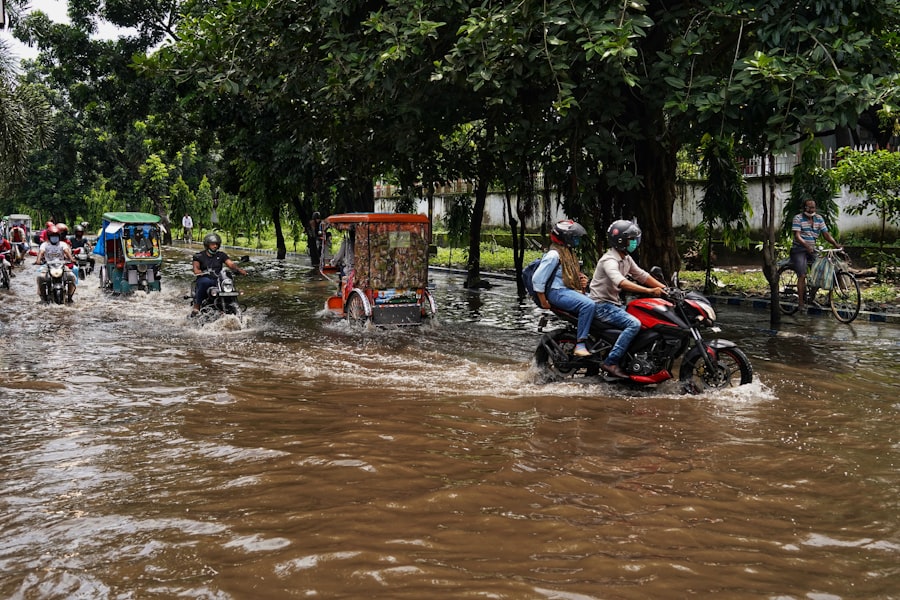
As you contemplate how to address the challenges posed by more frequent 100-year storms, adaptation and mitigation strategies become essential tools in your community’s arsenal. Adaptation involves making changes to infrastructure and practices that allow you and your neighbors to better withstand extreme weather events. This could include investing in green infrastructure such as permeable pavements or rain gardens that absorb excess water rather than allowing it to flood streets.
By embracing innovative solutions like these, your community can enhance its resilience against future storms. Mitigation strategies focus on reducing the underlying causes of climate change itself. You might consider advocating for policies that promote renewable energy sources or support energy efficiency initiatives within your community.
By reducing greenhouse gas emissions at a local level, you contribute to global efforts aimed at curbing climate change and its associated impacts on weather patterns. Engaging in community discussions about sustainability practices can empower you and your neighbors to take collective action toward a more resilient future.
Community Preparedness and Resilience in the Face of More Frequent 100-Year Storms
Community preparedness is vital when facing the reality of more frequent 100-year storms. As an individual, you play a crucial role in fostering resilience within your neighborhood by participating in local emergency planning efforts. This could involve joining community groups focused on disaster preparedness or attending workshops that teach essential skills such as first aid or emergency response techniques.
By equipping yourself with knowledge and resources, you not only enhance your own safety but also contribute to a culture of preparedness among your peers. Building resilience also requires collaboration among various stakeholders within your community—local governments, businesses, non-profits, and residents must work together to create comprehensive emergency plans that address potential storm impacts. You might find opportunities to engage with local leaders in discussions about infrastructure improvements or resource allocation for disaster response efforts.
By actively participating in these conversations, you help shape policies that prioritize community safety and well-being in the face of increasing storm frequency.
Navigating the New Normal of More Frequent 100-Year Storms
As you reflect on the growing prevalence of 100-year storms, it becomes clear that navigating this new normal requires collective action and individual responsibility. The challenges posed by climate change demand innovative solutions at every level—from local communities to global initiatives aimed at reducing emissions. By understanding the implications of these storms on your environment, economy, and social fabric, you can better prepare yourself and your community for future challenges.
Ultimately, embracing resilience means recognizing that while we cannot control the weather, we can control how we respond to it. By advocating for sustainable practices, participating in community preparedness efforts, and supporting policies aimed at mitigating climate change impacts, you contribute to a brighter future for yourself and generations to come. The journey ahead may be fraught with challenges, but together we can navigate this evolving landscape with determination and hope.
In response to the increasing frequency of extreme weather events like the 100-Year Storm That Comes Every 5 Years Now, many are turning to solutions like massive tree planting to combat global warming. According to an article on Live Life with a Cause, reforestation plays a crucial role in mitigating climate change by absorbing carbon dioxide and providing habitat for wildlife. However, it is important to consider the potential drawbacks of planting trees, as discussed in another article on the same site. It is clear that reforestation can be a powerful tool in the fight against global warming, but it is essential to approach it thoughtfully and consider all aspects of its impact on the environment.
FAQs
What is the 100-year storm?
The 100-year storm refers to a weather event that has a 1% chance of occurring in any given year. It is a term used to describe a particularly severe and rare storm event.
Why is the 100-year storm occurring more frequently now?
The 100-year storm is occurring more frequently due to climate change, which is leading to more extreme weather events. This increase in frequency means that a storm previously considered a 100-year event may now occur more often, even as frequently as every 5 years.
What are the impacts of the 100-year storm occurring more frequently?
The increased frequency of the 100-year storm has significant impacts on infrastructure, property, and human safety. It can lead to more frequent flooding, erosion, and damage to buildings and roads, as well as posing risks to human lives.
How are communities and governments responding to the increased frequency of the 100-year storm?
Communities and governments are responding to the increased frequency of the 100-year storm by implementing measures to improve infrastructure resilience, such as building stronger levees and flood barriers, updating building codes, and developing better emergency response plans. Additionally, there is a growing focus on mitigating climate change to reduce the frequency and severity of extreme weather events.