Have you ever stopped to think about the trees we pass by every day? These silent giants play a crucial role in the well-being of our planet, yet they are disappearing at an alarming rate. In this article, we’ll uncover the hidden impact of deforestation on global warming and why it’s an issue worth your attention.
What is Deforestation?
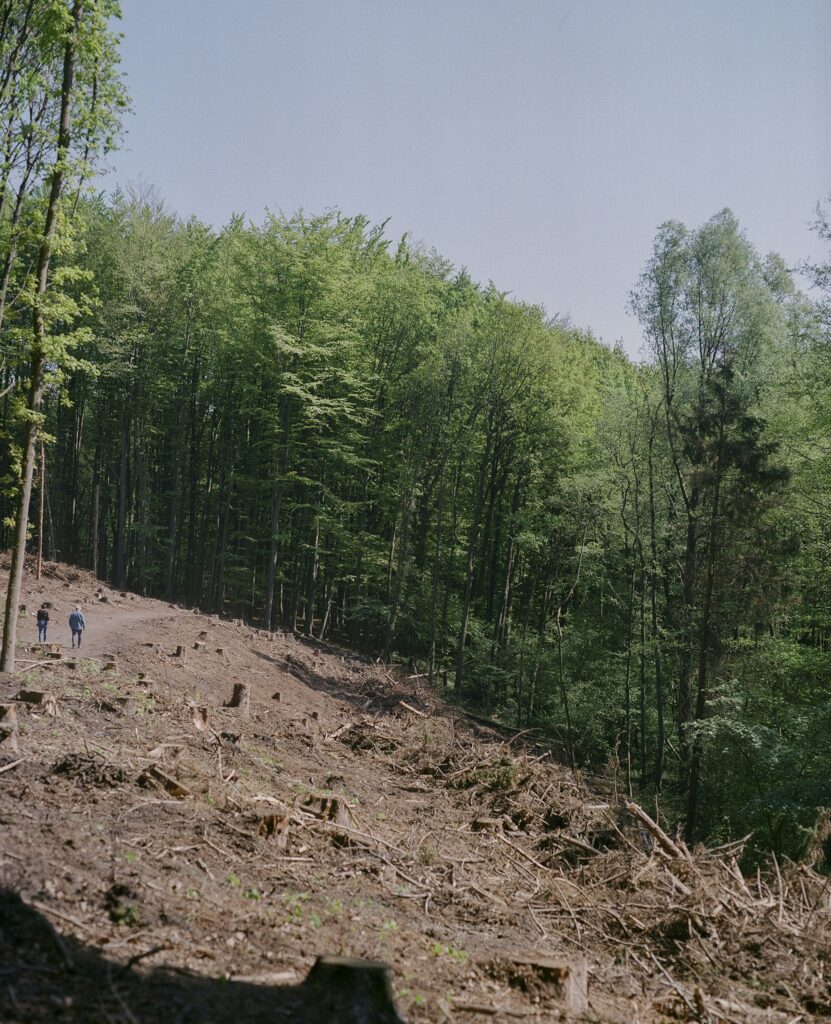
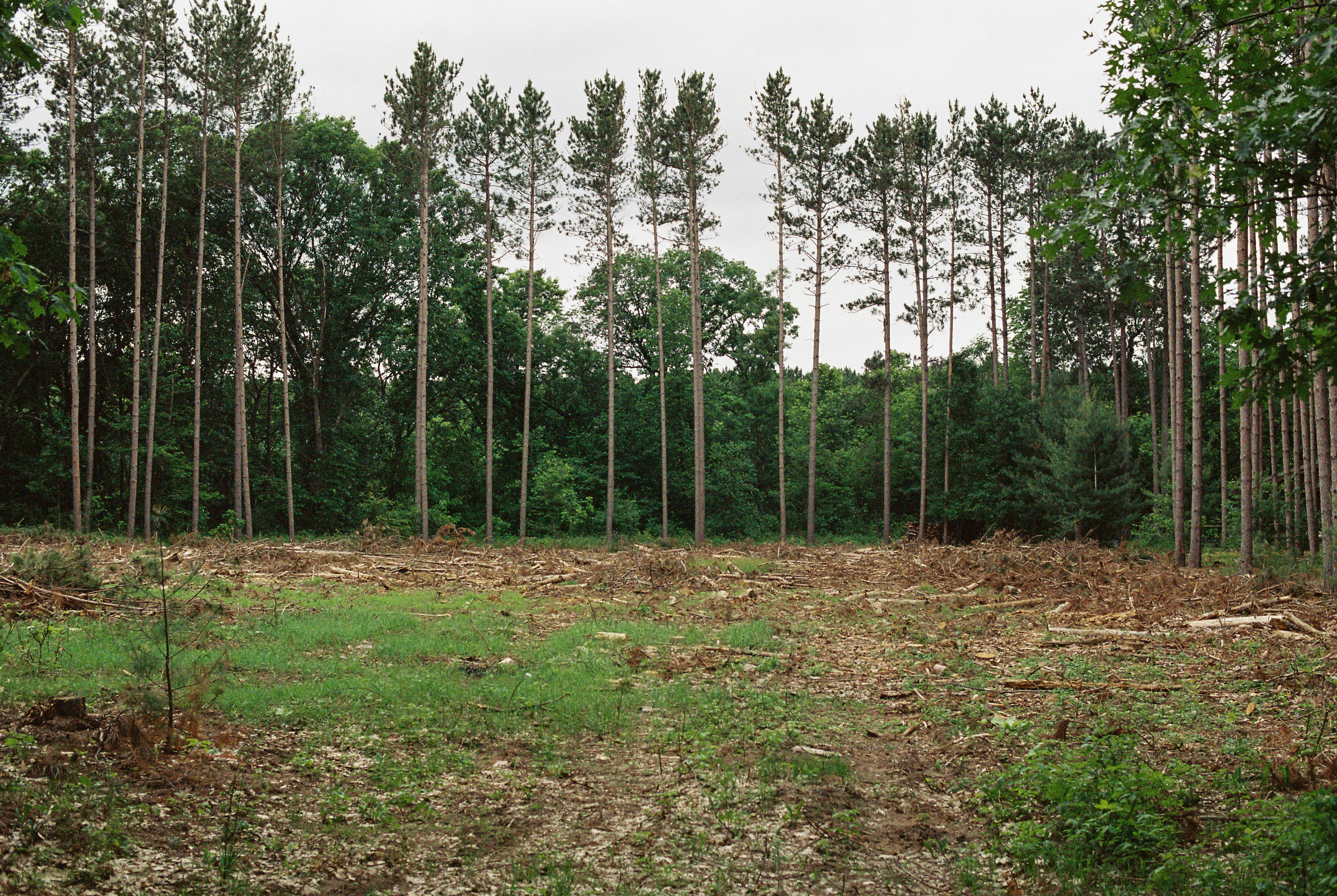
Deforestation refers to the large-scale removal of forested areas, often to make way for agriculture, logging, or urban development. When forests are cut down, the complex and delicate ecosystems they support are often destroyed, leading to a cascade of environmental repercussions.
Causes of Deforestation
-
Agricultural Expansion
Many forests are cleared to create farmland for crops like soy, palm oil, and various cereals. Livestock ranching is another significant driver in this category. -
Logging
Whether it’s for timber, paper products, or construction materials, logging contributes significantly to deforestation. -
Infrastructure Development
Urban expansion, road building, and other types of infrastructure development require vast amounts of land, leading to deforestation. -
Burning for Land Clearance
Slash-and-burn agriculture involves cutting down trees and burning the land to prepare it for planting. Unfortunately, this method not only destroys forests but also releases a significant amount of carbon dioxide.
Global Effects of Deforestation
-
Loss of Biodiversity
Forests are home to nearly 80% of the world’s terrestrial animals and plants. The destruction of these habitats leads to species extinction at an alarming rate. -
Soil Degradation
Without the tree root systems to anchor the soil, erosion can become a severe problem, leading to the degradation of land and making it less fertile.
Deforestation and Carbon Emissions
One of the lesser-known yet critical aspects of deforestation is its impact on carbon emissions and global warming.
Forests: The Carbon Sinks
Forests act as carbon sinks, absorbing carbon dioxide (CO2) from the atmosphere and helping to mitigate the effects of global warming. When forests are destroyed, not only do we lose these vital carbon sinks, but the stored carbon is released back into the atmosphere.
The Carbon Cycle Disrupted
-
CO2 Release
When trees are cut or burned, the carbon stored in them is released back into the atmosphere as CO2, contributing to the greenhouse effect. -
Reduced Carbon Absorption
With fewer trees, there is less CO2 absorption, meaning more carbon remains in the atmosphere, further accelerating global warming.
Carbon Emissions from Deforestation
| Activity | Estimated Carbon Emissions (Gigatonnes) |
|---|---|
| Deforestation | 5-10 GT per year |
| Fossil Fuels | 33 GT per year |
Even though fossil fuels are a more significant source of carbon emissions, the impact of deforestation is substantial and often overlooked.
The Role of Deforestation in Global Warming
Amplifying the Greenhouse Effect
The greenhouse effect is a natural process where certain gases in the Earth’s atmosphere trap heat, keeping the planet warm enough to sustain life. However, human activities have significantly amplified this effect, leading to global warming.
-
Increased CO2 Levels
With deforestation contributing to higher CO2 levels, the greenhouse effect is exacerbated. -
Temperature Rise
The enhanced greenhouse effect leads to elevated global temperatures, resulting in a myriad of environmental issues like melting ice caps, rising sea levels, and extreme weather events.
The Feedback Loop
Deforestation also sets off feedback loops that can further intensify global warming.
-
Loss of Reflective Surface
Trees and forests reflect some of the sun’s radiation back into space. When these are removed, the Earth’s surface absorbs more heat, further increasing global temperatures. -
Permafrost Thawing
Higher temperatures can cause permafrost to thaw, releasing stored methane—a potent greenhouse gas—besides additional CO2.
Solutions and Mitigation Strategies
While deforestation poses a severe threat to our planet, several strategies can help mitigate its impact.
Reforestation and Afforestation
-
Reforestation
This involves replanting trees in areas where forests have been cut down. Aim to use native species to restore local ecosystems. -
Afforestation
Planting trees in barren areas where there were none before can also create new forests, contributing to carbon absorption and ecosystem diversity.
Sustainable Agriculture
By adopting sustainable agricultural practices, we can reduce the need to clear additional forested lands.
-
Agroforestry
Combining agriculture and forestry by planting trees alongside crops can improve land use efficiency and sustainability. -
Crop Rotation and Diversity
Utilizing crop rotation and diversity can enhance soil health, making farmland more productive and reducing the pressure to expand into forested areas.
Policy and Legislation
Governments can play a significant role in combating deforestation through policy and legislation.
-
Protected Areas
Creating more protected areas where deforestation is strictly prohibited ensures the preservation of forests and their ecosystems. -
Enforcing Regulations
Strict enforcement of logging laws and implementation of more severe penalties for illegal deforestation activities can act as a deterrent.
Economic Incentives
Providing economic incentives can encourage individuals and companies to engage in conservation practices.
-
Carbon Credits
Programs like carbon credits can offer financial benefits for reducing carbon emissions through reforestation or maintaining existing forests. -
Sustainable Certification
Certifications for sustainability can encourage consumers to purchase products that do not contribute to deforestation, thus driving companies towards more responsible practices.
The Role of Technology
Innovations in technology can also contribute significantly to combating deforestation.
Satellite Monitoring
Advanced satellite imagery can help monitor deforestation in real-time, providing valuable data for conservation efforts.
-
Detection
Accurate and timely detection of deforestation activities can assist in immediate response and intervention. -
Data Analysis
Analyzing satellite data helps identify trends and hotspots for deforestation, informing better policy and planning.
Genetic Engineering
Though controversial, genetic engineering can play a role in improving forest resilience.
-
Resistant Species
Creating tree species resistant to diseases and pests can enhance forest health and reduce loss. -
Faster Growth
Genetically engineered trees that grow faster can make reforestation efforts more effective.
The Social Impact of Deforestation
Deforestation doesn’t just affect the environment; it has profound social implications as well.
Indigenous Communities
Forests are home to many indigenous communities who depend on them for their livelihoods and cultural practices.
-
Displacement
Deforestation can result in the displacement of these communities, forcing them to relocate and adapt to new environments. -
Loss of Culture
The destruction of forests often leads to the loss of cultural heritage and traditions that are closely linked to the land.
Economic Impact
While deforestation can provide short-term economic benefits, the long-term consequences can be detrimental.
-
Resource Depletion
Over time, deforestation leads to the depletion of natural resources, making industries like logging and farming unsustainable. -
Tourism Decline
Forests and natural landscapes attract tourists. Their degradation can lead to a decline in tourism revenue, affecting local economies.
Health Implications
The loss of forests can have direct and indirect health impacts on human populations.
-
Air Quality
Trees play a significant role in purifying air by absorbing pollutants. Deforestation can lead to poorer air quality and respiratory issues. -
Water Quality
Forests act as natural water filters. Their removal can lead to increased runoff and sedimentation in water bodies, affecting water quality.
Action Steps You Can Take
Individual actions can collectively make a substantial difference in combating deforestation.
Reduce, Reuse, Recycle
-
Reduce
Cutting down on consumption, especially of products linked to deforestation (like beef and palm oil), can help reduce the demand for forestland. -
Reuse
Extending the life of goods by reusing items can lessen the need for raw materials, indirectly reducing deforestation. -
Recycle
Proper recycling practices ensure that fewer trees are cut down for paper and packaging products.
Support Sustainable Brands
Choosing to buy from brands committed to sustainable practices can drive market demand for responsibly sourced products.
Raise Awareness
Spreading the word about the dangers of deforestation can mobilize more people to take action.
-
Social Media
Utilize platforms like Twitter, Instagram, and Facebook to share information and encourage others to join the cause. -
Community Engagement
Participate in local conservation events or start discussions within your community about the importance of forests.
Conclusion
Deforestation is an unsung villain in the narrative of global warming, often overshadowed by more talked-about issues like fossil fuels. However, its impact on carbon emissions, biodiversity loss, and social implications make it a critical issue that demands attention. By understanding the causes and effects of deforestation, implementing effective mitigation strategies, and taking individual actions, you can contribute to the preservation of our planet’s forests and the fight against global warming.