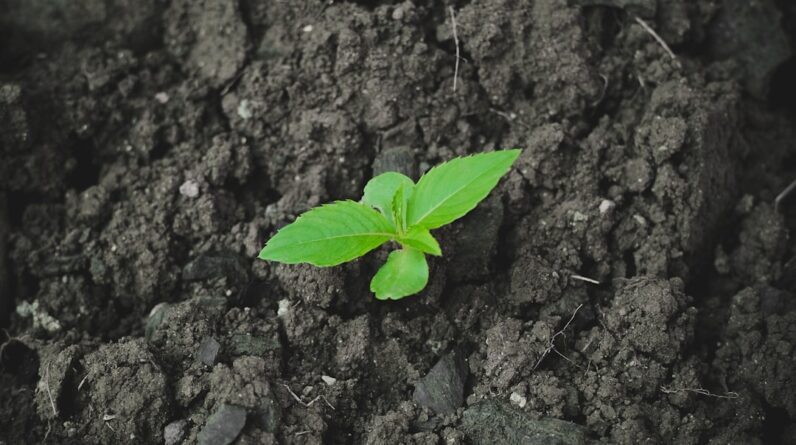
Reforestation plays a crucial role in preserving and enhancing biodiversity across the globe. As you may know, forests are home to approximately 80% of the terrestrial species of animals, plants, and fungi. When you consider the staggering number of species that rely on forest ecosystems, it becomes clear that reforestation is not merely an environmental initiative; it is a vital strategy for maintaining the delicate balance of life on Earth.
By restoring forests, you are not only providing habitats for countless species but also ensuring the survival of those that are endangered or threatened due to habitat loss. Moreover, reforestation contributes to the resilience of ecosystems. When you engage in reforestation efforts, you help create a more diverse genetic pool among plant and animal species.
This genetic diversity is essential for the adaptability of species to changing environmental conditions, such as climate change or disease outbreaks. By planting a variety of native trees and plants, you are fostering a robust ecosystem that can withstand various challenges. In this way, reforestation serves as a cornerstone for biodiversity conservation, allowing ecosystems to thrive and evolve over time.
Key Takeaways
- Reforestation is crucial for preserving biodiversity and restoring ecosystems.
- Understory plants play a vital role in reforestation by providing habitat and food for wildlife.
- Reforestation has a positive impact on soil health, helping to prevent erosion and improve water retention.
- Shrubs and bushes contribute to reforestation efforts by providing shelter for animals and preventing soil erosion.
- Wildflowers are important in reforestation projects as they attract pollinators and contribute to overall ecosystem health.
The Role of Understory Plants in Reforestation
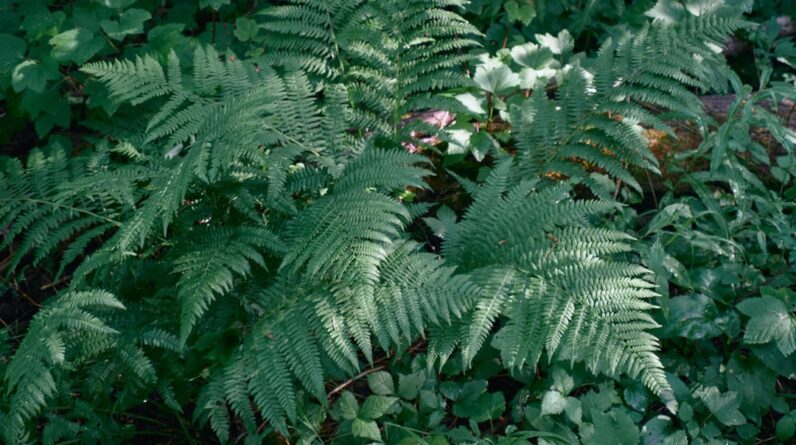
Understory plants are often overlooked in discussions about reforestation, yet they play an indispensable role in the overall health and success of forest ecosystems. These plants, which grow beneath the canopy of taller trees, contribute significantly to the biodiversity of a forest. When you consider that understory plants can include a variety of shrubs, ferns, and herbaceous plants, it becomes evident that they provide essential habitats for numerous species, including insects, birds, and small mammals.
By incorporating understory plants into your reforestation projects, you are enhancing the complexity and richness of the ecosystem. Additionally, understory plants help to stabilize soil and prevent erosion. Their root systems bind the soil together, reducing runoff and promoting water retention.
When you plant these species during reforestation efforts, you are not only improving soil health but also creating a more sustainable environment for other plants and animals. Furthermore, understory plants can contribute to nutrient cycling by breaking down organic matter and returning essential nutrients to the soil. This process is vital for maintaining soil fertility and supporting the growth of new trees and plants in your reforestation area.
The Impact of Reforestation on Soil Health

Soil health is a critical component of successful reforestation efforts, and it is often influenced by the types of plants you choose to introduce into an area. When you engage in reforestation, you have the opportunity to improve soil structure, fertility, and overall health. Trees and other vegetation play a significant role in this process by contributing organic matter through leaf litter and root systems.
As these materials decompose, they enrich the soil with nutrients that are essential for plant growth. By prioritizing reforestation, you are actively working to restore and enhance soil health. Moreover, healthy soil supports a diverse array of microorganisms that are crucial for nutrient cycling and plant growth.
When you plant trees and other vegetation during reforestation efforts, you create an environment where beneficial bacteria and fungi can thrive. These microorganisms form symbiotic relationships with plant roots, helping them absorb water and nutrients more efficiently. As a result, your reforestation projects can lead to improved soil health over time, creating a self-sustaining ecosystem that supports both plant and animal life.
The Contribution of Shrubs and Bushes to Reforestation Efforts
Shrubs and bushes are often underestimated in their contribution to reforestation efforts, yet they serve multiple essential functions within an ecosystem. When you incorporate these plants into your reforestation projects, you provide additional layers of habitat for wildlife. Many birds and small mammals rely on shrubs for shelter and food sources.
By planting a diverse array of shrubs, you can create a more complex habitat that supports various species and enhances overall biodiversity. In addition to providing habitat, shrubs play a vital role in stabilizing soil and preventing erosion. Their root systems help bind the soil together, reducing the risk of landslides or degradation in areas prone to heavy rainfall or wind.
When you focus on including shrubs in your reforestation efforts, you are not only improving the ecological integrity of the area but also contributing to its long-term sustainability. Furthermore, shrubs can act as natural barriers against invasive species by outcompeting them for resources, thereby promoting the growth of native flora.
The Role of Wildflowers in Reforestation Projects
Wildflowers are often seen as mere decorative elements in landscapes; however, their role in reforestation projects is far more significant than that. When you introduce wildflowers into your reforestation efforts, you enhance the aesthetic appeal of the area while also providing critical resources for pollinators such as bees and butterflies. These insects play an essential role in pollinating many plants, including those that produce fruits and seeds vital for wildlife survival.
By planting wildflowers, you create a vibrant ecosystem that supports both flora and fauna. Additionally, wildflowers contribute to soil health by attracting beneficial insects that aid in pest control and nutrient cycling. Their deep root systems can help break up compacted soil layers, allowing water and nutrients to penetrate more effectively.
When you include wildflowers in your reforestation projects, you are not only beautifying the landscape but also fostering a healthier environment for all living organisms. This multifaceted approach to reforestation can lead to more resilient ecosystems capable of adapting to changing conditions.
The Importance of Fungi and Mycorrhizal Networks in Reforestation

Fungi play an often-underappreciated yet vital role in reforestation efforts through their involvement in mycorrhizal networks. These networks form symbiotic relationships between fungi and plant roots, facilitating nutrient exchange that benefits both parties. When you engage in reforestation, understanding the importance of these networks can significantly enhance your efforts.
Mycorrhizal fungi help trees absorb water and essential nutrients from the soil while receiving carbohydrates produced by the trees through photosynthesis. Moreover, mycorrhizal networks can connect different plant species within an ecosystem, allowing them to share resources and communicate with one another. This interconnectedness fosters resilience among plant communities by enabling them to adapt to environmental changes more effectively.
By promoting healthy mycorrhizal networks during your reforestation projects, you are creating a supportive environment where trees and other plants can thrive together.
The Benefits of Reintroducing Native Grasses in Reforestation Areas
Reintroducing native grasses into reforestation areas is another critical aspect that should not be overlooked. Native grasses provide numerous ecological benefits that contribute to the overall success of reforestation efforts. When you plant these grasses, you help stabilize soil with their extensive root systems, which can prevent erosion and improve water retention.
This is particularly important in areas where soil degradation has occurred due to deforestation or other human activities. Furthermore, native grasses serve as essential habitats for various wildlife species. They provide food sources for herbivores while also offering shelter for small mammals and ground-nesting birds.
By incorporating native grasses into your reforestation projects, you create a more diverse habitat that supports a wide range of species. This diversity not only enhances the ecological integrity of the area but also contributes to its resilience against invasive species and environmental changes.
The Role of Mosses and Lichens in Reforestation and Ecosystem Restoration
Mosses and lichens may seem like minor players in the grand scheme of reforestation; however, their contributions are invaluable to ecosystem restoration efforts. These organisms are often among the first to colonize disturbed areas, paving the way for other plants to establish themselves. When you include mosses and lichens in your reforestation projects, you help create a foundation for future growth by improving soil quality and moisture retention.
Additionally, mosses play a crucial role in carbon sequestration by capturing carbon dioxide from the atmosphere as they grow. This process helps mitigate climate change while also enhancing soil health through organic matter accumulation. Lichens contribute similarly by breaking down rocks into soil through their growth processes.
By recognizing the importance of mosses and lichens in your reforestation efforts, you can foster a more holistic approach to ecosystem restoration that benefits both flora and fauna alike. In conclusion, reforestation is an essential endeavor that encompasses various elements working together to restore ecosystems and promote biodiversity. From understory plants to fungi networks, each component plays a unique role in creating resilient environments capable of thriving amidst challenges.
By understanding these interconnected relationships and incorporating diverse plant species into your reforestation projects, you can contribute significantly to restoring our planet’s health for future generations.
In a related article titled How Does Planting Trees Help the Environment?, the importance of reforestation is further explored. The article discusses how planting trees can help combat climate change, improve air quality, and provide habitat for wildlife. It highlights the various environmental benefits that come from reforestation efforts, emphasizing the crucial role that trees play in maintaining a healthy ecosystem. This article complements the message of The Forgotten Flora by underscoring the significance of planting trees for the well-being of our planet.
FAQs
What is reforestation?
Reforestation is the process of restoring and replanting forests that have been depleted or destroyed, with the goal of improving the environment and ecosystem.
Why is reforestation important?
Reforestation is important for several reasons, including combating climate change, preserving biodiversity, preventing soil erosion, and providing habitats for wildlife.
Is reforestation only about planting trees?
No, reforestation is not just about planting trees. It also involves restoring the entire ecosystem, including the often overlooked flora such as shrubs, grasses, and other plant species.
What role do forgotten flora play in reforestation?
Forgotten flora, such as shrubs and grasses, play a crucial role in reforestation by providing habitat for wildlife, preventing soil erosion, and contributing to the overall health and diversity of the ecosystem.
How can we support reforestation efforts?
Supporting reforestation efforts can be done by volunteering with organizations that focus on reforestation, donating to reforestation projects, and advocating for sustainable land use and conservation policies.