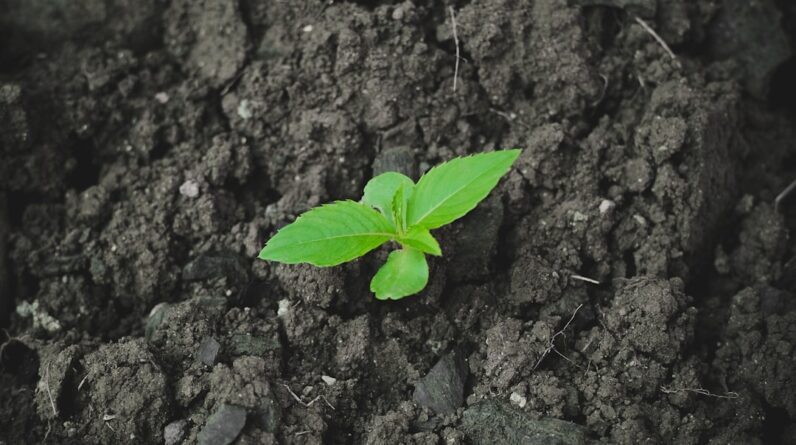
Have you ever wondered how a single action, like planting a tree, can make a significant difference for our planet? It’s simple yet profound.
Understanding the Importance of Trees
Trees are more than just tall, leafy giants. They play a crucial role in maintaining the balance of our ecosystems. Their benefits extend far beyond providing shade on a hot day.
Environmental Benefits
Trees are natural air purifiers. They absorb carbon dioxide and release oxygen, which is essential for human survival. One mature tree can produce enough oxygen for up to four people, making them vital for maintaining air quality.
Furthermore, trees help to mitigate climate change by storing carbon. Through the process of photosynthesis, trees absorb atmospheric CO2, a major greenhouse gas, and incorporate it into their biomass. As a result, forests act as significant carbon sinks, combating global warming.
Ecological Benefits
Trees provide habitats and food for wildlife. Birds, insects, and various mammals rely on trees for shelter and sustenance. By planting trees, you’re helping to preserve biodiversity, which is critical for a healthy and balanced ecosystem.
Moreover, trees prevent soil erosion. Their roots anchor the soil, reducing the risk of landslides and flooding. This is particularly important in tropical regions and areas prone to weather extremes.
Social and Economic Benefits
Trees also offer numerous social and economic advantages. Urban green spaces with trees create a more aesthetically pleasing and healthier living environment. Research has shown that exposure to green spaces can reduce stress and improve mental health.
Economically, trees can increase property values and decrease energy costs. For instance, strategically planted trees can provide shade in the summer and act as windbreaks in the winter, leading to reduced heating and cooling expenses.
The Impact of Deforestation
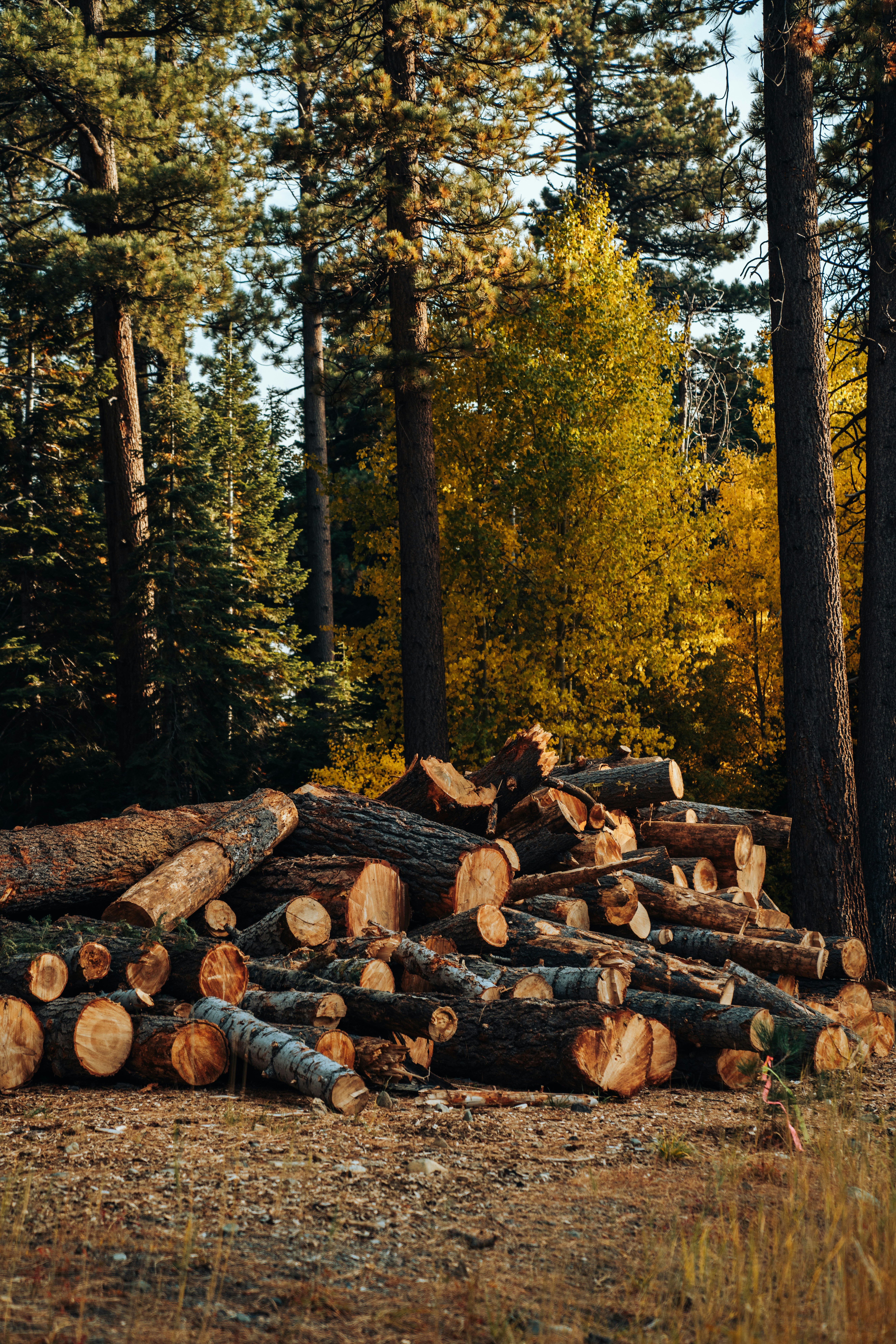
While the benefits of trees are clear, deforestation poses a significant threat to these advantages. When forests are cleared—for agricultural expansion, urban development, or logging—the consequences are far-reaching.
Environmental Consequences
Deforestation results in the release of stored carbon dioxide back into the atmosphere, contributing to greenhouse gas emissions and climate change. It also disrupts the water cycle, leading to altered precipitation patterns and increased susceptibility to droughts.
Loss of Biodiversity
Forests are home to an estimated 80% of the world’s terrestrial biodiversity. When these habitats are destroyed, countless species face extinction. The loss of biodiversity can have cascading effects on ecosystems, reducing their resilience and functionality.
Social and Economic Consequences
Indigenous communities and local populations often depend on forests for their livelihoods. Deforestation can displace these communities, leading to loss of cultural heritage and economic hardship. Additionally, the degradation of forest resources can result in fewer opportunities for sustainable economic development.

How Planting Trees Can Make a Difference
Planting trees is a powerful and practical solution to combat the negative impacts of deforestation. By understanding the process and benefits of tree planting, you can contribute to a greener, healthier planet.
Carbon Sequestration
One of the most significant benefits of planting trees is carbon sequestration. When trees grow, they capture and store carbon dioxide from the atmosphere. As they mature, the amount of carbon sequestered increases. Thus, reforestation and afforestation (planting trees where there were none before) are effective strategies for reducing atmospheric CO2 levels.
Restoration of Ecosystems
Tree planting helps restore degraded ecosystems. By reintroducing native species, you can rebuild habitats for wildlife, improve soil health, and enhance water quality. This leads to greater biodiversity and a more resilient environment.
Enhancing Community Well-being
Planting trees can also improve community well-being. Green spaces in urban areas provide recreational opportunities, enhance mental health, and foster social cohesion. In rural areas, agroforestry (integrating trees into agricultural systems) can improve crop yields, provide shade, and enhance soil fertility, benefiting local farmers.
Selecting the Right Trees for Planting
Choosing the appropriate tree species for planting is essential for maximizing the benefits and ensuring the long-term success of your efforts. Various factors should be considered, including climate, soil type, and intended purpose.
Native Species
Opting for native tree species is generally the best approach. Native trees are adapted to local environmental conditions, making them more resilient and better able to support local wildlife. Additionally, they typically require less maintenance and resources than non-native species.
Climate and Soil Compatibility
Different tree species have specific requirements regarding climate and soil type. Select species that are suited to your local conditions to increase their chances of survival and growth. For example, some trees thrive in wet, nutrient-rich soils, while others are more drought-tolerant.
Intended Purpose
Consider the primary goal of your tree-planting project. Are you aiming to create a windbreak, provide shade, restore a degraded habitat, or enhance biodiversity? Different tree species serve different purposes, so choose those that align with your objectives.
| Intended Purpose | Suitable Tree Species (Examples) |
|---|---|
| Windbreak | Eastern Red Cedar, Norway Spruce |
| Shade | Oak, Maple |
| Habitat Restoration | Willow, Birch |
| Biodiversity Enhancement | Hawthorn, Elderberry |
Best Practices for Tree Planting
Proper planting techniques are crucial to ensure the health and longevity of your trees. Here are some best practices to follow.
Site Preparation
Before planting, prepare the site by removing weeds, grass, and debris. This helps reduce competition for resources and provides a better environment for your tree to establish itself.
Planting Technique
- Dig the Hole: The hole should be two to three times the width of the root ball and just as deep. This allows the roots to spread out and establish more easily.
- Position the Tree: Place the tree in the hole, making sure the root collar (where the roots meet the trunk) is level with or slightly above the soil surface.
- Backfill: Fill the hole with soil, gently tamping it down to eliminate air pockets. Be careful not to compact the soil too much, as this can hinder root growth.
- Watering: Water the tree thoroughly after planting to help settle the soil and provide moisture for the roots.
Mulching and Maintenance
Apply a layer of mulch around the base of the tree, extending to the drip line (the outer edge of the canopy). Mulch helps retain soil moisture, regulate temperature, and suppress weeds.
Keep the mulch away from the trunk to prevent rot and pest issues. Regularly water and monitor your tree, especially during the first few years, to ensure it establishes well. Prune damaged or diseased branches as needed to promote healthy growth.
The Role of Community and Organizations in Tree Planting
Tree planting is most effective when it’s a collective effort. By engaging with your community and supporting organizations dedicated to reforestation, you can amplify your impact.
Community Involvement
Community tree planting events not only increase green spaces but also foster a sense of community and environmental stewardship. Participate in local tree planting initiatives or organize your own. Schools, neighborhood groups, and local governments often offer opportunities to get involved.
Environmental Organizations
Several organizations are dedicated to tree planting and forest conservation. By supporting these groups, either through donations or volunteer work, you can contribute to large-scale reforestation efforts.
| Organization | Focus Area |
|---|---|
| The Arbor Day Foundation | Tree Planting & Education |
| Trees for the Future | Sustainable Farming |
| The Nature Conservancy | Global Reforestation Projects |
| One Tree Planted | Reforestation Worldwide |
The Future of Tree Planting and Technological Innovations
Innovations in technology and environmental science are enhancing tree planting efforts and forest conservation.
Drones and Aerial Reforestation
Drones equipped with seed pods are being used to plant trees in hard-to-reach areas. This method, known as aerial reforestation, allows for rapid and large-scale tree planting, making reforestation efforts more efficient.
Genetic Research and Biotechnology
Advancements in genetic research and biotechnology are helping scientists develop tree species that are more resilient to diseases, pests, and climate change. These improved species can enhance reforestation success rates and ensure the health of future forests.
Monitoring and Data Analytics
Utilizing satellite imagery, remote sensing technology, and data analytics enables better monitoring and management of forests. These tools help track the health and growth of trees, assess the effectiveness of reforestation efforts, and identify areas in need of intervention.
Challenges and Considerations in Tree Planting
While tree planting offers numerous benefits, it’s important to recognize and address the challenges and considerations involved to ensure successful and sustainable outcomes.
Ensuring Biodiversity
Planting a diverse range of tree species is essential to avoid monocultures, which can be more susceptible to diseases and pests. A biodiverse forest is more resilient and better supports wildlife.
Long-term Commitment
Trees require long-term care and maintenance. Ensure that planting initiatives are accompanied by plans for ongoing monitoring, watering, and maintenance to guarantee the survival and growth of the trees.
Avoiding Invasive Species
Be cautious not to introduce invasive species that can outcompete native vegetation and disrupt local ecosystems. Stick to native or well-researched, non-native species that are known to integrate well without causing harm.

Your Role in Planting for the Planet
As an individual, you have the power to make a difference. Planting trees, supporting reforestation projects, and advocating for forest conservation can collectively create a positive impact on the environment.
Plant a Tree
Consider planting a tree in your yard, community, or participate in local tree-planting events. Not only will you contribute to a healthier planet, but you’ll also experience the personal satisfaction of nurturing a living thing.
Support Reforestation Projects
Donate to or volunteer with organizations dedicated to reforestation. Your support can help fund large-scale tree planting efforts and protect existing forests.
Educate and Advocate
Spread awareness about the importance of trees and the benefits of reforestation. Advocate for policies that protect forests and promote sustainable land use practices.
Conclusion
Planting trees is a simple yet powerful way to contribute to the well-being of our planet. From absorbing carbon dioxide and providing habitats for wildlife to enhancing mental health and offering economic benefits, trees are essential to a sustainable and healthy environment.
By understanding the importance of trees, being mindful of the challenges, and actively participating in tree-planting initiatives, you can play a vital role in saving the Earth. So why not take the first step today and plant for the planet? Your actions, no matter how small, can make a world of difference.