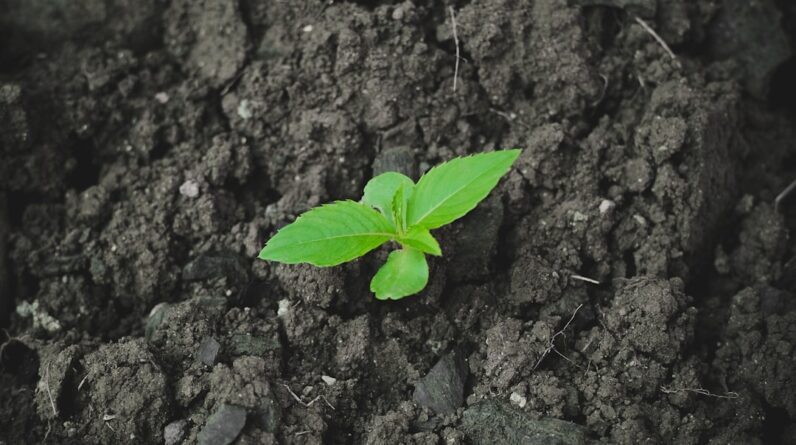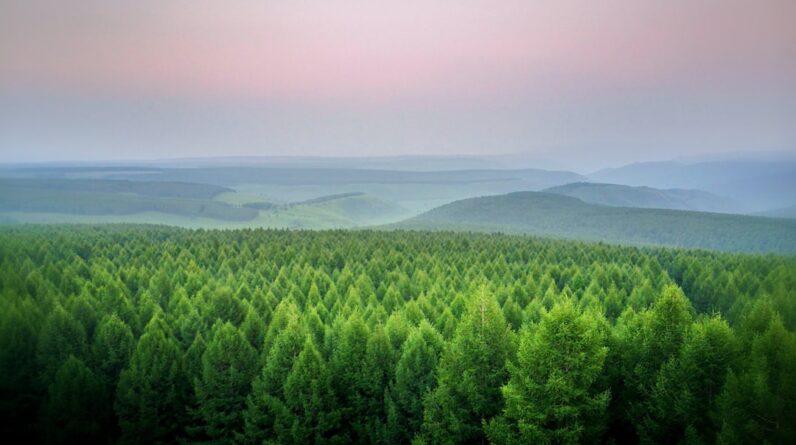
Reforestation plays a pivotal role in the global fight against climate change. As you may know, deforestation has led to significant increases in carbon emissions, contributing to the warming of our planet. By replanting trees in areas that have been stripped of their forest cover, you can help restore the balance of carbon dioxide in the atmosphere.
This process not only sequesters carbon but also enhances the resilience of ecosystems, making them better equipped to withstand the impacts of climate change. The act of reforesting is not merely about planting trees; it is about revitalizing entire ecosystems and ensuring a sustainable future for generations to come. Moreover, reforestation serves as a natural solution to some of the most pressing environmental issues we face today.
It can mitigate soil erosion, improve water quality, and enhance biodiversity. When you engage in reforestation efforts, you are not just contributing to climate change mitigation; you are also fostering healthier ecosystems that support a wide array of plant and animal life. The importance of reforestation cannot be overstated, as it represents a multifaceted approach to addressing environmental degradation while simultaneously promoting social and economic benefits.
Key Takeaways
- Reforestation plays a crucial role in combatting climate change by absorbing carbon dioxide and reducing greenhouse gases.
- Trees are essential in absorbing carbon dioxide and reducing greenhouse gases, making reforestation a key solution in addressing climate change.
- Reforestation not only helps in restoring ecosystems and biodiversity but also contributes to the social and economic well-being of communities.
- Successful reforestation projects can bring social and economic benefits to communities, including job creation and improved local environments.
- Challenges in implementing successful reforestation efforts include land availability, funding, and ensuring long-term sustainability, but innovations and technologies are helping to overcome these obstacles.
How Trees Absorb Carbon Dioxide and Reduce Greenhouse Gases
Trees are remarkable organisms that play a crucial role in regulating the Earth’s atmosphere. Through the process of photosynthesis, they absorb carbon dioxide (CO2) from the air and convert it into oxygen, which is essential for life. As you might appreciate, this natural process is vital for reducing greenhouse gases that contribute to global warming.
A single mature tree can absorb approximately 48 pounds of CO2 annually, making them powerful allies in the battle against climate change. When you consider the vast number of trees that can be planted through reforestation efforts, the potential impact on atmospheric CO2 levels becomes staggering. In addition to absorbing CO2, trees also help to cool the environment through transpiration, where they release water vapor into the air.
This cooling effect can mitigate urban heat islands and reduce energy consumption for air conditioning in cities. By participating in reforestation initiatives, you are not only helping to sequester carbon but also contributing to local climate regulation. The dual benefits of carbon absorption and temperature moderation highlight the essential role trees play in maintaining ecological balance and combating climate change.
The Role of Reforestation in Restoring Ecosystems and Biodiversity
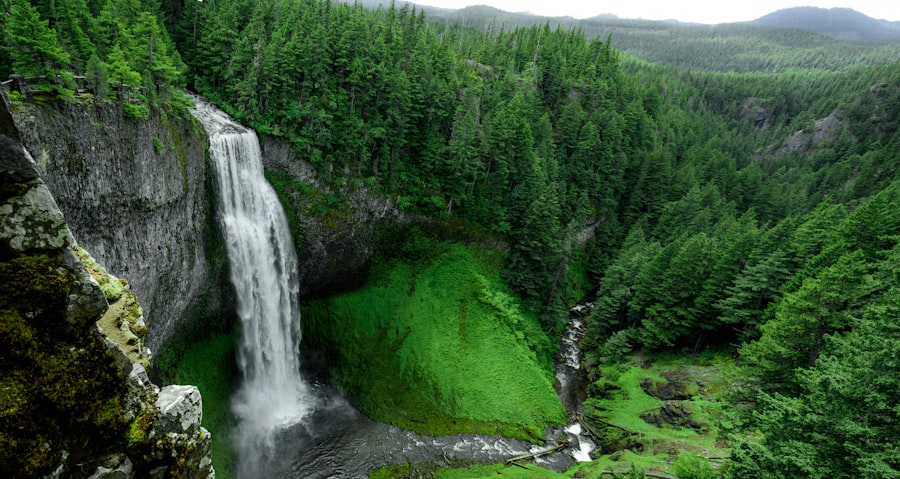
Reforestation is instrumental in restoring ecosystems that have been degraded by human activity or natural disasters. When you plant trees in deforested areas, you create habitats for countless species that rely on forests for survival. This restoration process is vital for maintaining biodiversity, which is essential for ecosystem resilience.
Diverse ecosystems are better equipped to adapt to changes and recover from disturbances, making them more sustainable in the long run. By engaging in reforestation efforts, you contribute to the revival of these ecosystems and help protect the myriad species that inhabit them. Furthermore, reforestation can enhance soil health and water quality, creating a more balanced environment for both flora and fauna.
Trees improve soil structure by preventing erosion and promoting nutrient cycling, which benefits agricultural practices as well. When you support reforestation projects, you are not only aiding in the recovery of wildlife habitats but also fostering healthier landscapes that can sustain human communities. The interconnectedness of ecosystems means that your efforts in reforestation can have far-reaching effects on both nature and society.
The Social and Economic Benefits of Reforestation Projects
Reforestation projects offer a wealth of social and economic benefits that extend beyond environmental restoration. When you participate in or support these initiatives, you contribute to job creation in local communities. From planting trees to maintaining forests, these projects often require labor, providing employment opportunities for individuals who may otherwise struggle to find work.
This economic boost can lead to improved livelihoods and greater community resilience, particularly in rural areas where alternative employment options may be limited. Additionally, reforestation can enhance local economies through ecotourism and sustainable forestry practices. As forests are restored, they become attractive destinations for tourists seeking natural beauty and outdoor experiences.
This influx of visitors can generate revenue for local businesses and promote conservation awareness among tourists. By investing in reforestation efforts, you are not only helping to combat climate change but also fostering economic growth and social well-being within communities.
Challenges and Obstacles in Implementing Successful Reforestation Efforts
Despite the numerous benefits of reforestation, several challenges can hinder successful implementation. One significant obstacle is securing funding for projects, as many initiatives rely on financial support from governments or non-profit organizations. Without adequate resources, it can be difficult to carry out large-scale reforestation efforts or maintain existing forests.
As someone interested in contributing to these initiatives, understanding the financial landscape is crucial for advocating for more investment in reforestation. Another challenge lies in selecting appropriate tree species for specific environments. Planting non-native or unsuitable species can lead to ecological imbalances and may even harm existing ecosystems.
It is essential to conduct thorough research and engage local communities when planning reforestation projects to ensure that the right species are chosen for the right locations. By being aware of these challenges, you can better support effective reforestation efforts that prioritize ecological integrity and community involvement.
Innovations and Technologies in Reforestation Practices
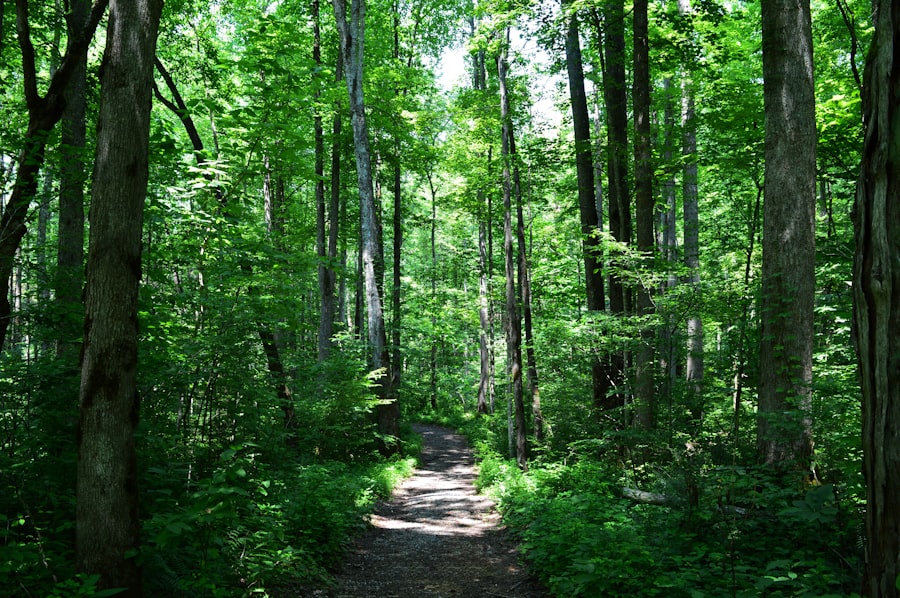
The field of reforestation is evolving rapidly with advancements in technology and innovative practices. One exciting development is the use of drones for tree planting. These unmanned aerial vehicles can cover large areas quickly and efficiently, allowing for the planting of thousands of seeds in a fraction of the time it would take traditional methods.
This technology not only speeds up the reforestation process but also enables access to remote or difficult-to-reach areas where manual planting may be impractical. Additionally, advancements in genetic research are paving the way for more resilient tree species that can withstand changing climate conditions. By selecting or engineering trees that are better suited to survive droughts or pests, you can enhance the success rates of reforestation projects.
These innovations represent a promising future for reforestation efforts, making it easier than ever for individuals like you to contribute meaningfully to environmental restoration.
The Global Impact of Reforestation on Climate Change Mitigation
On a global scale, reforestation has the potential to significantly mitigate climate change effects. According to various studies, restoring forests could sequester billions of tons of carbon dioxide from the atmosphere over the coming decades. This collective effort can play a crucial role in meeting international climate targets set by agreements such as the Paris Accord.
When you engage in or support reforestation initiatives, you become part of a larger movement aimed at reducing global warming and its associated impacts. Moreover, reforestation contributes to achieving multiple Sustainable Development Goals (SDGs) established by the United Nations. These goals encompass not only climate action but also poverty alleviation, sustainable land use, and biodiversity conservation.
By participating in reforestation efforts, you are helping to address interconnected global challenges while promoting a healthier planet for all its inhabitants.
How Individuals Can Contribute to Reforestation Efforts in their Communities
As an individual, there are numerous ways you can contribute to reforestation efforts within your community. One effective approach is to volunteer with local organizations focused on tree planting and forest restoration. Many non-profits host events where community members can come together to plant trees and learn about the importance of forests.
By participating in these activities, you not only help restore local ecosystems but also foster a sense of community and shared purpose. Additionally, consider advocating for policies that support reforestation at local and national levels. Engaging with policymakers and raising awareness about the importance of trees can lead to increased funding and resources for reforestation projects.
You can also promote sustainable practices within your own life by reducing paper consumption, supporting sustainable forestry products, or even starting your own tree-planting initiative with friends or family. In conclusion, reforestation is a vital component in combatting climate change while restoring ecosystems and enhancing social well-being. By understanding its importance and actively participating in local efforts, you can make a meaningful impact on both your community and the planet as a whole.
Your involvement can inspire others to join this critical movement toward a more sustainable future.
If you’re interested in learning more about how planting trees helps combat climate change, you may want to check out this article on how planting trees helps climate change. It delves deeper into the various ways in which reforestation can positively impact the environment and reduce carbon emissions. Additionally, you may also find this article on preventing floods by massive tree planting to be informative, as it discusses how planting trees can help mitigate the effects of flooding and erosion.
FAQs
What is reforestation?
Reforestation is the process of planting trees in areas where forests have been depleted or destroyed, with the goal of restoring the ecological balance and increasing the forest cover.
How does reforestation fight climate change?
Reforestation fights climate change by absorbing carbon dioxide from the atmosphere through the process of photosynthesis. Trees store carbon in their biomass, which helps to reduce the concentration of greenhouse gases in the atmosphere.
What are the other benefits of reforestation?
Reforestation provides numerous benefits, including restoring biodiversity, preventing soil erosion, improving water quality, and providing habitat for wildlife. It also offers economic opportunities for local communities through sustainable forestry practices.
How does reforestation contribute to sustainable development?
Reforestation contributes to sustainable development by promoting environmental conservation, creating green jobs, and supporting the livelihoods of local communities. It also helps to mitigate the impacts of climate change and protect natural resources for future generations.
What are some reforestation initiatives around the world?
There are various reforestation initiatives around the world, including government-led programs, non-profit organizations, and private sector partnerships. These initiatives focus on planting trees in deforested areas, restoring degraded landscapes, and promoting sustainable forest management practices.