


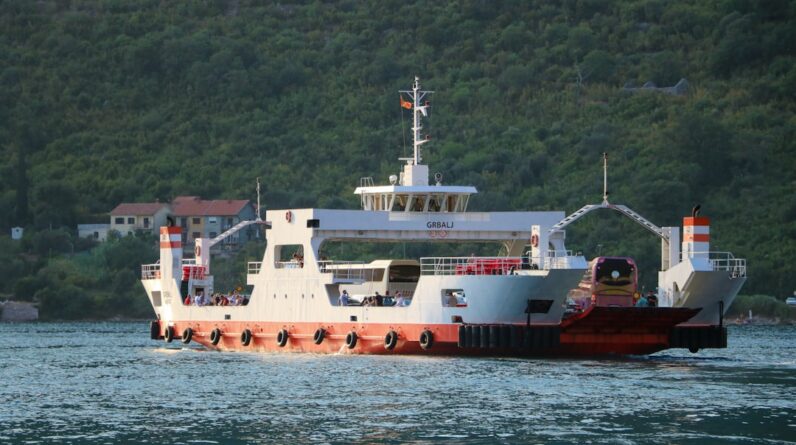
As you navigate the complexities of modern trade and transportation, the concept of sustainable shipping emerges as a critical focal point. The maritime industry, responsible for moving over 80% of global trade by volume, faces increasing scrutiny regarding its environmental impact. Sustainable shipping encompasses practices that minimize ecological footprints while ensuring economic viability.
This approach not only addresses the pressing need for environmental stewardship but also aligns with the growing demand for corporate responsibility in a world increasingly aware of climate change and ecological degradation. In this context, sustainable shipping is not merely a trend; it is an imperative. The industry must adapt to new regulations, consumer expectations, and technological advancements that promote sustainability.
As you delve deeper into this topic, you will discover how sustainable shipping practices can protect vital ocean ecosystems, particularly the oxygen levels that are essential for marine life and, by extension, human survival. Understanding the interconnectedness of shipping and ocean health is crucial for fostering a more sustainable future.
Key Takeaways
- Sustainable shipping is crucial for protecting the environment and ensuring the health of our oceans.
- Ocean oxygen protection is essential for marine life and the overall health of the ocean ecosystem.
- Shipping activities, such as emissions and ballast water discharge, can significantly impact ocean oxygen levels.
- The maritime industry is adopting sustainable practices, such as using cleaner fuels and implementing energy-efficient technologies.
- Technological innovations, such as wind-assisted propulsion and hull design improvements, are helping to make shipping more sustainable.
The Importance of Ocean Oxygen Protection
Oceans are often referred to as the lungs of our planet, producing over half of the oxygen we breathe. This vital function is primarily carried out by phytoplankton, microscopic organisms that thrive in the sunlit surface waters of the ocean. As you consider the importance of ocean oxygen protection, it becomes clear that maintaining healthy marine ecosystems is essential not only for marine biodiversity but also for human health and well-being.
The delicate balance of oceanic life forms a complex web that supports everything from fish populations to climate regulation. The degradation of ocean health poses a significant threat to oxygen production. Factors such as pollution, overfishing, and climate change disrupt these ecosystems, leading to a decline in phytoplankton populations.
As you reflect on this issue, it is evident that protecting ocean oxygen levels is not just an environmental concern; it is a matter of global survival. The implications extend beyond marine life, affecting air quality, weather patterns, and even food security. Thus, safeguarding ocean oxygen becomes a shared responsibility that requires collective action from various sectors, including shipping.
The Impact of Shipping on Ocean Oxygen Levels

As you explore the relationship between shipping and ocean health, it becomes apparent that maritime activities significantly impact ocean oxygen levels. The shipping industry contributes to pollution through emissions of greenhouse gases and other harmful substances. These pollutants can lead to ocean acidification, which adversely affects marine life and disrupts the delicate balance necessary for phytoplankton growth.
Additionally, the introduction of invasive species through ballast water can further threaten local ecosystems, diminishing their ability to produce oxygen. Moreover, the physical disturbances caused by shipping activities—such as dredging and anchoring—can damage seabeds and disrupt habitats essential for marine organisms. As you consider these factors, it is crucial to recognize that the consequences of shipping extend far beyond immediate environmental impacts; they reverberate through entire ecosystems and ultimately affect human populations reliant on healthy oceans.
Understanding this connection underscores the urgency for sustainable practices within the maritime industry to mitigate these adverse effects.
Sustainable Practices in the Maritime Industry
In response to the pressing need for environmental stewardship, the maritime industry is increasingly adopting sustainable practices aimed at reducing its ecological footprint. As you examine these initiatives, you will find that they encompass a wide range of strategies designed to enhance efficiency and minimize waste. For instance, many shipping companies are investing in cleaner fuels and energy-efficient vessels that reduce greenhouse gas emissions.
By transitioning to alternative energy sources such as liquefied natural gas (LNG) or even hydrogen fuel cells, the industry can significantly lower its carbon footprint. Additionally, implementing waste management systems onboard ships is becoming standard practice. These systems ensure that waste is properly treated and disposed of, preventing harmful substances from entering the ocean.
As you consider these advancements, it is clear that sustainable practices not only benefit the environment but also enhance operational efficiency and reduce costs in the long run. By prioritizing sustainability, shipping companies can position themselves as leaders in an increasingly eco-conscious market.
Technological Innovations for Sustainable Shipping
Technological innovation plays a pivotal role in advancing sustainable shipping practices. As you explore this realm, you will encounter a variety of cutting-edge solutions designed to enhance efficiency and reduce environmental impact. One notable development is the use of digital technologies such as big data analytics and artificial intelligence (AI) to optimize shipping routes and improve fuel efficiency.
By analyzing vast amounts of data related to weather patterns, sea conditions, and vessel performance, companies can make informed decisions that minimize fuel consumption and emissions. Moreover, advancements in vessel design are contributing to sustainability efforts within the industry. Innovations such as wind-assisted propulsion systems and hull modifications are being explored to harness natural forces for propulsion, further reducing reliance on fossil fuels.
As you reflect on these technological advancements, it becomes evident that embracing innovation is essential for achieving long-term sustainability goals in shipping. The integration of technology not only enhances operational efficiency but also fosters a culture of continuous improvement within the maritime sector.
Collaboration and Regulation in the Maritime Industry

Collaboration among stakeholders is vital for driving sustainable practices within the maritime industry. As you consider this aspect, it becomes clear that achieving meaningful change requires cooperation between shipping companies, governments, non-governmental organizations (NGOs), and international bodies. Regulatory frameworks play a crucial role in establishing standards and guidelines that promote sustainability while ensuring fair competition within the industry.
Initiatives such as the International Maritime Organization’s (IMO) greenhouse gas strategy aim to reduce emissions from shipping by setting ambitious targets for member states. Furthermore, partnerships between private companies and research institutions can facilitate knowledge sharing and innovation in sustainable practices. As you explore these collaborative efforts, you will find that they foster a sense of shared responsibility among stakeholders while driving progress toward common sustainability goals.
By working together, the maritime industry can create a more resilient future that prioritizes both economic growth and environmental protection.
The Role of Education and Awareness in Sustainable Shipping
Education and awareness are fundamental components in promoting sustainable shipping practices. As you delve into this topic, you will recognize that fostering a culture of sustainability within the maritime industry begins with informed stakeholders. Training programs for crew members on environmental best practices can significantly reduce waste and emissions during operations.
Additionally, raising awareness among consumers about the environmental impact of their choices can drive demand for more sustainable shipping options. Moreover, educational initiatives targeting policymakers can help shape regulations that support sustainable practices within the industry. By equipping decision-makers with knowledge about the importance of ocean health and sustainable shipping, you contribute to creating an environment conducive to positive change.
As you reflect on these efforts, it becomes evident that education serves as a powerful tool for empowering individuals and organizations alike to take action toward a more sustainable future.
The Future of Sustainable Shipping and Ocean Oxygen Protection
As you contemplate the future of sustainable shipping and its role in protecting ocean oxygen levels, it becomes clear that significant challenges lie ahead. However, there is also immense potential for positive change through innovation, collaboration, and education. The maritime industry stands at a crossroads where embracing sustainability can lead to not only environmental benefits but also economic opportunities in an increasingly eco-conscious world.
By prioritizing sustainable practices and investing in technological advancements, you can contribute to a future where shipping operates harmoniously with nature rather than against it. The protection of ocean oxygen levels is not just an environmental issue; it is a matter of global survival that requires collective action from all sectors involved in maritime activities. As you move forward in your understanding of sustainable shipping, remember that every effort counts toward creating a healthier planet for generations to come.
In addition to sustainable shipping, another crucial aspect of environmental protection is preventing floods through massive tree planting. This article on