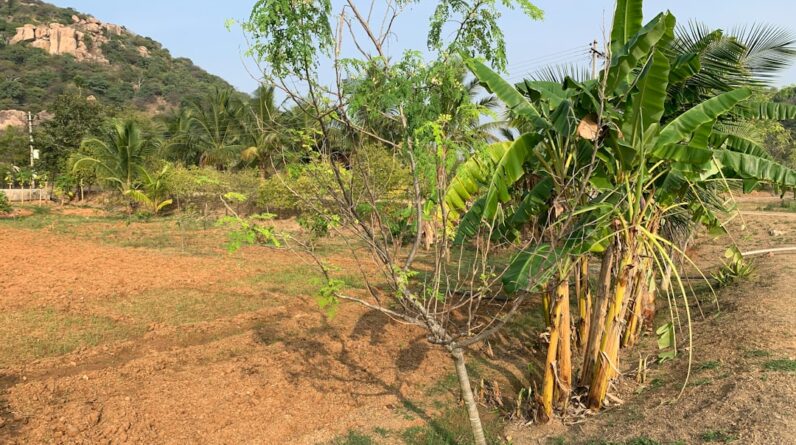
As you navigate the complexities of climate change, it becomes increasingly clear that reforestation plays a pivotal role in mitigating its effects. The act of planting trees and restoring forests is not merely an environmental initiative; it is a crucial strategy in the broader context of climate action. Forests act as natural carbon sinks, absorbing carbon dioxide from the atmosphere and helping to regulate global temperatures.
By engaging in reforestation, you contribute to a collective effort that can significantly reduce greenhouse gas emissions, making it an essential component of any comprehensive climate strategy. Moreover, reforestation offers a multifaceted approach to addressing climate change. It not only sequesters carbon but also enhances biodiversity, improves soil health, and supports water cycles.
When you participate in or support reforestation projects, you are not just planting trees; you are fostering ecosystems that can withstand the impacts of climate change. This holistic approach is vital for creating resilient landscapes that can adapt to shifting climatic conditions, ultimately benefiting both the environment and human communities.
Key Takeaways
- Reforestation plays a crucial role in mitigating climate change by absorbing carbon dioxide and releasing oxygen, thus helping to reduce the greenhouse effect.
- Reforestation is a key strategy for carbon sequestration, as trees absorb and store carbon from the atmosphere, helping to offset carbon emissions from human activities.
- Reforestation is essential for preserving and restoring biodiversity, as it provides habitats for a wide range of plant and animal species, contributing to ecosystem health and resilience.
- Reforestation projects can bring about economic benefits through job creation, sustainable resource management, and ecotourism, while also providing social benefits such as improved air and water quality.
- Despite its benefits, reforestation efforts face challenges such as land availability, funding, and long-term maintenance, highlighting the need for innovative solutions and collaborative approaches.
The Role of Reforestation in Carbon Sequestration
When you think about carbon sequestration, the image of vast forests absorbing carbon dioxide may come to mind. This is indeed a significant aspect of reforestation. Trees absorb CO2 during photosynthesis, storing carbon in their biomass and releasing oxygen back into the atmosphere.
As you consider the scale of this process, it becomes evident that reforestation can play a monumental role in offsetting emissions from various sectors, including transportation and industry. By restoring degraded lands and planting new forests, you can help create a sustainable cycle that captures carbon and mitigates climate change. In addition to capturing carbon, reforestation also enhances soil quality and promotes biodiversity, which are critical for long-term carbon storage.
Healthy soils can store more carbon than degraded ones, and diverse ecosystems are more resilient to disturbances. When you engage in reforestation efforts, you are not only contributing to immediate carbon capture but also fostering an environment where carbon can be stored effectively over time. This dual benefit underscores the importance of reforestation as a long-term strategy for climate action.
Reforestation as a Solution for Biodiversity Conservation

Biodiversity is essential for the health of our planet, and reforestation serves as a powerful tool for its conservation. As you delve into the intricacies of ecosystems, you’ll find that forests are home to countless species of plants and animals, many of which are threatened by habitat loss and climate change. By participating in reforestation initiatives, you help restore habitats that are crucial for these species’ survival.
This restoration not only aids in preserving existing biodiversity but also creates opportunities for new species to thrive. Furthermore, reforestation can act as a buffer against the impacts of climate change on biodiversity. As habitats shift due to changing temperatures and weather patterns, having a network of healthy forests can provide refuge for vulnerable species.
When you support or engage in reforestation projects, you contribute to creating these vital corridors that allow wildlife to adapt and migrate as needed. This interconnectedness between reforestation and biodiversity conservation highlights the importance of your involvement in these efforts.
The Economic and Social Benefits of Reforestation Projects
Reforestation is not just an environmental imperative; it also brings significant economic and social benefits. When you invest in reforestation projects, you are contributing to job creation in local communities. These initiatives often require labor for planting, maintenance, and monitoring, providing employment opportunities that can uplift entire communities.
Additionally, healthy forests can support sustainable industries such as ecotourism and forestry, creating long-term economic benefits that extend beyond the initial investment. Socially, reforestation projects can foster community engagement and empowerment. When you participate in these initiatives, you often work alongside local residents who have a vested interest in the health of their environment.
This collaboration can strengthen community ties and promote a sense of stewardship over natural resources. By supporting reforestation efforts, you are not only helping to restore ecosystems but also enhancing the social fabric of communities that rely on these resources for their livelihoods.
Challenges and Limitations of Reforestation Efforts
Despite the numerous benefits associated with reforestation, there are significant challenges and limitations that must be addressed. One major hurdle is the availability of suitable land for planting trees. As urbanization continues to expand, finding space for new forests becomes increasingly difficult.
Additionally, land degradation and soil quality issues can hinder successful reforestation efforts. When you consider these challenges, it becomes clear that strategic planning and collaboration are essential for overcoming obstacles. Another limitation lies in the choice of tree species used in reforestation projects.
Planting non-native or inappropriate species can lead to ecological imbalances and may not provide the intended benefits for biodiversity or carbon sequestration. As you engage with reforestation initiatives, it is crucial to prioritize native species that are well-suited to local ecosystems. This focus on ecological integrity ensures that your efforts contribute positively to the environment rather than inadvertently causing harm.
The Role of Technology in Enhancing Reforestation Efforts
In today’s digital age, technology plays a transformative role in enhancing reforestation efforts. You may be surprised to learn how innovations such as drones, satellite imagery, and geographic information systems (GIS) are revolutionizing the way we approach tree planting and forest management. Drones can efficiently survey large areas, identify suitable planting sites, and even assist in seed dispersal.
This technological advancement allows for more precise and effective reforestation strategies. Moreover, data analytics can help monitor the health of newly planted forests over time. By utilizing remote sensing technology, you can track growth rates, assess biodiversity levels, and evaluate the overall success of reforestation projects.
This data-driven approach enables adaptive management practices that can improve outcomes and ensure that your efforts yield lasting benefits for both the environment and local communities.
Reforestation and Indigenous Communities: Collaborative Approaches
Indigenous communities have long been stewards of their lands, possessing invaluable knowledge about local ecosystems and sustainable practices. When you consider reforestation efforts, it is essential to engage with these communities collaboratively. Their traditional ecological knowledge can inform planting strategies that are more effective and culturally appropriate.
By working together with Indigenous peoples, you can ensure that reforestation initiatives respect their rights and incorporate their insights into project design. Collaboration with Indigenous communities also fosters social equity and empowerment. When you support their involvement in reforestation projects, you help create opportunities for economic development while honoring their cultural heritage.
This partnership not only enhances the effectiveness of reforestation efforts but also promotes social justice by recognizing the rights and contributions of Indigenous peoples in environmental stewardship.
The Future of Reforestation: Innovations and Opportunities
As you look toward the future of reforestation, it is clear that innovations will continue to shape this field. Emerging technologies such as genetic engineering may offer new possibilities for enhancing tree resilience against pests and diseases or adapting to changing climates. Additionally, advancements in artificial intelligence could optimize planting strategies by analyzing vast amounts of ecological data to identify the most suitable locations for new forests.
Furthermore, there is growing recognition of the need for integrated approaches that combine reforestation with other environmental strategies such as agroforestry and sustainable land management. By embracing these holistic methods, you can maximize the benefits of reforestation while addressing multiple environmental challenges simultaneously. The future holds immense potential for innovative solutions that not only restore forests but also create sustainable livelihoods and resilient ecosystems.
In conclusion, your involvement in reforestation efforts is crucial for addressing climate change, conserving biodiversity, supporting local economies, and fostering social equity. While challenges exist, the opportunities presented by technological advancements and collaborative approaches with Indigenous communities offer hope for a more sustainable future. As you consider your role in this global movement, remember that every tree planted contributes to a healthier planet for generations to come.
In a related article discussing the disadvantages of planting trees for climate change, it is important to consider the potential drawbacks of reforestation efforts. The article highlights the challenges and limitations of relying solely on tree planting as a solution to combatting climate change. It emphasizes the need for a holistic approach that takes into account factors such as biodiversity, forest health, and the prevention of forest burning. To read more about the potential drawbacks of tree planting for climate change, check out the article here.
FAQs
What is reforestation?
Reforestation is the process of restoring and replanting forests that have been depleted or destroyed, with the goal of improving the environment and ecosystem.
How does reforestation contribute to climate action?
Reforestation contributes to climate action by sequestering carbon dioxide from the atmosphere through the process of photosynthesis. Trees absorb carbon dioxide and store it in their biomass, helping to mitigate the effects of climate change.
How does reforestation differ from carbon offsets?
Reforestation differs from carbon offsets in that it involves the actual planting and restoration of forests, whereas carbon offsets typically involve investing in projects that reduce greenhouse gas emissions to compensate for one’s own emissions.
What are the benefits of reforestation beyond carbon sequestration?
Reforestation provides a wide range of benefits beyond carbon sequestration, including biodiversity conservation, soil erosion prevention, water cycle regulation, and support for local communities and economies.
What are some challenges associated with reforestation efforts?
Challenges associated with reforestation efforts include securing land for planting, ensuring the survival and growth of newly planted trees, addressing competing land uses, and navigating complex land tenure and ownership issues.