As you navigate through the complexities of our modern world, one pressing issue looms larger than any other: climate change. This phenomenon, characterized by the gradual increase in Earth’s average temperature, is primarily driven by human activities such as burning fossil fuels, deforestation, and industrial processes. You may have noticed the signs of this warming trend in your own life—unpredictable weather patterns, prolonged heatwaves, and increasingly severe storms.
The consequences of climate change are not just distant threats; they are unfolding right before your eyes, affecting ecosystems, economies, and communities worldwide. Understanding climate change is crucial for you as a global citizen. It is not merely an environmental issue; it intersects with social justice, economic stability, and public health.
The urgency to address climate change has never been more pronounced, as scientists warn that we are approaching critical tipping points that could lead to irreversible damage. As you delve deeper into this topic, you will uncover the myriad ways in which climate change manifests and the profound implications it holds for the planet and its inhabitants.
Key Takeaways
- Climate change and global warming are causing significant impacts on the environment and human health.
- Coral bleaching is devastating marine ecosystems, leading to loss of biodiversity and disruption of food chains.
- Forest fires have devastating effects on land and wildlife, leading to habitat destruction and loss of biodiversity.
- Rising sea levels pose threats to coastal communities and infrastructure, leading to increased risk of flooding and erosion.
- Disruption of ecosystems is causing changes in plant and animal behavior, leading to potential extinction of species.
Coral Bleaching: The Impact on Marine Ecosystems
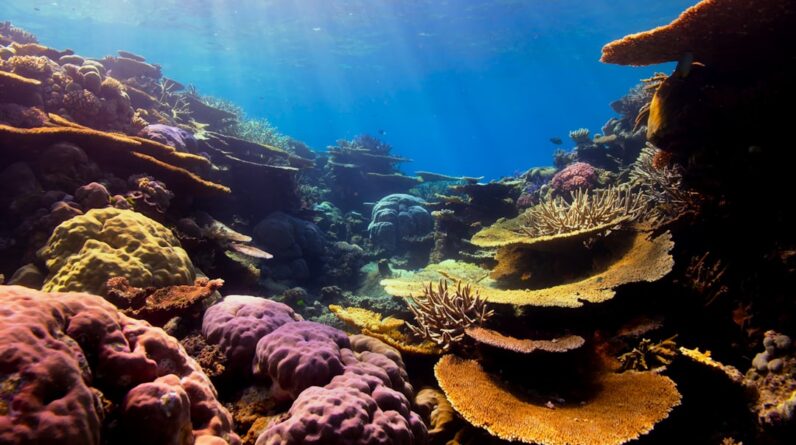
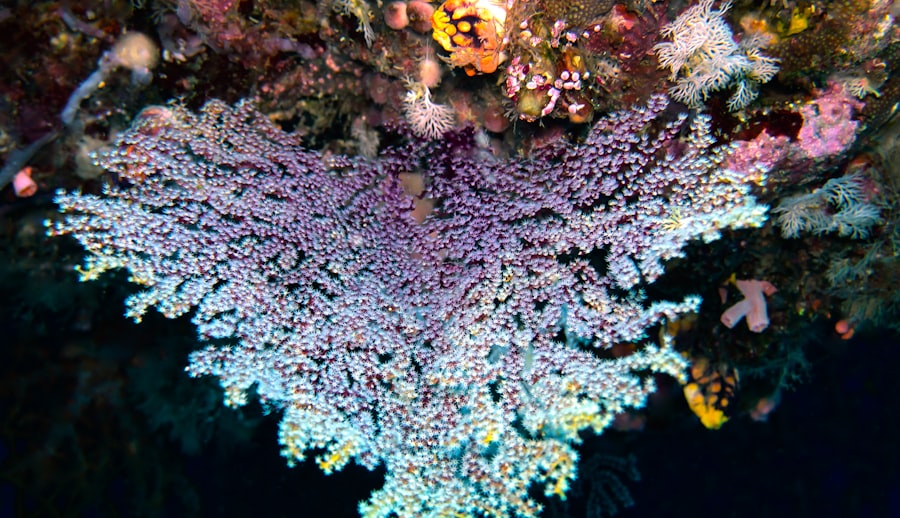
One of the most visible and alarming effects of climate change is coral bleaching, a phenomenon that threatens the very foundation of marine ecosystems. As ocean temperatures rise, corals expel the symbiotic algae that provide them with color and essential nutrients. This process not only turns vibrant reefs into ghostly white structures but also jeopardizes the myriad species that depend on these ecosystems for survival.
You might find it shocking to learn that coral reefs support approximately 25% of all marine life, making their decline a significant concern for biodiversity. The repercussions of coral bleaching extend beyond the immediate loss of marine life. Healthy coral reefs act as natural barriers against storm surges and coastal erosion, protecting shorelines and human settlements.
When these reefs deteriorate, coastal communities face increased vulnerability to extreme weather events. As you consider the interconnectedness of these systems, it becomes clear that the health of coral reefs is not just an environmental issue; it is a matter of human safety and economic stability for those who rely on fishing and tourism.
Forest Fires: Devastating Effects on Land and Wildlife
Forest fires have become increasingly frequent and intense due to rising temperatures and prolonged droughts associated with climate change. As you observe the news reports of raging wildfires across continents, it is essential to recognize the devastating effects these fires have on both land and wildlife. Forests serve as vital carbon sinks, absorbing CO2 from the atmosphere; when they burn, not only is this carbon released back into the air, but entire ecosystems are also destroyed in the process.
The impact on wildlife is particularly tragic. Many species lose their habitats, leading to population declines or even extinction. You may be aware of iconic animals like koalas and orangutans that are directly threatened by habitat loss due to forest fires.
The smoke and ash from these fires can also affect air quality far beyond the immediate area, posing health risks to humans and animals alike. As you reflect on these consequences, it becomes evident that forest fires are not isolated incidents; they are a symptom of a larger climate crisis that demands urgent action.
Rising Sea Levels: Threats to Coastal Communities and Infrastructure
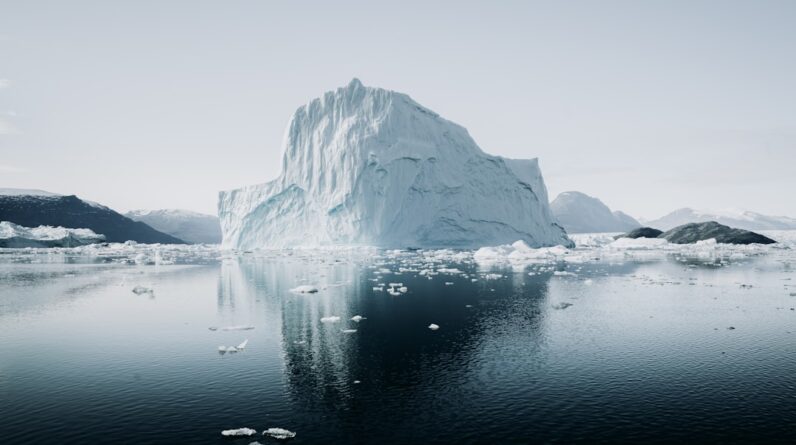
Rising sea levels represent one of the most insidious threats posed by climate change, silently encroaching upon coastal communities around the globe. As polar ice melts and ocean waters expand due to warming, you may find yourself contemplating the future of cities like Miami, New Orleans, or Jakarta—places that could face significant flooding in the coming decades. The implications for infrastructure are staggering; roads, homes, and essential services are at risk of being submerged or rendered unusable.
For many communities, especially those in developing nations, rising sea levels pose existential threats. You might consider how entire populations could be displaced due to flooding or saltwater intrusion into freshwater supplies. This displacement can lead to social unrest and exacerbate existing inequalities as resources become scarcer.
As you ponder these challenges, it becomes clear that addressing rising sea levels requires not only innovative engineering solutions but also a commitment to sustainable practices that mitigate climate change at its source.
Disruption of Ecosystems: Changes in Plant and Animal Behavior
Climate change is not just altering temperatures; it is also disrupting ecosystems in profound ways. As you observe changes in seasonal patterns—such as earlier blooms in spring or altered migration routes for birds—you may begin to understand how interconnected all living organisms are within their environments. These shifts can lead to mismatches in timing between species that rely on one another for survival, such as pollinators and flowering plants.
You might also notice how certain species are adapting to changing conditions by altering their behaviors or habitats. Some animals may migrate to cooler areas or change their breeding cycles in response to temperature fluctuations. However, not all species can adapt quickly enough to keep pace with these changes, leading to declines in biodiversity.
As you reflect on these disruptions, it becomes evident that maintaining ecological balance is crucial for the health of our planet—and ultimately for your own well-being.
Human Health Impacts: Heat-related Illnesses and Spread of Disease

The effects of climate change extend beyond environmental degradation; they pose significant risks to human health as well. Rising temperatures can lead to an increase in heat-related illnesses such as heat exhaustion and heatstroke. You may have experienced days when the heat felt unbearable, but for vulnerable populations—such as the elderly or those with pre-existing health conditions—the consequences can be dire.
Moreover, climate change facilitates the spread of infectious diseases by altering the habitats of disease-carrying organisms like mosquitoes and ticks. As you consider how diseases such as malaria or Lyme disease could expand into new regions due to changing climates, it becomes clear that public health systems must adapt accordingly. The intersection of climate change and health is a critical area for research and action, emphasizing the need for comprehensive strategies that protect both people and the planet.
Economic Consequences: Loss of Livelihoods and Agricultural Challenges
The economic ramifications of climate change are far-reaching and multifaceted. As you think about farmers struggling with unpredictable weather patterns—droughts one year followed by floods the next—you may realize how challenging it has become to maintain stable agricultural production. Crop yields are increasingly threatened by changing climates, leading to food insecurity for millions around the world.
Additionally, industries reliant on natural resources—such as fishing or tourism—face significant challenges as ecosystems degrade. You might consider how local economies can be devastated when fish populations decline or when natural attractions lose their appeal due to environmental degradation. The economic consequences of climate change are not just abstract figures; they represent real livelihoods at stake.
As you engage with this issue, it becomes clear that addressing climate change is not only an environmental imperative but also an economic necessity.
Mitigating the Effects: Strategies for Adaptation and Resilience
In light of the numerous challenges posed by climate change, it is essential to explore strategies for adaptation and resilience. You may find hope in innovative solutions being implemented around the world—such as sustainable agriculture practices that enhance soil health while reducing emissions or urban planning initiatives designed to create green spaces that mitigate heat effects in cities. Community engagement plays a vital role in building resilience against climate impacts.
By fostering awareness and encouraging local action, you can contribute to a collective effort aimed at mitigating climate change’s effects. Whether through supporting renewable energy initiatives or advocating for policies that prioritize sustainability, your involvement can make a difference. As you reflect on these strategies, remember that while the challenges are daunting, there is also immense potential for positive change when individuals come together with a shared purpose.
In conclusion, climate change is an urgent issue that affects every aspect of life on Earth—from ecosystems to human health and economic stability. By understanding its impacts and engaging in meaningful action, you can play a role in shaping a more sustainable future for generations to come.
In a related article, How Does Planting Trees Help Climate Change?, the importance of reforestation and afforestation in combating the effects of climate change is discussed. Planting trees can help sequester carbon dioxide from the atmosphere, reduce greenhouse gas emissions, and mitigate the impacts of global warming. This article highlights the positive impact that tree planting initiatives can have on the environment and emphasizes the need for collective action to address the challenges of climate change.
FAQs
What is coral bleaching?
Coral bleaching occurs when corals expel the algae living in their tissues, causing the coral to turn completely white. This is often due to environmental stress, such as increased water temperatures.
How does warming contribute to coral bleaching?
Warmer water temperatures can cause corals to expel the algae living in their tissues, leading to coral bleaching. This is often a result of climate change and global warming.
What are the environmental effects of coral bleaching?
Coral bleaching can lead to the loss of biodiversity in coral reefs, as well as the disruption of the marine ecosystem. It can also impact the livelihoods of communities that rely on coral reefs for fishing and tourism.
How does warming contribute to forest fires?
Warmer temperatures can lead to drier conditions, which can increase the likelihood and severity of forest fires. This is often exacerbated by climate change and changes in precipitation patterns.
What are the environmental effects of forest fires?
Forest fires can lead to the destruction of habitats, loss of biodiversity, and release of carbon dioxide into the atmosphere. They can also have long-term impacts on soil fertility and water quality.