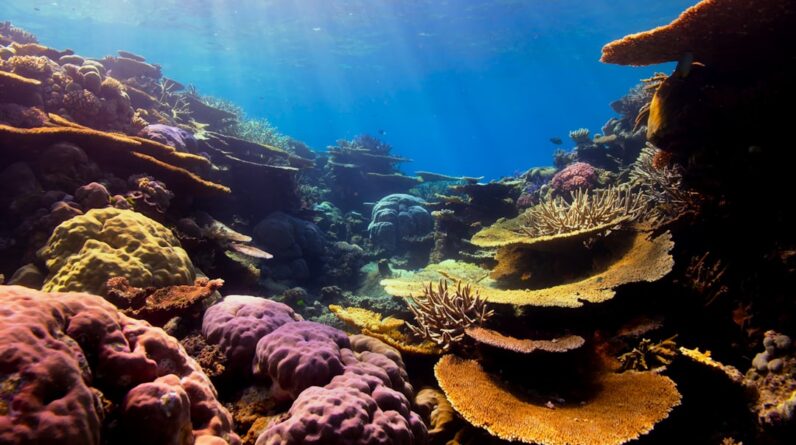
As you gaze out at the vast expanse of the ocean, you may not realize that beneath its shimmering surface lies a complex and vital ecosystem that plays a crucial role in sustaining life on Earth. The concept of Ocean Oxygen Commons refers to the shared responsibility of managing and preserving the oxygen produced by marine environments, particularly through the activities of phytoplankton and other aquatic plants. This oxygen is not merely a byproduct of photosynthesis; it is an essential component of the planet’s atmosphere, supporting both marine and terrestrial life.
Understanding this commons is vital for ensuring the health of our oceans and, by extension, our planet. The ocean is often referred to as the lungs of the Earth, producing approximately 50% of the oxygen we breathe. This remarkable contribution comes primarily from microscopic organisms that inhabit the upper layers of the ocean.
As you delve deeper into the intricacies of this system, you will discover that the health of these organisms is intricately linked to various environmental factors, including temperature, nutrient availability, and pollution levels. The Ocean Oxygen Commons is not just an abstract concept; it is a living reality that requires your attention and action to safeguard its future.
Key Takeaways
- Ocean oxygen is a vital resource that supports marine life and ecosystem balance.
- Overfishing, pollution, and climate change are threatening the availability of oxygen in the ocean.
- Ocean oxygen should be managed as a common resource to ensure sustainability and equitable access.
- A shift in resource management philosophy is needed to prioritize the protection and conservation of ocean oxygen.
- Collaboration and sustainable practices are essential for effective management of ocean oxygen and the future of marine life.
The Importance of Ocean Oxygen
The significance of ocean oxygen extends far beyond the immediate needs of marine life. As you consider the interconnectedness of ecosystems, it becomes clear that the oxygen generated by oceans plays a pivotal role in regulating global climate patterns. The ocean acts as a carbon sink, absorbing carbon dioxide from the atmosphere and mitigating the effects of climate change.
This process is facilitated by the oxygen-producing organisms that thrive in marine environments. Without healthy oceans, the balance of gases in our atmosphere would be severely disrupted, leading to dire consequences for all forms of life. Moreover, ocean oxygen is essential for maintaining biodiversity.
The intricate web of life in marine ecosystems relies on a delicate balance of oxygen levels. Fish, marine mammals, and countless other species depend on this oxygen for survival. As you reflect on your own connection to the ocean, consider how your actions can impact these ecosystems.
From recreational activities to consumption choices, every decision you make can influence the health of oceanic oxygen production and, consequently, the overall health of our planet.
Current Challenges in Ocean Oxygen Management

Despite its critical importance, ocean oxygen management faces numerous challenges that threaten its sustainability. One of the most pressing issues is the phenomenon known as hypoxia, which occurs when oxygen levels in water drop to dangerously low levels. This condition can lead to dead zones—areas where marine life cannot survive due to insufficient oxygen.
As you explore this issue further, you will find that hypoxia is often exacerbated by human activities such as agricultural runoff, which introduces excess nutrients into coastal waters. These nutrients fuel algal blooms that consume oxygen as they decompose, creating a vicious cycle that endangers marine ecosystems. Additionally, climate change poses a significant threat to ocean oxygen levels.
Rising sea temperatures can reduce the solubility of oxygen in water, while increased stratification can limit the mixing of oxygen-rich surface waters with deeper layers. As you consider these challenges, it becomes evident that addressing them requires a multifaceted approach that encompasses scientific research, policy changes, and community engagement. The future of ocean oxygen management hinges on your ability to recognize these challenges and advocate for solutions that prioritize sustainability.
Understanding Ocean Oxygen as a Common Resource
To effectively manage ocean oxygen, it is essential to view it as a common resource—one that belongs to all and must be preserved for future generations. This perspective encourages collective responsibility among nations, communities, and individuals alike. As you contemplate this idea, think about how your actions contribute to or detract from the health of this shared resource.
The concept of Ocean Oxygen Commons emphasizes that everyone has a stake in maintaining healthy oceans and that collaborative efforts are necessary to ensure their longevity. Recognizing ocean oxygen as a common resource also highlights the need for equitable access and management practices. It is crucial to involve local communities in decision-making processes related to ocean health.
By empowering those who rely on marine resources for their livelihoods, you can foster a sense of stewardship that promotes sustainable practices. This approach not only benefits local economies but also enhances the resilience of marine ecosystems against external pressures.
Rethinking Resource Management Philosophy
As you reflect on the management of ocean oxygen, it becomes clear that traditional resource management philosophies may no longer suffice in addressing contemporary challenges. A shift towards more holistic and integrated approaches is necessary—one that considers ecological, social, and economic dimensions simultaneously. This rethinking involves moving away from exploitative practices that prioritize short-term gains and instead embracing sustainable methods that ensure long-term viability.
Incorporating indigenous knowledge and practices into resource management can also provide valuable insights into sustainable approaches. Many indigenous communities have long understood the importance of maintaining balance within ecosystems and have developed practices that promote harmony with nature. By learning from these perspectives and integrating them into modern management strategies, you can contribute to a more comprehensive understanding of how to protect ocean oxygen as a common resource.
Implementing Sustainable Practices for Ocean Oxygen

To safeguard ocean oxygen for future generations, implementing sustainable practices is paramount. This involves adopting measures that reduce pollution and nutrient runoff into coastal waters. As you consider your own lifestyle choices, think about how reducing plastic use, minimizing chemical fertilizers, and supporting organic farming can contribute to healthier oceans.
Every small action counts; by making conscious decisions in your daily life, you can play a role in preserving this vital resource. Moreover, promoting sustainable fishing practices is essential for maintaining healthy marine ecosystems. Overfishing not only depletes fish populations but also disrupts the delicate balance of marine life that contributes to oxygen production.
By supporting fisheries that prioritize sustainability and responsible management practices, you can help ensure that fish populations remain robust and capable of supporting their ecosystems.
Collaborative Approaches to Ocean Oxygen Management
Collaboration is key to effective ocean oxygen management. As you engage with various stakeholders—governments, non-profit organizations, scientists, and local communities—you will find that diverse perspectives can lead to innovative solutions. Collaborative initiatives can foster knowledge sharing and resource pooling, enabling more effective responses to challenges such as hypoxia and climate change.
International cooperation is particularly crucial in addressing transboundary issues related to ocean health. Many marine ecosystems extend beyond national borders, making it essential for countries to work together in managing shared resources. By advocating for policies that promote collaboration at both local and global levels, you can contribute to a more unified approach to protecting ocean oxygen as a common resource.
The Future of Ocean Oxygen Commons
As you contemplate the future of Ocean Oxygen Commons, it becomes evident that your actions today will shape the health of our oceans for generations to come. By understanding the importance of ocean oxygen and recognizing it as a shared resource, you can play an active role in promoting sustainable practices and collaborative management efforts. The challenges facing ocean oxygen are significant, but they are not insurmountable.
The path forward requires a collective commitment to rethinking our relationship with the oceans and embracing innovative solutions that prioritize sustainability. By fostering awareness and encouraging dialogue around ocean health, you can inspire others to join in this vital effort. Together, we can ensure that the oceans continue to thrive as the lungs of our planet—providing life-sustaining oxygen for all living beings on Earth.
The future of Ocean Oxygen Commons depends on your engagement and dedication to preserving this invaluable resource for generations yet unborn.
In a related article to Ocean Oxygen as Commons: Rethinking Resource Management Philosophy, “How Does Reforestation Help the Environment?” explores the benefits of planting trees in combating climate change and preserving ecosystems. This article delves into the importance of reforestation as a sustainable solution to environmental challenges and highlights the positive impact it can have on oxygen levels in the ocean. To learn more about the role of trees in environmental conservation, visit this article.
FAQs
What is ocean oxygen and why is it important?
Ocean oxygen refers to the dissolved oxygen in the Earth’s oceans, which is crucial for the survival of marine life. It is necessary for the respiration of fish, shellfish, and other marine organisms, and plays a key role in the ocean’s ecosystem.
What are the main threats to ocean oxygen levels?
The main threats to ocean oxygen levels include climate change, which can lead to ocean warming and deoxygenation, as well as nutrient pollution from agricultural runoff and sewage, which can cause oxygen-depleting algal blooms.
How does ocean oxygen depletion impact marine ecosystems?
Ocean oxygen depletion can lead to “dead zones” where marine life cannot survive, disrupting food webs and causing declines in fish and shellfish populations. It can also lead to the release of harmful chemicals from sediments, further impacting marine ecosystems.
What is the concept of ocean oxygen as commons?
The concept of ocean oxygen as commons involves recognizing ocean oxygen as a shared resource that requires collective management and stewardship. It emphasizes the need for collaborative efforts to address the threats to ocean oxygen levels and ensure its sustainability.
How can resource management philosophy be rethought in relation to ocean oxygen?
Rethinking resource management philosophy in relation to ocean oxygen involves shifting towards a more holistic and collaborative approach that considers the interconnectedness of marine ecosystems and the need for collective action to address the threats to ocean oxygen levels. This may involve implementing policies to reduce nutrient pollution, mitigate climate change, and protect marine habitats.