In recent years, the term “greenwashing” has gained traction as consumers become increasingly aware of environmental issues. You may have noticed companies touting their eco-friendly initiatives, only to discover that their actions do not align with their claims. This deceptive practice can mislead you and other consumers into believing that a brand is genuinely committed to sustainability when, in reality, it is merely attempting to enhance its public image.
Greenwashing undermines the efforts of truly sustainable companies and can erode your trust in brands that may be making a genuine effort to protect the environment. As you navigate the marketplace, it’s essential to recognize the signs of greenwashing. Companies may use vague language, misleading labels, or focus on a single environmentally friendly aspect of their product while ignoring more significant negative impacts.
For instance, a brand might promote a biodegradable packaging solution while neglecting to address its carbon footprint or labor practices. This selective transparency can create confusion and frustration for you as a consumer who wants to make informed choices. Understanding greenwashing is crucial for holding corporations accountable and ensuring that your purchasing decisions align with your values.
Key Takeaways
- Greenwashing is a significant problem in the corporate world, where companies falsely claim to be environmentally friendly to attract customers.
- Reforestation is crucial for restoring and maintaining the balance of ecosystems, combating climate change, and preserving biodiversity.
- Deforestation has a detrimental impact on the environment, leading to loss of habitat, soil erosion, and increased greenhouse gas emissions.
- Corporations play a vital role in reforestation efforts through funding, partnerships with conservation organizations, and sustainable business practices.
- Effective reforestation strategies include community involvement, use of native tree species, and long-term monitoring and maintenance.
The Importance of Reforestation
Reforestation plays a vital role in combating climate change and restoring ecosystems. As you may know, trees absorb carbon dioxide, one of the primary greenhouse gases contributing to global warming. By planting trees and restoring forests, you can help sequester carbon from the atmosphere, thereby mitigating climate change’s effects.
Moreover, reforestation contributes to biodiversity by providing habitats for countless species, many of which are endangered due to habitat loss. When you support reforestation efforts, you are not only helping the planet but also preserving the rich tapestry of life that depends on healthy forests. Additionally, reforestation has significant social and economic benefits.
It can create jobs in local communities, particularly in rural areas where employment opportunities may be limited. When you invest in reforestation projects, you are also investing in the livelihoods of those who depend on forests for their survival. Furthermore, healthy forests can improve water quality and regulate local climates, benefiting agriculture and other industries.
By recognizing the importance of reforestation, you can contribute to a more sustainable future for both people and the planet.
The Impact of Deforestation
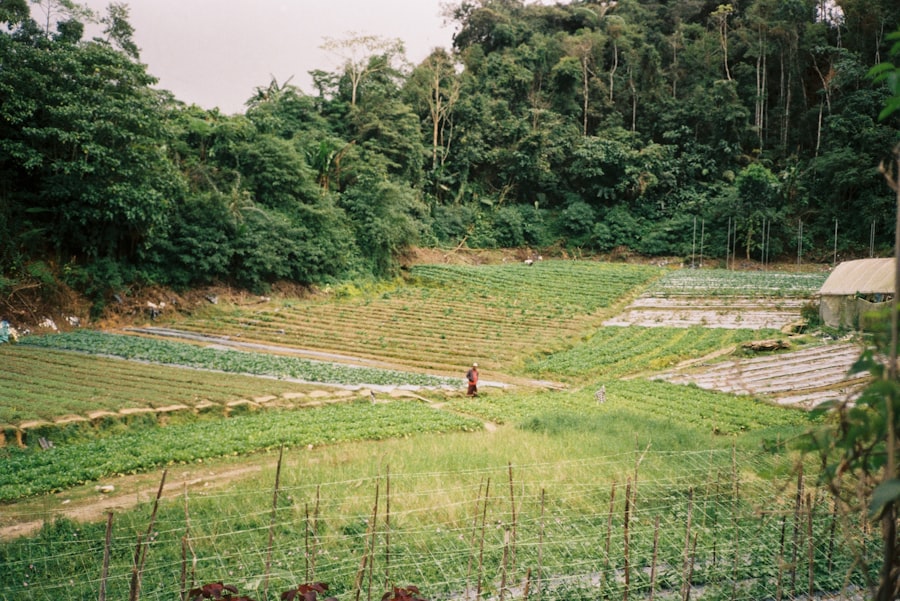
Deforestation poses a severe threat to our environment and well-being. As you may be aware, vast areas of forest are being cleared for agriculture, logging, and urban development at an alarming rate. This loss of trees not only contributes to climate change but also leads to soil erosion, loss of biodiversity, and disruption of water cycles.
When forests are destroyed, you may notice changes in local weather patterns and increased flooding or droughts in affected areas. The consequences of deforestation extend beyond environmental degradation; they also impact human health and livelihoods. Moreover, deforestation disproportionately affects indigenous communities who rely on forests for their cultural identity and sustenance.
As you consider the broader implications of deforestation, it becomes clear that this issue is not just an environmental concern but a social justice one as well. The loss of forests threatens the rights and livelihoods of those who have lived in harmony with these ecosystems for generations. By understanding the impact of deforestation, you can advocate for policies and practices that prioritize forest conservation and restoration.
The Role of Corporations in Reforestation
Corporations play a crucial role in reforestation efforts, given their significant impact on the environment through resource extraction and production processes. As a consumer, you have the power to influence corporate behavior by supporting companies that prioritize sustainability and invest in reforestation initiatives. Many corporations are beginning to recognize their responsibility to mitigate their environmental impact and are taking steps to incorporate reforestation into their business models.
This shift not only benefits the planet but can also enhance their brand reputation among environmentally conscious consumers like yourself. Furthermore, corporations can leverage their resources and expertise to drive large-scale reforestation projects. By partnering with non-profit organizations and local communities, they can create effective strategies for restoring degraded lands and promoting sustainable land management practices.
As you engage with brands that commit to reforestation, you contribute to a collective effort that can lead to meaningful change on a global scale. Your support encourages corporations to take their environmental responsibilities seriously and invest in the future of our planet.
Strategies for Effective Reforestation
To ensure successful reforestation efforts, it is essential to adopt effective strategies that consider ecological, social, and economic factors. One approach is to prioritize native tree species when planting new forests. Native trees are better adapted to local conditions and provide essential habitats for local wildlife.
As you learn about reforestation projects, look for those that emphasize biodiversity and ecosystem restoration rather than monoculture plantations that may not support local flora and fauna. Community involvement is another critical component of successful reforestation initiatives. Engaging local populations in planning and implementation fosters a sense of ownership and responsibility toward the project.
When communities are involved, they are more likely to protect newly planted trees and ensure their long-term survival. As you consider supporting reforestation efforts, seek out projects that prioritize community engagement and education, as these elements are vital for sustainable success.
The Benefits of Reforestation for Corporations

Reforestation offers numerous benefits for corporations beyond just improving their public image. By investing in sustainable practices like reforestation, companies can enhance their resilience against climate-related risks. As climate change continues to impact supply chains and resource availability, businesses that prioritize sustainability are better positioned to adapt to these challenges.
When you support companies that invest in reforestation, you are also supporting their long-term viability in an increasingly uncertain world. Additionally, reforestation can lead to cost savings for corporations through improved resource management. Healthy forests contribute to better water quality and soil health, which can reduce costs associated with water treatment and land degradation.
Furthermore, companies that engage in reforestation often find new market opportunities in eco-friendly products or services. By aligning their business strategies with environmental sustainability, corporations can attract environmentally conscious consumers like yourself who are willing to support brands that prioritize the planet.
The Responsibility of Corporations in Environmental Conservation
As stewards of the environment, corporations have a responsibility to minimize their ecological footprint and contribute positively to conservation efforts. You may expect businesses to take proactive measures in addressing environmental challenges rather than merely reacting to regulations or public pressure. This responsibility extends beyond compliance; it involves integrating sustainability into every aspect of their operations—from sourcing materials to manufacturing processes and waste management.
Moreover, corporations should be transparent about their environmental impact and actively communicate their sustainability goals with consumers like you. By sharing progress reports on reforestation initiatives or other conservation efforts, companies can build trust with their audience and demonstrate accountability. As a consumer who values environmental stewardship, your expectations can drive corporations to adopt more responsible practices and prioritize conservation as part of their core mission.
The Call to Action for Corporations
The time has come for corporations to step up and take meaningful action toward environmental conservation through reforestation initiatives. As a consumer, you have the power to influence corporate behavior by supporting brands that prioritize sustainability and hold them accountable for their claims. Encourage companies to invest in reforestation projects by choosing products from those that demonstrate a genuine commitment to environmental stewardship.
You can also advocate for policies that promote corporate responsibility in environmental conservation at local, national, and global levels. By engaging with your community and raising awareness about the importance of reforestation, you can inspire others to join the movement toward a more sustainable future. Together, as informed consumers and advocates for change, we can create a demand for corporate accountability that drives meaningful progress in protecting our planet for generations to come.
If you are interested in learning more about how reforestation can help the environment, check out this article on How Can Trees Save the Earth from Global Warming? to understand the crucial role that trees play in mitigating the effects of global warming. Embracing a mindset of environmental stewardship and taking action to reforest our planet can make a significant impact on the health of our planet. Join the movement to Live Life with a Cause and support reforestation efforts today.
FAQs
What is greenwashing?
Greenwashing is a marketing tactic used by corporations to make their products or services appear environmentally friendly, often through misleading or unsubstantiated claims.
What is reforestation?
Reforestation is the process of restoring and replanting forests that have been depleted or destroyed, with the goal of improving the environment and ecosystem.
Why is greenwashing harmful?
Greenwashing can mislead consumers into thinking they are supporting environmentally responsible companies, when in reality, the companies may not be taking meaningful steps to reduce their environmental impact.
How does reforestation benefit the environment?
Reforestation helps to combat climate change by absorbing carbon dioxide, improving air and water quality, providing habitat for wildlife, and preserving biodiversity.
What can corporations do to support reforestation?
Corporations can support reforestation efforts by investing in tree planting initiatives, partnering with conservation organizations, and implementing sustainable business practices to reduce their environmental footprint.