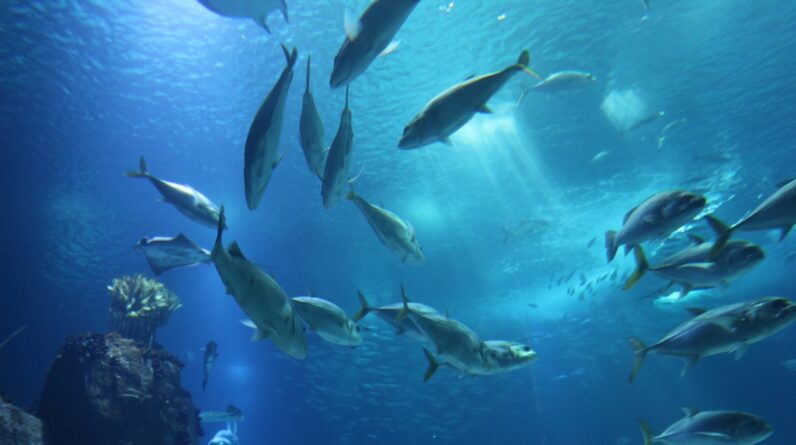
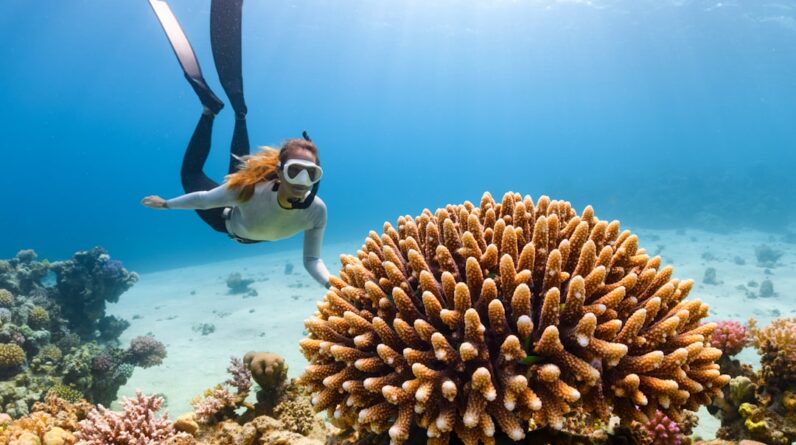
As you gaze out at the vast expanse of the ocean, it’s easy to be captivated by its beauty and mystery. However, beneath the shimmering surface lies a troubling reality: our oceans are in crisis. Pollution, particularly from plastics, has reached alarming levels, threatening marine life and ecosystems.
The importance of cleaning up our oceans cannot be overstated; it is not just an environmental issue but a matter of global health and sustainability. The oceans play a crucial role in regulating our climate, providing food, and supporting biodiversity. When you take action to clean up our oceans, you are contributing to the well-being of the planet and future generations.
You may wonder how your individual actions can make a difference in such a vast and complex problem. The truth is that every small effort counts. By understanding the impact of pollution and taking steps to mitigate it, you can be part of a larger movement toward ocean conservation.
Whether it’s reducing your use of single-use plastics or participating in community clean-up events, your involvement can inspire others and create a ripple effect. Together, we can work towards restoring the health of our oceans and ensuring that they continue to thrive for years to come.
Key Takeaways
- Cleaning up our oceans is crucial for the health of marine life and the planet as a whole.
- Reducing single-use plastics is a key way to prevent ocean pollution.
- Participating in beach clean-up events can make a direct impact on ocean cleanliness.
- Supporting organizations working to clean up oceans can amplify conservation efforts.
- Properly disposing of hazardous waste prevents it from contaminating the oceans.
Reduce Single-Use Plastics
One of the most effective ways you can contribute to ocean health is by reducing your reliance on single-use plastics. These items, such as plastic bags, straws, and water bottles, are often used for just a few minutes but can take hundreds of years to decompose. When you choose to eliminate or minimize these products from your daily life, you are directly reducing the amount of plastic waste that ends up in our oceans.
Consider investing in reusable alternatives like cloth bags, stainless steel straws, and glass water bottles. Not only do these options help protect marine life, but they also save you money in the long run. You might also consider advocating for local businesses to adopt more sustainable practices.
By supporting companies that prioritize eco-friendly packaging and products, you can help shift the market away from single-use plastics. Engage with your community by organizing workshops or informational sessions on the importance of reducing plastic waste. When you share your knowledge and experiences with others, you empower them to make similar changes in their lives.
Every action taken to reduce single-use plastics contributes to a cleaner ocean and a healthier planet.
Participate in Beach Clean-Up Events

Participating in beach clean-up events is another impactful way for you to contribute to ocean conservation. These events not only help remove debris from our shorelines but also raise awareness about the issue of marine pollution. When you join forces with fellow volunteers, you create a sense of community and shared purpose.
It’s an opportunity to connect with like-minded individuals who are passionate about protecting the environment. As you pick up trash along the beach, you may be surprised by the sheer volume of waste that accumulates in these beautiful spaces. Moreover, beach clean-ups provide an educational platform for participants and onlookers alike.
You can use this opportunity to discuss the types of waste found on the beach and their potential impact on marine life. By sharing facts about how plastic pollution affects sea turtles, birds, and fish, you can inspire others to take action in their own lives. The experience of cleaning up a beach can be both rewarding and eye-opening, reinforcing the importance of maintaining clean coastlines for both wildlife and human enjoyment.
Support Organizations Working to Clean Up Oceans
Supporting organizations dedicated to cleaning up our oceans is another vital step you can take in this fight against pollution. Numerous non-profits and grassroots organizations are actively working to address marine debris issues through various initiatives, including research, advocacy, and direct action. By donating your time or resources to these organizations, you can amplify their efforts and help them achieve their goals.
Whether it’s volunteering for events or contributing financially, your support can make a significant difference. In addition to direct support, consider spreading the word about these organizations within your network. Share their campaigns on social media or host informational sessions to educate others about their work.
When you raise awareness about the challenges facing our oceans and the solutions being implemented by these organizations, you inspire others to get involved as well. Collective action is essential for creating lasting change, and your efforts can help build momentum for ocean conservation initiatives.
Properly Dispose of Hazardous Waste
Proper disposal of hazardous waste is crucial for protecting our oceans from harmful pollutants. Many household items, such as batteries, paints, and chemicals, can have devastating effects on marine ecosystems if not disposed of correctly. You have a responsibility to ensure that these materials are handled safely and do not end up in landfills or waterways.
Familiarize yourself with local regulations regarding hazardous waste disposal and take advantage of community collection events or designated drop-off locations. In addition to proper disposal practices, consider educating those around you about the importance of handling hazardous materials responsibly. You can organize workshops or informational sessions that teach others how to identify hazardous waste and understand its potential impact on the environment.
By fostering a culture of responsibility regarding waste disposal, you contribute to a cleaner ocean and a healthier community.
Choose Sustainable Seafood Options

When it comes to protecting our oceans, your choices at mealtime matter more than you might think. Opting for sustainable seafood options is an effective way to support ocean health while enjoying delicious meals. Overfishing and destructive fishing practices have led to significant declines in fish populations and disrupted marine ecosystems.
By choosing seafood that is sourced sustainably, you help promote responsible fishing practices that protect both fish stocks and their habitats. To make informed choices about seafood consumption, familiarize yourself with sustainable seafood guides provided by reputable organizations. These guides often categorize fish species based on their population status and fishing methods used.
When dining out or shopping for seafood, don’t hesitate to ask questions about sourcing practices or request sustainable options from restaurants or retailers. Your voice as a consumer can influence market demand and encourage businesses to prioritize sustainability.
Educate Others About the Importance of Ocean Conservation
Education is a powerful tool in the fight for ocean conservation, and you have the ability to make a significant impact by sharing knowledge with others. Whether through informal conversations with friends or organized community events, spreading awareness about the importance of protecting our oceans is essential for fostering a culture of conservation. You can discuss topics such as marine biodiversity, the effects of pollution on marine life, and the role oceans play in regulating our climate.
Consider creating educational materials or presentations that highlight key issues facing our oceans today. Engaging storytelling combined with compelling visuals can capture attention and inspire action among your audience. By empowering others with knowledge about ocean conservation, you create a ripple effect that encourages more people to take steps toward protecting our marine environments.
Advocate for Policy Changes to Protect Our Oceans
Advocating for policy changes is a crucial aspect of ocean conservation that requires your active participation. Governments play a significant role in regulating activities that impact marine ecosystems, such as fishing practices, pollution control measures, and coastal development projects. By staying informed about local and national policies affecting ocean health, you can engage in meaningful advocacy efforts that promote stronger protections for our oceans.
You might consider joining local advocacy groups or participating in campaigns aimed at influencing policy decisions related to ocean conservation. Writing letters to elected officials, attending town hall meetings, or participating in public comment periods are all effective ways to voice your concerns and push for change. Your advocacy efforts can help raise awareness among policymakers about the importance of protecting our oceans for future generations.
In conclusion, cleaning up our oceans is an urgent task that requires collective action from individuals like you. By reducing single-use plastics, participating in beach clean-ups, supporting organizations dedicated to ocean health, properly disposing of hazardous waste, choosing sustainable seafood options, educating others about conservation, and advocating for policy changes, you can make a meaningful impact on this critical issue. Every effort counts in the fight against ocean pollution; together we can ensure that our oceans remain vibrant ecosystems for generations to come.
If you are interested in learning more about how to protect our environment, you may want to check out the article Biodiversity Reservoir by Having Healthy Forest on Live Life With a Cause’s blog. This article discusses the importance of maintaining healthy forests as a way to preserve biodiversity and protect our planet. By understanding the interconnectedness of ecosystems, we can work towards a more sustainable future for all living beings.
FAQs
What are some simple ways to help clean up our oceans?
Some simple ways to help clean up our oceans include reducing the use of single-use plastics, participating in beach clean-ups, supporting organizations that work to protect the oceans, and reducing your carbon footprint.
How does reducing single-use plastics help clean up the oceans?
Reducing single-use plastics helps clean up the oceans by decreasing the amount of plastic waste that ends up in the water. This can help protect marine life and reduce pollution in the ocean.
What are some organizations that work to protect the oceans?
Some organizations that work to protect the oceans include Ocean Conservancy, Surfrider Foundation, and The Ocean Cleanup. These organizations work on initiatives such as beach clean-ups, policy advocacy, and research to protect the oceans.
How can participating in beach clean-ups help clean up the oceans?
Participating in beach clean-ups can help clean up the oceans by removing trash and plastic waste from coastal areas before it has a chance to enter the water. This can help protect marine life and reduce pollution in the ocean.
Why is reducing our carbon footprint important for cleaning up the oceans?
Reducing our carbon footprint is important for cleaning up the oceans because carbon emissions contribute to climate change, which can have negative impacts on the oceans such as ocean acidification and rising sea levels. By reducing our carbon footprint, we can help mitigate these impacts and protect the oceans.
How does supporting sustainable seafood help clean up the oceans?
Supporting sustainable seafood helps clean up the oceans by promoting responsible fishing practices that minimize the impact on marine ecosystems. This can help protect marine life and maintain the health of the oceans.
What role does government policy play in cleaning up the oceans?
Government policy plays a crucial role in cleaning up the oceans by implementing regulations and initiatives to reduce pollution, protect marine habitats, and promote sustainable practices. Strong government policies can help address the root causes of ocean pollution and degradation.
How can reducing fertilizer use help clean up the oceans?
Reducing fertilizer use can help clean up the oceans by minimizing nutrient runoff into the water, which can contribute to harmful algal blooms and dead zones. By reducing fertilizer use, we can help protect the health of marine ecosystems.
What are some ways to raise awareness about ocean conservation?
Some ways to raise awareness about ocean conservation include sharing information on social media, participating in educational events and workshops, and supporting documentaries and films that highlight the importance of protecting the oceans.
How can individuals contribute to scientific research on ocean conservation?
Individuals can contribute to scientific research on ocean conservation by participating in citizen science projects, reporting marine debris and pollution, and supporting research initiatives through donations and volunteer work. These contributions can help scientists better understand and address the challenges facing the oceans.