
Reforestation is a critical environmental strategy aimed at restoring forests that have been depleted due to various factors such as logging, agriculture, and urban development. As you delve into the topic, you will discover that reforestation not only helps in combating climate change but also plays a vital role in preserving biodiversity and maintaining ecological balance. The act of planting trees and nurturing them back to health is more than just a simple task; it is a commitment to the planet and future generations.
By understanding the importance of reforestation, you can appreciate how it contributes to the overall health of our ecosystems. The urgency of reforestation efforts has never been more pronounced. With deforestation rates soaring and the impacts of climate change becoming increasingly evident, the need for effective reforestation strategies is paramount.
You may find it fascinating that forests are home to over 80% of terrestrial species, making their preservation essential for biodiversity. Moreover, trees play a crucial role in carbon sequestration, absorbing carbon dioxide from the atmosphere and helping to mitigate global warming. As you explore this topic further, you will uncover the multifaceted benefits of reforestation, which extend beyond environmental restoration to include social and economic advantages as well.
Key Takeaways
- Reforestation is the process of restoring and replanting trees in deforested or degraded areas to improve the environment and ecosystem.
- Innovations in reforestation techniques include aerial seeding, drone technology, and use of biodegradable seed pods to improve efficiency and success rates.
- Challenges in reforestation efforts include invasive species, lack of funding, and long-term maintenance of reforested areas.
- Technology plays a crucial role in reforestation through the use of satellite imagery, GIS mapping, and data analysis to identify suitable reforestation sites and monitor progress.
- Sustainable reforestation practices focus on using native tree species, promoting biodiversity, and involving local communities in the planning and implementation of reforestation projects.
Innovations in Reforestation Techniques
As you look into the innovations shaping reforestation techniques, you will find that advancements in science and technology are revolutionizing how we approach tree planting. One notable innovation is the use of drones for aerial reforestation. These unmanned aerial vehicles can efficiently distribute seeds over large areas, particularly in regions that are difficult to access on foot.
This method not only speeds up the planting process but also allows for the reintroduction of native species in a more targeted manner. You might be intrigued by how this technology can cover vast landscapes in a fraction of the time it would take traditional methods. Another exciting development is the use of seed balls—small, round clusters of seeds mixed with clay and compost.
This technique protects seeds from pests and harsh environmental conditions while promoting germination. As you explore this method, you will see how it encourages natural growth cycles and enhances soil health. Additionally, researchers are experimenting with genetically modified trees that can grow faster and adapt better to changing climates.
These innovations represent a shift towards more efficient and sustainable reforestation practices, allowing you to envision a future where restoring forests becomes increasingly feasible.
Challenges in Reforestation Efforts
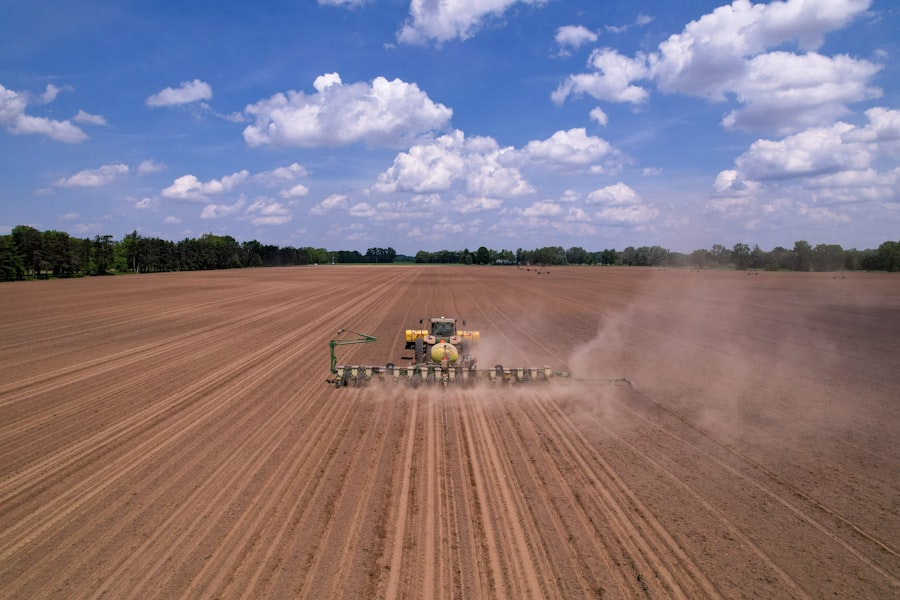
Despite the promising advancements in reforestation techniques, numerous challenges persist that hinder effective implementation. One significant obstacle is the availability of suitable land for planting. Urbanization and agricultural expansion have led to a scarcity of open spaces where trees can thrive.
As you consider this issue, you may realize that finding appropriate locations for reforestation projects often requires careful planning and collaboration with local communities and stakeholders. Another challenge lies in ensuring the survival of newly planted trees. Factors such as climate variability, pests, and diseases can significantly impact young saplings’ growth.
You might find it concerning that many reforestation initiatives fail due to inadequate maintenance and monitoring after planting. This highlights the importance of not only planting trees but also nurturing them through their early stages of growth. Addressing these challenges requires a multifaceted approach that combines innovative techniques with community involvement and long-term planning.
The Role of Technology in Reforestation
Technology plays an increasingly vital role in enhancing reforestation efforts, providing tools that improve efficiency and effectiveness. Geographic Information Systems (GIS) are being utilized to map deforested areas and identify optimal sites for replanting. By analyzing data on soil quality, climate conditions, and existing vegetation, you can gain insights into where reforestation efforts will be most successful.
This data-driven approach allows for more strategic planning and resource allocation. Moreover, mobile applications are emerging as valuable resources for engaging volunteers in reforestation projects. These apps can facilitate tree-planting events by providing information on locations, species selection, and best practices for planting.
You may find it inspiring how technology can mobilize communities and foster a sense of collective responsibility towards environmental stewardship. As you explore these technological advancements, you will see how they empower individuals and organizations to take meaningful action in restoring our planet’s forests.
Sustainable Reforestation Practices
Sustainable reforestation practices are essential for ensuring that newly planted forests thrive over the long term. One key principle is the selection of native tree species that are well-adapted to local ecosystems. By prioritizing indigenous plants, you can help maintain biodiversity and support local wildlife habitats.
Additionally, these species often require less maintenance and are more resilient to local pests and diseases. Another important aspect of sustainable reforestation is implementing agroforestry practices, which integrate trees with agricultural crops. This approach not only enhances soil fertility but also provides farmers with additional sources of income through timber or fruit production.
As you consider these practices, you may recognize the potential for creating synergies between environmental restoration and economic development. By adopting sustainable methods, you can contribute to a healthier planet while supporting local communities.
Community Engagement in Reforestation Projects

Community engagement is a cornerstone of successful reforestation initiatives. When local communities are involved in planning and executing projects, they are more likely to take ownership of the outcomes. You may find it rewarding to learn about various ways communities can participate, from organizing tree-planting events to educating others about the importance of forests.
Engaging local residents fosters a sense of pride and responsibility towards their environment. Moreover, involving communities in reforestation efforts can lead to valuable knowledge exchange. Local inhabitants often possess traditional ecological knowledge that can inform best practices for planting and maintaining trees.
By collaborating with these communities, you can create a more inclusive approach that respects cultural values while promoting environmental sustainability. As you explore this aspect of reforestation, you will see how empowering communities can lead to more resilient ecosystems and stronger social bonds.
Government Policies and Reforestation Initiatives
Government policies play a crucial role in shaping the landscape of reforestation efforts worldwide. You may find it interesting that many countries have established national strategies aimed at increasing forest cover as part of their commitments to combat climate change. These policies often include incentives for landowners to participate in reforestation programs or funding for large-scale tree-planting initiatives.
Additionally, international agreements such as the Paris Agreement emphasize the importance of forest conservation and restoration as part of global climate action efforts. Governments are increasingly recognizing that healthy forests are essential for achieving sustainability goals. As you examine these policies, consider how they can create a supportive framework for reforestation projects while also addressing issues such as land tenure rights and community involvement.
The Future Outlook for Reforestation
Looking ahead, the future of reforestation appears promising yet challenging. As awareness of environmental issues grows, so does the commitment from individuals, organizations, and governments to restore our planet’s forests. You may feel optimistic about the potential for innovative technologies and sustainable practices to transform reforestation efforts into effective solutions for climate change mitigation.
However, it is essential to remain vigilant about the challenges that lie ahead. Climate change continues to pose significant threats to forest ecosystems, making it imperative to adapt strategies accordingly. As you reflect on the future outlook for reforestation, consider how your actions—whether through advocacy, volunteering, or supporting sustainable products—can contribute to a healthier planet.
By fostering a collective commitment to restoring our forests, you can play an integral role in shaping a more sustainable future for generations to come.
In a related article discussing the disadvantages of planting trees for climate change, it is important to consider the potential challenges and drawbacks associated with reforestation efforts. The article highlights the complexities of tree planting initiatives and the need for a comprehensive approach to addressing environmental issues. To learn more about the potential drawbacks of planting trees for climate change, check out the article here.
FAQs
What is reforestation?
Reforestation is the process of planting trees in areas where forests have been depleted or destroyed, with the goal of restoring the ecological balance and increasing the forest cover.
Why is reforestation important?
Reforestation is important for several reasons, including mitigating climate change by absorbing carbon dioxide, preserving biodiversity, preventing soil erosion, and providing habitats for wildlife.
What are some innovations in reforestation?
Innovations in reforestation include the use of drones for planting trees, biodegradable seed pods, and advanced mapping and monitoring technologies to identify suitable areas for reforestation.
What are the challenges in reforestation?
Challenges in reforestation include securing funding and resources, addressing land use conflicts, ensuring the survival of planted trees, and dealing with the impacts of climate change on forest ecosystems.
How can individuals contribute to reforestation efforts?
Individuals can contribute to reforestation efforts by supporting organizations that plant trees, participating in tree-planting initiatives, and advocating for sustainable land use and forest conservation policies.