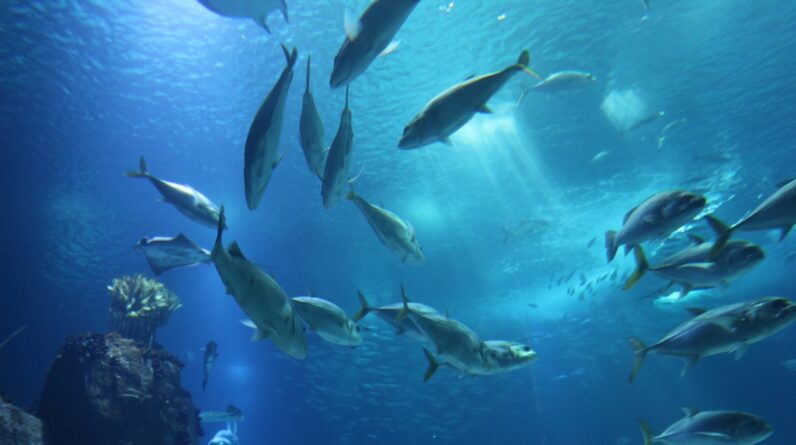
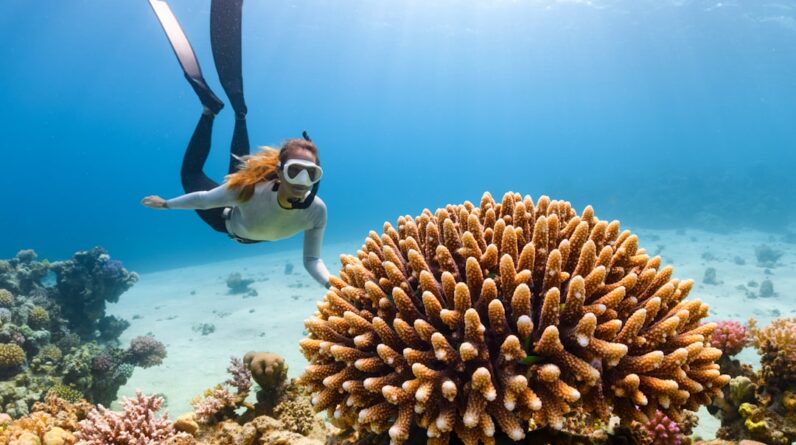
The ripple effect is a powerful metaphor that illustrates how a single action can create waves of change, influencing a broader environment in ways that may not be immediately apparent. When you toss a stone into a still pond, the ripples expand outward, touching every part of the water’s surface. Similarly, your actions—no matter how small—can initiate a chain reaction that impacts the world around you.
This concept is particularly relevant when discussing ocean conservation, as the health of our oceans is intricately linked to individual behaviors and collective efforts. As you delve deeper into the ripple effect, it becomes clear that understanding this phenomenon is crucial for fostering a sustainable future for our oceans. Every choice you make, from the products you buy to the way you dispose of waste, can contribute to the overall health of marine ecosystems.
By recognizing your role in this interconnected web, you can become an agent of change, inspiring others to follow suit and amplifying the positive impact on ocean conservation.
Key Takeaways
- Understanding the concept of the ripple effect is crucial for creating positive change in ocean conservation.
- Small individual actions, such as reducing plastic use or participating in beach clean-ups, can lead to significant benefits for the ocean.
- Changes in one area of the marine ecosystem can have far-reaching effects on the entire ocean, highlighting the interconnectedness of marine life.
- Collective action from a large group of people can create a ripple effect for ocean conservation, amplifying the impact of individual efforts.
- Small shifts in policy and industry practices can lead to positive outcomes for the ocean, demonstrating the power of systemic change.
Small changes, big impact: Examples of how small individual actions can lead to significant benefits for the ocean
You might be surprised to learn that small, everyday actions can lead to substantial benefits for the ocean. For instance, consider your decision to reduce plastic usage. By opting for reusable bags, bottles, and containers, you are not only minimizing your own plastic footprint but also contributing to a larger movement aimed at reducing ocean pollution.
Each piece of plastic that you choose not to use is one less item that could potentially end up in the ocean, harming marine life and disrupting ecosystems. Another example lies in your dietary choices. By choosing sustainably sourced seafood, you support fishing practices that prioritize the health of fish populations and their habitats.
This seemingly minor decision can have far-reaching consequences, as it encourages fisheries to adopt more responsible practices and helps maintain the balance of marine ecosystems. When you make informed choices about what you consume, you send a message to industries about the importance of sustainability, creating a ripple effect that can lead to significant changes in how seafood is harvested and marketed.
The interconnectedness of marine ecosystems: Exploring how changes in one area can affect the entire ocean

The ocean is a complex web of interconnected ecosystems, where changes in one area can have cascading effects throughout the entire marine environment. For example, when coral reefs are damaged due to climate change or pollution, it doesn’t just affect the corals themselves; it also impacts the myriad species that rely on these reefs for shelter and food. As a result, fish populations may decline, leading to imbalances in predator-prey relationships and affecting fishing communities that depend on these resources.
You may not realize it, but even localized actions can have global repercussions. When coastal areas are developed or altered for human use, such as through construction or pollution runoff, it can disrupt natural habitats and lead to erosion or loss of biodiversity. This disruption can affect not only local marine life but also the health of distant ecosystems.
Understanding this interconnectedness emphasizes the importance of protecting all areas of the ocean, as every action taken in one region can resonate throughout the entire marine environment.
The power of collective action: How small changes from a large group of people can create a ripple effect for ocean conservation
When individuals come together with a shared purpose, their collective actions can create a powerful ripple effect for ocean conservation. Imagine if thousands of people committed to reducing their plastic consumption or participating in beach clean-ups; the cumulative impact would be monumental. Each person’s small change contributes to a larger movement that raises awareness and drives policy changes at local and national levels.
You have the power to inspire others by sharing your commitment to ocean conservation within your community. Whether through social media campaigns or local events, your voice can amplify the message that every action counts. When people see their friends and neighbors making environmentally conscious choices, they are more likely to follow suit.
This collective momentum can lead to significant shifts in public perception and behavior regarding ocean health, ultimately fostering a culture of sustainability.
Policy and industry changes: Discussing how small shifts in policy and industry practices can lead to positive outcomes for the ocean
Policy changes often begin with grassroots movements advocating for environmental protection. When individuals unite to demand better regulations on pollution or sustainable fishing practices, they can influence lawmakers and industry leaders to take action. For instance, when communities rally for stricter plastic bag bans or advocate for marine protected areas, these small shifts in policy can lead to significant improvements in ocean health.
You may not be directly involved in policymaking, but your voice matters. By participating in public forums or supporting organizations that advocate for ocean conservation, you contribute to a larger dialogue about the importance of sustainable practices. As more people express their concerns about ocean health, policymakers are more likely to prioritize these issues and implement changes that benefit marine ecosystems.
The role of education and awareness: How small changes in knowledge and perception can lead to big benefits for the ocean

The Power of Perception
Small changes in perception can lead to significant benefits for the ocean. When individuals understand the importance of biodiversity and healthy ecosystems, they are more likely to support conservation efforts or choose sustainable products. This shift in perception can have a profound impact on the ocean’s health.
Spreading Awareness through Education
Promoting educational initiatives within your community or online platforms can help shift perceptions about the ocean and inspire others to take action for its protection. By sharing knowledge and raising awareness, you can empower others to make a positive difference.
Empowering a Generation of Ocean Champions
Together, we can create a wave of change for the ocean. By educating ourselves and others about ocean conservation, we can inspire a new generation of ocean champions who will work tirelessly to protect the ocean and its inhabitants.
Overcoming challenges: Addressing the obstacles and barriers to creating a positive ripple effect for the ocean
Despite the potential for positive change through individual and collective actions, there are numerous challenges that can hinder progress in ocean conservation. One significant barrier is apathy; many people may feel overwhelmed by the scale of environmental issues and believe their actions won’t make a difference. Overcoming this mindset requires persistent efforts to demonstrate how small changes can lead to meaningful outcomes.
Additionally, systemic issues such as corporate interests and political resistance can pose obstacles to effective conservation efforts. You may encounter situations where industries prioritize profit over environmental health, leading to practices that harm marine ecosystems. However, by advocating for transparency and accountability within these sectors, you can help create pressure for change.
Engaging with local businesses and encouraging them to adopt sustainable practices can also contribute to overcoming these challenges.
Emphasizing the importance of individual and collective efforts in creating a sustainable future for the ocean
In conclusion, understanding the ripple effect is essential for fostering a sustainable future for our oceans. Your individual actions—whether they involve reducing plastic use or supporting sustainable seafood—can initiate waves of change that resonate throughout marine ecosystems. By recognizing your role within this interconnected web, you empower yourself and others to contribute positively to ocean conservation.
Collective action amplifies these efforts even further; when communities unite around shared goals, they can drive significant policy changes and raise awareness about critical issues facing our oceans. Education plays a vital role in this process, as increased knowledge leads to informed decisions that benefit marine life. While challenges exist in creating a positive ripple effect for ocean conservation, your commitment and advocacy can help overcome these barriers.
By working together—both individually and collectively—you can contribute to a healthier ocean and ensure its sustainability for future generations. The time for action is now; every small change counts in creating a brighter future for our oceans.
In a related article on Live Life with a Cause, the importance of preventing floods through massive tree planting is discussed. This article highlights the benefits of planting trees in reducing the risk of flooding and protecting communities from natural disasters. By taking small actions like planting trees, we can make a big impact on our environment and create positive ripple effects for our oceans. To learn more about the benefits of tree planting for flood prevention, visit this article.
FAQs
What is the ripple effect in the context of ocean conservation?
The ripple effect in ocean conservation refers to the idea that small changes or actions can have a larger impact on the health and well-being of the ocean ecosystem as a whole.
How does one small change lead to big ocean benefits?
One small change, such as reducing single-use plastic usage or participating in beach clean-ups, can lead to big ocean benefits by inspiring others to take similar actions, creating a collective impact that contributes to the overall health of the ocean.
What are some examples of small changes that can lead to big ocean benefits?
Examples of small changes include reducing plastic consumption, supporting sustainable seafood practices, participating in coastal clean-ups, and advocating for policies that protect marine life and habitats.
What are some of the benefits of making small changes for the ocean?
Making small changes for the ocean can lead to benefits such as cleaner beaches, healthier marine ecosystems, reduced plastic pollution, and the preservation of marine biodiversity.
How can individuals contribute to the ripple effect for ocean conservation?
Individuals can contribute to the ripple effect for ocean conservation by making conscious choices in their daily lives, supporting organizations and initiatives focused on ocean conservation, and spreading awareness about the importance of protecting the ocean.