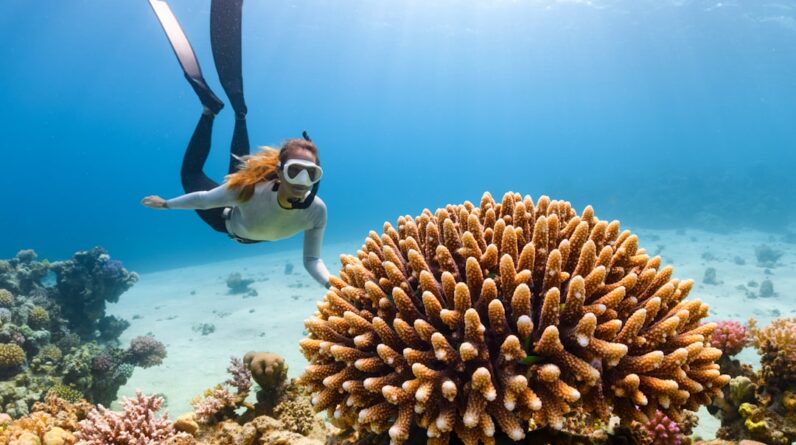
Oxygen is a fundamental element for life, and its presence in the ocean is crucial for maintaining the health of marine ecosystems. As you may know, the ocean produces more than half of the world’s oxygen, primarily through the process of photosynthesis carried out by phytoplankton, seaweed, and other aquatic plants. This oxygen not only supports marine life but also plays a vital role in regulating atmospheric conditions.
The intricate balance of oxygen levels in the ocean is essential for sustaining biodiversity, supporting food webs, and ensuring the overall health of our planet. Moreover, oxygen in the ocean is not just a byproduct of photosynthesis; it is a key player in various biochemical processes that occur within marine environments. For instance, oxygen is necessary for the respiration of fish and other marine organisms, allowing them to thrive and reproduce.
Additionally, it helps decompose organic matter, recycling nutrients back into the ecosystem. Without adequate oxygen levels, marine life suffers, leading to dead zones where few organisms can survive. Understanding the importance of oxygen in the ocean is crucial for anyone interested in marine biology, environmental science, or coastal management.
Key Takeaways
- Oxygen is crucial for marine life and the health of the ocean ecosystem.
- Coastal engineering faces challenges in maintaining oxygen levels in the ocean due to human activities and climate change.
- Innovative approaches such as artificial aeration and oxygenation technologies are being developed to address oxygen depletion in the ocean.
- Marine ecosystems play a vital role in oxygenation through processes like photosynthesis and nutrient cycling.
- Balancing human development with ocean health is essential for sustainable oxygen levels and overall ecosystem well-being.
Current Challenges in Coastal Engineering
As you delve into the field of coastal engineering, you will encounter numerous challenges that impact the health of marine ecosystems and their oxygen levels. One significant issue is coastal erosion, which threatens habitats and alters natural water flow patterns. As coastlines change due to human activities and natural forces, the delicate balance of oxygenation can be disrupted.
This erosion can lead to increased sedimentation in the water, which can smother aquatic plants and reduce their ability to produce oxygen. Another pressing challenge is pollution from urban runoff and industrial discharges. Contaminants such as nutrients from fertilizers can lead to algal blooms, which initially increase oxygen levels but ultimately result in hypoxic conditions when the algae die and decompose.
This cycle creates dead zones that are inhospitable to most marine life. As a coastal engineer, you must consider these factors when designing solutions that not only protect infrastructure but also promote healthy marine ecosystems.
Innovative Approaches to Oxygenate the Ocean
In response to the challenges faced by coastal ecosystems, innovative approaches are being developed to enhance oxygen levels in the ocean. One promising method involves the use of artificial reefs designed to promote marine life and increase photosynthetic activity. By creating structures that provide habitat for fish and other organisms, these reefs can help boost local biodiversity and enhance oxygen production through increased phytoplankton growth.
Another exciting approach is the implementation of floating gardens or seaweed farms. These installations not only provide a sustainable source of food but also contribute to oxygenation by harnessing the natural photosynthetic capabilities of seaweed. As you explore these innovative solutions, you will find that they not only address the immediate need for oxygenation but also offer additional benefits such as carbon sequestration and habitat restoration.
The Role of Marine Ecosystems in Oxygenation
Marine ecosystems play an indispensable role in maintaining oxygen levels in the ocean. You may be aware that coral reefs, mangroves, and seagrass beds are among the most productive ecosystems on Earth. These environments are not only vital for supporting diverse marine species but also act as significant contributors to oxygen production.
For instance, seagrasses can produce up to 10 times more oxygen per unit area than terrestrial forests, making them essential for coastal health. Furthermore, these ecosystems provide critical services that enhance overall ocean health. They act as natural filters, improving water quality by trapping sediments and absorbing excess nutrients.
This filtration process helps maintain optimal conditions for photosynthetic organisms, ensuring that oxygen production remains robust. As you study these ecosystems, you will come to appreciate their interconnectedness and the importance of preserving them for future generations.
Balancing Human Development with Ocean Health
As you navigate the complexities of coastal engineering, one of your primary challenges will be balancing human development with ocean health. Coastal areas are often prime locations for urban development, tourism, and industry, leading to increased pressure on marine ecosystems. You must consider how to design infrastructure that meets human needs while minimizing negative impacts on oxygen levels and overall marine health.
Sustainable development practices are essential in this regard. By incorporating green infrastructure solutions such as permeable surfaces and natural stormwater management systems, you can help mitigate runoff and reduce pollution entering coastal waters. Additionally, engaging local communities in conservation efforts can foster a sense of stewardship for marine environments, encouraging responsible use of resources while promoting healthy ecosystems.
The Impact of Climate Change on Ocean Oxygen Levels
Climate change poses a significant threat to ocean oxygen levels, and as you explore this topic, you will uncover various ways it affects marine environments. Rising sea temperatures can lead to decreased solubility of oxygen in water, making it harder for marine organisms to access this vital resource. Furthermore, climate change can exacerbate stratification in ocean waters, preventing mixing and reducing the distribution of oxygen-rich waters.
Additionally, increased carbon dioxide levels contribute to ocean acidification, which can harm calcifying organisms such as corals and shellfish. These species play a crucial role in maintaining healthy ecosystems and supporting oxygen production through their interactions with other marine life. Understanding these impacts will be essential as you work towards developing strategies to mitigate climate change effects on ocean health.
Collaborative Efforts for a Healthier Ocean
Addressing the challenges facing ocean oxygenation requires collaborative efforts among scientists, engineers, policymakers, and local communities. As you engage with various stakeholders, you will find that interdisciplinary approaches are vital for developing effective solutions. Collaborative research initiatives can help identify best practices for enhancing oxygen levels while considering local ecological contexts.
Moreover, public awareness campaigns can play a crucial role in fostering community involvement in ocean conservation efforts. By educating individuals about the importance of healthy oceans and their role in supporting life on Earth, you can inspire action at both local and global levels. Engaging diverse perspectives will be key to creating comprehensive strategies that promote sustainable practices while ensuring the long-term health of marine ecosystems.
The Future of Coastal Engineering for Ocean Oxygenation
Looking ahead, the future of coastal engineering will likely be shaped by advancements in technology and a growing understanding of marine ecosystems’ complexities. As you explore new materials and design techniques, you may find innovative solutions that enhance oxygenation while addressing human needs. For instance, integrating smart technologies into coastal infrastructure can help monitor water quality and optimize conditions for marine life.
Additionally, as awareness of ocean health continues to grow, there will be increased emphasis on sustainable practices within coastal engineering projects. You may find yourself at the forefront of developing strategies that prioritize ecosystem restoration alongside infrastructure development. By embracing a holistic approach that considers both human and environmental needs, you can contribute to a healthier ocean for generations to come.
In conclusion, understanding the importance of oxygen in the ocean is essential for anyone involved in coastal engineering or marine conservation. By addressing current challenges and exploring innovative solutions, you can play a vital role in promoting healthy marine ecosystems while balancing human development needs. As climate change continues to impact ocean health, collaborative efforts will be crucial for ensuring a sustainable future for our oceans and all who depend on them.
In a related article on how planting trees helps combat climate change, the importance of reforestation and afforestation in reducing carbon dioxide levels and mitigating the effects of global warming is discussed. Just as rethinking coastal engineering can contribute to a healthier, oxygenated ocean, planting trees plays a crucial role in creating a more sustainable environment for future generations. Both initiatives highlight the interconnectedness of our actions on land and sea in addressing pressing environmental challenges.
FAQs
What is coastal engineering?
Coastal engineering is a branch of civil engineering that focuses on the design and construction of infrastructure along coastlines, including ports, harbors, and coastal protection structures.
Why is coastal engineering important for the health of the ocean?
Coastal engineering plays a crucial role in protecting coastal ecosystems and preventing erosion, which can have a significant impact on the health of the ocean. Properly designed coastal infrastructure can also help maintain water quality and promote oxygenation in coastal waters.
How does coastal engineering affect ocean oxygenation?
Coastal engineering projects can impact ocean oxygenation by influencing water circulation patterns, sediment transport, and the distribution of nutrients and pollutants. Properly designed coastal structures can help maintain healthy oxygen levels in coastal waters.
What are some innovative approaches to coastal engineering for a healthier, oxygenated ocean?
Innovative approaches to coastal engineering include the use of nature-based solutions such as living shorelines, oyster reefs, and mangrove restoration to promote natural oxygenation processes. Additionally, incorporating green infrastructure and sustainable design principles can help minimize the negative impacts of coastal development on ocean health.
How can coastal engineering contribute to the overall health of the ocean?
By considering the ecological and environmental impacts of coastal development, coastal engineering can contribute to the overall health of the ocean by preserving natural habitats, promoting biodiversity, and maintaining water quality and oxygen levels.