As you gaze out at the vast expanse of the ocean, it’s easy to overlook the intricate balance that sustains life beneath the surface. However, a silent crisis is unfolding in these waters, one that threatens not only marine ecosystems but also the very fabric of life on Earth. The oxygen crisis in our oceans is a pressing issue that has garnered increasing attention from scientists, environmentalists, and policymakers alike.
This crisis is characterized by a significant decline in dissolved oxygen levels, which are essential for the survival of countless marine species. Understanding this phenomenon is crucial, as it has far-reaching implications for biodiversity, climate regulation, and human livelihoods. The oceans are often referred to as the lungs of our planet, producing a substantial portion of the oxygen we breathe.
Yet, as you delve deeper into the complexities of ocean health, you will discover that these vital ecosystems are under siege. The decline in oxygen levels, known as hypoxia, is not merely an environmental concern; it is a harbinger of broader ecological disruptions. As you explore the causes and consequences of this crisis, you will come to appreciate the interconnectedness of ocean health and human well-being.
Key Takeaways
- The oxygen crisis in our oceans is a serious and growing problem that threatens marine life and human society.
- The decline in oceanic oxygen levels is primarily caused by human activities such as pollution, nutrient runoff, and climate change.
- Oxygen depletion in the oceans has a significant impact on marine life, leading to habitat loss, species displacement, and decreased biodiversity.
- The consequences for human society include economic impacts on fisheries, coastal communities, and potential risks to human health.
- Efforts to address the oxygen crisis include reducing nutrient pollution, protecting marine habitats, and implementing sustainable fishing practices.
Causes of the Decline in Oceanic Oxygen Levels
Several factors contribute to the alarming decline in oxygen levels within our oceans. One of the primary culprits is nutrient pollution, which often results from agricultural runoff and wastewater discharge. When excess nutrients, particularly nitrogen and phosphorus, enter the ocean, they stimulate algal blooms.
While these blooms may seem harmless at first glance, they can lead to severe oxygen depletion as they die off and decompose. The decomposition process consumes oxygen, creating “dead zones” where marine life struggles to survive. In addition to nutrient pollution, climate change plays a significant role in exacerbating the oxygen crisis.
As global temperatures rise, ocean waters warm, leading to decreased solubility of oxygen in seawater. Warmer waters hold less oxygen, making it increasingly difficult for marine organisms to thrive. Furthermore, climate change alters ocean circulation patterns, which can disrupt the natural processes that replenish oxygen in deeper waters.
As you consider these factors, it becomes evident that the decline in oceanic oxygen levels is a multifaceted issue requiring urgent attention.
Impact of Oxygen Depletion on Marine Life

The consequences of declining oxygen levels are dire for marine life. Many species, including fish, crustaceans, and mollusks, rely on adequate oxygen levels to survive and reproduce. As hypoxic conditions spread across vast areas of the ocean, you may witness a decline in fish populations and a shift in species distribution.
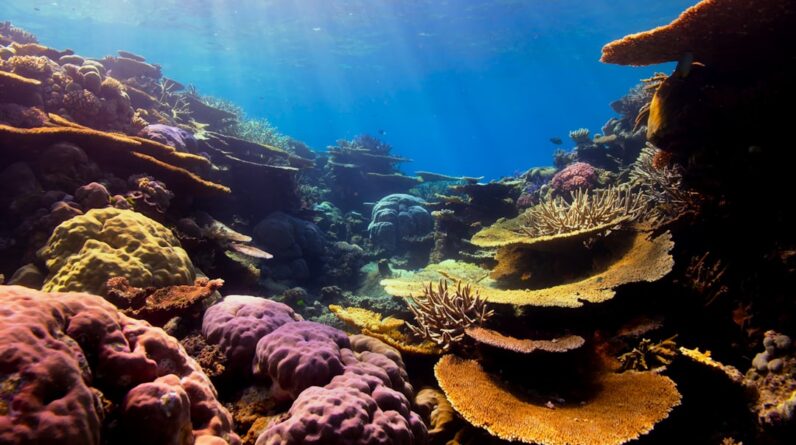
Some species may be able to adapt to lower oxygen levels, but many others face extinction if conditions do not improve. Moreover, the impact of oxygen depletion extends beyond individual species; it disrupts entire ecosystems. Coral reefs, often referred to as the “rainforests of the sea,” are particularly vulnerable to hypoxia.
These ecosystems rely on a delicate balance of oxygen and nutrients to thrive. When oxygen levels drop, coral bleaching events become more frequent, leading to the degradation of these vital habitats. As you reflect on these changes, it becomes clear that the health of our oceans is intricately linked to the survival of countless marine species and the overall biodiversity of our planet.
Consequences for Human Society
The implications of the oxygen crisis extend far beyond marine ecosystems; they also pose significant challenges for human society. Many coastal communities depend on fishing and aquaculture for their livelihoods. As fish populations decline due to hypoxia, you may find that local economies suffer as fishermen struggle to catch enough fish to sustain their families and businesses.
This economic strain can lead to food insecurity and increased poverty in regions heavily reliant on marine resources. Additionally, the decline in ocean health can have ripple effects on global food systems. With fish being a primary source of protein for billions of people worldwide, any disruption in fish populations can lead to nutritional deficiencies and increased reliance on alternative food sources.
As you consider these consequences, it becomes evident that addressing the oxygen crisis is not just an environmental imperative; it is also a matter of social justice and equity.
Efforts to Address the Oxygen Crisis
In response to the growing awareness of the oxygen crisis, various initiatives have emerged aimed at mitigating its effects and restoring ocean health. Governments, non-profit organizations, and research institutions are collaborating to develop strategies that address nutrient pollution and promote sustainable fishing practices. For instance, you may encounter efforts to implement stricter regulations on agricultural runoff and wastewater treatment to reduce nutrient loading into coastal waters.
Moreover, public awareness campaigns play a crucial role in mobilizing communities to take action. By educating individuals about the importance of clean oceans and sustainable practices, these initiatives empower you and others to make informed choices that contribute to ocean health. Whether it’s reducing plastic waste or supporting sustainable seafood options, every action counts in the fight against the oxygen crisis.
The Role of Climate Change in Oxygen Depletion

Climate change is an overarching factor that exacerbates the oxygen crisis in our oceans. As global temperatures continue to rise due to greenhouse gas emissions, you may notice profound changes in oceanic conditions. Warmer waters not only reduce oxygen solubility but also alter ocean currents and stratification patterns.
These changes can hinder the natural mixing processes that typically replenish oxygen in deeper waters. Furthermore, climate change intensifies extreme weather events such as storms and flooding, which can lead to increased runoff and nutrient loading into coastal areas. This cycle creates a feedback loop where climate change contributes to hypoxia while hypoxia further impacts ocean health and resilience against climate change.
As you contemplate these interconnected challenges, it becomes clear that addressing climate change is essential for safeguarding oceanic oxygen levels.
Potential Solutions and Mitigation Strategies
To combat the oxygen crisis effectively, a multifaceted approach is necessary. One potential solution lies in improving agricultural practices to minimize nutrient runoff into waterways. Implementing sustainable farming techniques such as crop rotation, cover cropping, and precision fertilization can significantly reduce nutrient loading into oceans.
By adopting these practices, farmers can contribute to healthier waterways while maintaining their livelihoods. Another promising strategy involves enhancing marine protected areas (MPAs) to safeguard critical habitats from overfishing and pollution. By establishing MPAs in regions vulnerable to hypoxia, you can help create refuges for marine life where they can thrive without the pressures of human activity.
Additionally, investing in research and technology can lead to innovative solutions for monitoring and managing ocean health more effectively.
The Importance of Preserving Oceanic Oxygen Levels
Preserving oceanic oxygen levels is not merely an environmental concern; it is essential for maintaining life on Earth as we know it. The oceans play a critical role in regulating climate patterns, supporting biodiversity, and providing resources for human societies. As you reflect on the importance of healthy oceans, consider how your actions can contribute to this vital cause.
By advocating for sustainable practices and supporting policies aimed at protecting marine ecosystems, you can play a part in addressing the oxygen crisis. Whether through individual choices or collective action within your community, every effort counts toward preserving the delicate balance that sustains life in our oceans. The time to act is now; our oceans—and future generations—depend on it.
If you are interested in learning more about the importance of trees in combating environmental issues, you may want to check out the article Advantages of Planting Trees for Climate Change. This article discusses how planting trees can help mitigate the effects of climate change and improve the health of our planet’s ecosystems. Just as the oxygen crisis in our oceans is a pressing issue, so too is the need to address deforestation and promote tree planting initiatives worldwide.
FAQs
What is the oxygen crisis in our oceans?
The oxygen crisis in our oceans refers to the decreasing levels of oxygen in marine environments, which can have detrimental effects on marine life and ecosystems.
What causes the oxygen crisis in our oceans?
The oxygen crisis in our oceans is primarily caused by human activities such as pollution, nutrient runoff, and climate change. These factors can lead to the depletion of oxygen in the water, creating dead zones where marine life cannot survive.
What are the effects of the oxygen crisis on marine life?
The effects of the oxygen crisis on marine life can be devastating, leading to mass die-offs of fish, shellfish, and other marine organisms. It can also disrupt food chains and ecosystems, leading to long-term ecological consequences.
How can we address the oxygen crisis in our oceans?
Addressing the oxygen crisis in our oceans requires taking action to reduce pollution, minimize nutrient runoff, and mitigate the impacts of climate change. Additionally, implementing sustainable fishing practices and protecting marine habitats can help support the recovery of oxygen levels in the oceans.