Oxygen is an essential element for life on Earth, serving as the cornerstone of survival for nearly all living organisms. You may not realize it, but every breath you take is a testament to the intricate balance of ecosystems that produce this vital gas. Oxygen is not just a byproduct of photosynthesis; it is a critical component of cellular respiration, the process through which your body converts food into energy.
Without oxygen, life as you know it would cease to exist. Understanding the importance of oxygen goes beyond mere biology; it encompasses the health of our planet and the delicate interplay between various ecosystems. As you delve deeper into the significance of oxygen, you will discover that its production is intricately linked to the health of our oceans.
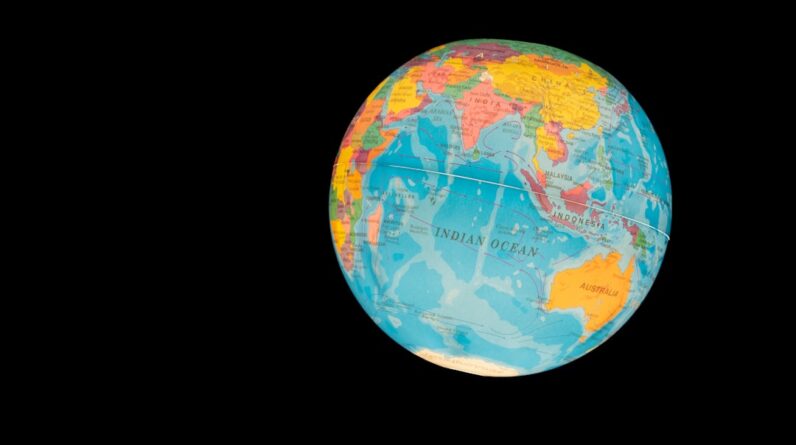
The oceans cover more than 70% of the Earth’s surface and are home to a vast array of life forms that contribute to oxygen generation. The relationship between ocean health and atmospheric oxygen levels is a complex one, influenced by numerous factors including climate change, pollution, and human activity. By recognizing the importance of oxygen and its sources, you can better appreciate the need for sustainable practices that protect our oceans and, in turn, our own well-being.
Key Takeaways
- Oxygen is essential for all life on Earth and is produced primarily by the oceans.
- Oceans play a crucial role in producing oxygen through phytoplankton photosynthesis.
- Climate change is impacting ocean oxygen production through rising temperatures and ocean acidification.
- Human activities such as pollution and overfishing are negatively impacting ocean oxygen levels.
- Protecting ocean ecosystems is vital for preserving oxygen production and maintaining a healthy planet.
The Role of Oceans in Oxygen Production
The oceans play a pivotal role in the production of oxygen, contributing approximately 50% to 80% of the oxygen present in our atmosphere. This remarkable statistic highlights the oceans’ significance in maintaining life on Earth. As you explore this topic further, you will find that the oceans are not merely vast bodies of water; they are dynamic ecosystems teeming with life that actively participate in the global oxygen cycle.
The interplay between marine organisms and physical processes in the ocean creates a continuous supply of oxygen that is vital for both aquatic and terrestrial life. One of the most fascinating aspects of oceanic oxygen production is how it is influenced by various factors such as temperature, nutrient availability, and light penetration. The upper layers of the ocean, where sunlight can penetrate, are particularly important for oxygen generation.
Here, photosynthetic organisms thrive, converting carbon dioxide into oxygen through the process of photosynthesis. As you consider these dynamics, it becomes clear that maintaining healthy ocean ecosystems is crucial for sustaining oxygen levels in our atmosphere.
Phytoplankton and Oxygen Production

At the heart of oceanic oxygen production lies phytoplankton, microscopic plants that float near the surface of the water. These tiny organisms are responsible for producing a significant portion of the Earth’s oxygen supply—estimates suggest that they contribute around 50% of the oxygen you breathe. As you learn more about phytoplankton, you will discover that they are not only essential for oxygen production but also form the foundation of marine food webs.
Their presence supports a diverse array of marine life, from small fish to large whales. Phytoplankton thrive in nutrient-rich waters, where they harness sunlight to convert carbon dioxide into organic matter through photosynthesis. This process not only generates oxygen but also plays a crucial role in regulating atmospheric carbon levels.
As you reflect on this relationship, it becomes evident that protecting phytoplankton populations is vital for both ocean health and global climate stability. Factors such as pollution, overfishing, and climate change can disrupt these delicate ecosystems, leading to declines in phytoplankton populations and, consequently, reduced oxygen production.
The Impact of Climate Change on Ocean Oxygen Production
Climate change poses a significant threat to oceanic oxygen production, with rising temperatures and changing ocean chemistry impacting marine ecosystems. As you consider the implications of climate change, it’s important to recognize how increased carbon dioxide levels lead to ocean acidification—a phenomenon that can harm phytoplankton and other marine organisms. Acidic waters can hinder the ability of these organisms to photosynthesize effectively, ultimately reducing their capacity to produce oxygen.
Moreover, warmer ocean temperatures can lead to stratification, where layers of water become separated based on temperature differences. This stratification can limit nutrient mixing and reduce the availability of essential nutrients for phytoplankton growth. As you contemplate these changes, it becomes clear that climate change not only threatens marine biodiversity but also jeopardizes the very processes that sustain life on Earth through oxygen production.
Human Activities and Their Impact on Ocean Oxygen Levels
Human activities have a profound impact on ocean oxygen levels, often leading to detrimental consequences for marine ecosystems. Pollution from agricultural runoff, industrial waste, and plastic debris can create dead zones—areas in the ocean where oxygen levels are so low that most marine life cannot survive. These dead zones are often caused by excessive nutrient loading, which leads to algal blooms that consume oxygen as they decompose.
As you reflect on this issue, it becomes evident that your choices and actions can contribute to or mitigate these harmful effects. Overfishing is another human activity that disrupts ocean ecosystems and affects oxygen production. By depleting fish populations that play crucial roles in maintaining ecological balance, overfishing can lead to shifts in species composition and reduced biodiversity.
This loss can further exacerbate issues related to oxygen production as healthy ecosystems rely on a diverse array of organisms working together. Understanding how your consumption patterns influence these dynamics can empower you to make more informed choices that support sustainable practices.
The Importance of Protecting Ocean Ecosystems

Protecting ocean ecosystems is essential for ensuring continued oxygen production and maintaining overall planetary health. As you consider the interconnectedness of life on Earth, it becomes clear that safeguarding marine environments is not just an environmental issue; it is a matter of survival for all living beings. Healthy oceans provide numerous benefits beyond oxygen production, including climate regulation, food security, and recreational opportunities.
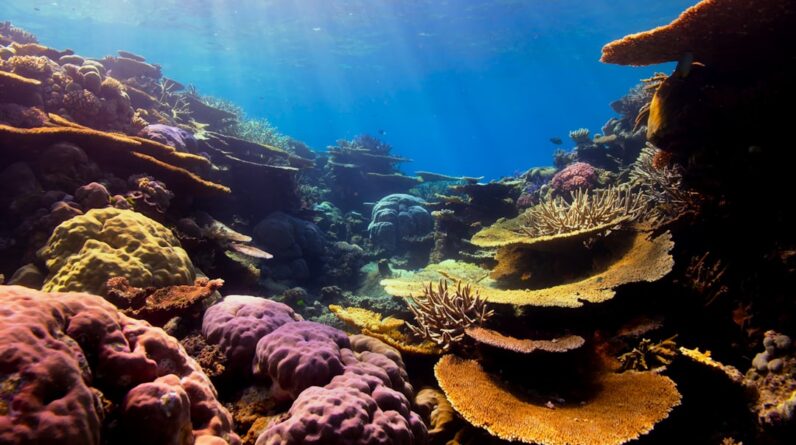
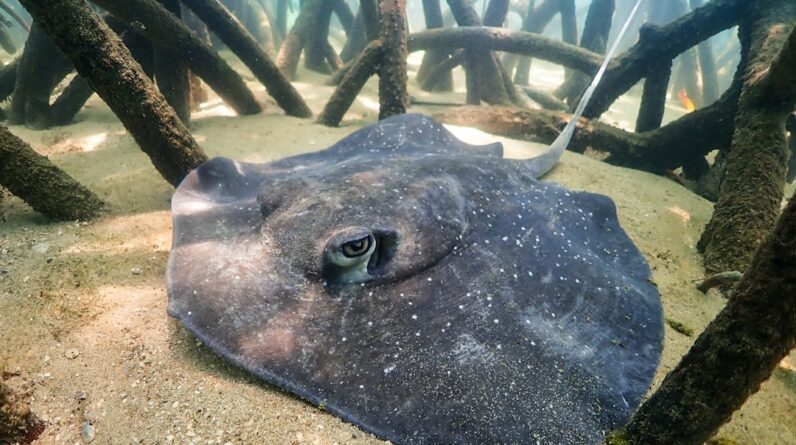
Conservation efforts aimed at protecting marine habitats such as coral reefs, mangroves, and seagrass beds are crucial for maintaining biodiversity and supporting phytoplankton populations. These ecosystems serve as nurseries for many fish species and provide essential services that contribute to overall ocean health. By advocating for policies that prioritize conservation and sustainable practices, you can play a role in preserving these vital ecosystems for future generations.
The Connection Between Ocean Health and Human Health
The health of our oceans is intricately linked to human health in numerous ways. As you explore this connection further, you will find that clean oceans provide not only a source of oxygen but also food and livelihoods for millions of people worldwide. Healthy marine ecosystems support fisheries that provide sustenance for communities while also contributing to local economies through tourism and recreation.
Moreover, the degradation of ocean health can have direct consequences for human well-being. Contaminated waters can lead to health issues related to waterborne diseases and toxic exposure from pollutants found in seafood. As you consider these implications, it becomes evident that protecting ocean ecosystems is not just an environmental concern; it is essential for safeguarding public health and ensuring food security for future generations.
Ways to Support and Preserve Ocean Oxygen Production
There are numerous ways you can support and preserve ocean oxygen production while contributing to healthier marine ecosystems. One effective approach is to reduce your carbon footprint by adopting sustainable practices in your daily life. This may include using public transportation, reducing energy consumption at home, or supporting renewable energy initiatives.
By minimizing your impact on climate change, you can help protect the delicate balance of ocean ecosystems. Additionally, advocating for policies that promote sustainable fishing practices and reduce pollution can make a significant difference in preserving ocean health. Supporting organizations dedicated to marine conservation or participating in local clean-up efforts can also contribute to healthier oceans.
By educating yourself and others about the importance of ocean ecosystems and their role in oxygen production, you can inspire collective action toward a more sustainable future. In conclusion, understanding the importance of oxygen and its sources is crucial for appreciating the interconnectedness of life on Earth. The oceans play a vital role in producing this essential gas through processes driven by phytoplankton and other marine organisms.
However, climate change and human activities pose significant threats to ocean health and oxygen production. By recognizing these challenges and taking action to protect our oceans, you can contribute to a healthier planet for yourself and future generations.
If you are interested in learning more about the importance of trees and their impact on the environment, check out the article How Does Planting Trees Help the Environment?. This article discusses the various ways in which planting trees can benefit the planet, from providing oxygen to creating habitats for wildlife. It is a great companion piece to The Oxygen We Breathe: Thank the Oceans, as it highlights the interconnectedness of all living things on Earth.
FAQs
What is the connection between the oceans and the oxygen we breathe?
The oceans play a crucial role in producing the oxygen we breathe. Phytoplankton, which are tiny marine plants, produce a significant amount of the world’s oxygen through photosynthesis.
How does phytoplankton contribute to oxygen production?
Phytoplankton use sunlight, carbon dioxide, and nutrients to produce oxygen through photosynthesis. They are responsible for producing about 50-85% of the oxygen in the Earth’s atmosphere.
What are some other ways the oceans contribute to oxygen production?
In addition to phytoplankton, marine plants such as seaweed and seagrass also contribute to oxygen production through photosynthesis. These plants play a vital role in maintaining the balance of oxygen and carbon dioxide in the atmosphere.
How does human activity impact the oceans’ ability to produce oxygen?
Human activities such as pollution, overfishing, and climate change can negatively impact the health of the oceans and the ability of marine plants to produce oxygen. This can have serious consequences for the balance of oxygen in the atmosphere.