
When you think about reforestation, you might picture a simple process: planting trees in a barren landscape. However, the full spectrum approach to reforestation is far more nuanced and comprehensive. This method recognizes that successful reforestation goes beyond merely adding trees to the environment; it involves restoring entire ecosystems.
By considering the various layers of biodiversity, soil health, and the interconnections between species, you can create a more resilient and sustainable forest. This holistic perspective emphasizes the importance of understanding the ecological dynamics at play, ensuring that your efforts contribute to a thriving environment. In adopting the full spectrum approach, you also acknowledge the significance of different plant species and their roles within the ecosystem.
Each species contributes uniquely to the habitat, whether through providing food for wildlife, improving soil quality, or enhancing water retention. By diversifying the types of trees and plants you introduce, you can create a more balanced ecosystem that supports a wider range of flora and fauna. This method not only enhances biodiversity but also increases the resilience of the forest against pests, diseases, and climate change.
Ultimately, embracing this comprehensive strategy allows you to foster a healthier environment that can sustain itself for generations to come.
Key Takeaways
- The Full Spectrum Approach to Reforestation involves integrating multiple habitats to create a diverse and resilient ecosystem.
- Identifying and utilizing multiple habitats, such as forests, wetlands, and grasslands, is crucial for successful reforestation projects.
- Integrating multiple habitats in reforestation provides a wide range of environmental, social, and economic benefits, including biodiversity conservation and carbon sequestration.
- Challenges in implementing the Full Spectrum Approach include land availability, funding, and coordination among stakeholders.
- Successful case studies of reforestation projects using the Full Spectrum Approach demonstrate the effectiveness of integrating multiple habitats for long-term sustainability.
Identifying and Utilizing Multiple Habitats in Reforestation
To effectively implement the full spectrum approach, you must first identify and understand the various habitats within your target area. Different habitats—such as wetlands, grasslands, and forests—each have unique characteristics and requirements. By recognizing these distinctions, you can tailor your reforestation efforts to suit the specific needs of each habitat.
For instance, wetlands may require specific tree species that thrive in saturated soils, while upland areas may benefit from drought-resistant varieties. This targeted approach ensures that your reforestation efforts are not only effective but also sustainable. Utilizing multiple habitats in your reforestation strategy can significantly enhance the overall health of the ecosystem.
By integrating various habitats, you create a mosaic of environments that support diverse wildlife and plant species. This diversity is crucial for maintaining ecological balance and resilience. For example, establishing buffer zones around wetlands can help filter pollutants and protect water quality while providing critical habitat for aquatic species.
Similarly, incorporating grasslands into your reforestation plan can support pollinators and other beneficial insects. By recognizing and leveraging the strengths of different habitats, you can create a more robust and interconnected ecosystem.
The Benefits of Integrating Multiple Habitats in Reforestation
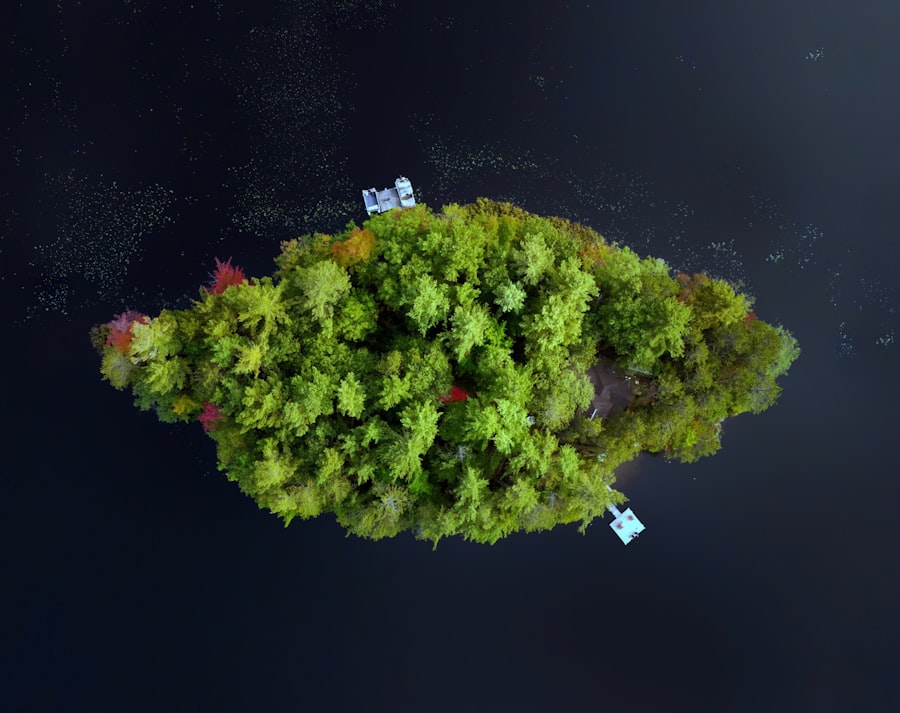
Integrating multiple habitats into your reforestation efforts offers a multitude of benefits that extend beyond mere tree planting. One significant advantage is the enhancement of biodiversity. When you create a variety of habitats, you provide niches for different species to thrive.
This increased biodiversity not only supports wildlife but also contributes to ecosystem stability. A diverse ecosystem is better equipped to withstand environmental stressors such as climate change, disease outbreaks, and invasive species. By fostering a rich tapestry of life, you can help ensure that your reforested area remains resilient over time.
Moreover, integrating multiple habitats can lead to improved ecosystem services. These services include carbon sequestration, water filtration, and soil stabilization—benefits that are crucial for both environmental health and human well-being. For instance, forests play a vital role in capturing carbon dioxide from the atmosphere, helping mitigate climate change.
Wetlands act as natural filters, improving water quality by trapping sediments and pollutants before they enter larger bodies of water. By combining these habitats in your reforestation efforts, you can maximize these ecosystem services, creating a healthier environment for both nature and people.
Challenges and Considerations in Implementing the Full Spectrum Approach
While the full spectrum approach to reforestation offers numerous benefits, it is not without its challenges. One significant hurdle is the complexity of managing multiple habitats simultaneously. Each habitat has its own set of requirements regarding soil type, moisture levels, and plant species compatibility.
As you navigate these complexities, it’s essential to conduct thorough research and engage with ecologists or environmental experts who can provide guidance tailored to your specific project. This collaboration can help ensure that your reforestation efforts are well-informed and effective. Another challenge lies in securing funding and resources for such comprehensive projects.
Reforestation initiatives often compete for limited financial support, and projects that require extensive planning and execution may struggle to attract investment. To overcome this obstacle, consider forming partnerships with local organizations, government agencies, or private stakeholders who share your vision for sustainable reforestation. By pooling resources and expertise, you can enhance your project’s viability while also fostering community engagement and support.
Case Studies of Successful Reforestation Projects Using the Full Spectrum Approach
Examining successful case studies can provide valuable insights into how the full spectrum approach has been effectively implemented in various contexts. One notable example is the reforestation project in Costa Rica’s Osa Peninsula. Here, local communities collaborated with environmental organizations to restore degraded lands by integrating multiple habitats such as tropical rainforests, mangroves, and wetlands.
This project not only revitalized biodiversity but also improved local livelihoods through ecotourism and sustainable agriculture practices. Another inspiring case study comes from China’s Loess Plateau, where a large-scale reforestation initiative transformed barren landscapes into thriving ecosystems. By employing the full spectrum approach, project leaders focused on restoring diverse habitats that included forests, grasslands, and agricultural areas.
This comprehensive strategy not only enhanced biodiversity but also improved soil health and water retention in the region. The success of these projects demonstrates that when you embrace a holistic perspective on reforestation, you can achieve remarkable results that benefit both nature and local communities.
Best Practices for Integrating Multiple Habitats in Reforestation

To effectively integrate multiple habitats into your reforestation efforts, consider adopting several best practices that have proven successful in various projects. First and foremost, conducting a thorough site assessment is crucial. This assessment should include an analysis of soil types, existing vegetation, hydrology, and local climate conditions.
By understanding these factors, you can make informed decisions about which species to plant and how to design your reforestation layout. Additionally, involving local communities in the planning and implementation phases is essential for long-term success. Engaging community members not only fosters a sense of ownership but also ensures that traditional knowledge and practices are incorporated into the project.
This collaboration can lead to more effective habitat integration as locals often have valuable insights into their environment that can inform your strategies.
Engaging Local Communities in the Full Spectrum Approach to Reforestation
Engaging local communities is a cornerstone of the full spectrum approach to reforestation. When you involve community members in your efforts, you tap into their knowledge and experience while fostering a sense of stewardship over their environment. This engagement can take many forms—workshops, educational programs, or hands-on planting events—each designed to empower locals to take an active role in restoring their ecosystems.
Moreover, involving communities can lead to innovative solutions tailored to local needs and conditions. For instance, community members may have traditional practices for managing land that align with modern ecological principles. By blending these approaches, you can create a more effective reforestation strategy that respects cultural heritage while promoting environmental sustainability.
Ultimately, when local communities are engaged in the process, they become advocates for ongoing conservation efforts long after the initial project is completed.
The Future of Reforestation: Embracing the Full Spectrum Approach
As we look toward the future of reforestation efforts worldwide, embracing the full spectrum approach will be crucial in addressing pressing environmental challenges such as climate change and habitat loss. This comprehensive strategy not only enhances biodiversity but also strengthens ecosystems against various threats. By prioritizing ecological integrity over mere tree planting, you can contribute to creating resilient landscapes that support both wildlife and human populations.
In addition to ecological benefits, adopting this approach can foster greater collaboration among stakeholders—from governments to NGOs to local communities—creating a unified front in conservation efforts. As awareness grows about the importance of holistic reforestation strategies, there is potential for increased funding and support for projects that prioritize ecological health over short-term gains. By championing the full spectrum approach today, you are helping pave the way for a more sustainable future where forests thrive alongside diverse ecosystems for generations to come.
In a related article on preventing floods by massive tree planting, the importance of reforestation in mitigating natural disasters such as floods is highlighted. The article discusses how planting trees can help prevent soil erosion, regulate water flow, and reduce the risk of flooding in vulnerable areas. This further emphasizes the significance of integrating multiple habitats in reforestation efforts, as discussed in The Full Spectrum Approach. By planting trees strategically in various habitats, we can not only combat climate change but also protect communities from the devastating impacts of natural disasters.
FAQs
What is the full spectrum approach in reforestation?
The full spectrum approach in reforestation involves integrating multiple habitats, such as forests, wetlands, and grasslands, to create a more diverse and resilient ecosystem.
Why is it important to integrate multiple habitats in reforestation?
Integrating multiple habitats in reforestation helps to create a more diverse and resilient ecosystem, which can support a wider range of plant and animal species. This approach also helps to improve ecosystem services, such as water purification and carbon sequestration.
How does the full spectrum approach benefit reforestation efforts?
The full spectrum approach benefits reforestation efforts by creating more diverse and resilient ecosystems that are better able to withstand environmental changes, such as climate change and habitat loss. This approach also helps to support a wider range of plant and animal species.
What are some examples of integrating multiple habitats in reforestation?
Examples of integrating multiple habitats in reforestation include creating forested wetlands, establishing riparian buffers along streams, and incorporating grasslands and meadows within forested areas. These approaches help to create a more diverse and resilient ecosystem.
How can the full spectrum approach be implemented in reforestation projects?
The full spectrum approach can be implemented in reforestation projects by carefully planning and designing the restoration area to include a variety of habitats. This may involve planting a mix of tree species, creating wetland features, and preserving or restoring grassland areas within the reforestation site.