When you think about protecting your property, land insurance often comes to mind as a crucial safeguard against unforeseen events. This type of insurance serves as a safety net, ensuring that your investment is secure from natural disasters, accidents, and other liabilities. However, the concept of land insurance extends beyond mere financial protection; it encompasses the broader idea of safeguarding the environment and the ecosystems that support our lives.
As you consider the importance of land insurance, it becomes clear that it is not just about protecting your assets but also about preserving the land for future generations. In an era where climate change and environmental degradation are pressing concerns, the role of land insurance takes on new dimensions. It encourages responsible land use and promotes sustainable practices that can mitigate risks associated with environmental hazards.
By investing in land insurance, you are not only protecting your property but also contributing to a larger movement aimed at preserving natural resources and promoting ecological balance. This dual purpose highlights the significance of land insurance as a vital component of responsible land stewardship.
Key Takeaways
- Land insurance is important for protecting against natural disasters and other unforeseen events that can cause damage to property and land.
- Planting trees provides numerous benefits, including improving air and water quality, providing habitat for wildlife, and reducing energy costs.
- Trees act as a natural protection against extreme weather events such as hurricanes, tornadoes, and floods, by reducing wind and water erosion.
- Trees are essential for erosion control, as their roots help to stabilize soil and prevent it from being washed away during heavy rainfall or flooding.
- Planting trees is crucial for climate resilience, as they help to mitigate the impacts of climate change by absorbing carbon dioxide and reducing the urban heat island effect.
The Benefits of Planting Trees
Planting trees offers a multitude of benefits that extend far beyond their aesthetic appeal. As you engage in tree planting, you contribute to the enhancement of air quality, as trees act as natural air filters, absorbing carbon dioxide and releasing oxygen. This process is essential for maintaining a healthy atmosphere and combating climate change.
Moreover, trees provide shade, which can significantly reduce energy costs in urban areas by lowering temperatures and decreasing the need for air conditioning. By planting trees, you are actively participating in a solution that addresses both environmental and economic challenges. In addition to their environmental benefits, trees also play a crucial role in enhancing biodiversity.
They provide habitats for countless species of birds, insects, and other wildlife, fostering a rich ecosystem that supports life. As you plant trees, you create a sanctuary for these creatures, contributing to the preservation of biodiversity in your area. Furthermore, trees can improve mental health and well-being by offering serene spaces for relaxation and recreation.
The simple act of planting a tree can have profound effects on both the environment and your community’s quality of life.
Trees as Natural Protection
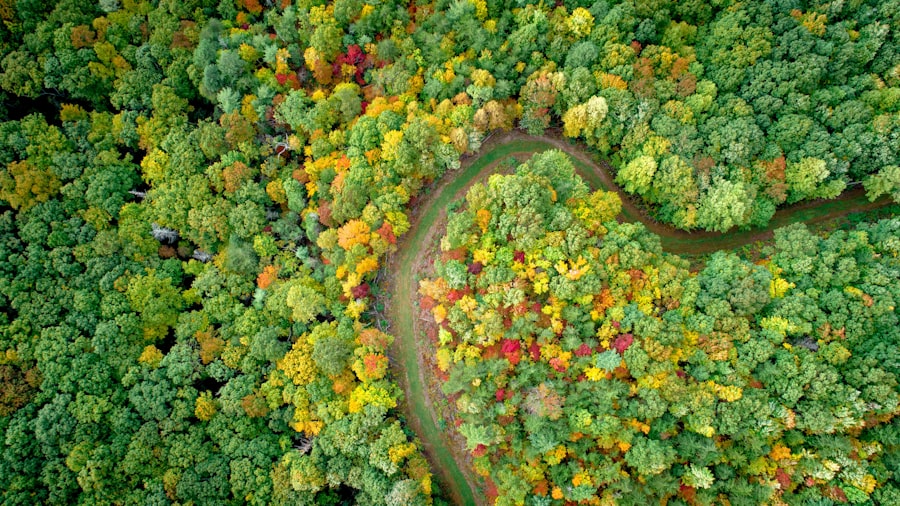
Trees serve as natural protectors of the land, offering a range of benefits that contribute to environmental stability. Their extensive root systems anchor the soil, preventing erosion and maintaining the integrity of the landscape. When you plant trees, you are essentially creating a barrier against soil degradation caused by wind and water runoff.
This natural protection is vital for preserving fertile land and ensuring that it remains productive for agricultural purposes or other uses. Moreover, trees act as buffers against extreme weather events. They can reduce wind speed and provide shelter from heavy rains, thereby minimizing damage to structures and crops.
As you consider the role of trees in your environment, it becomes evident that they are not just passive elements; they actively contribute to the resilience of the landscape. By planting trees, you are investing in a natural defense system that protects both your property and the surrounding ecosystem from the impacts of climate change and severe weather.
Trees for Erosion Control
Erosion is a significant concern for landowners, particularly in areas prone to heavy rainfall or strong winds. The loss of topsoil can lead to decreased agricultural productivity and increased sedimentation in waterways, which can harm aquatic ecosystems. Trees play a pivotal role in controlling erosion by stabilizing soil with their roots and reducing the velocity of water runoff.
When you plant trees along slopes or near water bodies, you create a natural barrier that helps retain soil and prevent erosion. In addition to their physical presence, trees also contribute to moisture retention in the soil. Their leaves intercept rainfall, allowing water to seep into the ground gradually rather than running off immediately.
This process not only helps maintain soil structure but also supports groundwater recharge. By understanding the importance of trees in erosion control, you can take proactive steps to protect your land from degradation while promoting sustainable land management practices.
Trees for Climate Resilience
As climate change continues to pose challenges worldwide, trees emerge as vital allies in building climate resilience. They sequester carbon dioxide from the atmosphere, helping to mitigate greenhouse gas emissions and combat global warming. When you plant trees, you are actively participating in efforts to reduce your carbon footprint and promote a healthier planet for future generations.
Furthermore, trees provide shade and cooling effects in urban areas, which can help combat the urban heat island effect—a phenomenon where cities experience higher temperatures than surrounding rural areas due to human activities. By increasing tree cover in urban environments, you contribute to lower temperatures and improved air quality. This not only enhances the livability of cities but also reduces energy consumption associated with cooling systems.
In this way, planting trees becomes an essential strategy for adapting to climate change while fostering sustainable urban development.
Economic Benefits of Tree Planting
The economic advantages of tree planting are often overlooked but are significant nonetheless. When you invest in planting trees, you are not only enhancing your property’s value but also contributing to local economies. Trees increase property values by providing aesthetic appeal and improving neighborhood desirability.
Studies have shown that homes located near green spaces or tree-lined streets tend to sell for higher prices than those without such features. Moreover, trees can lead to substantial savings on energy costs. By providing shade during hot months, they reduce the need for air conditioning, resulting in lower utility bills.
In addition to direct savings for homeowners, communities with ample tree cover often experience reduced infrastructure costs related to stormwater management and flood control. By understanding these economic benefits, you can appreciate how tree planting is not just an environmental initiative but also a sound financial investment.
Social and Environmental Impact
The social impact of tree planting extends beyond individual benefits; it fosters community engagement and promotes social cohesion. When you participate in tree-planting initiatives or community greening projects, you connect with others who share similar values regarding environmental stewardship. These collective efforts can strengthen community bonds and create a sense of pride in local green spaces.
On an environmental level, trees play a crucial role in improving air quality and enhancing urban landscapes. They absorb pollutants such as sulfur dioxide and nitrogen oxides while filtering particulates out of the air by trapping them on their leaves and bark. This natural filtration system contributes to healthier living conditions for everyone in the community.
Additionally, trees provide essential habitats for wildlife, supporting biodiversity and contributing to ecological balance. By recognizing the social and environmental impacts of tree planting, you can see how this simple act can lead to profound changes within your community.
Planting Trees as a Sustainable Land Insurance
In conclusion, planting trees serves as a form of sustainable land insurance that offers numerous benefits for individuals, communities, and the environment at large. As you reflect on the importance of land insurance in protecting your property, consider how trees can enhance this protection by providing natural safeguards against erosion, climate change, and extreme weather events. The act of planting trees is not merely an aesthetic choice; it is an investment in resilience and sustainability.
By engaging in tree planting initiatives, you contribute to a healthier planet while reaping economic benefits and fostering social connections within your community. The multifaceted advantages of trees underscore their significance as vital components of our landscapes and ecosystems. As you contemplate your role in promoting environmental stewardship, remember that each tree planted is a step toward securing a more sustainable future for generations to come.
Embrace the opportunity to plant trees as a proactive measure—one that not only protects your land but also enriches the world around you.
If you are interested in learning more about the benefits of planting trees, you should check out the article Live Life with a Cause. This article discusses the positive impact that tree planting can have on the environment and communities. It highlights the importance of taking action to protect our planet and create a sustainable future. Additionally, it provides practical tips on how individuals can get involved in tree planting initiatives.
FAQs
What is land insurance?
Land insurance refers to the protection of land and its resources against potential risks and damages. This can include protection against natural disasters, environmental degradation, and other threats to the land’s value and productivity.
Why is planting trees considered the best form of land insurance?
Planting trees is considered the best form of land insurance because trees provide a wide range of benefits that help protect and enhance the value of the land. Trees help prevent soil erosion, regulate water flow, improve air and water quality, provide habitat for wildlife, and contribute to overall ecosystem health.
How do trees help prevent soil erosion?
Trees help prevent soil erosion by stabilizing the soil with their roots, reducing the impact of raindrops on the soil surface, and slowing down the flow of water over the land. This helps to maintain the integrity of the soil and prevent it from being washed away.
What role do trees play in regulating water flow?
Trees play a crucial role in regulating water flow by absorbing and storing water in their roots, reducing surface runoff, and releasing water vapor through transpiration. This helps to maintain a balanced water cycle and reduce the risk of flooding and drought.
How do trees improve air and water quality?
Trees improve air quality by absorbing pollutants and releasing oxygen through photosynthesis. They also help filter and purify water by capturing and retaining pollutants, reducing the risk of contamination in water sources.
What are some other benefits of planting trees for land insurance?
In addition to the environmental benefits, planting trees can also enhance the aesthetic value of the land, provide shade and cooling effects, and contribute to the overall well-being of the community. Trees also have economic benefits, such as increasing property values and providing sustainable sources of timber and other forest products.