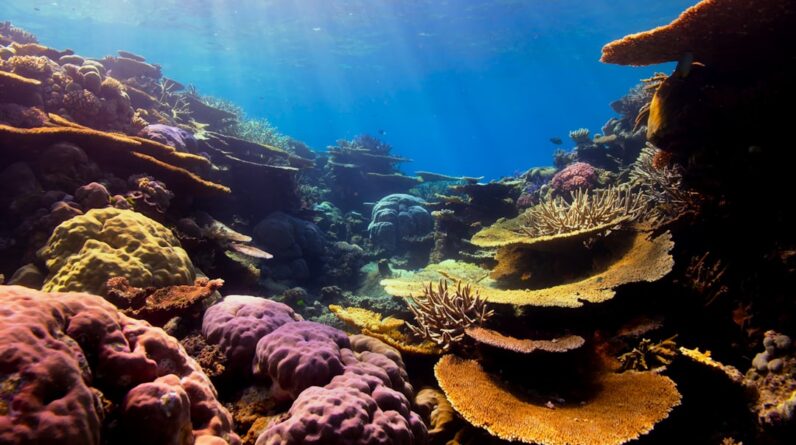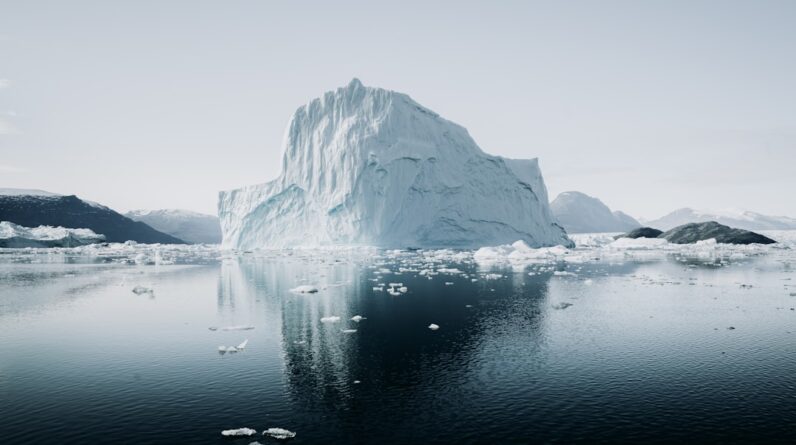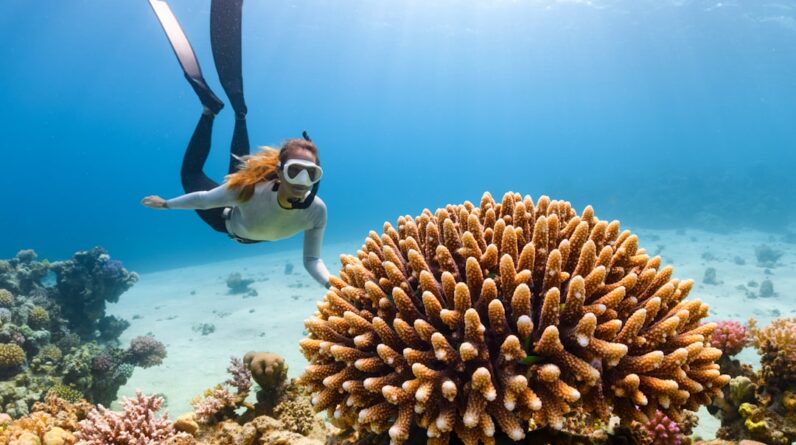
As you explore the world’s most beautiful coastlines and vibrant marine environments, it’s essential to recognize the profound impact that tourism can have on ocean oxygen levels. The influx of visitors to coastal areas often leads to increased pollution, habitat destruction, and overfishing, all of which can significantly disrupt the delicate balance of marine ecosystems. When you consider the sheer volume of waste generated by tourists—ranging from plastic debris to sewage—it becomes clear that these activities can lead to a decrease in the oxygen available in ocean waters.
This is particularly concerning because oxygen is vital for the survival of countless marine species. Moreover, the construction of resorts, hotels, and other tourist facilities can lead to coastal erosion and the destruction of vital habitats such as mangroves and seagrass beds. These ecosystems play a crucial role in oxygen production and carbon sequestration.
As you enjoy your beach vacation, it’s important to understand that the very activities that bring you joy can also contribute to a decline in ocean health. The more you learn about these impacts, the more you can appreciate the need for responsible tourism practices that prioritize the preservation of our oceans.
Key Takeaways
- Tourism can contribute to the decline in ocean oxygen levels through activities such as pollution and carbon emissions.
- Ocean oxygen is crucial for the survival of marine life, as it is essential for respiration and the maintenance of healthy ecosystems.
- Coral reefs play a significant role in oxygen production and are vital for maintaining ocean oxygen levels.
- Over-tourism can have detrimental effects on marine ecosystems, leading to pollution, habitat destruction, and disruption of natural processes.
- Sustainable tourism practices, such as responsible waste management and supporting conservation efforts, are essential for protecting ocean oxygen levels and marine life.
The Importance of Ocean Oxygen for Marine Life
Ocean oxygen levels are not just a statistic; they are a lifeline for marine life. As you dive into the depths of the ocean or snorkel above vibrant coral reefs, you may not realize that the oxygen dissolved in seawater is essential for the survival of fish, invertebrates, and other marine organisms. Just as you rely on clean air to breathe, marine creatures depend on oxygen-rich waters to thrive.
The health of entire ecosystems hinges on maintaining adequate oxygen levels, which support everything from tiny plankton to large whales. In addition to supporting individual species, ocean oxygen levels are critical for maintaining biodiversity. Healthy ecosystems with sufficient oxygen levels can support a wide variety of marine life, creating a balanced environment where species can coexist.
When oxygen levels drop due to pollution or other human activities, it can lead to hypoxic conditions—areas where oxygen is so low that most marine life cannot survive. As you engage with the ocean, whether through swimming, diving, or simply enjoying its beauty from the shore, remember that your actions can influence the health of these vital ecosystems.
The Role of Coral Reefs in Oxygen Production
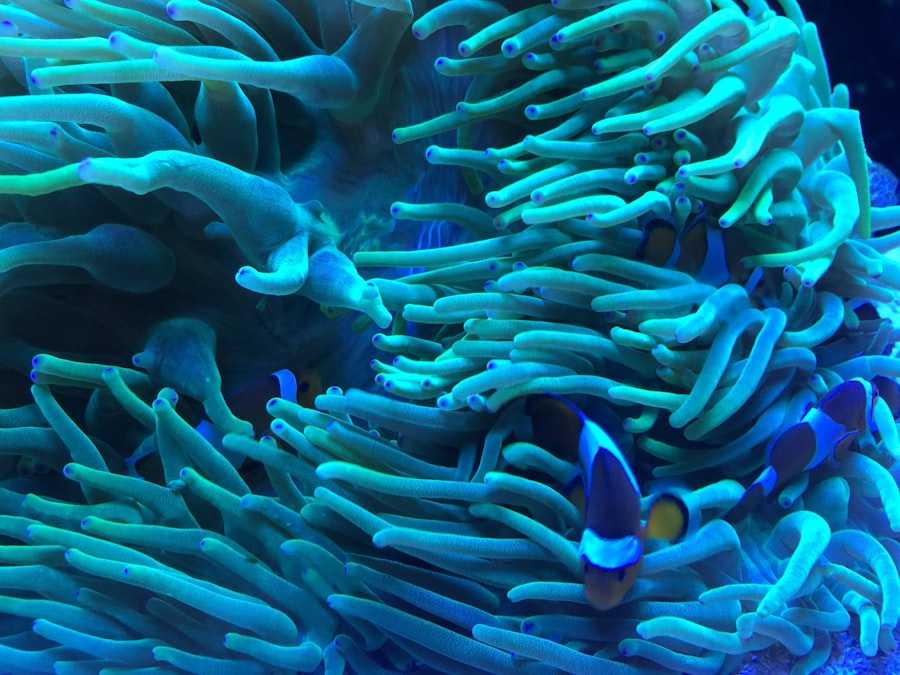
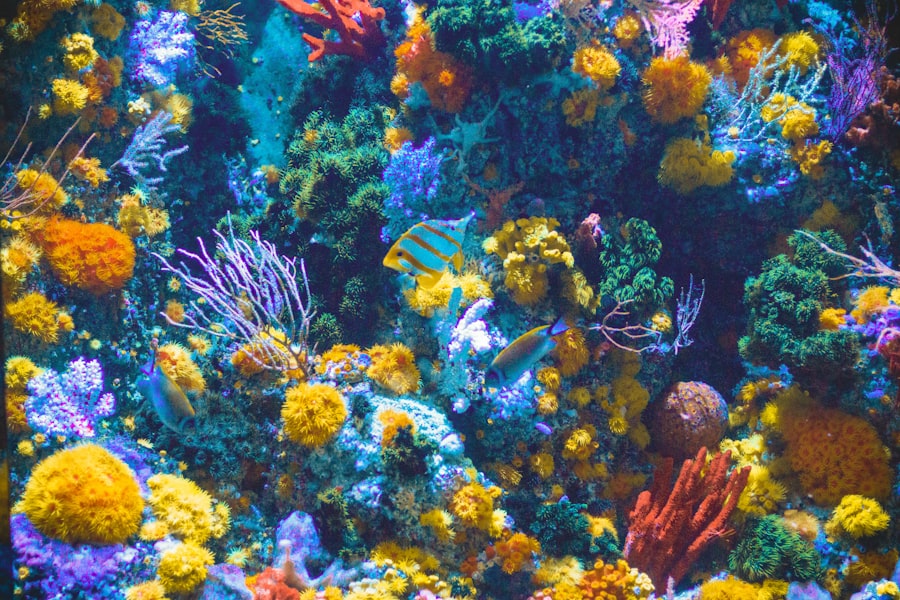
Coral reefs are often referred to as the “rainforests of the sea,” and for good reason. These vibrant ecosystems are not only home to an incredible diversity of marine life but also play a significant role in oxygen production. As you marvel at the colorful corals and the myriad of fish that inhabit these underwater gardens, it’s important to recognize that corals contribute to oxygen levels through photosynthesis.
The symbiotic relationship between corals and zooxanthellae—tiny algae that live within their tissues—allows for the conversion of sunlight into energy, releasing oxygen as a byproduct. However, coral reefs are under threat from various human activities, including tourism. When you participate in activities like snorkeling or diving, it’s crucial to be mindful of your impact on these delicate ecosystems.
Anchoring boats on reefs, touching corals, or collecting marine souvenirs can cause irreversible damage. By understanding the vital role that coral reefs play in oxygen production and marine biodiversity, you can make informed choices that help protect these precious environments for future generations.
The Effects of Over-tourism on Marine Ecosystems
Over-tourism has emerged as a significant challenge for many popular coastal destinations around the world. As you navigate crowded beaches and bustling resorts, it’s essential to consider how this surge in visitors affects marine ecosystems. The sheer volume of people can lead to increased waste generation, habitat degradation, and heightened pressure on local resources.
When too many tourists flock to a single area, it can overwhelm local infrastructure and lead to pollution that directly impacts ocean health. The consequences of over-tourism extend beyond immediate environmental degradation; they can also disrupt local communities and economies that rely on sustainable practices. As you enjoy your time in these beautiful locations, consider how your presence contributes to the overall impact on marine ecosystems.
By choosing less-traveled destinations or engaging in eco-friendly activities, you can help alleviate some of the pressures associated with over-tourism while still enjoying the wonders of the ocean.
Sustainable Tourism Practices to Protect Ocean Oxygen Levels
Embracing sustainable tourism practices is essential for protecting ocean oxygen levels and ensuring the health of marine ecosystems. As you plan your next trip, consider opting for eco-friendly accommodations that prioritize sustainability and conservation efforts. Many hotels and resorts are now implementing practices such as waste reduction programs, water conservation measures, and partnerships with local conservation organizations.
By supporting these establishments, you contribute to a more sustainable tourism model that benefits both the environment and local communities. Additionally, engaging in responsible activities while traveling can make a significant difference. Choose guided tours that emphasize environmental education and conservation efforts rather than those that exploit natural resources.
Participate in beach clean-ups or volunteer programs focused on marine conservation during your visit. By actively participating in sustainable tourism practices, you not only enhance your travel experience but also play a vital role in protecting ocean oxygen levels and preserving marine ecosystems for future generations.
Balancing Tourism Enjoyment with Environmental Conservation
Finding a balance between enjoying tourism experiences and conserving the environment is crucial for maintaining healthy oceans. As you indulge in activities like swimming, snorkeling, or exploring coastal towns, it’s important to remain aware of your environmental footprint. Simple actions such as minimizing plastic use, respecting wildlife habitats, and adhering to local regulations can significantly contribute to preserving ocean health.
Moreover, advocating for responsible tourism practices within your social circles can amplify your impact. Share your experiences with friends and family, encouraging them to consider their environmental impact while traveling. By fostering a culture of awareness and responsibility among fellow travelers, you can help create a collective movement toward sustainable tourism that prioritizes environmental conservation alongside enjoyment.
The Responsibility of Tourists in Preserving Ocean Oxygen
As a tourist, you hold a unique position of influence when it comes to preserving ocean oxygen levels. Your choices—ranging from transportation methods to daily habits—can either contribute to or mitigate environmental degradation. For instance, opting for public transportation or eco-friendly travel options reduces carbon emissions and helps protect marine environments from pollution associated with fossil fuels.
Additionally, being mindful of your consumption habits while traveling is essential. Reducing single-use plastics, supporting local businesses that prioritize sustainability, and being conscious of water usage are all ways you can contribute positively to ocean health. By taking personal responsibility for your actions as a tourist, you become an advocate for preserving ocean oxygen levels and ensuring that future generations can enjoy the beauty of our oceans.
Collaborative Efforts for Ocean Oxygen Protection in Tourist Destinations
Collaborative efforts among governments, local communities, businesses, and tourists are vital for protecting ocean oxygen levels in tourist destinations. As you travel, look for initiatives that promote conservation and sustainability within the areas you visit. Many coastal regions are implementing programs aimed at reducing pollution, restoring habitats, and promoting responsible tourism practices.
Engaging with local organizations dedicated to marine conservation can also enhance your travel experience while contributing positively to ocean health. Whether through volunteering opportunities or educational programs, these collaborations foster a deeper understanding of the challenges facing marine ecosystems and empower you to make informed choices during your travels. By participating in these collective efforts, you not only enrich your own experiences but also play an active role in safeguarding ocean oxygen levels for generations to come.
In conclusion, as you embark on your travels and explore the wonders of our oceans, remember that your actions have consequences—both positive and negative. By understanding the impact of tourism on ocean oxygen levels and embracing sustainable practices, you can enjoy your adventures while contributing to the preservation of marine ecosystems. Together with fellow travelers and local communities, we can work towards a future where tourism coexists harmoniously with environmental conservation, ensuring that our oceans remain vibrant and healthy for years to come.
In a related article on reforestation, the importance of planting trees to help combat climate change and protect the environment is discussed. Reforestation plays a crucial role in balancing the negative impacts of tourism on the environment, such as deforestation and carbon emissions. By planting trees, we can help restore ecosystems, improve air quality, and mitigate the effects of climate change. Just as with ocean oxygen protection, reforestation is a vital tool in maintaining a healthy planet for future generations.
FAQs
What is the impact of tourism on ocean oxygen levels?
Tourism can have a negative impact on ocean oxygen levels through activities such as pollution from cruise ships, overfishing, and damage to coral reefs. These activities can lead to a decrease in oxygen levels and harm marine life.
How can tourism be balanced with the protection of ocean oxygen levels?
Balancing tourism with the protection of ocean oxygen levels can be achieved through sustainable tourism practices, such as responsible waste management, promoting marine conservation efforts, and implementing regulations to limit the impact of tourism activities on the ocean.
What are the consequences of declining ocean oxygen levels due to tourism?
Declining ocean oxygen levels due to tourism can lead to negative consequences such as the loss of marine biodiversity, harmful algal blooms, and the disruption of marine ecosystems. This can have far-reaching effects on the environment and the livelihoods of coastal communities.
What are some sustainable tourism practices that can help protect ocean oxygen levels?
Sustainable tourism practices that can help protect ocean oxygen levels include promoting eco-friendly tourism activities, supporting marine conservation initiatives, reducing plastic waste, and educating tourists about the importance of preserving the marine environment.
How can tourists contribute to the protection of ocean oxygen levels?
Tourists can contribute to the protection of ocean oxygen levels by choosing eco-friendly tour operators, participating in beach clean-up activities, supporting local marine conservation projects, and being mindful of their environmental impact while traveling.