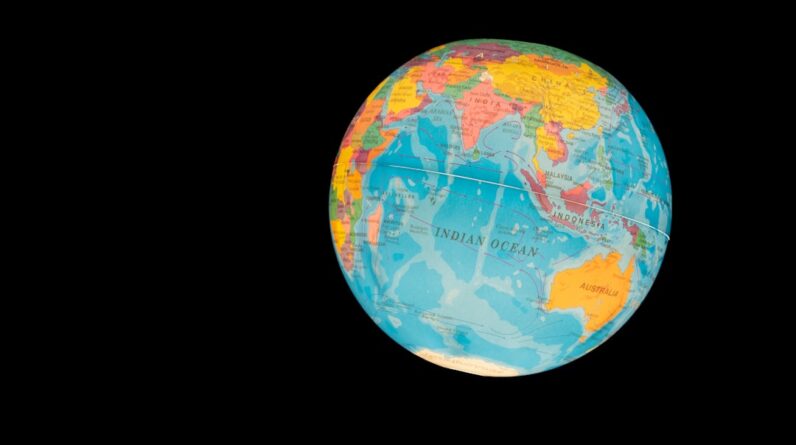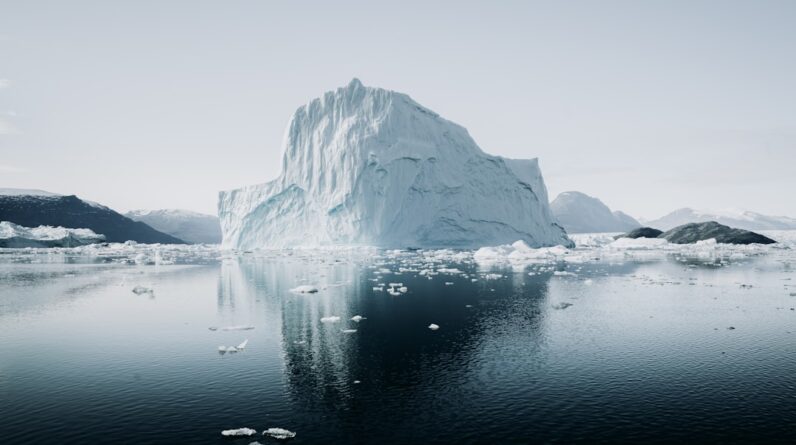
As you stand on the shore, the rhythmic sound of waves crashing against the sand may seem soothing, but beneath this tranquil facade lies a growing threat: rising sea levels. This phenomenon, driven primarily by climate change, is a result of melting ice caps and glaciers, as well as the thermal expansion of seawater as it warms. You may not realize it, but these changes are not just distant concerns; they are affecting coastlines around the world, leading to significant erosion.
Coastal communities are witnessing their beaches and homes slowly succumb to the relentless advance of the ocean. The picturesque views you cherish could soon be replaced by stark realities of loss and displacement. Coastal erosion is not merely an environmental issue; it has profound implications for human life and infrastructure.
As shorelines recede, vital habitats for wildlife are destroyed, and the natural barriers that protect inland areas from storm surges are diminished. You might find it alarming to learn that many cities, particularly those situated in low-lying areas, face an existential threat. The very foundations of your favorite coastal towns could be washed away, leading to increased vulnerability during storms and flooding events.
The urgency to address rising sea levels and coastal erosion cannot be overstated, as these changes will continue to reshape our landscapes and communities in the years to come.
Key Takeaways
- Rising sea levels and coastal erosion are threatening the existence of coastal communities and infrastructure.
- Increased frequency and intensity of extreme weather events are causing widespread destruction and loss of life.
- Displacement of communities and loss of livelihoods are becoming more common as a result of climate change impacts.
- Decline in biodiversity and ecosystem degradation are posing long-term threats to the health of the planet.
- Threats to food security and agricultural productivity are putting global food systems at risk.
Increased frequency and intensity of extreme weather events
You may have noticed that weather patterns have become increasingly erratic in recent years. The frequency and intensity of extreme weather events, such as hurricanes, floods, and heatwaves, have surged alarmingly. These events are not mere anomalies; they are symptomatic of a changing climate that is influenced by human activity.
As temperatures rise, the atmosphere holds more moisture, leading to heavier rainfall and more powerful storms. You might recall recent news reports detailing catastrophic hurricanes that have wreaked havoc on communities, leaving destruction in their wake. These events serve as stark reminders of the urgent need for climate action.
The consequences of these extreme weather events extend far beyond immediate destruction. You may find it unsettling to consider how they disrupt lives and economies. Infrastructure is damaged or destroyed, leading to costly repairs and prolonged recovery times.
Communities that once thrived can find themselves grappling with the aftermath of a disaster, struggling to rebuild while facing the looming threat of future storms. The emotional toll on individuals and families can be profound, as they navigate the challenges of displacement and loss. As you reflect on these realities, it becomes clear that addressing climate change is not just an environmental imperative; it is a matter of safeguarding human lives and livelihoods.
Displacement of communities and loss of livelihoods
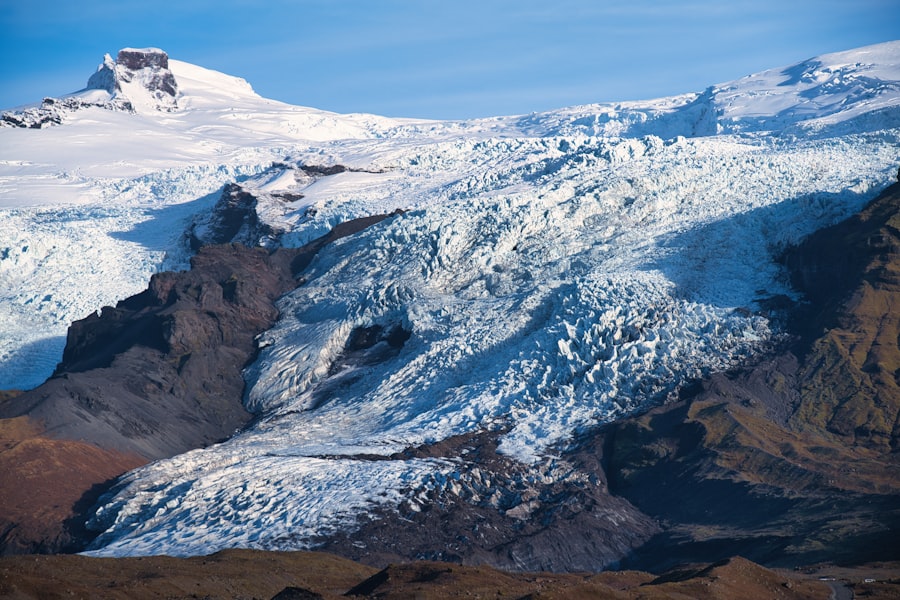
Imagine waking up one day to find that your home is no longer safe due to rising waters or extreme weather events. Displacement is becoming an all-too-common reality for many communities around the globe. As climate change accelerates, entire populations are forced to leave their homes in search of safety and stability.
You may be surprised to learn that this phenomenon is not limited to remote or impoverished regions; even developed nations are grappling with the consequences of climate-induced displacement. The emotional toll of leaving behind familiar surroundings, friends, and cultural ties can be devastating. The loss of livelihoods often accompanies displacement, compounding the challenges faced by affected individuals and families.
You might think about how many people rely on agriculture, fishing, or tourism for their income—industries that are particularly vulnerable to climate change impacts. As coastal areas erode or extreme weather disrupts seasonal patterns, traditional ways of life are threatened. The struggle to adapt can lead to increased poverty and social instability, as displaced individuals seek new opportunities in unfamiliar environments.
The interconnectedness of climate change and displacement underscores the urgent need for comprehensive solutions that address both environmental sustainability and social equity.
Decline in biodiversity and ecosystem degradation
As you explore the natural world around you, you may notice the delicate balance that sustains ecosystems. However, this balance is increasingly under threat due to climate change. The decline in biodiversity is a pressing concern that affects not only wildlife but also human well-being.
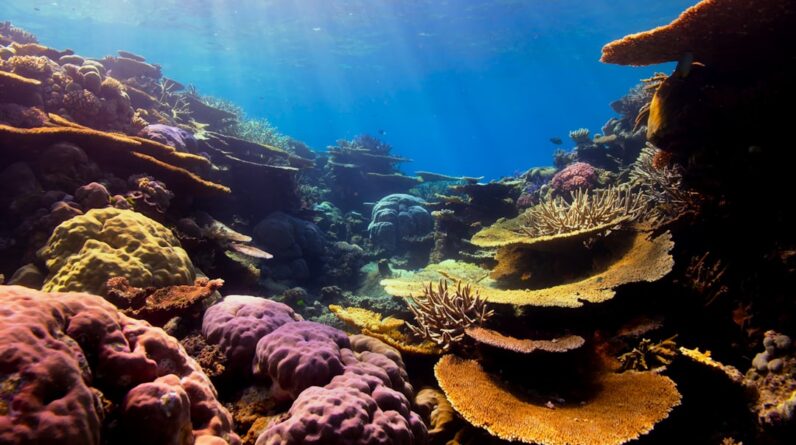
You might be surprised to learn that many species are struggling to adapt to rapidly changing conditions, leading to habitat loss and extinction. Coral reefs, often referred to as the “rainforests of the sea,” are particularly vulnerable; rising ocean temperatures cause coral bleaching, which devastates marine life. Ecosystem degradation has far-reaching implications for the services these systems provide.
You may not realize it, but healthy ecosystems play a crucial role in regulating climate, purifying air and water, and supporting food production. As biodiversity declines, these essential services become compromised, threatening your quality of life. The loss of pollinators like bees can directly impact agricultural productivity, while deforestation can exacerbate climate change by releasing stored carbon into the atmosphere.
Protecting biodiversity is not just an environmental concern; it is essential for maintaining the resilience of our planet and ensuring a sustainable future for generations to come.
Threats to food security and agricultural productivity
You may have heard about the challenges facing global food systems in recent years, but the connection between climate change and food security is often overlooked. As temperatures rise and weather patterns become more unpredictable, agricultural productivity is increasingly at risk. You might be surprised to learn that crops are sensitive to changes in temperature and precipitation; even slight variations can lead to reduced yields or crop failures.
This poses a significant threat to food security, particularly in regions already vulnerable to hunger. The implications of declining agricultural productivity extend beyond individual farmers; they ripple through entire economies and societies. You may find it concerning that rising food prices can lead to increased poverty and social unrest.
As communities struggle to access sufficient nutrition, malnutrition rates can rise, impacting health outcomes for children and adults alike. The interconnectedness of climate change and food security highlights the urgent need for innovative solutions that promote sustainable agriculture while addressing the challenges posed by a changing climate.
Health impacts, including heat-related illnesses and vector-borne diseases
As you go about your daily life, you may not always consider how climate change can impact your health directly. However, rising temperatures and shifting weather patterns are contributing to a range of health issues that affect individuals worldwide. Heat-related illnesses are becoming more prevalent as extreme heat events increase in frequency and intensity.
You might find it alarming that vulnerable populations—such as the elderly or those with pre-existing health conditions—are particularly at risk during heatwaves. In addition to heat-related illnesses, climate change is also influencing the spread of vector-borne diseases like malaria and dengue fever. As temperatures rise, the habitats suitable for disease-carrying insects expand, putting more people at risk.
You may be surprised to learn that regions previously unaffected by these diseases are now experiencing outbreaks due to changing climatic conditions. The health impacts of climate change underscore the need for comprehensive public health strategies that address both prevention and adaptation in a warming world.
Economic costs and implications for global supply chains
You may not realize it, but climate change has far-reaching economic implications that extend beyond environmental concerns. The costs associated with extreme weather events, rising sea levels, and ecosystem degradation can be staggering. You might find it surprising that governments and businesses alike are grappling with the financial burden of repairing infrastructure damaged by storms or adapting to new climatic realities.
These costs can strain public budgets and divert resources from other critical areas such as education or healthcare. Moreover, climate change poses significant risks to global supply chains that underpin our interconnected economy. You may have noticed disruptions in product availability or price fluctuations due to extreme weather events affecting agricultural production or transportation networks.
As businesses face increasing uncertainty related to climate impacts, they must adapt their strategies to ensure resilience in a changing world. The economic costs associated with climate change highlight the urgent need for proactive measures that promote sustainability while safeguarding livelihoods.
Social and political unrest due to resource scarcity and migration
As you reflect on the interconnectedness of climate change with social dynamics, you may begin to understand how resource scarcity can lead to unrest and conflict. As communities face dwindling access to essential resources like water and arable land due to climate impacts, tensions can escalate. You might find it concerning that competition for these resources can exacerbate existing inequalities and fuel social unrest.
In regions already grappling with political instability or economic hardship, the added pressure from climate change can create a volatile environment. Migration is another critical aspect of this issue; as people are forced to leave their homes due to climate-related factors, they often seek refuge in neighboring areas or countries. You may be surprised by how this influx can strain local resources and services, leading to further tensions between displaced populations and host communities.
The social and political implications of climate-induced migration underscore the need for comprehensive policies that address both environmental sustainability and social equity while fostering cooperation among nations facing shared challenges. In conclusion, as you navigate through these complex issues related to climate change, it becomes evident that they are intricately linked—each aspect influencing the others in profound ways. From rising sea levels threatening coastal communities to health impacts affecting vulnerable populations, the urgency for action has never been clearer.
By understanding these interconnected challenges, you can contribute to meaningful discussions about solutions that promote resilience and sustainability for our planet and its inhabitants.
Global Boiling Point: The Most Shocking Impacts of Warming Already Here highlights the urgent need for action to combat climate change. One related article that delves into the importance of addressing environmental issues is Stop Forest Burning: Save Trees and Animals. This article discusses the devastating effects of forest fires on ecosystems and wildlife, emphasizing the crucial role of preserving forests in mitigating climate change. By understanding the interconnectedness of environmental issues, we can work towards a more sustainable future.
FAQs
What are the most shocking impacts of global warming that are already here?
Some of the most shocking impacts of global warming that are already being observed include rising sea levels, extreme weather events, loss of biodiversity, and disruptions to agriculture and food supply.
How are rising sea levels impacting the world?
Rising sea levels are causing coastal erosion, flooding, and the displacement of communities. They also pose a threat to infrastructure, such as roads, buildings, and ports.
What are the effects of extreme weather events caused by global warming?
Extreme weather events, such as hurricanes, heatwaves, and droughts, are becoming more frequent and intense due to global warming. These events can lead to loss of life, destruction of property, and disruptions to economies.
How is global warming impacting biodiversity?
Global warming is causing shifts in ecosystems and habitats, leading to the loss of plant and animal species. It is also contributing to the acidification of oceans, which is harmful to marine life.
How is global warming affecting agriculture and food supply?
Global warming is leading to changes in precipitation patterns, temperature extremes, and the spread of pests and diseases, all of which can impact crop yields and food production. This can lead to food shortages and increased food prices.