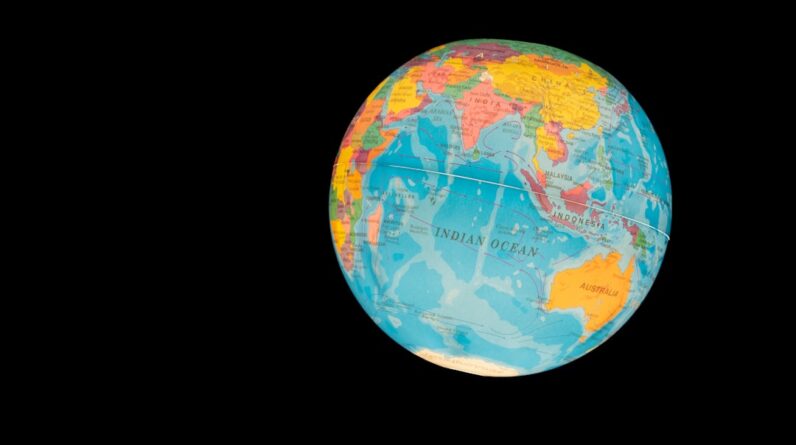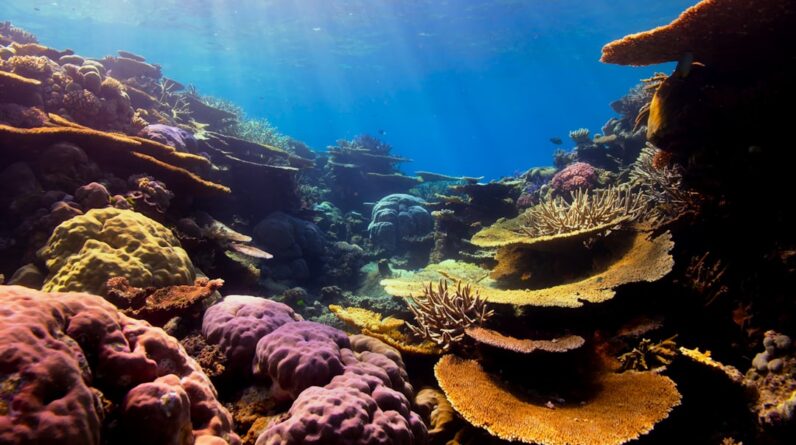
When you think about the sources of oxygen that sustain life on Earth, your mind might immediately drift to lush forests or expansive grasslands. However, the oceans play an equally vital role in this process, serving as the planet’s largest oxygen factories. Phytoplankton, tiny marine plants that float on the ocean’s surface, are responsible for producing approximately 50% of the oxygen you breathe.
These microscopic organisms harness sunlight and carbon dioxide to create energy through photosynthesis, releasing oxygen as a byproduct. The health of these oceanic ecosystems is crucial not only for maintaining atmospheric balance but also for supporting marine life and regulating climate. The significance of these oxygen factories extends beyond mere numbers; they are integral to the overall health of our planet.
As you navigate through your daily life, it’s easy to overlook the interconnectedness of these systems. The oceans absorb vast amounts of carbon dioxide, helping to mitigate climate change and its associated impacts. However, this delicate balance is increasingly threatened by human activities.
Understanding the challenges facing these vital ecosystems is essential for fostering a sustainable future. By recognizing the importance of oceanic oxygen production, you can become more aware of your role in protecting these invaluable resources.
Key Takeaways
- Ocean’s oxygen factories, such as coral reefs and phytoplankton, are crucial for maintaining a healthy marine ecosystem and supporting life on Earth.
- Microplastics pose a significant threat to ocean’s oxygen factories, as they can disrupt the food chain and harm marine organisms.
- Chemical sunscreens containing oxybenzone and octinoxate can contribute to coral bleaching and damage the ocean’s oxygen production.
- Fertilizers and pesticides from agricultural runoff can lead to algal blooms, which deplete oxygen levels in the ocean and harm marine life.
- Petroleum-based products, including oil spills and plastic waste, can have a detrimental impact on ocean’s oxygen production and marine ecosystems.
Microplastics: The Silent Killer of Ocean’s Oxygen Factories
As you stroll along a beach or gaze out at the ocean, you may not realize that microplastics are silently infiltrating these vital ecosystems. These tiny plastic particles, often less than five millimeters in size, have become ubiquitous in marine environments due to the breakdown of larger plastic debris. Microplastics pose a significant threat to phytoplankton, the very organisms responsible for producing oxygen.
When these particles enter the water, they can be ingested by marine life, leading to toxic effects that disrupt the food chain and ultimately impact oxygen production. The presence of microplastics in the ocean can also alter the physical and chemical properties of seawater. As you consider the implications of this pollution, it’s important to recognize that microplastics can absorb harmful chemicals from their surroundings.
When phytoplankton come into contact with these contaminated particles, their health and ability to photosynthesize can be severely compromised. This not only reduces oxygen output but also affects the entire marine ecosystem, as phytoplankton serve as the foundation for oceanic food webs. By understanding the pervasive nature of microplastics, you can appreciate the urgency of addressing this issue and advocate for cleaner oceans.
Chemical Sunscreens: A Threat to Coral Reefs and Oxygen Production
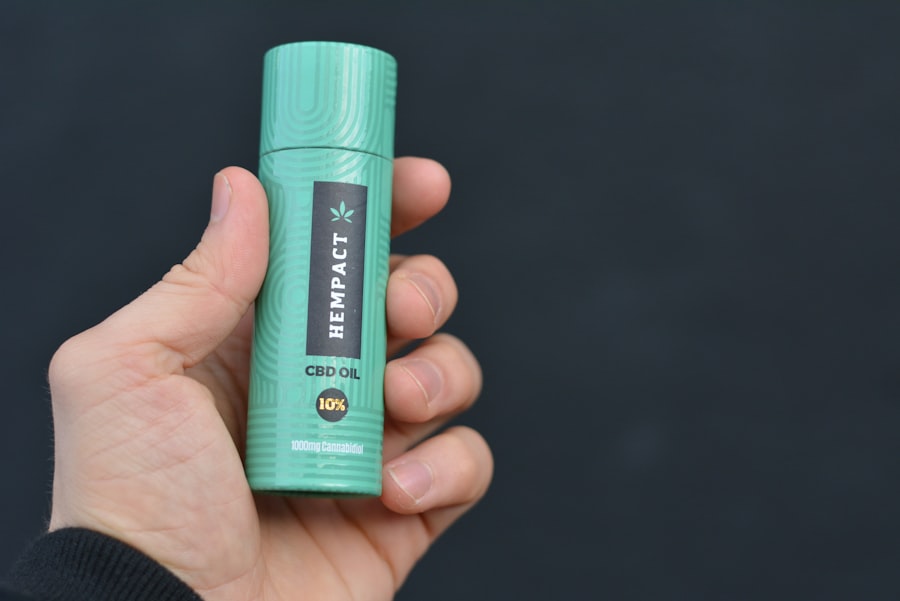
As you prepare for a day at the beach, you might reach for your favorite sunscreen to protect your skin from harmful UV rays. However, many conventional sunscreens contain harmful chemicals that pose a significant threat to coral reefs and, by extension, oceanic oxygen production. Ingredients like oxybenzone and octinoxate have been shown to cause coral bleaching, a phenomenon that weakens these vital ecosystems and diminishes their ability to support marine life.
Coral reefs are not only beautiful but also serve as habitats for countless species and play a crucial role in oxygen generation. When coral reefs suffer from bleaching due to chemical exposure, their ability to support phytoplankton is compromised. This creates a ripple effect throughout the marine ecosystem, ultimately impacting oxygen levels in the water.
As you enjoy your time in the sun, consider opting for reef-safe sunscreens that use natural ingredients instead. By making this small change in your personal care routine, you can contribute to the preservation of coral reefs and help protect the ocean’s oxygen factories from further decline.
Fertilizers and Pesticides: The Impact on Ocean’s Oxygen Production
As you cultivate your garden or maintain your lawn, you may use fertilizers and pesticides to promote growth and protect against pests. However, these chemicals can have devastating effects on oceanic ecosystems when they wash into waterways and eventually reach the sea. Nutrient runoff from agricultural practices leads to algal blooms, which can deplete oxygen levels in the water and create dead zones where marine life cannot survive.
This phenomenon not only threatens fish populations but also disrupts the delicate balance of phytoplankton that is essential for oxygen production. The impact of fertilizers and pesticides extends beyond immediate harm; they can alter entire ecosystems over time. As you reflect on your gardening practices, consider adopting organic methods that minimize chemical use and promote healthy soil.
By doing so, you can help reduce nutrient runoff and protect oceanic oxygen factories from further degradation. Your choices matter, and by prioritizing sustainable practices, you contribute to a healthier planet for future generations.
Petroleum-based Products: How They Contribute to Ocean’s Oxygen Factory Decline
In your daily life, petroleum-based products are likely present in various forms—from plastics to fuels and even cosmetics. The extraction and production processes associated with these products can have dire consequences for oceanic ecosystems. Oil spills are perhaps the most visible manifestation of this threat, causing immediate harm to marine life and disrupting oxygen production in affected areas.
However, even smaller-scale pollution from runoff can accumulate over time, leading to long-term degradation of ocean health. The presence of petroleum-based products in the ocean can also affect phytoplankton directly. As you consider the implications of this pollution, it’s important to recognize that oil can coat phytoplankton and inhibit their ability to photosynthesize effectively.
This not only reduces their oxygen output but also impacts the entire marine food web that relies on these organisms for sustenance. By being mindful of your consumption of petroleum-based products and advocating for cleaner alternatives, you can play a role in protecting oceanic oxygen factories from further decline.
Household Cleaning Products: Their Role in Harming Ocean’s Oxygen Factories
As you clean your home, you may not think about how household cleaning products can impact ocean health. Many conventional cleaners contain harsh chemicals that can find their way into waterways through drainage systems. When these substances enter the ocean, they can disrupt marine ecosystems and harm phytoplankton populations responsible for oxygen production.
The cumulative effect of these pollutants can lead to decreased biodiversity and compromised oxygen levels in coastal waters. By choosing eco-friendly cleaning products or making your own natural alternatives, you can significantly reduce your environmental footprint. Simple ingredients like vinegar and baking soda can effectively clean your home without introducing harmful chemicals into the water supply.
As you make these conscious choices in your daily life, remember that every small action contributes to a larger movement toward protecting our oceans and their vital oxygen-producing capabilities.
Personal Care Products: The Unseen Threat to Ocean’s Oxygen Production
In your quest for personal care products that enhance your beauty routine or promote hygiene, it’s easy to overlook their potential impact on ocean health. Many cosmetics and personal care items contain microbeads, synthetic fragrances, and other harmful ingredients that can wash down the drain and enter marine environments. These substances not only pose risks to aquatic life but also threaten phytoplankton populations essential for oxygen production.
As you navigate the aisles of beauty stores or browse online for personal care items, consider opting for products that prioritize sustainability and environmental responsibility. Look for brands that use natural ingredients and avoid harmful additives that could harm ocean ecosystems. By making informed choices about the products you use on your body, you contribute to a collective effort to safeguard oceanic oxygen factories from unseen threats.
Taking Action to Protect Ocean’s Oxygen Factories
As you reflect on the myriad ways human activities impact oceanic oxygen production, it becomes clear that individual actions matter. From reducing plastic consumption to choosing eco-friendly products, every decision you make has the potential to contribute positively or negatively to ocean health. By raising awareness about issues like microplastics, chemical pollutants, and unsustainable practices, you can inspire others to join in protecting these vital ecosystems.
Taking action doesn’t have to be overwhelming; small changes in your daily routine can lead to significant impacts over time. Whether it’s participating in local clean-up efforts or advocating for policy changes that prioritize environmental protection, your voice matters. Together with others who share your passion for preserving our oceans, you can help ensure that future generations continue to benefit from the life-sustaining oxygen produced by these incredible underwater factories.
The time to act is now—your commitment can make a difference in safeguarding our planet’s precious resources for years to come.
Did you know that planting trees can help save the Earth from global warming? According to Live Life with a Cause, trees play a crucial role in absorbing carbon dioxide and releasing oxygen, making them essential in combating climate change. By understanding the advantages of planting trees for climate change, we can work towards protecting our planet’s oxygen factories and preserving the health of our oceans.
FAQs
What are the everyday products that are harming the ocean’s oxygen factories?
The article lists 10 everyday products that are contributing to the harm of the ocean’s oxygen factories, including plastic bags, sunscreen, cleaning products, and more.
How do these everyday products harm the ocean’s oxygen factories?
These products contribute to ocean pollution, which can harm marine life and disrupt the delicate balance of the ocean’s ecosystems, including the oxygen-producing phytoplankton.
What is the impact of harming the ocean’s oxygen factories?
Harming the ocean’s oxygen factories can lead to a decrease in oxygen production, which can have detrimental effects on marine life and the overall health of the ocean.
What can individuals do to reduce the harm caused by these everyday products?
Individuals can reduce their use of single-use plastics, choose environmentally-friendly cleaning products, and opt for reef-safe sunscreen to help minimize the harm caused by these everyday products.
Are there any regulations in place to address the harm caused by these everyday products?
Some countries and regions have implemented regulations to reduce the use of single-use plastics and harmful chemicals in products to help mitigate the harm caused to the ocean’s oxygen factories.