
Soil restoration is a critical aspect of environmental sustainability that often goes unnoticed. You may not realize it, but healthy soil is the foundation of our ecosystems, supporting plant life, filtering water, and providing habitat for countless organisms. When soil becomes degraded due to various factors such as pollution, erosion, and unsustainable agricultural practices, it loses its ability to perform these essential functions.
This degradation not only affects the immediate environment but also has far-reaching consequences for food security, biodiversity, and climate stability. Therefore, understanding the importance of soil restoration is vital for anyone concerned about the health of our planet. As you delve deeper into the topic, you will discover that soil restoration is not merely about replenishing nutrients or improving crop yields.
It encompasses a holistic approach that seeks to revive the intricate relationships between soil, plants, and microorganisms. By restoring soil health, you contribute to a more resilient ecosystem capable of withstanding climate change and other environmental pressures. This process can lead to improved water retention, reduced erosion, and enhanced carbon sequestration, all of which are crucial for combating global warming.
In essence, soil restoration is a pathway to a sustainable future, making it imperative for individuals and communities to engage in practices that promote soil health.
Key Takeaways
- Soil restoration is crucial for maintaining healthy ecosystems and sustainable agriculture.
- Trees play a vital role in soil regeneration by improving soil structure and fertility.
- Deforestation leads to soil degradation, erosion, and loss of biodiversity.
- Trees enhance soil fertility by increasing organic matter, nutrient cycling, and water retention.
- Reforestation is essential for improving soil health and mitigating the impacts of deforestation.
The Role of Trees in Soil Regeneration
Trees play a pivotal role in the process of soil regeneration. When you think about trees, you might picture their towering trunks and expansive canopies, but their roots are equally important. Tree roots penetrate deep into the ground, creating channels that allow water and air to reach deeper soil layers.
This aeration is essential for the survival of beneficial microorganisms that thrive in healthy soil. As you consider the impact of trees on soil health, it becomes clear that they are not just passive participants; they actively contribute to the regeneration process. Moreover, trees provide organic matter through leaf litter and fallen branches, which decompose and enrich the soil with nutrients.
This natural cycle of growth and decay fosters a diverse ecosystem of fungi, bacteria, and other organisms that work together to improve soil structure and fertility. When you plant trees in degraded areas, you initiate a chain reaction that can lead to significant improvements in soil quality over time. The presence of trees not only enhances the physical properties of the soil but also promotes a thriving community of life beneath the surface.
The Impact of Deforestation on Soil Degradation

Deforestation poses a significant threat to soil health and stability. When you witness large areas of forest being cleared for agriculture or urban development, it’s essential to recognize the immediate and long-term consequences for the soil beneath those trees. Without the protective cover of tree canopies, soil becomes vulnerable to erosion from wind and rain.
This erosion can strip away the topsoil—the most fertile layer—leading to decreased agricultural productivity and increased sedimentation in waterways. Additionally, deforestation disrupts the delicate balance of nutrients within the soil. Trees play a crucial role in cycling nutrients through their root systems and leaf litter.
When forests are removed, this cycle is interrupted, leading to nutrient depletion and a decline in soil fertility. You may not realize it, but deforestation can also exacerbate climate change by releasing stored carbon dioxide back into the atmosphere. The loss of trees means less carbon sequestration, further contributing to global warming.
Understanding these impacts highlights the urgent need for sustainable land management practices that prioritize forest conservation.
How Trees Enhance Soil Fertility
Trees enhance soil fertility through various mechanisms that you might find fascinating. One of the most significant ways is through their ability to fix nitrogen in the soil. Certain tree species have symbiotic relationships with nitrogen-fixing bacteria that convert atmospheric nitrogen into forms usable by plants.
This process enriches the soil with essential nutrients, promoting healthier plant growth and improving overall ecosystem productivity. In addition to nitrogen fixation, trees contribute organic matter to the soil through leaf litter and root decay. As leaves fall and decompose, they release vital nutrients back into the ground, creating a rich layer of organic material known as humus.
This humus not only improves soil structure but also enhances its water-holding capacity, making it more resilient during dry periods. When you consider these benefits, it becomes evident that trees are indispensable allies in the quest for fertile soils and sustainable agriculture.
The Process of Soil Transformation by Trees
The transformation of soil by trees is a gradual yet profound process that unfolds over time. When you plant a tree in degraded soil, you initiate a series of changes that can lead to remarkable improvements in soil health. Initially, tree roots begin to stabilize the soil structure, reducing erosion and preventing further degradation.
As roots grow deeper, they create pathways for water infiltration, allowing moisture to reach lower layers of soil. Over time, as trees mature, they contribute organic matter through leaf litter and root turnover. This organic material enriches the soil with nutrients and fosters a diverse community of microorganisms that play essential roles in nutrient cycling and disease suppression.
You may find it interesting that this transformation can also lead to increased biodiversity in the surrounding area as new plant species take root in the improved soil conditions created by trees. The process is not just about restoring soil; it’s about revitalizing entire ecosystems.
The Benefits of Reforestation for Soil Health
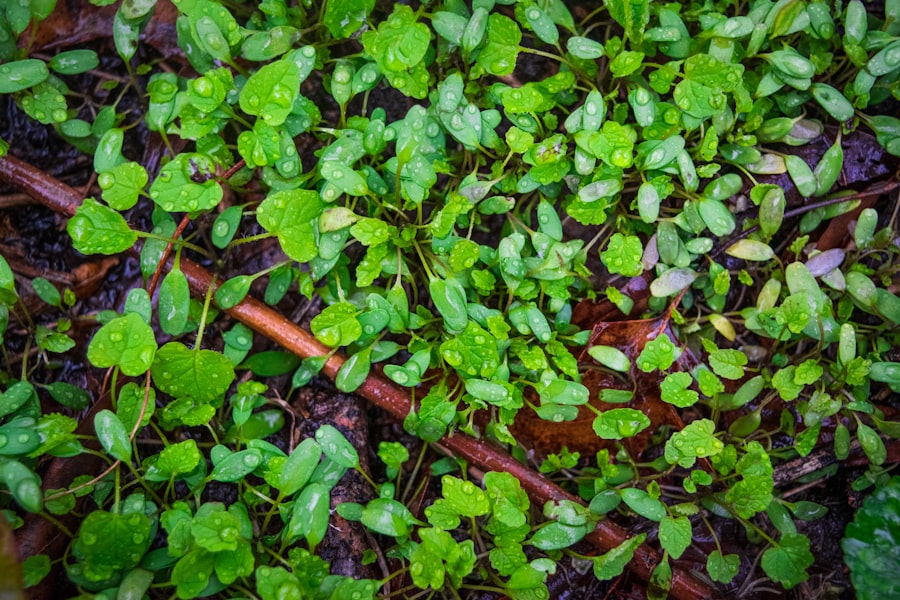
Reforestation offers numerous benefits for soil health that extend beyond mere restoration efforts. When you engage in reforestation initiatives, you are actively contributing to the recovery of degraded landscapes while enhancing soil quality. One of the most significant advantages is improved erosion control.
Tree roots anchor the soil in place, reducing runoff and preventing sediment loss during heavy rains. Furthermore, reforestation can lead to increased water retention in the landscape. Trees play a vital role in regulating the water cycle by absorbing rainfall and releasing moisture back into the atmosphere through transpiration.
This process not only helps maintain local hydrology but also contributes to healthier soils by ensuring consistent moisture levels. As you consider these benefits, it becomes clear that reforestation is not just an environmental initiative; it’s a strategic approach to enhancing soil health and promoting sustainable land use practices.
Case Studies of Successful Soil Regeneration through Tree Planting
Numerous case studies illustrate the successful regeneration of soils through tree planting initiatives around the world. One notable example is found in Ethiopia’s Great Green Wall project, which aims to combat desertification by planting millions of trees across arid regions. As you explore this initiative, you will see how tree planting has led to significant improvements in soil quality and agricultural productivity in previously barren landscapes.
Another inspiring case is found in India’s Afforestation Program, where communities have come together to restore degraded lands by planting native tree species. These efforts have not only improved soil fertility but have also enhanced local biodiversity and provided livelihoods for many families. By examining these successful examples, you can appreciate how tree planting can serve as a powerful tool for restoring soils while fostering community resilience and environmental stewardship.
The Future of Soil Restoration through Tree-Based Solutions
Looking ahead, the future of soil restoration through tree-based solutions appears promising yet challenging. As climate change continues to impact ecosystems worldwide, innovative approaches will be necessary to address soil degradation effectively. You may find it encouraging that researchers are exploring new methods for integrating tree planting with modern agricultural practices to create sustainable farming systems that enhance both productivity and environmental health.
Moreover, community engagement will be crucial in driving these initiatives forward. As individuals become more aware of the importance of trees in restoring soils, grassroots movements advocating for reforestation and sustainable land management are likely to gain momentum. By participating in these efforts or supporting local initiatives, you can play an active role in shaping a future where healthy soils and thriving ecosystems coexist harmoniously with human activities.
In conclusion, understanding the intricate relationship between trees and soil health is essential for fostering sustainable ecosystems. By recognizing the importance of soil restoration and actively participating in reforestation efforts, you contribute not only to healthier soils but also to a more resilient planet for future generations.
In a related article titled How Can Trees Save the Earth from Global Warming, the importance of trees in combating climate change is discussed. This article highlights the crucial role that trees play in sequestering carbon dioxide and reducing greenhouse gas emissions. It further emphasizes the need to protect and restore forests as a key strategy in mitigating the effects of global warming. The insights provided in this article complement the discussion in “From Dust to Fertility: How Trees Transform Degraded Soils” by showcasing the broader environmental benefits of trees and the urgent need for their conservation.
FAQs
What is soil degradation?
Soil degradation refers to the decline in soil quality, productivity, and fertility due to various factors such as deforestation, overgrazing, improper agricultural practices, and pollution.
How do trees help transform degraded soils?
Trees play a crucial role in soil restoration and fertility by improving soil structure, increasing organic matter content, enhancing nutrient cycling, and promoting microbial activity through their root systems and leaf litter.
What are some tree species that are particularly effective in soil restoration?
Certain tree species, such as leguminous trees like acacia and albizia, are known for their ability to fix nitrogen in the soil, which can significantly improve soil fertility and support the growth of other plants.
What are the benefits of restoring degraded soils through tree planting?
Restoring degraded soils through tree planting can lead to improved water retention, reduced erosion, increased biodiversity, enhanced carbon sequestration, and the creation of sustainable agroforestry systems.
How long does it take for trees to transform degraded soils?
The timeline for soil transformation through tree planting can vary depending on factors such as the tree species, soil conditions, and local climate, but significant improvements in soil fertility and structure can often be observed within a few years.