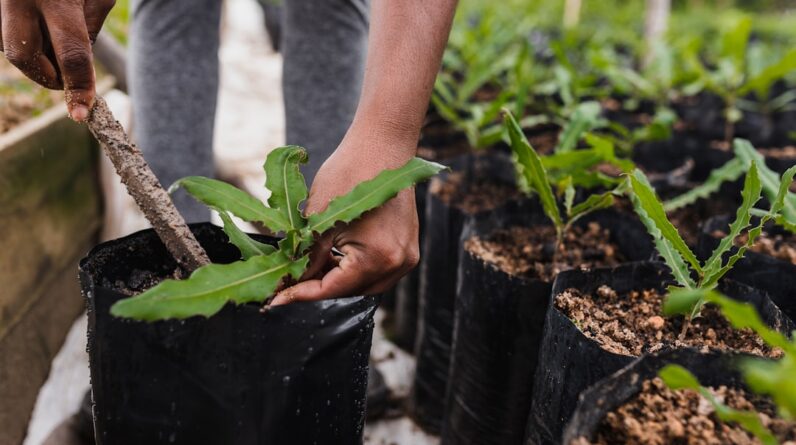
Carbon farming is an innovative approach to agriculture that focuses on capturing and storing carbon dioxide from the atmosphere. As you delve into this concept, you will discover that it encompasses a variety of practices aimed at enhancing the natural processes of carbon sequestration. By adopting methods that improve soil health, increase biodiversity, and promote sustainable land management, you can contribute to the reduction of greenhouse gases while simultaneously improving agricultural productivity.
This dual benefit makes carbon farming an attractive option for farmers and landowners looking to make a positive environmental impact. At its core, carbon farming is about understanding the intricate relationship between land use and climate change. You may find it fascinating that through practices such as agroforestry, cover cropping, and reduced tillage, you can significantly increase the amount of carbon stored in the soil and vegetation.
This not only helps mitigate climate change but also enhances soil fertility and resilience against extreme weather events. As you explore the various techniques involved in carbon farming, you will come to appreciate how these practices can transform agricultural landscapes into powerful tools for climate action.
Key Takeaways
- Carbon farming involves using agricultural and forestry practices to sequester carbon from the atmosphere and store it in the soil and vegetation.
- Forests play a crucial role in carbon sequestration, as they absorb and store large amounts of carbon through photosynthesis and the growth of trees and other vegetation.
- Carbon farming through forests can provide a range of benefits, including mitigating climate change, conserving biodiversity, and supporting sustainable land management practices.
- Challenges and limitations of carbon farming in forests include the potential for carbon loss through wildfires, pests, and diseases, as well as the need for long-term monitoring and maintenance.
- Best practices for implementing carbon farming in forests include sustainable forest management, agroforestry, and reforestation efforts, as well as the use of innovative technologies and monitoring systems.
The Role of Forests in Carbon Sequestration
Forests play a pivotal role in the global carbon cycle, acting as significant carbon sinks that absorb vast amounts of carbon dioxide from the atmosphere. When you think about forests, consider how they capture carbon through photosynthesis, converting CO2 into biomass and storing it in trees, soil, and other vegetation. This natural process is essential for combating climate change, as it helps to offset emissions from human activities.
By protecting and restoring forests, you can enhance their capacity to sequester carbon and contribute to a healthier planet. Moreover, forests provide a multitude of ecosystem services that go beyond carbon sequestration. They support biodiversity, regulate water cycles, and improve air quality, all of which are crucial for maintaining ecological balance.
As you learn more about the interconnectedness of these systems, you will realize that preserving forests is not just about carbon storage; it is also about safeguarding the myriad benefits they provide to humanity. Engaging in carbon farming practices that prioritize forest conservation can lead to a more sustainable future for both the environment and society.
Benefits of Carbon Farming Through Forests
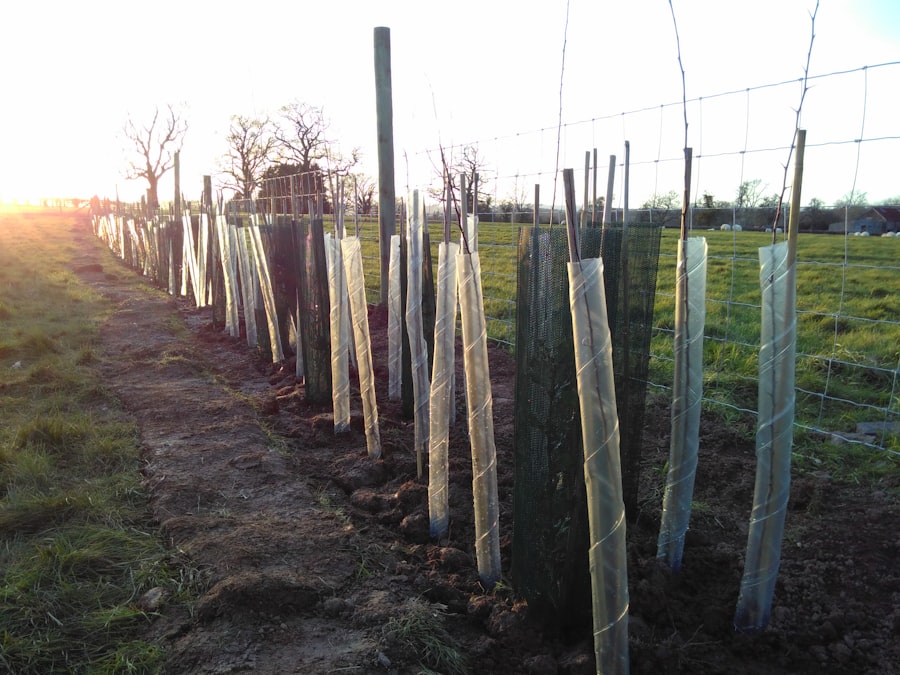
Engaging in carbon farming through forests offers a wealth of benefits that extend far beyond mere carbon sequestration. One of the most significant advantages is the enhancement of biodiversity. By promoting diverse tree species and creating mixed-age stands, you can foster habitats for various wildlife species, thereby contributing to ecosystem resilience.
This biodiversity not only supports wildlife but also strengthens forest health, making them more resistant to pests and diseases. In addition to ecological benefits, carbon farming can also yield economic advantages for landowners and communities. By participating in carbon credit markets, you have the opportunity to generate additional income through the sale of carbon credits.
This financial incentive can encourage sustainable land management practices and provide funding for reforestation or afforestation projects. Furthermore, as consumers increasingly seek sustainably sourced products, you may find that your commitment to carbon farming enhances your marketability and brand reputation.
Challenges and Limitations of Carbon Farming
While the potential of carbon farming through forests is immense, it is essential to acknowledge the challenges and limitations associated with its implementation. One significant hurdle is the initial investment required for establishing sustainable forestry practices. You may need to invest in training, equipment, and resources to transition from conventional practices to those that prioritize carbon sequestration.
This upfront cost can be a barrier for many landowners, particularly small-scale farmers who may lack access to capital. Another challenge lies in the complexity of measuring and verifying carbon sequestration. Accurately quantifying the amount of carbon stored in forests requires sophisticated methodologies and monitoring systems.
As you navigate this landscape, you may encounter difficulties in accessing reliable data or understanding the technical aspects of carbon accounting. Additionally, external factors such as climate change itself can impact forest health and carbon storage capacity, making it crucial to adopt adaptive management strategies that account for these uncertainties.
Best Practices for Implementing Carbon Farming in Forests
To successfully implement carbon farming practices in forests, you should consider several best practices that have been proven effective in enhancing carbon sequestration. First and foremost, promoting afforestation and reforestation efforts can significantly increase forest cover and boost carbon storage. By planting native tree species that are well-suited to your local environment, you can create resilient ecosystems that thrive over time.
Another effective practice is the integration of agroforestry systems, where trees are planted alongside crops or livestock. This approach not only enhances carbon sequestration but also improves soil health and provides additional income streams through timber or fruit production. You might also explore techniques such as selective logging or reduced-impact logging, which minimize disturbance to forest ecosystems while still allowing for sustainable timber extraction.
Policy and Incentives for Carbon Farming
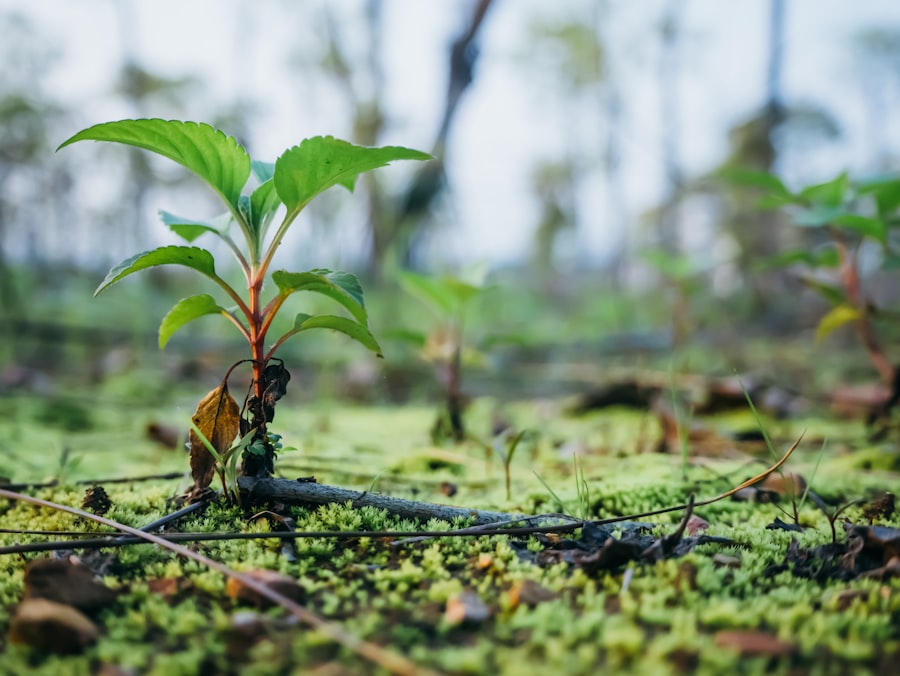
Government policies and incentives play a crucial role in promoting carbon farming initiatives. As you engage with this topic, you will find that various programs exist at local, national, and international levels aimed at supporting sustainable forestry practices. These policies often include financial incentives such as grants, tax breaks, or subsidies for landowners who adopt carbon farming methods.
By understanding these opportunities, you can leverage them to enhance your own carbon farming efforts. Additionally, international agreements like the Paris Agreement emphasize the importance of forest conservation and restoration in achieving global climate goals. You may find it beneficial to stay informed about emerging policies that promote carbon markets or provide funding for reforestation projects.
By aligning your practices with these initiatives, you can contribute to broader climate action while also benefiting from available resources.
Case Studies of Successful Carbon Farming Projects
Examining successful case studies of carbon farming projects can provide valuable insights into effective strategies and outcomes. For instance, consider a project in Costa Rica where local communities engaged in reforestation efforts while simultaneously generating income through ecotourism and sustainable timber production. This initiative not only enhanced biodiversity but also created economic opportunities for residents, demonstrating how carbon farming can yield multiple benefits.
Another compelling example comes from Australia, where farmers have implemented agroforestry systems that integrate trees into their agricultural landscapes. By doing so, they have increased soil health and productivity while sequestering significant amounts of carbon. These case studies illustrate that with creativity and commitment, you can develop innovative solutions that align environmental sustainability with economic viability.
The Future of Carbon Farming Through Forests
As you look toward the future of carbon farming through forests, it becomes clear that this approach holds immense potential for addressing climate change challenges. With growing awareness of environmental issues and increasing demand for sustainable practices, you may find that more landowners are eager to adopt carbon farming methods. This shift could lead to a significant increase in forest cover and enhanced carbon sequestration on a global scale.
Moreover, advancements in technology are likely to play a pivotal role in shaping the future of carbon farming. Innovations in remote sensing, data analytics, and monitoring systems will enable more accurate measurement of carbon stocks and facilitate better decision-making for land management practices. As these tools become more accessible, you will be better equipped to implement effective strategies that maximize both environmental benefits and economic returns.
In conclusion, engaging with carbon farming through forests presents an opportunity for you to contribute positively to climate action while reaping numerous ecological and economic benefits. By understanding the complexities of this approach and embracing best practices, you can play a vital role in fostering sustainable landscapes that benefit both people and the planet for generations to come.
A related article to Carbon Farming Through Forests: Growing Climate Solutions discusses how planting trees can help combat climate change. According to livelifewithacause.org, trees absorb carbon dioxide from the atmosphere, acting as natural carbon sinks. This process helps reduce greenhouse gas emissions and mitigate the effects of climate change. By understanding the benefits of planting trees, we can work towards creating a more sustainable future for our planet.
FAQs
What is carbon farming through forests?
Carbon farming through forests refers to the practice of using forests and forest management techniques to sequester and store carbon from the atmosphere. This helps to mitigate climate change by reducing the amount of carbon dioxide in the atmosphere.
How do forests help in carbon farming?
Forests act as carbon sinks, absorbing carbon dioxide from the atmosphere during photosynthesis and storing it in the form of biomass and soil organic matter. By maintaining and expanding forests, we can increase the amount of carbon stored and help combat climate change.
What are some forest management techniques used in carbon farming?
Forest management techniques used in carbon farming include reforestation, afforestation, agroforestry, and sustainable logging practices. These techniques aim to enhance carbon sequestration and storage in forests while promoting sustainable land use.
What are the benefits of carbon farming through forests?
Carbon farming through forests offers several benefits, including mitigating climate change, conserving biodiversity, improving soil and water quality, providing habitat for wildlife, and supporting sustainable livelihoods for local communities.
How can individuals and organizations support carbon farming through forests?
Individuals and organizations can support carbon farming through forests by participating in reforestation and afforestation efforts, promoting sustainable forest management practices, and advocating for policies that incentivize carbon sequestration in forests. Additionally, supporting initiatives that protect and restore forests can contribute to carbon farming efforts.