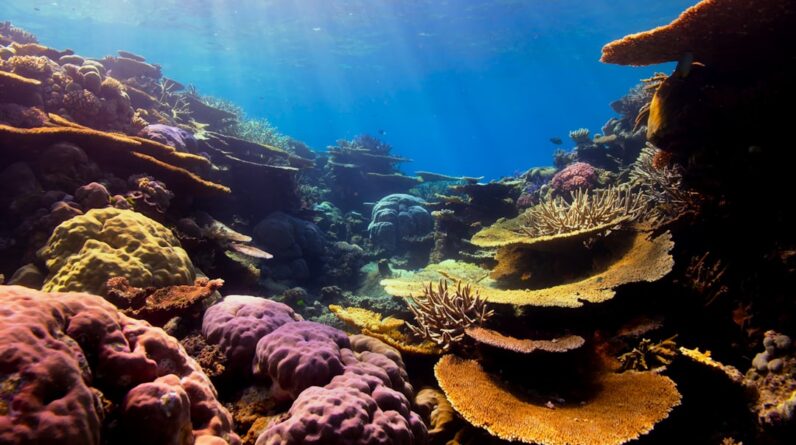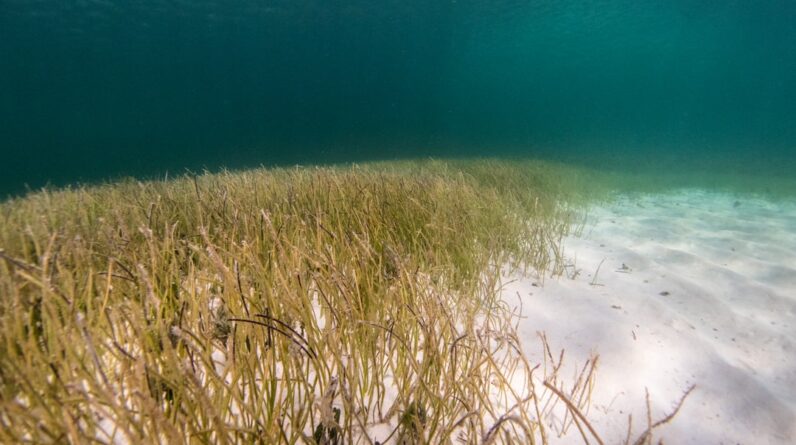
In recent years, the health of our oceans has become a focal point of global concern, prompting the launch of various initiatives aimed at preserving marine ecosystems. One such initiative is the Global Initiative for Ocean Oxygen Monitoring, which seeks to address the alarming decline in oxygen levels in our oceans. As you delve into this topic, you will discover how this initiative not only aims to monitor oxygen levels but also strives to understand the broader implications of these changes on marine life and human activities.
The oceans, which cover over 70% of the Earth’s surface, play a crucial role in regulating climate, supporting biodiversity, and providing resources for millions of people. Therefore, understanding the dynamics of ocean oxygen levels is essential for ensuring the sustainability of these vital ecosystems. This initiative brings together scientists, policymakers, and environmentalists from around the world to collaborate on a common goal: to safeguard the health of our oceans.
By employing advanced technologies and innovative methodologies, the Global Initiative aims to create a comprehensive database that tracks changes in ocean oxygen levels over time. As you explore this initiative further, you will gain insight into the significance of monitoring these levels and how they relate to broader environmental changes. The urgency of this endeavor cannot be overstated, as the consequences of neglecting ocean health could reverberate through ecosystems and human societies alike.
Key Takeaways
- The Global Initiative aims to monitor and address declining ocean oxygen levels, a critical issue for marine ecosystems.
- Monitoring ocean oxygen levels is crucial for understanding and mitigating the impacts of oxygen depletion on marine life and ecosystems.
- Robotic fleets play a key role in real-time monitoring of ocean oxygen levels, providing valuable data for researchers and policymakers.
- Advanced technology, such as sensors and autonomous vehicles, enables the robotic fleet to collect accurate and comprehensive data on ocean oxygen levels.
- The monitoring effort spans across vast oceanic regions, providing a comprehensive understanding of the scope and scale of oxygen depletion and its potential impacts on marine life.
The Importance of Monitoring Ocean Oxygen Levels
Monitoring ocean oxygen levels is critical for several reasons, primarily because oxygen is essential for the survival of marine life. Fish, invertebrates, and other organisms rely on dissolved oxygen in seawater to thrive. When oxygen levels drop, a phenomenon known as hypoxia occurs, leading to dead zones where marine life cannot survive.
As you consider the implications of hypoxia, it becomes clear that understanding these fluctuations is vital for maintaining biodiversity and ensuring the resilience of marine ecosystems. The health of fish populations, for instance, directly impacts food security for millions of people who depend on fishing as a primary source of sustenance. Moreover, ocean oxygen levels are closely linked to climate change and other anthropogenic factors.
As you reflect on this connection, you will recognize that rising temperatures and increased nutrient runoff from agricultural practices contribute to oxygen depletion. By monitoring these levels, scientists can better understand how human activities are influencing ocean health and can develop strategies to mitigate these impacts. This knowledge is not only crucial for marine conservation but also for informing policy decisions that aim to protect both marine environments and the communities that rely on them.
The Role of Robotic Fleet in Real-Time Monitoring

A key component of the Global Initiative for Ocean Oxygen Monitoring is the deployment of a sophisticated robotic fleet designed for real-time data collection. These autonomous vehicles are equipped with advanced sensors that can measure various parameters, including temperature, salinity, and dissolved oxygen levels. As you consider the capabilities of this robotic fleet, it becomes evident that they represent a significant advancement in oceanographic research.
Unlike traditional methods that often rely on ship-based sampling, these robots can operate continuously and cover vast areas of the ocean, providing a more comprehensive picture of oxygen dynamics. The use of robotic technology also allows for more frequent data collection, which is essential for identifying trends and anomalies in ocean oxygen levels. As you think about the implications of this real-time monitoring, you will appreciate how it enables scientists to respond quickly to emerging issues such as algal blooms or sudden drops in oxygen levels.
This proactive approach not only enhances our understanding of ocean health but also empowers stakeholders to take timely action to protect vulnerable marine ecosystems.
The Technology behind the Robotic Fleet
The technology that powers the robotic fleet is at the forefront of marine research innovation. These autonomous vehicles are designed with cutting-edge sensors that can accurately measure dissolved oxygen levels even in challenging conditions. As you explore the intricacies of this technology, you will find that it incorporates advanced algorithms and machine learning capabilities to process data efficiently and identify patterns in real time.
This level of sophistication allows researchers to gather high-quality data that can inform their understanding of complex oceanographic processes. Additionally, the robotic fleet is equipped with communication systems that enable seamless data transmission back to research centers on land. This connectivity ensures that scientists have access to up-to-date information about ocean conditions, facilitating timely analysis and decision-making.
As you consider the potential applications of this technology beyond monitoring oxygen levels, you will realize its versatility in studying various aspects of marine environments, from tracking migratory patterns of marine species to assessing the impacts of climate change on ocean chemistry.
The Scope and Scale of the Monitoring Effort
The Global Initiative for Ocean Oxygen Monitoring encompasses a vast scope and scale that reflects the complexity of ocean systems. The initiative aims to establish a global network of monitoring stations strategically located in key regions around the world. As you think about this ambitious undertaking, you will recognize that it requires collaboration among multiple countries and organizations committed to ocean conservation.
By pooling resources and expertise, stakeholders can create a more robust monitoring framework that addresses regional variations in ocean conditions. The scale of this effort is not limited to just one area; it spans coastal regions, open oceans, and even polar waters. Each location presents unique challenges and opportunities for data collection.
As you consider the diversity of environments being monitored, you will appreciate how this comprehensive approach enhances our understanding of global ocean health. By integrating data from various regions, scientists can identify trends that may not be apparent when examining isolated areas, ultimately leading to more effective conservation strategies.
Potential Impacts of Oxygen Depletion on Marine Life

The consequences of oxygen depletion in our oceans extend far beyond immediate impacts on individual species; they can disrupt entire ecosystems and food webs. As you contemplate these potential impacts, consider how hypoxia affects not only fish populations but also other marine organisms such as crustaceans and mollusks. These species play critical roles in maintaining ecological balance and supporting fisheries that many communities depend on for their livelihoods.
When oxygen levels drop, it can lead to mass die-offs or shifts in species distribution, ultimately threatening biodiversity. Furthermore, the effects of hypoxia can ripple through marine food webs, impacting predator-prey relationships and altering community dynamics. As you reflect on these interconnected relationships, it becomes clear that addressing oxygen depletion is not just an environmental issue; it is also a social and economic one.
Communities reliant on fishing may face declining catches and increased competition for dwindling resources. Understanding these potential impacts underscores the urgency of monitoring ocean oxygen levels and implementing effective management strategies.
Collaborative Efforts and Partnerships in the Global Initiative
The success of the Global Initiative for Ocean Oxygen Monitoring hinges on collaboration among diverse stakeholders committed to ocean health. Governments, research institutions, non-governmental organizations (NGOs), and local communities all play vital roles in this initiative. As you explore these collaborative efforts, you will find that partnerships are essential for sharing knowledge, resources, and expertise.
By working together, stakeholders can leverage their strengths to address complex challenges related to ocean monitoring and conservation. International cooperation is particularly important given the transboundary nature of ocean ecosystems. As you consider the implications of this collaboration, think about how shared data can inform policy decisions at local, national, and global levels.
By fostering partnerships across borders, stakeholders can develop coordinated responses to issues such as climate change and pollution that affect ocean health. This collective approach not only enhances scientific understanding but also promotes a sense of shared responsibility for protecting our oceans.
Future Implications and Applications of the Monitoring Data
As you look ahead to the future implications of the monitoring data collected through the Global Initiative for Ocean Oxygen Monitoring, consider how this information can inform various sectors beyond marine science. Policymakers can utilize these insights to develop evidence-based regulations aimed at reducing nutrient runoff from agriculture or mitigating climate change impacts on marine environments. Additionally, fisheries management can benefit from real-time data on oxygen levels to make informed decisions about catch limits and conservation measures.
Moreover, the data collected through this initiative has the potential to enhance public awareness about ocean health issues. As you think about the role of education in fostering environmental stewardship, consider how accessible information can empower individuals and communities to take action in support of ocean conservation efforts. By raising awareness about the importance of monitoring ocean oxygen levels and their implications for marine life and human societies, we can inspire collective action toward a healthier future for our oceans.
In conclusion, the Global Initiative for Ocean Oxygen Monitoring represents a critical step toward understanding and addressing one of the most pressing challenges facing our oceans today: declining oxygen levels. Through innovative technologies like robotic fleets and collaborative partnerships among diverse stakeholders, this initiative aims to create a comprehensive framework for monitoring ocean health on a global scale. As you reflect on the importance of this endeavor, remember that safeguarding our oceans is not just an environmental issue; it is a shared responsibility that requires collective action from all corners of society.
A related article to the Global Initiative Launched: Scientists Deploy Robotic Fleet to Monitor Ocean Oxygen in Real-Time is Biodiversity Reservoir by Having Healthy Forest. This article discusses the importance of healthy forests in preserving biodiversity and the role they play in maintaining a balanced ecosystem. It highlights the benefits of protecting and preserving forests as a way to combat climate change and ensure the survival of various species.
FAQs
What is the global initiative to monitor ocean oxygen in real-time?
The global initiative involves deploying a fleet of robotic devices to monitor ocean oxygen levels in real-time. This initiative aims to provide a comprehensive understanding of oxygen levels in the world’s oceans and their impact on marine life.
Why is it important to monitor ocean oxygen levels?
Monitoring ocean oxygen levels is crucial for understanding the health of marine ecosystems. Oxygen is essential for the survival of marine organisms, and changes in oxygen levels can have significant impacts on marine life, including fish and other species.
How will the robotic fleet monitor ocean oxygen levels?
The robotic fleet will be equipped with sensors to measure oxygen levels in different parts of the ocean. These devices will collect real-time data and transmit it to scientists, allowing for a comprehensive and continuous monitoring of ocean oxygen levels.
What are the potential benefits of this global initiative?
By monitoring ocean oxygen levels in real-time, scientists can gain valuable insights into the impact of climate change and other factors on marine ecosystems. This information can help inform conservation efforts and management strategies to protect marine life and maintain healthy oceans.
Who is involved in this global initiative?
The initiative involves collaboration between scientists, research institutions, and organizations from around the world. This collaborative effort aims to leverage expertise and resources to effectively monitor and understand ocean oxygen levels on a global scale.