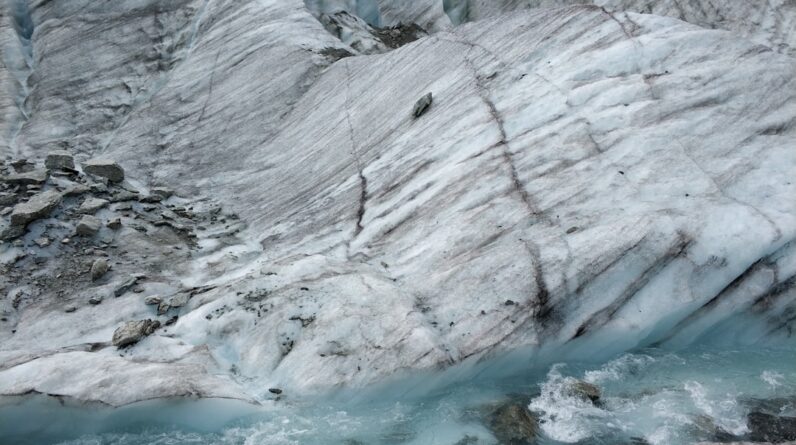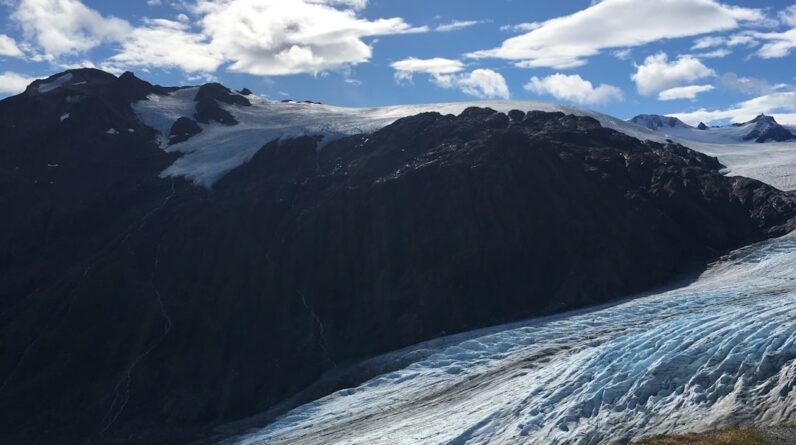
As you observe the world around you, it becomes increasingly evident that the melting of ice in polar regions is not just a local phenomenon; it has far-reaching implications for global climate patterns. The polar ice caps, particularly in the Arctic and Antarctic, play a crucial role in regulating the Earth’s temperature. When these vast expanses of ice begin to melt, they contribute to rising sea levels and alter ocean currents, which can lead to significant changes in weather patterns across the globe.
You may notice that regions that once enjoyed temperate climates are now experiencing extreme weather events, such as hurricanes, droughts, and heavy rainfall. This shift is largely attributed to the loss of ice, which disrupts the delicate balance of our planet’s climate system. Moreover, the melting ice contributes to a feedback loop that exacerbates climate change.
As ice melts, it exposes darker ocean water or land beneath, which absorbs more sunlight and heat than reflective ice surfaces. This process accelerates warming, leading to further ice melt and creating a vicious cycle that is difficult to break. You might find it alarming that this cycle not only affects temperatures in polar regions but also has a cascading effect on ecosystems and human communities worldwide.
The implications of melting ice extend beyond environmental concerns; they pose significant risks to food security, water supply, and even global health.
Key Takeaways
- Melting ice has a significant impact on global climate, leading to rising sea levels and changes in weather patterns.
- Rising heat accelerates ice melt through feedback loops, creating a cycle of increasing temperatures and further ice loss.
- Greenhouse gas emissions play a crucial role in amplifying climate change by trapping heat in the atmosphere and contributing to the melting of ice.
- Accelerating climate change is evident in alarming signs such as extreme weather events, loss of polar ice, and shifting ecosystems.
- Melting ice poses a threat of sea level rise, which can lead to widespread flooding and displacement of coastal communities.
- Feedback cycles can lead to irreversible damage, creating tipping points that result in catastrophic changes to the climate system.
- Urgent action is needed to mitigate the feedback cycles of climate change through reducing emissions and implementing sustainable practices.
- Solutions to slow down accelerating climate change include transitioning to renewable energy, protecting natural carbon sinks, and promoting sustainable land use practices.
Feedback Loops: How Rising Heat Accelerates Ice Melt
You may be surprised to learn that feedback loops are a critical aspect of understanding how rising temperatures accelerate ice melt. When you think about feedback loops, consider them as self-reinforcing cycles where an initial change leads to further changes in the same direction. In the context of climate change, rising global temperatures lead to increased ice melt, which in turn contributes to further warming.
This cycle is particularly evident in the Arctic, where the loss of sea ice has been dramatic over the past few decades. As you witness these changes, it becomes clear that the consequences are not just confined to the poles; they ripple through ecosystems and weather systems worldwide. The implications of these feedback loops are profound.
For instance, as you observe the Arctic ice melting, you might also notice changes in ocean circulation patterns. The influx of freshwater from melting ice alters salinity levels, which can disrupt marine ecosystems and impact fish populations that many communities rely on for sustenance. Additionally, as permafrost thaws due to rising temperatures, it releases stored greenhouse gases like methane into the atmosphere, further intensifying global warming.
This interconnectedness highlights the urgency of addressing climate change; every action you take can contribute to breaking or reinforcing these feedback loops.
The Role of Greenhouse Gas Emissions in Amplifying Climate Change
As you delve deeper into the issue of climate change, it’s essential to understand the role of greenhouse gas emissions in amplifying its effects. Human activities, particularly the burning of fossil fuels for energy and transportation, have led to a significant increase in greenhouse gases such as carbon dioxide and methane in the atmosphere. These gases trap heat from the sun, creating a “greenhouse effect” that warms the planet.
You may find it concerning that this increase in temperature not only contributes to ice melt but also intensifies other climate-related issues such as extreme weather events and biodiversity loss. The relationship between greenhouse gas emissions and climate change is complex but critical to grasp. As you consider your own carbon footprint—whether through energy consumption, transportation choices, or dietary habits—you may realize that individual actions collectively contribute to this global challenge.
The urgency of reducing emissions cannot be overstated; every effort counts in mitigating the impacts of climate change. By advocating for cleaner energy sources and supporting policies aimed at reducing emissions, you can play a part in addressing this pressing issue.
Alarming Signs of Accelerating Climate Change
As you pay attention to the world around you, you may start noticing alarming signs of accelerating climate change that are becoming increasingly difficult to ignore. From unprecedented heatwaves to devastating wildfires and catastrophic flooding, these events serve as stark reminders of the urgent need for action. You might find it unsettling that scientists have documented a rise in global temperatures at an unprecedented rate over the past century, with 2020 being one of the hottest years on record.
These changes are not merely statistical; they have real-world consequences for ecosystems, wildlife, and human populations. In addition to extreme weather events, you may also observe shifts in wildlife behavior and migration patterns as species struggle to adapt to changing climates. Coral reefs are bleaching at alarming rates due to rising ocean temperatures and acidification, threatening marine biodiversity and livelihoods dependent on fishing and tourism.
As you reflect on these signs, it becomes clear that climate change is not a distant threat; it is a present reality that demands immediate attention and action from individuals, communities, and governments alike.
The Threat of Sea Level Rise from Melting Ice
One of the most pressing consequences of melting ice is the threat of sea level rise, which poses significant risks to coastal communities around the world. As polar ice caps and glaciers continue to melt, they contribute to rising sea levels that can inundate low-lying areas and displace millions of people. You may find it alarming that projections indicate sea levels could rise by several feet by the end of this century if current trends continue.
This scenario could lead to catastrophic consequences for cities like Miami, New Orleans, and even major global hubs like New York City. The implications of sea level rise extend beyond physical displacement; they also threaten infrastructure, freshwater supplies, and local economies. As you consider your own community’s vulnerability to rising seas, it becomes evident that proactive measures are necessary to mitigate these risks.
Coastal cities are already investing in adaptive strategies such as building seawalls and restoring natural barriers like wetlands. However, these solutions require significant resources and long-term planning—challenges that demand collective action from individuals and governments alike.
Tipping Points: How Feedback Cycles Can Lead to Irreversible Damage
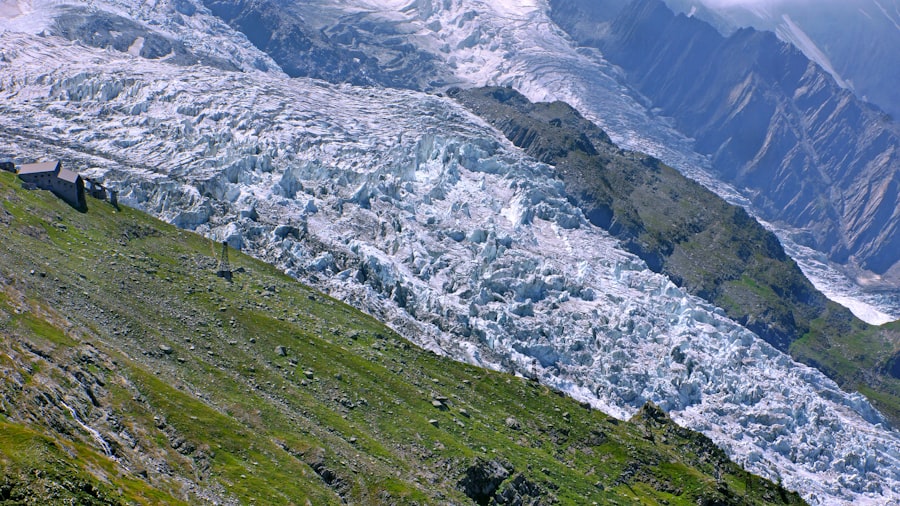
As you explore the complexities of climate change further, it’s crucial to understand the concept of tipping points—thresholds beyond which certain changes become irreversible. These tipping points can occur within various systems, including ice sheets, ecosystems, and even atmospheric conditions. For instance, if global temperatures rise beyond a certain level, it could trigger widespread melting of Greenland’s ice sheet or destabilize Antarctic glaciers.
You might find it concerning that once these tipping points are crossed, the resulting changes could unfold rapidly and unpredictably. The potential for irreversible damage underscores the urgency of addressing climate change now rather than later. As you consider your role in this global challenge, remember that every action counts—whether it’s advocating for sustainable practices or supporting policies aimed at reducing emissions.
By working together to prevent crossing these tipping points, you can help ensure a more stable climate for future generations.
Urgent Action Needed: Mitigating the Feedback Cycles of Climate Change
In light of the challenges posed by climate change and its feedback cycles, urgent action is needed at all levels—individuals, communities, businesses, and governments must come together to mitigate its effects. You may feel overwhelmed by the scale of this challenge; however, every small action contributes to a larger movement toward sustainability. From reducing your carbon footprint through energy-efficient choices to advocating for renewable energy sources in your community, your efforts can make a difference.
Moreover, supporting policies aimed at reducing greenhouse gas emissions is crucial for creating systemic change. You might consider engaging with local organizations focused on environmental advocacy or participating in community initiatives aimed at promoting sustainability. By raising awareness about climate change and its impacts on melting ice and global weather patterns, you can inspire others to take action as well.
Hope for the Future: Solutions to Slow Down the Accelerating Climate Change
Despite the daunting challenges posed by climate change and melting ice, there is hope for a more sustainable future through innovative solutions and collective action. As you explore various approaches to combat climate change, you may find inspiration in advancements in renewable energy technologies such as solar and wind power. These clean energy sources not only reduce greenhouse gas emissions but also create jobs and stimulate economic growth.
Additionally, reforestation efforts and sustainable agriculture practices can play a vital role in sequestering carbon dioxide from the atmosphere while promoting biodiversity and ecosystem health. You might also consider supporting local initiatives focused on conservation and environmental education—these grassroots efforts can empower communities to take ownership of their environmental impact. In conclusion, while the challenges posed by melting ice and climate change are significant, your actions can contribute to meaningful solutions.
By staying informed and engaged in efforts to mitigate climate change’s effects on our planet’s delicate systems, you can help pave the way for a more sustainable future for generations to come.
A related article to “Melting Ice, Rising Heat: The Alarming Feedback Cycles Accelerating Climate Change” is “Advantages of Planting Trees for Climate Change” which discusses the benefits of reforestation in combating climate change. Planting trees helps to absorb carbon dioxide from the atmosphere, reduce greenhouse gas emissions, and provide habitat for wildlife. To learn more about the advantages of planting trees for climate change, check out the article here.
FAQs
What are feedback cycles in the context of climate change?
Feedback cycles in the context of climate change refer to the processes by which the Earth’s climate system amplifies or dampens the effects of external forces, such as greenhouse gas emissions. These cycles can lead to self-reinforcing feedback loops that accelerate the rate of climate change.
How do melting ice and rising heat contribute to feedback cycles?
Melting ice contributes to feedback cycles by reducing the Earth’s albedo, or its ability to reflect sunlight. As ice melts, darker surfaces such as open water or bare ground are exposed, which absorb more heat and further contribute to warming. This leads to more ice melt, creating a self-reinforcing cycle.
What are some examples of feedback cycles related to melting ice and rising heat?
One example of a feedback cycle related to melting ice and rising heat is the melting of Arctic sea ice. As the ice melts, it exposes darker ocean water, which absorbs more heat and accelerates further ice melt. Another example is the melting of permafrost, which releases stored greenhouse gases, further contributing to warming and more permafrost melt.
How do these feedback cycles accelerate climate change?
These feedback cycles accelerate climate change by amplifying the initial warming effects of factors such as greenhouse gas emissions. As the Earth’s albedo decreases and more greenhouse gases are released, the rate of warming increases, leading to more extreme weather events, sea level rise, and other impacts associated with climate change.