In today’s rapidly changing world, the significance of environmental education cannot be overstated. As you navigate through life, you may find that understanding the intricate relationships between human activities and the natural world is essential for fostering a sustainable future. Environmental education equips you with the knowledge and skills necessary to make informed decisions that positively impact the environment.
It encourages critical thinking and problem-solving, enabling you to address pressing issues such as climate change, pollution, and biodiversity loss. By cultivating an awareness of environmental challenges, you become better prepared to advocate for solutions that benefit both society and the planet. Moreover, environmental education fosters a sense of responsibility and stewardship towards the Earth.
When you engage with nature and learn about ecosystems, you develop a deeper appreciation for the delicate balance that sustains life. This connection can inspire you to take action, whether through personal lifestyle changes or community initiatives. As you become more aware of your ecological footprint, you may feel compelled to reduce waste, conserve resources, and promote sustainable practices within your community.
Ultimately, environmental education serves as a catalyst for change, empowering individuals like you to contribute to a healthier planet for future generations.
Key Takeaways
- Environmental education is crucial for creating awareness and understanding of environmental issues.
- Integrating science and sustainability in the curriculum helps students understand the impact of human activities on the environment.
- Engaging students in hands-on learning experiences fosters a deeper connection to environmental issues and solutions.
- Collaborating with coastal communities allows students to make a real-world impact and understand the importance of local ecosystems.
- Empowering students to become environmental stewards instills a sense of responsibility and encourages them to take action for a sustainable future.
Integrating Science and Sustainability in the Curriculum
Integrating science and sustainability into the curriculum is crucial for fostering a comprehensive understanding of environmental issues. As you delve into subjects like biology, chemistry, and physics, you can explore how these scientific principles relate to real-world environmental challenges. For instance, studying ecosystems can help you grasp the importance of biodiversity and the role each species plays in maintaining ecological balance.
By linking scientific concepts to sustainability, educators can create a more engaging and relevant learning experience that resonates with your interests and concerns. Furthermore, incorporating sustainability into various subjects encourages interdisciplinary learning. You may find that discussions about climate change can seamlessly blend into lessons on economics, ethics, or social studies.
This holistic approach not only enriches your understanding but also highlights the interconnectedness of environmental issues with social and economic factors. As you engage with diverse perspectives, you develop a more nuanced view of sustainability that prepares you to tackle complex challenges in your future endeavors.
Engaging Students in Hands-On Learning Experiences

Hands-on learning experiences are vital for deepening your understanding of environmental concepts. When you participate in outdoor activities such as field trips, nature walks, or community clean-up events, you gain firsthand knowledge of ecosystems and their functions. These immersive experiences allow you to observe wildlife, identify plant species, and understand the impact of human activities on natural habitats.
By engaging directly with the environment, you cultivate a sense of curiosity and wonder that can inspire lifelong learning. Additionally, hands-on projects can foster collaboration and teamwork among your peers. Working together on initiatives like creating a school garden or conducting water quality tests in local streams encourages communication and problem-solving skills.
These collaborative efforts not only enhance your learning experience but also instill a sense of community responsibility. As you witness the tangible results of your efforts, such as improved green spaces or cleaner waterways, you may feel a greater commitment to environmental stewardship and advocacy.
Collaborating with Coastal Communities for Real-World Impact
Collaborating with coastal communities presents unique opportunities for meaningful engagement in environmental education. If you live near a coastline or have access to coastal ecosystems, partnering with local organizations can provide invaluable insights into marine conservation efforts. By participating in community-based projects such as beach clean-ups or habitat restoration initiatives, you can contribute to preserving vital ecosystems while gaining practical experience in environmental science.
Moreover, these collaborations often involve learning from local experts who possess a wealth of knowledge about the region’s ecology and cultural heritage. Engaging with fishermen, conservationists, or indigenous communities can deepen your understanding of sustainable practices that have been passed down through generations. This exchange of knowledge not only enriches your educational experience but also fosters a sense of respect for diverse perspectives on environmental stewardship.
As you work alongside coastal communities, you may discover innovative solutions to pressing challenges while building lasting relationships that extend beyond the classroom.
Empowering Students to Become Environmental Stewards
Empowering students like yourself to become environmental stewards is a fundamental goal of effective environmental education. As you learn about ecological issues and their implications for society, it is essential to recognize your potential as an agent of change. By providing opportunities for leadership and advocacy, educators can inspire you to take ownership of environmental initiatives within your school or community.
Whether it’s organizing awareness campaigns or leading sustainability projects, these experiences can help you develop confidence in your ability to make a difference. Furthermore, fostering a sense of agency encourages you to think critically about the choices you make in your daily life. As you explore topics such as waste reduction, energy conservation, and sustainable consumption, you may begin to adopt practices that align with your values.
This shift not only benefits the environment but also sets an example for your peers and family members. By embodying the principles of environmental stewardship, you contribute to a culture of sustainability that extends beyond individual actions and inspires collective efforts toward a healthier planet.
The Role of Technology in Environmental Education
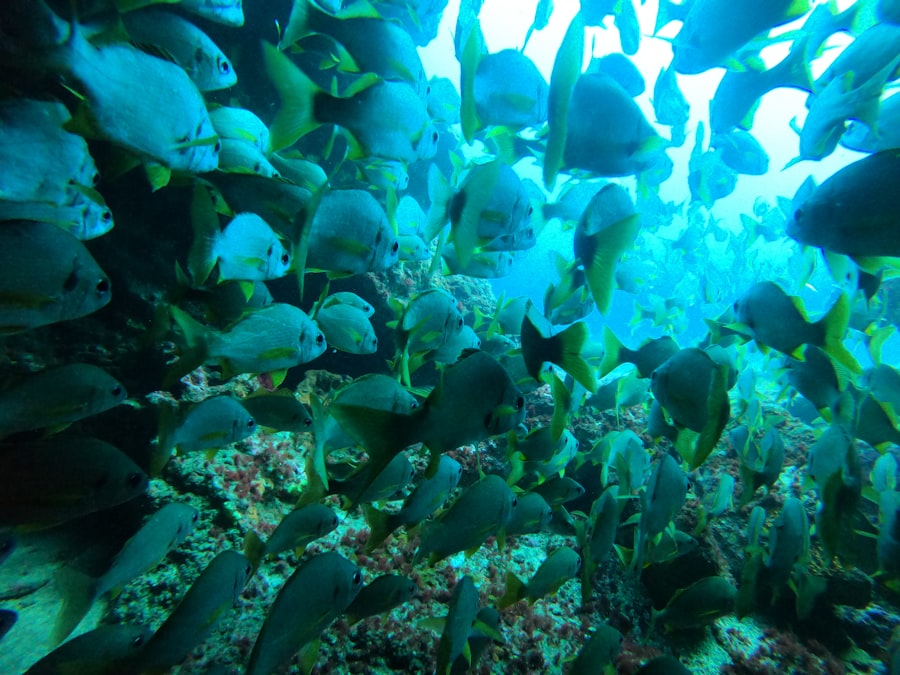
In an increasingly digital world, technology plays a pivotal role in enhancing environmental education. As you engage with various tools and platforms, you can access a wealth of information about ecological issues and innovative solutions. Online resources such as interactive simulations, virtual field trips, and educational apps can enrich your learning experience by providing dynamic content that captures your interest.
These technological advancements allow you to explore complex concepts in an engaging manner while fostering critical thinking skills. Moreover, technology facilitates collaboration and communication among students and educators across geographical boundaries. Through online forums or social media platforms, you can connect with peers who share similar interests in environmental advocacy.
This global network enables the exchange of ideas and best practices while fostering a sense of solidarity among individuals committed to sustainability. By leveraging technology in environmental education, you can amplify your voice and contribute to a broader movement for positive change.
Overcoming Challenges in Implementing Coastal Educational Programs
While the benefits of coastal educational programs are clear, implementing them can present various challenges. One significant hurdle is securing funding and resources necessary for effective programming. As schools and organizations strive to provide quality education on coastal ecosystems, they often face budget constraints that limit their ability to offer hands-on experiences or access expert speakers.
Overcoming this challenge requires creativity and collaboration among stakeholders who share a commitment to environmental education. Another challenge lies in addressing diverse learning needs within coastal educational programs. Students come from various backgrounds and possess different levels of prior knowledge about environmental issues.
To create an inclusive learning environment, educators must employ differentiated instruction strategies that cater to individual learning styles and interests. By fostering an atmosphere where all students feel valued and engaged, you can ensure that everyone has the opportunity to benefit from coastal educational initiatives.
The Future of Environmental Education: Opportunities and Innovations
As we look toward the future of environmental education, numerous opportunities and innovations are emerging on the horizon. One promising trend is the increasing emphasis on experiential learning that connects students with their local environments. By prioritizing outdoor education and community engagement, educators can cultivate a generation of environmentally conscious individuals who are equipped to tackle pressing challenges head-on.
Additionally, advancements in technology will continue to shape the landscape of environmental education. Virtual reality experiences may allow students like yourself to explore remote ecosystems without leaving the classroom, while data analytics can provide insights into local environmental conditions. These innovations have the potential to enhance your understanding of complex ecological systems while fostering a sense of responsibility toward their preservation.
In conclusion, the future of environmental education holds immense promise as it evolves to meet the needs of students and communities alike. By embracing innovative approaches and fostering collaboration among diverse stakeholders, we can empower individuals like yourself to become informed advocates for sustainability. Together, we can work toward creating a healthier planet for generations to come.
From Classroom to Coastline: Educational Programs Making Waves highlights the importance of environmental education in fostering a sense of stewardship for our planet. This article discusses how educational programs can empower students to take action and make a positive impact on the environment. For more information on the benefits of planting trees for climate change, check out this related article.
FAQs
What are educational programs making waves?
Educational programs making waves are initiatives that aim to provide students with hands-on learning experiences in coastal and marine environments. These programs often focus on environmental science, marine biology, and conservation efforts.
What is the goal of these educational programs?
The goal of these educational programs is to foster a deeper understanding and appreciation for coastal and marine ecosystems, as well as to inspire future generations to become stewards of the environment.
What types of activities are included in these programs?
These programs often include activities such as field trips to coastal areas, hands-on experiments and research projects, interactions with marine life, and opportunities to participate in conservation efforts.
Who can participate in these educational programs?
These programs are typically designed for students of all ages, from elementary school to college level. Some programs may also be open to educators and the general public.
What are the benefits of participating in these programs?
Participating in these programs can provide students with a deeper understanding of marine and coastal ecosystems, hands-on learning experiences, and opportunities to develop a sense of environmental stewardship. Additionally, these programs can inspire students to pursue careers in marine science and conservation.