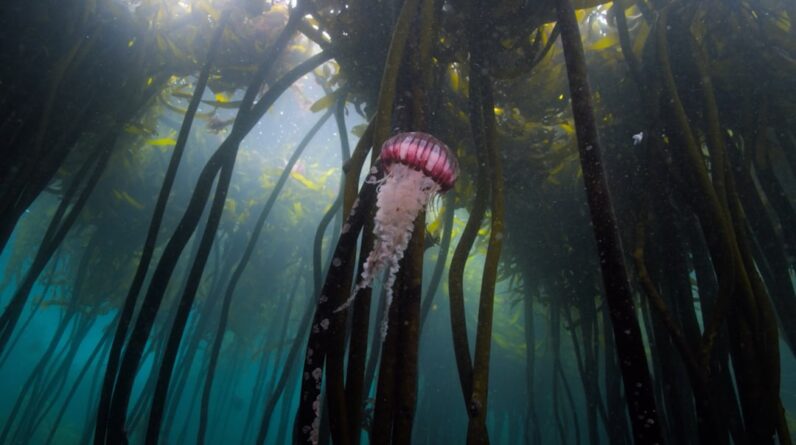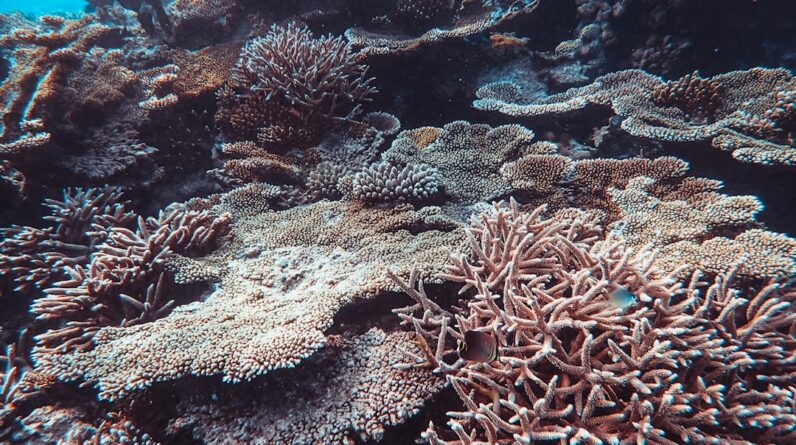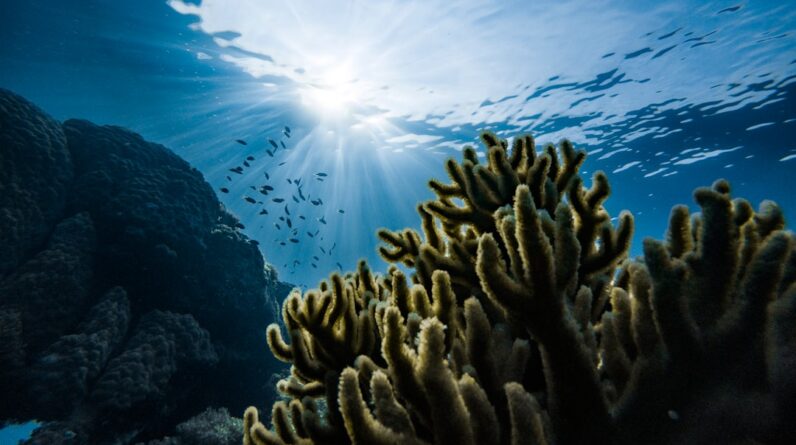
The oceans are often referred to as the lungs of our planet, and for good reason. They produce a significant portion of the oxygen that sustains life on Earth. As you delve into the intricate relationship between the oceans and atmospheric oxygen, you begin to appreciate how vital this connection is for all living organisms.
Phytoplankton, the microscopic plants that inhabit the ocean’s surface, play a crucial role in this process. Through photosynthesis, they convert sunlight into energy while releasing oxygen as a byproduct. It is estimated that these tiny organisms contribute to about 50% of the oxygen we breathe, underscoring their importance in maintaining the balance of our ecosystem.
Moreover, the oceans serve as a carbon sink, absorbing carbon dioxide from the atmosphere and helping to mitigate climate change. This process not only regulates global temperatures but also supports marine life by maintaining a stable environment. As you consider the implications of ocean health on your own life, it becomes clear that the well-being of the oceans directly impacts air quality, climate stability, and biodiversity.
The intricate web of life that thrives in marine ecosystems is dependent on the oxygen produced by these waters, making it imperative for you to understand and advocate for their protection.
Key Takeaways
- Ocean oxygen is crucial for marine life and the overall health of the ocean ecosystem.
- Pollution, climate change, and overfishing are major threats to ocean oxygen levels.
- Policy and regulations are essential for protecting ocean oxygen and addressing its threats.
- Engaging stakeholders, including governments, industries, and communities, is vital for effective ocean oxygen advocacy.
- Sustainable practices, research, innovation, and collaboration with international organizations are key for ocean oxygen preservation and protection.
Identifying Threats to Ocean Oxygen Levels
As you explore the various threats to ocean oxygen levels, it becomes evident that human activities play a significant role in exacerbating these challenges. One of the most pressing issues is nutrient pollution, primarily caused by agricultural runoff and wastewater discharge. Excessive nutrients, particularly nitrogen and phosphorus, lead to algal blooms that deplete oxygen levels in the water as they decay.
This phenomenon creates “dead zones,” areas where marine life struggles to survive due to insufficient oxygen. You may find it alarming that these dead zones have been increasing in size and number globally, threatening not only marine biodiversity but also the livelihoods of communities that depend on fishing. Climate change is another critical factor affecting ocean oxygen levels.
Rising sea temperatures can reduce the solubility of oxygen in water, while increased stratification limits the mixing of oxygen-rich surface waters with deeper layers. As you consider the broader implications of climate change, it becomes clear that its impact on ocean health is profound and far-reaching. The combination of warming waters and reduced oxygen availability poses a significant threat to marine species, particularly those that are already vulnerable or endangered.
Understanding these threats is essential for you to engage in meaningful discussions about ocean conservation and advocate for effective solutions.
Implementing Policy and Regulations for Ocean Oxygen Protection
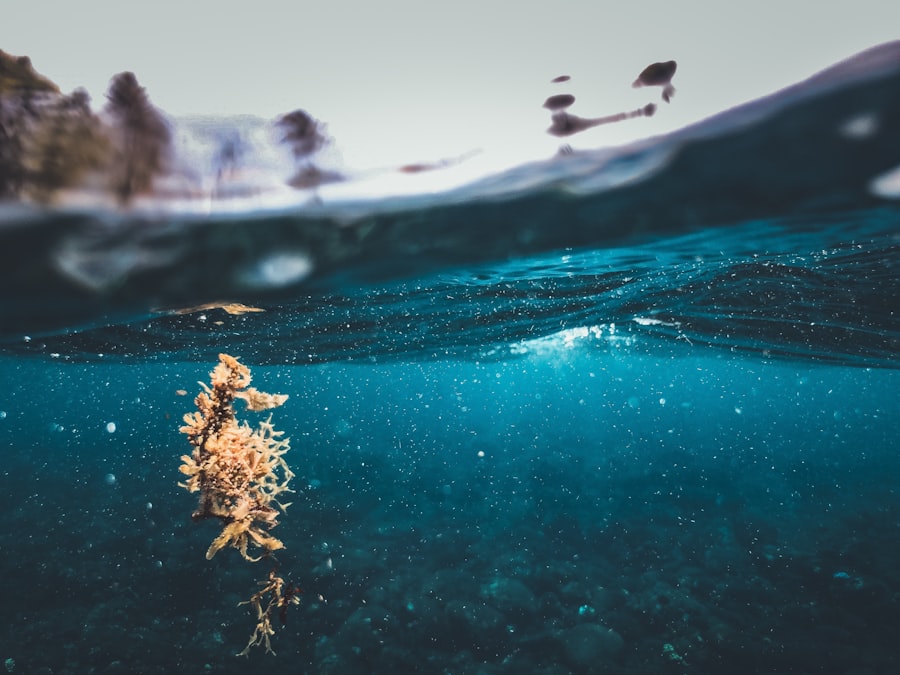
To combat the threats facing ocean oxygen levels, robust policies and regulations are essential. As you reflect on the role of government and international bodies in environmental protection, you recognize that effective legislation can lead to significant improvements in ocean health. Policies aimed at reducing nutrient pollution, such as stricter regulations on agricultural runoff and wastewater treatment, are crucial steps toward safeguarding marine ecosystems.
You may find it encouraging that many countries are beginning to adopt such measures, recognizing the urgent need to protect their coastal waters. In addition to addressing nutrient pollution, policies that promote sustainable fishing practices are vital for maintaining healthy marine populations and ecosystems. Overfishing not only depletes fish stocks but also disrupts the delicate balance of marine life that contributes to oxygen production.
By supporting regulations that limit catch sizes and protect critical habitats, you can play a part in ensuring that future generations inherit a thriving ocean. Engaging with policymakers and advocating for science-based regulations can amplify your voice in this critical conversation.
Engaging Stakeholders in Ocean Oxygen Advocacy
Engaging stakeholders is a fundamental aspect of advocating for ocean oxygen protection. As you consider the diverse groups involved—ranging from local communities and fishermen to scientists and policymakers—you realize that collaboration is key to creating effective solutions. By fostering dialogue among these stakeholders, you can help build a shared understanding of the importance of ocean health and the need for collective action.
Community engagement initiatives can empower individuals to take ownership of their local environments, encouraging them to participate in conservation efforts. You may also find it beneficial to connect with organizations dedicated to ocean advocacy. These groups often have established networks and resources that can amplify your efforts.
By joining forces with like-minded individuals and organizations, you can create a more significant impact on public awareness and policy change. Hosting workshops, community events, or educational programs can help raise awareness about ocean oxygen issues and inspire others to take action alongside you.
Promoting Sustainable Practices for Ocean Oxygen Preservation
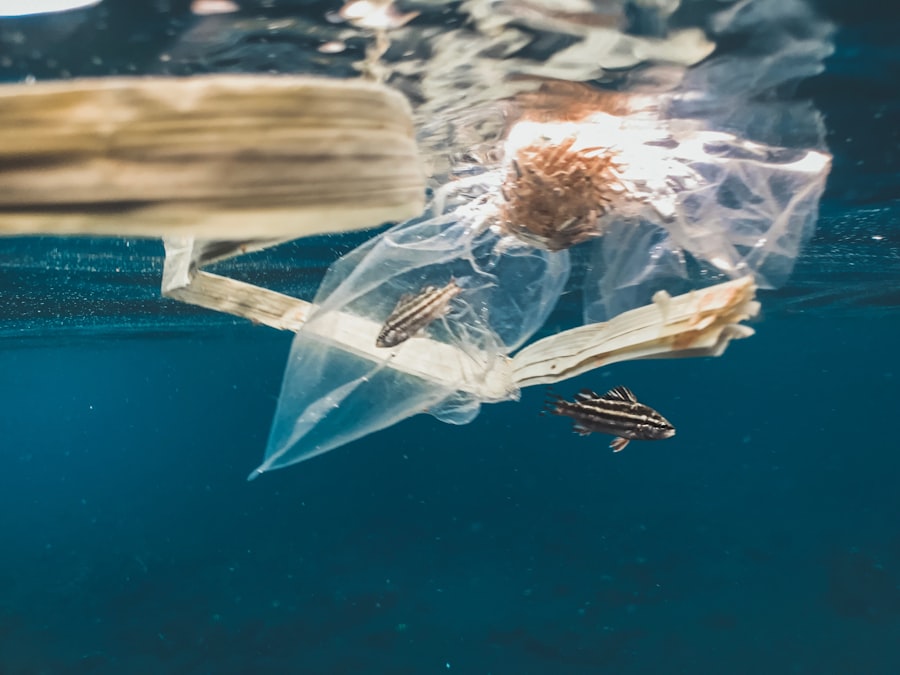
Promoting sustainable practices is essential for preserving ocean oxygen levels and ensuring the health of marine ecosystems. As you explore various sustainable practices, you may discover that small changes in individual behavior can collectively lead to significant improvements. For instance, reducing plastic use and opting for eco-friendly products can help minimize pollution entering our oceans.
Additionally, supporting local fisheries that prioritize sustainable practices can contribute to healthier fish populations and ecosystems. You might also consider advocating for sustainable agricultural practices that reduce nutrient runoff into waterways. Techniques such as crop rotation, cover cropping, and organic farming can significantly decrease the amount of fertilizers entering the ocean.
By educating yourself and others about these practices, you can inspire a shift toward more environmentally friendly choices within your community. Every effort counts when it comes to protecting our oceans, and your commitment to sustainability can make a difference.
Supporting Research and Innovation for Ocean Oxygen Protection
Research and innovation play a crucial role in understanding and addressing the challenges facing ocean oxygen levels. As you delve into this field, you may find it fascinating how scientists are developing new technologies and methodologies to monitor ocean health more effectively. For instance, advancements in remote sensing technology allow researchers to track changes in water quality and oxygen levels over vast areas, providing valuable data for conservation efforts.
Moreover, supporting research initiatives focused on understanding the impacts of climate change on marine ecosystems is vital for developing effective strategies for protection. By staying informed about ongoing studies and breakthroughs in ocean science, you can contribute to discussions about potential solutions. Engaging with local universities or research institutions can provide opportunities for collaboration and knowledge sharing, further enhancing your understanding of ocean health issues.
Collaborating with International Organizations for Ocean Oxygen Advocacy
Collaboration with international organizations is essential for addressing global challenges related to ocean oxygen levels. As you consider the interconnectedness of our planet’s ecosystems, it becomes clear that no single country can tackle these issues alone. Organizations such as the United Nations Environment Programme (UNEP) and the International Maritime Organization (IMO) work tirelessly to promote sustainable practices and policies on a global scale.
By aligning your advocacy efforts with these organizations, you can amplify your impact and contribute to meaningful change. Participating in international conferences or forums focused on ocean conservation can also provide valuable insights into best practices from around the world. These events often bring together experts from various fields who share their knowledge and experiences in addressing ocean health challenges.
By engaging with these global networks, you can gain a broader perspective on how different regions are tackling similar issues and apply those lessons to your local context.
Taking Action for Ocean Oxygen Protection in Local Communities
Taking action at the local level is crucial for protecting ocean oxygen levels and fostering community engagement in conservation efforts. You may find it rewarding to organize beach clean-ups or community awareness campaigns focused on ocean health issues. These initiatives not only help improve local environments but also foster a sense of community responsibility toward protecting natural resources.
Additionally, collaborating with local schools or educational institutions can help raise awareness among younger generations about the importance of ocean conservation. By incorporating ocean health topics into school curricula or organizing field trips to coastal areas, you can inspire students to become advocates for their environment. Your efforts at the community level can create a ripple effect, encouraging others to take action and prioritize ocean health in their daily lives.
In conclusion, understanding the importance of ocean oxygen levels is essential for fostering a healthy planet. By identifying threats, implementing policies, engaging stakeholders, promoting sustainable practices, supporting research, collaborating internationally, and taking local action, you can play an active role in advocating for ocean oxygen protection. Your commitment to these efforts not only benefits marine ecosystems but also contributes to a healthier world for all living beings.
If you are interested in learning more about how planting trees can help combat deforestation and climate change, check out the article How Does Planting Trees Help Deforestation? on the Live Life with a Cause website. This article provides valuable information on the importance of tree planting in protecting our environment and preserving our planet for future generations. It is a great resource for those looking to make a positive impact through environmental advocacy and action.
FAQs
What is ocean oxygen protection?
Ocean oxygen protection refers to the efforts and initiatives aimed at preserving and maintaining adequate levels of oxygen in the world’s oceans. This is crucial for the survival of marine life and the overall health of ocean ecosystems.
Why is ocean oxygen protection important?
Oxygen is essential for the survival of marine organisms, and maintaining adequate oxygen levels in the oceans is crucial for the health of marine ecosystems. Depletion of ocean oxygen can lead to the loss of marine life and disrupt the balance of marine ecosystems, impacting the global food chain and biodiversity.
What are the main threats to ocean oxygen levels?
The main threats to ocean oxygen levels include climate change, nutrient pollution, and ocean warming. Climate change can lead to ocean acidification and reduced oxygen solubility, while nutrient pollution from agricultural runoff and sewage can lead to oxygen-depleting algal blooms. Ocean warming can also impact oxygen levels through changes in ocean circulation patterns.
How can effective advocacy for ocean oxygen protection be achieved?
Effective advocacy for ocean oxygen protection can be achieved through raising awareness about the importance of ocean oxygen levels, promoting sustainable ocean management practices, supporting policies and regulations aimed at reducing nutrient pollution and addressing climate change, and collaborating with stakeholders and decision-makers to prioritize ocean oxygen protection.
What are some examples of successful advocacy for ocean oxygen protection?
Successful advocacy for ocean oxygen protection includes the establishment of marine protected areas, implementation of nutrient management strategies to reduce pollution, promotion of sustainable fishing practices, and support for international agreements aimed at addressing climate change and ocean conservation. Additionally, public awareness campaigns and educational initiatives have also played a key role in advocating for ocean oxygen protection.