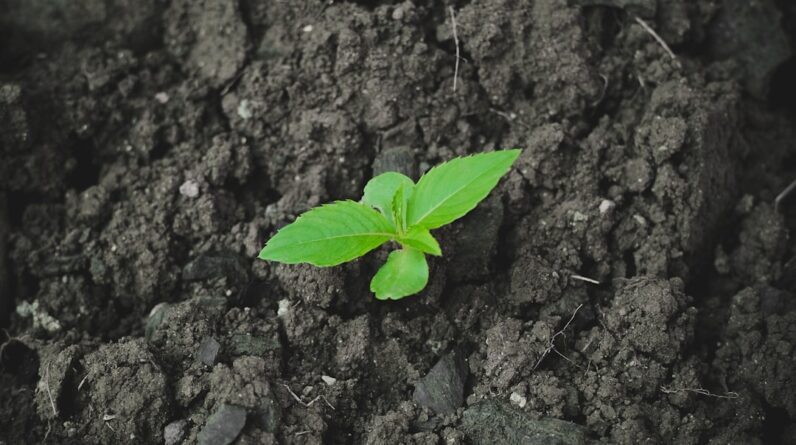
Reforestation projects have emerged as a vital response to the escalating environmental crises that our planet faces today. As you delve into the world of reforestation, you will discover that these initiatives are not merely about planting trees; they represent a comprehensive approach to restoring ecosystems, enhancing biodiversity, and combating climate change. The urgency of these projects has been underscored by alarming statistics regarding deforestation, which has led to the loss of millions of acres of forest each year.
By participating in or supporting reforestation efforts, you can play a crucial role in reversing this trend and fostering a healthier planet. As you explore various reforestation projects around the globe, you will find that they come in many forms, from large-scale government initiatives to grassroots community efforts. Each project is tailored to address specific local needs and environmental challenges.
Whether it’s restoring a degraded landscape, enhancing wildlife habitats, or improving air quality, reforestation projects are multifaceted endeavors that require collaboration among governments, non-profit organizations, and local communities. Understanding the scope and significance of these projects is essential for anyone interested in environmental stewardship and sustainable development.
Key Takeaways
- Reforestation projects aim to restore and replenish tree populations in deforested areas, contributing to environmental, economic, social, and cultural benefits.
- Environmental benefits of reforestation include carbon sequestration, biodiversity conservation, soil erosion prevention, and water cycle regulation.
- Economic benefits of reforestation encompass job creation, sustainable resource management, and potential for ecotourism development.
- Social benefits of reforestation involve improved air and water quality, enhanced community well-being, and increased access to natural resources.
- Cultural benefits of reforestation include preservation of traditional knowledge, connection to ancestral lands, and promotion of indigenous cultural practices.
Environmental Benefits of Reforestation
The environmental benefits of reforestation are profound and far-reaching. When you consider the role that trees play in our ecosystem, it becomes clear why reforestation is so critical. Trees act as natural air filters, absorbing carbon dioxide and releasing oxygen, which is essential for life on Earth.
By participating in reforestation efforts, you contribute to the reduction of greenhouse gases in the atmosphere, helping to mitigate climate change. This process not only improves air quality but also fosters a more stable climate, which is vital for the survival of countless species, including humans. Moreover, reforestation plays a significant role in restoring biodiversity.
As you engage with these projects, you will witness firsthand how planting trees can create habitats for various wildlife species. Forests serve as sanctuaries for birds, mammals, insects, and countless other organisms that rely on these ecosystems for survival. By restoring forests, you help to revive these habitats and promote ecological balance.
Additionally, reforested areas can improve soil quality and prevent erosion, which is crucial for maintaining healthy landscapes and water systems. The interconnectedness of these environmental benefits highlights the importance of reforestation as a holistic solution to many ecological challenges.
Economic Benefits of Reforestation

Reforestation is not only an environmental imperative but also an economic opportunity. As you consider the economic benefits of these projects, you will find that they can stimulate local economies in various ways. For instance, reforestation initiatives often create jobs in tree planting, maintenance, and forest management.
These jobs can provide much-needed employment opportunities in rural areas where economic options may be limited. By supporting reforestation efforts, you contribute to job creation and economic stability in communities that rely on natural resources. Furthermore, reforested areas can enhance local economies through sustainable practices such as eco-tourism and non-timber forest products.
As you explore regions that have undergone successful reforestation, you may notice an increase in visitors drawn by the beauty of restored landscapes and the opportunity to engage with nature. This influx of tourists can provide a significant boost to local businesses, from hospitality to artisanal crafts. Additionally, sustainable harvesting of forest products can offer ongoing revenue streams for communities while ensuring that the forest remains healthy and productive.
The economic advantages of reforestation are thus intertwined with environmental sustainability, creating a win-win scenario for both people and the planet.
Social Benefits of Reforestation
The social benefits of reforestation extend beyond mere economic gains; they encompass community well-being and cohesion as well. When you participate in or support reforestation projects, you often find yourself engaging with diverse groups of people who share a common goal: to restore and protect the environment. This collective effort fosters a sense of community and belonging among participants, strengthening social ties and encouraging collaboration.
As you work alongside others in planting trees or maintaining forests, you build relationships that can lead to lasting friendships and networks of support. Moreover, reforestation projects can enhance public health by improving air quality and providing green spaces for recreation. As you spend time in newly restored forests or parks, you may notice the positive effects on your mental and physical well-being.
Access to green spaces has been linked to reduced stress levels, increased physical activity, and improved overall health outcomes. By advocating for or participating in reforestation efforts, you contribute to creating healthier environments for yourself and your community. The social fabric of communities can be enriched through these initiatives, leading to stronger bonds and a shared commitment to environmental stewardship.
Cultural Benefits of Reforestation
Reforestation also carries significant cultural benefits that are often overlooked. As you engage with different communities involved in reforestation projects, you will discover how trees and forests hold deep cultural significance for many societies around the world. For indigenous peoples and local communities, forests are not just resources; they are integral to their identity, traditions, and spiritual beliefs.
By supporting reforestation efforts that respect and incorporate these cultural values, you help preserve important cultural heritage while promoting environmental sustainability. Additionally, reforested areas can serve as sites for cultural expression and education. As you explore these landscapes, you may encounter art installations, educational programs, or community gatherings that celebrate the connection between people and nature.
These cultural activities foster a deeper appreciation for the environment and encourage future generations to engage with their natural surroundings. By recognizing the cultural dimensions of reforestation, you contribute to a more holistic understanding of the relationship between people and the ecosystems they inhabit.
Community Involvement in Reforestation Projects
Community involvement is a cornerstone of successful reforestation projects. When you participate in these initiatives, you become part of a larger movement that emphasizes local knowledge and engagement. Communities often have unique insights into their environments and are best positioned to identify the specific needs and challenges they face regarding deforestation and degradation.
By involving community members in the planning and execution of reforestation efforts, projects are more likely to succeed and be sustainable over time. As you witness community members coming together to plant trees or restore habitats, you will see firsthand the power of collective action. These projects often foster a sense of ownership among participants, encouraging them to take pride in their contributions to environmental restoration.
Moreover, community involvement can lead to educational opportunities where individuals learn about sustainable practices and environmental stewardship. By empowering communities through active participation in reforestation efforts, you help cultivate a culture of responsibility toward nature that can have lasting impacts on future generations.
Indigenous Perspectives on Reforestation
Indigenous perspectives on reforestation offer invaluable insights into sustainable land management practices that have been honed over centuries. As you engage with indigenous communities involved in reforestation projects, you will learn about their deep-rooted connections to the land and their holistic understanding of ecosystems. Indigenous peoples often view forests as living entities with which they share a reciprocal relationship; this perspective emphasizes respect for nature and the importance of biodiversity.
Incorporating indigenous knowledge into reforestation efforts can enhance project outcomes significantly. You may find that traditional ecological knowledge provides guidance on selecting native tree species that are best suited for restoration efforts or on understanding seasonal patterns that influence planting times. By valuing indigenous perspectives and collaborating with these communities, you contribute to more effective reforestation strategies that honor cultural heritage while promoting ecological health.
This partnership not only enriches the reforestation process but also fosters mutual respect between indigenous peoples and broader society.
Future Impacts of Reforestation on Society
Looking ahead, the future impacts of reforestation on society are promising yet contingent upon our collective commitment to these initiatives. As climate change continues to pose significant threats to ecosystems and human livelihoods alike, reforestation offers a viable pathway toward resilience and adaptation. By investing in large-scale reforestation projects now, you contribute to building a more sustainable future where communities can thrive alongside healthy ecosystems.
Moreover, as awareness about the importance of forests grows globally, there is potential for increased collaboration among nations to address deforestation on an international scale. You may witness governments implementing policies that prioritize reforestation as part of their climate action plans or engaging in global partnerships aimed at restoring degraded landscapes worldwide. The ripple effects of these efforts could lead to enhanced biodiversity conservation, improved air quality, and strengthened economies across regions.
In conclusion, your involvement in or support for reforestation projects can have far-reaching implications for environmental health, economic stability, social cohesion, cultural preservation, community empowerment, indigenous rights, and global collaboration. As we face unprecedented challenges related to climate change and biodiversity loss, embracing reforestation as a multifaceted solution is essential for creating a sustainable future for all living beings on this planet.
If you are interested in learning more about the positive impact of reforestation projects, you may want to check out the article Combatting Global Warming by Massive Tree Planting. This article discusses how planting trees on a large scale can help combat global warming and its effects on the environment. It provides valuable insights into the importance of reforestation efforts in addressing climate change and promoting a healthier planet for future generations.
FAQs
What are the social and cultural benefits of reforestation projects?
Reforestation projects can provide numerous social and cultural benefits, including improved community well-being, increased access to natural resources, and preservation of cultural traditions and practices.
How do reforestation projects improve community well-being?
Reforestation projects can improve community well-being by providing opportunities for employment, promoting eco-tourism, and enhancing the overall quality of life through access to green spaces and improved air and water quality.
What natural resources are increased through reforestation projects?
Reforestation projects can increase the availability of natural resources such as timber, non-timber forest products, and medicinal plants, which can contribute to local economies and traditional healing practices.
How do reforestation projects preserve cultural traditions and practices?
Reforestation projects can help preserve cultural traditions and practices by protecting sacred sites, traditional knowledge, and indigenous languages that are closely tied to the natural environment.
What role do reforestation projects play in promoting environmental education and awareness?
Reforestation projects can serve as platforms for environmental education and awareness, helping to foster a greater understanding of the importance of forests and the need for sustainable land management practices.