
Imagine waking up one morning with a mission: to live an entire day without using any plastic. This challenge may seem daunting at first, but it’s an opportunity to explore your habits and make conscious choices that benefit the environment. As you embark on this journey, you’ll quickly realize how deeply ingrained plastic is in your daily life.
From the moment you wake up to the time you go to bed, plastic is often present in ways you might not even notice. The challenge lies not only in avoiding plastic but also in finding alternatives that align with your commitment to sustainability. As you prepare for this day, consider the implications of your choices.
Living plastic-free for a day can serve as a powerful reminder of the impact of single-use plastics on the environment. You may find yourself reflecting on the convenience that plastic provides and the trade-offs that come with it. This challenge is not just about abstaining from plastic; it’s about fostering a deeper awareness of your consumption patterns and encouraging a more sustainable lifestyle.
By the end of the day, you may discover new habits that can lead to lasting change.
Key Takeaways
- Living plastic-free for a day can be challenging but is a great way to reduce environmental impact
- Planning and preparation are key to successfully eliminating plastic from your day
- Navigating plastic-free personal care and breakfast requires finding alternatives to common plastic items
- Finding plastic-free alternatives for lunch and snacks while on the go is possible with some creativity and planning
- Avoiding plastic packaging and single-use items while shopping and running errands is achievable with conscious choices and preparation
- Enjoying a plastic-free dinner and entertainment in the evening is a great way to end the day on a sustainable note
- Reflecting on the impact of living plastic-free for a day can inspire long-term changes in daily habits
- Tips for reducing plastic use in daily life include using reusable items, buying in bulk, and supporting businesses with sustainable practices
Planning and Preparation: How to Eliminate Plastic from Your Day
To successfully navigate a plastic-free day, planning and preparation are essential. Start by assessing your daily routine and identifying areas where plastic typically enters your life. This could include personal care products, food packaging, and even household items.
Make a list of alternatives that you can use instead. For instance, consider switching to bar soap instead of liquid soap in plastic bottles, or using a reusable water bottle instead of buying bottled water. By anticipating potential challenges, you can set yourself up for success.
Next, gather the necessary supplies to support your plastic-free day. Stock up on reusable bags, containers, and utensils that will help you avoid single-use plastics while on the go. If you’re planning to eat out or grab lunch, research local restaurants or cafes that offer plastic-free options or allow you to bring your own containers.
Preparing meals at home can also be a great way to control what goes into your food and packaging. By taking these proactive steps, you’ll feel more confident and empowered as you embark on your plastic-free journey.
Morning Routine: Navigating Plastic-Free Personal Care and Breakfast

As dawn breaks, your morning routine begins, and it’s time to put your planning into action. Start with personal care products; instead of reaching for that plastic-packaged shampoo or conditioner, opt for bar versions that come wrapped in paper or are sold without packaging altogether. You might also consider using a bamboo toothbrush instead of a plastic one and natural toothpaste in a glass jar.
These small changes can significantly reduce your plastic footprint while still allowing you to maintain your hygiene routine. When it comes to breakfast, think creatively about how to avoid plastic packaging. Instead of grabbing a box of cereal that’s likely encased in plastic, consider making oatmeal from bulk ingredients stored in glass jars or paper bags.
Fresh fruits are another excellent option; they come in their natural packaging and are free from plastic. If you enjoy coffee in the morning, bring your own reusable cup to fill up at your favorite café or brew it at home using a French press or pour-over method. By making these mindful choices, you’ll start your day off on a positive note, fully embracing the challenge ahead.
On the Go: Finding Plastic-Free Alternatives for Lunch and Snacks
As you head out for the day, it’s essential to have a plan for lunch and snacks that aligns with your commitment to living plastic-free. Packing your meals in reusable containers is a great way to avoid single-use plastics while ensuring you have nutritious options readily available. Consider preparing a hearty salad with fresh vegetables, grains, and protein sources like beans or quinoa.
You can also pack snacks like nuts, seeds, or homemade energy bars in reusable bags or containers. If you find yourself needing to grab lunch while out, research local eateries that prioritize sustainability and offer plastic-free options. Many restaurants now provide takeout containers made from biodegradable materials or allow customers to bring their own containers for takeout orders.
Don’t hesitate to ask about their practices; many establishments appreciate customers who are conscious about reducing waste. By being proactive and resourceful, you can enjoy delicious meals without compromising your commitment to living plastic-free.
Shopping and Errands: Avoiding Plastic Packaging and Single-Use Items
Shopping can be one of the most challenging aspects of living plastic-free, but with some preparation, it can also be rewarding. When heading to the grocery store or farmer’s market, bring along your reusable bags and containers. Opt for bulk bins where you can fill up on grains, nuts, and spices without any packaging at all.
Many stores now offer options for buying produce without plastic wrapping; choose loose fruits and vegetables instead of pre-packaged ones. As you navigate errands throughout the day, be mindful of single-use items that may tempt you. For example, if you need coffee on the go, bring your reusable cup instead of accepting a disposable one from the café.
If you’re purchasing items from a store that only offers plastic packaging, consider whether it’s possible to find an alternative elsewhere or if it’s worth skipping altogether for the day. Each choice you make reinforces your commitment to reducing plastic use and encourages others around you to think critically about their consumption habits.
Evening Activities: Plastic-Free Dinner and Entertainment
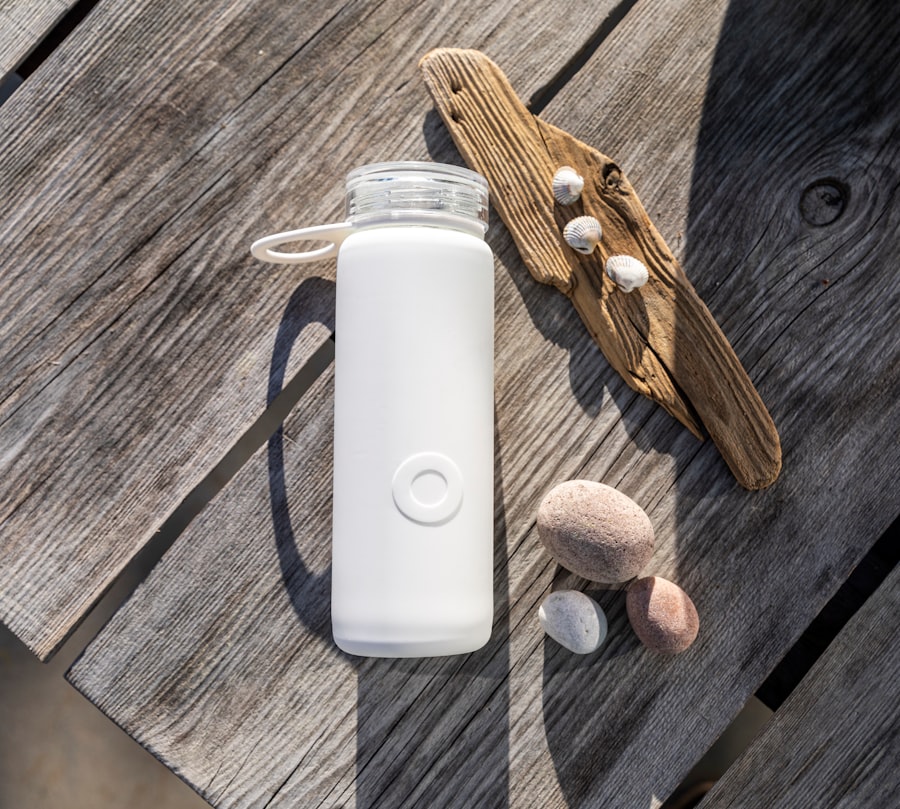
As the day winds down, it’s time to focus on dinner and evening activities while maintaining your commitment to living plastic-free. If you enjoy cooking, this is an excellent opportunity to experiment with new recipes using fresh ingredients from local markets or stores that prioritize sustainable practices. Consider making a vegetable stir-fry with seasonal produce or a hearty soup using dried beans and grains—both options are delicious and free from plastic packaging.
For entertainment, think about activities that don’t involve plastic waste. Instead of watching a movie on a streaming service that may require electronic devices with plastic components, consider hosting a game night with friends using board games or cards made from sustainable materials. Alternatively, take a walk in nature or visit a local park where you can enjoy the outdoors without contributing to plastic pollution.
By choosing activities that align with your values, you’ll end your day on a fulfilling note while reinforcing the importance of living sustainably.
Reflection: The Impact of Living Plastic-Free for a Day
As the day comes to an end, take some time to reflect on your experience living plastic-free. What challenges did you face? Were there moments when you felt tempted to revert back to old habits?
Reflecting on these questions can provide valuable insights into your relationship with plastic and consumption as a whole. You may find that certain aspects of living without plastic were easier than expected while others proved more difficult. Consider how this experience has impacted your perspective on sustainability and environmental responsibility.
Living plastic-free for just one day can serve as a catalyst for long-term change in your habits and lifestyle choices. You might feel inspired to continue seeking out alternatives or even challenge yourself to extend this practice beyond just one day. By reflecting on your experience, you’ll gain clarity on how to integrate these lessons into your everyday life moving forward.
Tips for Reducing Plastic Use in Your Daily Life
Now that you’ve experienced living plastic-free for a day, it’s time to think about how you can incorporate these practices into your daily life moving forward. Start by setting realistic goals for yourself—perhaps aim for one plastic-free meal each week or commit to bringing reusable bags whenever you shop. Small changes can lead to significant impacts over time.
Additionally, educate yourself about the environmental effects of plastic pollution and share this knowledge with friends and family. The more people who understand the importance of reducing plastic use, the greater collective impact we can have on our planet’s health. Consider joining local initiatives focused on sustainability or participating in community clean-up events to further engage with like-minded individuals.
By embracing these tips and continuing to challenge yourself, you’ll not only contribute positively to the environment but also inspire others around you to rethink their consumption habits as well. Living sustainably is an ongoing journey—one that begins with awareness and leads to meaningful change for both yourself and the world around you.
In a related article on increased tree planting, the importance of reforestation efforts in maintaining the balance of the world’s ecosystems is highlighted. Just as reducing plastic usage can have a positive impact on the environment, planting more trees can also help mitigate the effects of climate change and preserve biodiversity. By taking small steps like living a day without plastic and supporting tree planting initiatives, individuals can contribute to a healthier planet for future generations. Check out Live Life with a Cause for more ways to make a positive impact on the environment.
FAQs
What is the article “Could You Live a Day Without Plastic? We Tried” about?
The article explores the challenges and experiences of living a day without using plastic, and the impact it has on daily life and the environment.
Why is living without plastic challenging?
Plastic has become deeply integrated into our daily lives, from packaging to household items, making it difficult to avoid.
What are some alternatives to plastic?
Some alternatives to plastic include using reusable containers, glass or metal water bottles, cloth bags, and purchasing products with minimal or biodegradable packaging.
What are the environmental impacts of plastic use?
Plastic pollution poses a significant threat to the environment, contributing to ocean pollution, harming wildlife, and releasing harmful chemicals into the ecosystem.
What are some tips for reducing plastic use?
Some tips for reducing plastic use include using reusable items, avoiding single-use plastic products, and supporting businesses that offer plastic-free alternatives.