


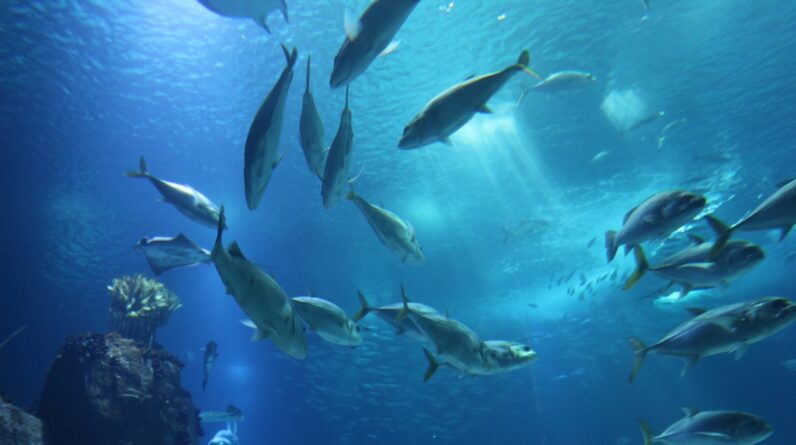
When you think about the sources of oxygen that sustain life on Earth, your mind might immediately drift to lush forests or sprawling grasslands. However, the ocean plays an equally vital role in producing the oxygen that fills your lungs. In fact, it is estimated that the ocean contributes approximately 50% to 80% of the world’s oxygen supply, primarily through the process of photosynthesis carried out by marine plants and phytoplankton.
This remarkable contribution underscores the ocean’s significance not only as a habitat for countless species but also as a crucial component of the Earth’s atmosphere. Understanding the ocean’s role in oxygen production is essential for grasping the interconnectedness of life on our planet. The health of marine ecosystems directly influences the quality and quantity of oxygen available in the atmosphere.
As you delve deeper into this topic, you will discover how various factors, including climate change and human activities, can disrupt this delicate balance. The ocean is not merely a vast body of water; it is a dynamic system that supports life on Earth in ways that are often overlooked.
Key Takeaways
- The ocean plays a crucial role in global oxygen supply, producing over half of the world’s oxygen through photosynthesis and phytoplankton.
- Factors such as temperature, salinity, and nutrient availability can affect oxygen levels in the ocean, leading to areas of low oxygen known as “dead zones.”
- Climate change is impacting ocean oxygen levels through warming waters, altered circulation patterns, and increased nutrient runoff, leading to further oxygen depletion.
- Ocean oxygen is vital for marine life, supporting diverse ecosystems and fisheries, and its decline can have detrimental effects on biodiversity and food security.
- Human activities such as pollution, overfishing, and coastal development can further exacerbate oxygen depletion in the ocean, highlighting the need for monitoring and protection efforts.
The Process of Oxygen Production in the Ocean
The primary producers of oxygen in the ocean are phytoplankton, microscopic organisms that float near the surface of the water. These tiny powerhouses utilize sunlight, carbon dioxide, and nutrients to perform photosynthesis, a process that converts light energy into chemical energy while releasing oxygen as a byproduct. You might be surprised to learn that these organisms are responsible for producing more than half of the oxygen you breathe.
Their abundance and efficiency make them indispensable to both marine ecosystems and terrestrial life. In addition to phytoplankton, other marine plants such as seagrasses and macroalgae also contribute to oxygen production. Seagrasses, for instance, are found in shallow coastal waters and play a significant role in maintaining water quality while providing habitat for various marine species.
The combined efforts of these organisms create a vibrant underwater ecosystem that not only supports marine life but also helps regulate atmospheric conditions. As you explore this intricate web of life, you will come to appreciate how essential these small organisms are to the health of our planet.
Factors Affecting Oxygen Levels in the Ocean
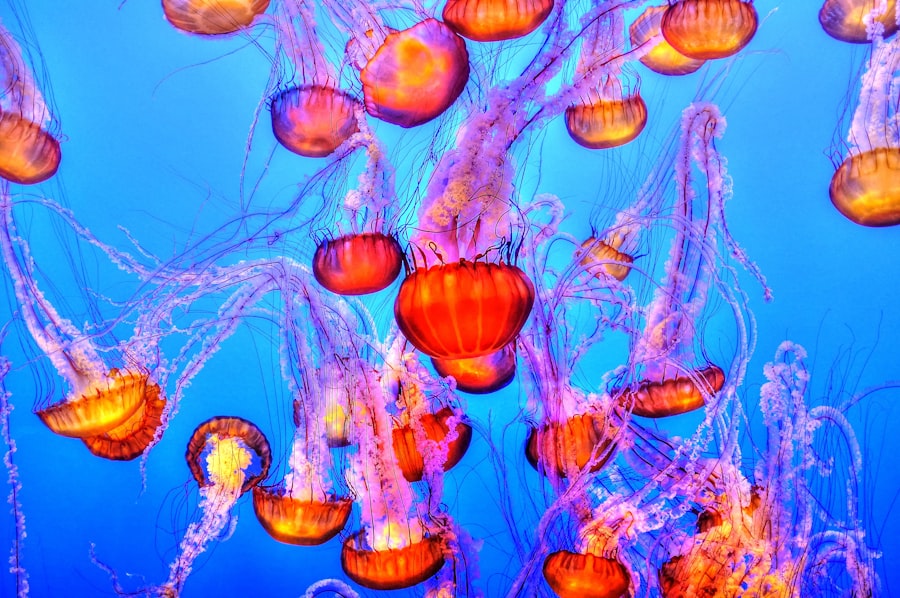
Oxygen levels in the ocean are influenced by a variety of factors, both natural and anthropogenic. One significant factor is temperature; warmer waters hold less dissolved oxygen than cooler ones. As you consider this, it becomes clear that climate change poses a serious threat to oceanic oxygen levels.
Rising global temperatures can lead to stratification, where warmer surface waters prevent mixing with deeper, cooler waters. This stratification can result in reduced oxygen availability for marine organisms that rely on it for survival. Another critical factor affecting oxygen levels is nutrient availability.
Nutrient-rich waters often lead to algal blooms, which can initially increase oxygen production but may ultimately result in hypoxic conditions when the algae die and decompose. This process consumes large amounts of oxygen, creating “dead zones” where marine life struggles to survive. As you reflect on these dynamics, it becomes evident that maintaining a balance in nutrient levels is crucial for sustaining healthy ocean ecosystems and ensuring adequate oxygen supply.
The Impact of Climate Change on Ocean Oxygen Levels
Climate change is one of the most pressing challenges facing our oceans today, and its impact on oxygen levels cannot be overstated. As global temperatures rise, you may notice changes in ocean circulation patterns and increased stratification, both of which can lead to decreased oxygen levels in certain regions. Warmer waters not only hold less oxygen but also exacerbate other stressors such as ocean acidification, which further threatens marine life.
Moreover, climate change can intensify the frequency and severity of extreme weather events, leading to increased runoff from land into coastal waters. This runoff often carries excess nutrients that can trigger harmful algal blooms, further depleting oxygen levels when these blooms collapse. As you consider these interconnected issues, it becomes clear that addressing climate change is essential for preserving the delicate balance of ocean ecosystems and ensuring a stable supply of oxygen for all living beings.
The Importance of Ocean Oxygen for Marine Life
The significance of ocean oxygen extends far beyond its role in supporting human life; it is vital for the survival of countless marine species as well. Fish, crustaceans, and other aquatic organisms rely on dissolved oxygen to thrive. When oxygen levels drop due to natural or anthropogenic factors, these species face increased stress and mortality rates.
You may find it alarming to learn that hypoxic conditions can lead to mass die-offs of fish and other marine life, disrupting entire ecosystems and food webs. In addition to individual species, the overall health of marine ecosystems depends on adequate oxygen levels. Coral reefs, for example, are particularly sensitive to changes in oxygen availability.
These vibrant ecosystems support a diverse array of marine life and provide essential services such as coastal protection and tourism opportunities. As you explore the importance of ocean oxygen for marine life, you will come to understand how interconnected these systems are and how vital it is to protect them from threats.
Human Activities and Their Impact on Ocean Oxygen Levels
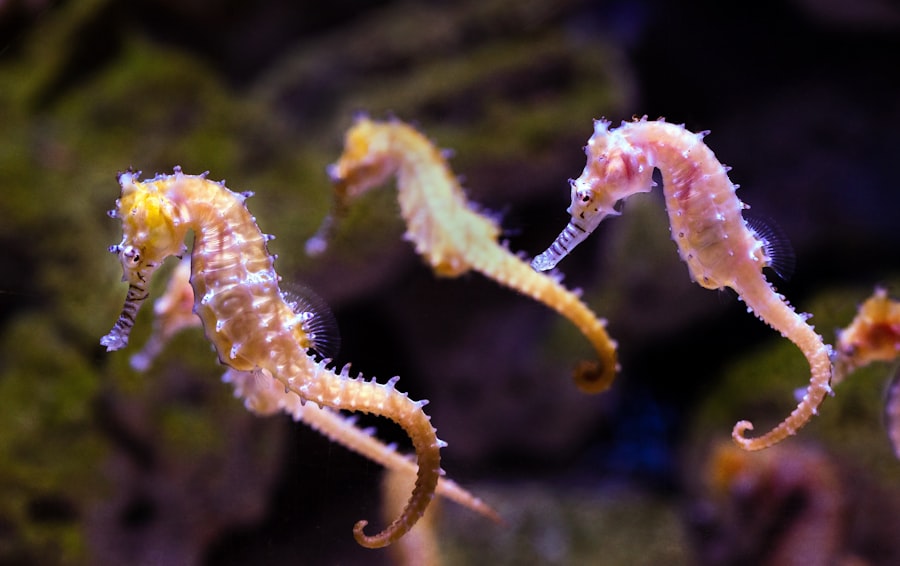
Human activities have a profound impact on ocean oxygen levels, often exacerbating existing challenges faced by marine ecosystems. One major contributor is pollution from agricultural runoff, which introduces excess nutrients into coastal waters. This nutrient overload can lead to harmful algal blooms that deplete oxygen levels when they die off, creating dead zones where few organisms can survive.
As you consider your own role in this issue, it becomes clear that sustainable agricultural practices are essential for protecting ocean health. Additionally, overfishing poses a significant threat to marine ecosystems and their ability to maintain healthy oxygen levels. The removal of key species can disrupt food webs and lead to imbalances that further exacerbate hypoxic conditions.
You may also want to reflect on how climate change—driven largely by human activities—affects ocean temperatures and circulation patterns, compounding these challenges. By understanding the impact of your actions on ocean health, you can contribute to efforts aimed at preserving this vital resource.
Monitoring and Protecting Ocean Oxygen Levels
Monitoring ocean oxygen levels is crucial for understanding the health of marine ecosystems and identifying areas at risk of hypoxia. Various organizations and research institutions employ advanced technologies such as autonomous underwater vehicles and satellite remote sensing to gather data on dissolved oxygen concentrations across different regions. As you learn about these monitoring efforts, you may appreciate how they inform conservation strategies and policy decisions aimed at protecting ocean health.
In addition to monitoring, proactive measures are necessary to safeguard ocean oxygen levels from further decline. Implementing sustainable fishing practices, reducing nutrient runoff through better land management, and addressing climate change are all critical steps toward preserving this essential resource. You might also consider supporting organizations dedicated to ocean conservation or advocating for policies that prioritize environmental protection.
By taking action at both individual and collective levels, you can contribute to a healthier future for our oceans.
The Future of Ocean Oxygen and its Implications for Global Ecosystems
As you contemplate the future of ocean oxygen levels, it becomes evident that urgent action is needed to address the myriad challenges facing our oceans today. If current trends continue unchecked—such as rising temperatures, pollution, and overfishing—the consequences could be dire not only for marine life but also for human populations reliant on healthy oceans for food security and economic stability. The implications extend beyond immediate ecological concerns; they encompass broader issues such as climate regulation and biodiversity preservation.
Healthy oceans play a crucial role in regulating global climate patterns by absorbing carbon dioxide and producing oxygen. As you reflect on these interconnected systems, it becomes clear that safeguarding ocean health is essential for ensuring a sustainable future for all life on Earth. In conclusion, understanding the ocean’s role in global oxygen supply is vital for appreciating its significance in sustaining life on our planet.
By recognizing the processes involved in oxygen production, the factors affecting its levels, and the impact of human activities and climate change, you can better appreciate the importance of protecting this invaluable resource. The future of ocean oxygen—and by extension, global ecosystems—depends on our collective efforts to monitor, protect, and restore the health of our oceans for generations to come.
Understanding the Ocean’s Role in Global Oxygen Supply is crucial for our planet’s health, but it is also important to consider the impact of terrestrial ecosystems on biodiversity and climate change. A related article that delves into this topic is