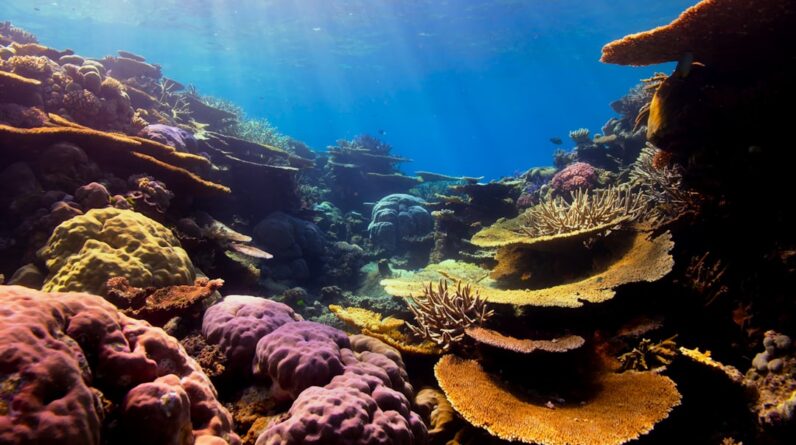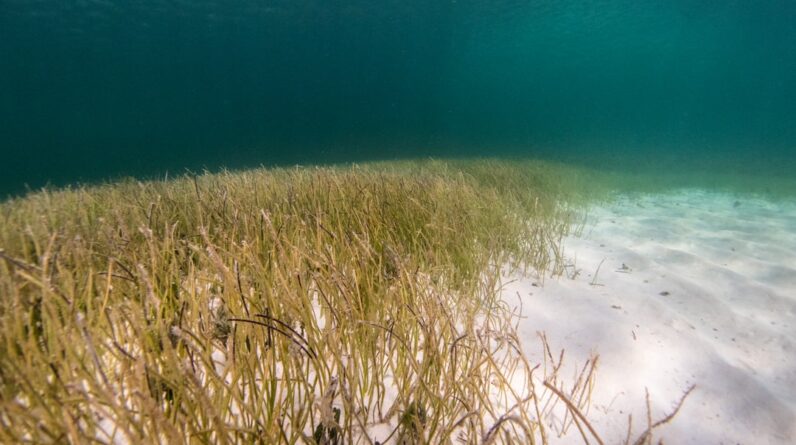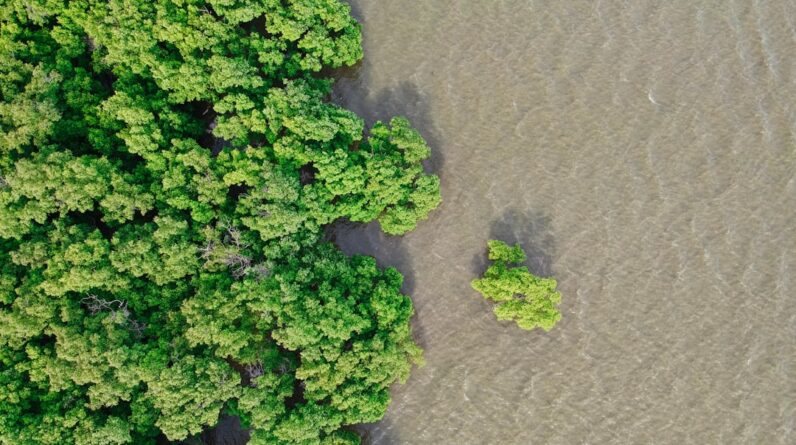
Blue carbon refers to the carbon captured and stored by coastal and marine ecosystems, particularly mangroves, salt marshes, and seagrasses. These ecosystems play a crucial role in sequestering carbon dioxide from the atmosphere, making them vital allies in the fight against climate change. When you think about carbon storage, you might picture forests or terrestrial landscapes, but the oceans and their coastal counterparts are equally important.
Blue carbon ecosystems can sequester carbon at rates significantly higher than terrestrial forests, making them essential for mitigating climate change. The term “blue carbon” encompasses not only the carbon stored in the biomass of these ecosystems but also the carbon stored in the sediment beneath them. When you walk along a beach or through a mangrove forest, you may not realize that these environments are working tirelessly to absorb carbon from the atmosphere.
The health of these ecosystems directly impacts their ability to sequester carbon, which is why understanding blue carbon is crucial for both environmental scientists and policymakers alike. By recognizing the importance of blue carbon, you can appreciate how these ecosystems contribute to a healthier planet.
Key Takeaways
- Blue carbon refers to the carbon captured and stored by coastal and marine ecosystems such as mangroves, seagrasses, and salt marshes.
- Ocean oxygen producers, such as phytoplankton and algae, play a crucial role in absorbing carbon dioxide and producing oxygen, helping to regulate the Earth’s climate.
- Blue carbon ecosystems can help mitigate climate change by sequestering carbon dioxide from the atmosphere and storing it in their biomass and sediments.
- Protecting and restoring blue carbon ecosystems is important for preserving biodiversity, coastal protection, and maintaining the balance of the carbon cycle.
- Challenges and threats to blue carbon ecosystems include habitat destruction, pollution, and climate change impacts, highlighting the need for conservation efforts and initiatives.
The Role of Ocean Oxygen Producers in Climate Change
Ocean oxygen producers, such as phytoplankton, seagrasses, and macroalgae, play a pivotal role in regulating the Earth’s climate. These organisms not only produce oxygen through photosynthesis but also absorb significant amounts of carbon dioxide from the atmosphere. When you consider that phytoplankton alone contributes to about half of the oxygen we breathe, it becomes clear how vital these tiny organisms are to our survival and the health of our planet.
They form the foundation of marine food webs and are essential for maintaining biodiversity in ocean ecosystems. As you delve deeper into the relationship between ocean oxygen producers and climate change, you’ll find that their role extends beyond just oxygen production. These organisms help regulate global temperatures by absorbing carbon dioxide, which mitigates the greenhouse effect.
However, climate change poses a significant threat to these vital producers. Rising ocean temperatures and acidification can disrupt their growth and productivity, leading to a decline in oxygen levels and an increase in atmospheric carbon dioxide. This creates a vicious cycle that exacerbates climate change and threatens marine life.
Understanding this relationship empowers you to advocate for policies that protect these essential organisms.
How Blue Carbon Can Help Mitigate Climate Change
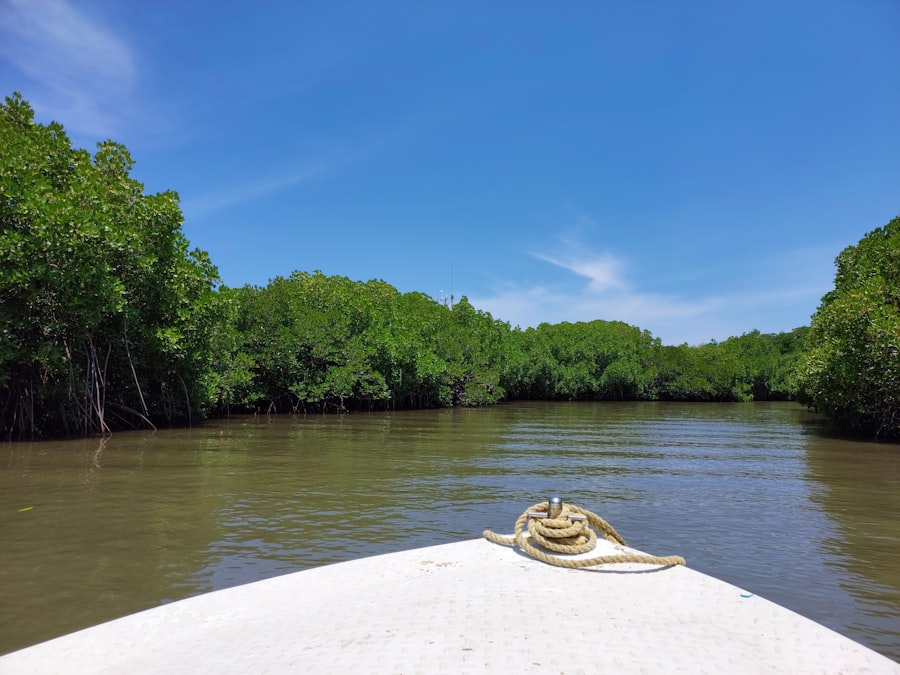
Blue carbon ecosystems are among the most effective natural solutions for mitigating climate change. By sequestering large amounts of carbon dioxide, they help reduce the concentration of greenhouse gases in the atmosphere. When you consider that coastal ecosystems can store up to five times more carbon per unit area than tropical forests, it becomes evident that protecting and restoring these areas is crucial for achieving global climate goals.
The potential for blue carbon to contribute to climate mitigation is immense, and it offers a unique opportunity to address climate change while also preserving biodiversity. Moreover, blue carbon initiatives can provide additional benefits beyond carbon sequestration. For instance, restoring mangroves can protect coastal communities from storm surges and erosion while enhancing local fisheries.
When you support blue carbon projects, you are not only contributing to climate change mitigation but also promoting resilience in coastal communities. This multifaceted approach highlights the importance of integrating blue carbon strategies into broader climate action plans, ensuring that you are part of a solution that addresses both environmental and social challenges.
The Importance of Protecting and Restoring Blue Carbon Ecosystems
Protecting and restoring blue carbon ecosystems is essential for maintaining their ability to sequester carbon effectively. When these ecosystems are degraded or destroyed, they release stored carbon back into the atmosphere, exacerbating climate change. As you reflect on this issue, consider how human activities such as coastal development, pollution, and unsustainable fishing practices threaten these vital habitats.
By prioritizing conservation efforts, you can help ensure that these ecosystems continue to function as effective carbon sinks. Restoration efforts can take many forms, from replanting mangroves to rehabilitating seagrass beds. These initiatives not only enhance carbon sequestration but also improve water quality and provide critical habitat for marine life.
When you engage in or support restoration projects, you contribute to a healthier ecosystem that benefits both wildlife and local communities. The interconnectedness of these systems underscores the importance of a holistic approach to conservation—one that recognizes the value of blue carbon ecosystems in combating climate change while also supporting biodiversity and community resilience.
Challenges and Threats to Blue Carbon Ecosystems
Despite their importance, blue carbon ecosystems face numerous challenges and threats that jeopardize their health and functionality. Climate change itself poses a significant risk, as rising sea levels and increasing ocean temperatures can lead to habitat loss and degradation. Additionally, human activities such as coastal development, pollution, and overfishing further exacerbate these threats.
As you consider the future of blue carbon ecosystems, it’s crucial to recognize that their survival depends on addressing these challenges head-on. Another significant threat is the lack of awareness and understanding of blue carbon among policymakers and the general public. Many people are unaware of the critical role these ecosystems play in climate regulation and biodiversity conservation.
This knowledge gap can hinder efforts to protect and restore blue carbon habitats effectively. By educating yourself and others about the importance of blue carbon ecosystems, you can help raise awareness and advocate for policies that prioritize their conservation. Your voice can be a powerful tool in driving change and ensuring that these vital ecosystems receive the attention they deserve.
Blue Carbon Projects and Initiatives Around the World
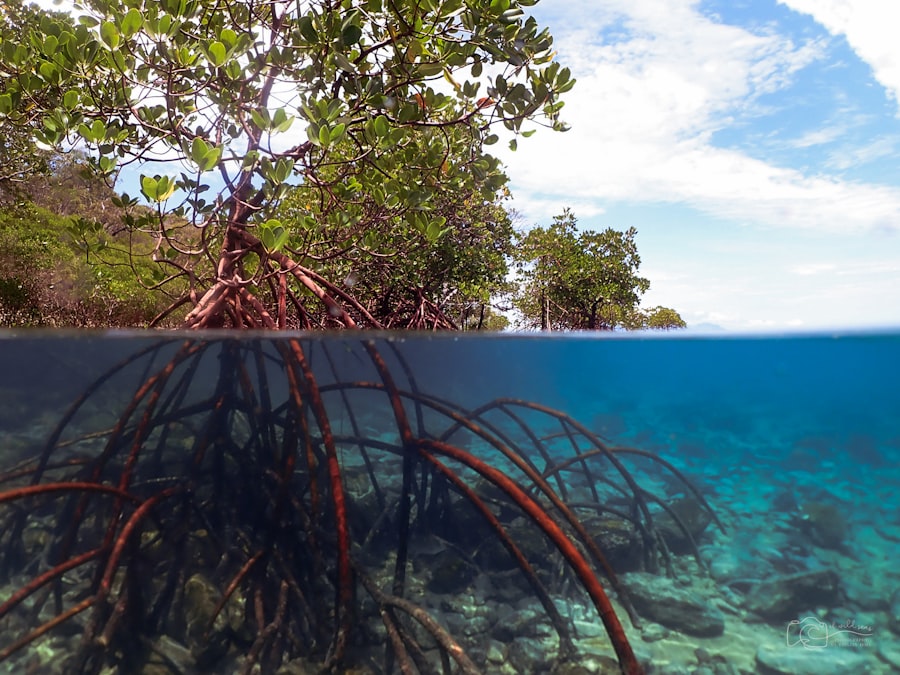
Around the globe, various projects and initiatives are underway to promote blue carbon conservation and restoration. These efforts range from local community-led initiatives to large-scale international programs aimed at protecting coastal ecosystems. For instance, in countries like Indonesia and Madagascar, local communities are actively engaged in restoring mangrove forests to enhance their resilience against climate change while also improving livelihoods through sustainable fishing practices.
When you learn about these projects, you can see how grassroots efforts can lead to meaningful change. International organizations are also recognizing the importance of blue carbon in global climate strategies. Initiatives such as the Blue Carbon Initiative aim to promote awareness and support for blue carbon projects worldwide.
By collaborating with governments, NGOs, and local communities, these organizations work to develop policies that protect blue carbon ecosystems while also providing funding for restoration efforts. As you explore these initiatives, consider how they align with your values and how you might support or participate in similar efforts in your own community.
The Economic and Social Benefits of Blue Carbon Conservation
Conserving blue carbon ecosystems offers numerous economic and social benefits that extend beyond climate mitigation. Healthy coastal ecosystems provide essential services such as fisheries support, tourism opportunities, and protection against natural disasters like storms and flooding. When you think about the economic value of these services, it becomes clear that investing in blue carbon conservation is not just an environmental imperative but also a smart economic decision.
Moreover, blue carbon conservation can enhance social equity by providing livelihoods for local communities that depend on healthy marine environments. Sustainable fishing practices supported by thriving seagrass beds or mangrove forests can lead to increased food security and economic stability for coastal populations. By advocating for blue carbon initiatives that prioritize community involvement and equitable resource management, you contribute to a more sustainable future for both people and the planet.
How Individuals Can Contribute to Blue Carbon Conservation
As an individual, there are several ways you can contribute to blue carbon conservation efforts in your community and beyond. One of the most impactful actions you can take is to educate yourself about local blue carbon ecosystems and their importance. By understanding the specific challenges they face, you can advocate for policies that protect these habitats or support local restoration projects.
Additionally, consider participating in volunteer opportunities focused on coastal restoration or conservation efforts. Many organizations offer programs where you can help plant mangroves or clean up coastal areas—actions that directly contribute to enhancing blue carbon storage capacity. You can also support businesses that prioritize sustainability and engage in responsible consumption practices that minimize your impact on coastal ecosystems.
By taking these steps, you become an active participant in the global movement toward blue carbon conservation. Your efforts can inspire others to join the cause, creating a ripple effect that amplifies the impact of individual actions on a larger scale. Together, we can work towards a healthier planet by recognizing the vital role of blue carbon ecosystems in combating climate change while fostering resilience in our communities.
Blue Carbon: The Climate Solution Hidden in Ocean Oxygen Producers discusses the importance of seagrasses, mangroves, and salt marshes in capturing and storing carbon dioxide from the atmosphere. These ecosystems are crucial in mitigating climate change by acting as carbon sinks. A related article on the negative impacts of tree planting on the environment can be found here. This article explores how planting trees in certain areas can actually harm ecosystems and biodiversity, highlighting the need for a balanced approach to carbon sequestration efforts.
FAQs
What is blue carbon?
Blue carbon refers to the carbon captured and stored by coastal and marine ecosystems such as mangroves, seagrasses, and salt marshes. These ecosystems are highly efficient at sequestering carbon dioxide from the atmosphere and storing it in their biomass and sediments.
How do coastal and marine ecosystems sequester carbon?
Coastal and marine ecosystems sequester carbon through the process of photosynthesis, where they absorb carbon dioxide from the atmosphere and convert it into organic carbon. This carbon is then stored in the plants and sediments of these ecosystems, effectively removing it from the atmosphere.
Why is blue carbon important for climate change mitigation?
Blue carbon plays a crucial role in mitigating climate change by sequestering and storing large amounts of carbon dioxide. Protecting and restoring coastal and marine ecosystems can help to reduce the amount of carbon dioxide in the atmosphere, thereby mitigating the impacts of climate change.
What are some of the benefits of blue carbon ecosystems?
In addition to carbon sequestration, blue carbon ecosystems provide a range of benefits including coastal protection, habitat for marine life, and support for fisheries. They also help to improve water quality, stabilize shorelines, and provide important ecosystem services for local communities.
How can we protect and restore blue carbon ecosystems?
Protecting and restoring blue carbon ecosystems involves measures such as reducing coastal development, implementing sustainable land use practices, and creating marine protected areas. Additionally, efforts to reduce pollution and mitigate the impacts of climate change can help to safeguard these valuable ecosystems.