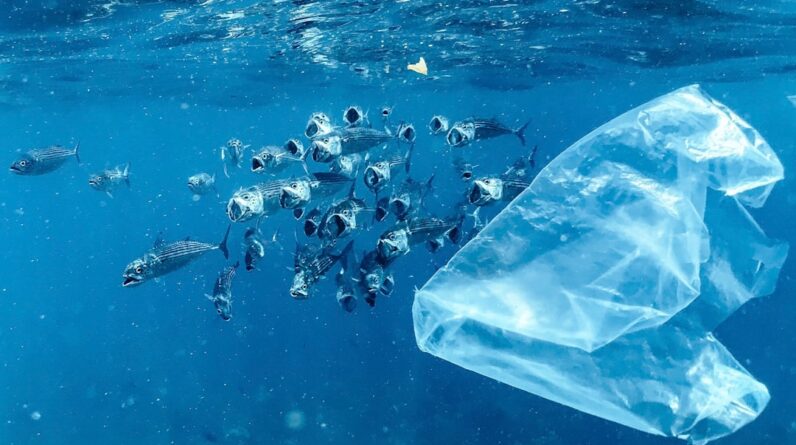
As you stand on the shore, gazing out at the vast expanse of the ocean, it’s hard not to feel a sense of wonder and responsibility. The ocean, covering over 70% of our planet, is a treasure trove of biodiversity and a critical component of the Earth’s ecosystem. However, it faces unprecedented threats from pollution, climate change, and overfishing.
In this context, the advent of artificial intelligence (AI) marks a revolutionary shift in how we approach ocean conservation. By harnessing the power of AI, you can gain insights and implement solutions that were once thought to be beyond reach. The integration of AI into ocean conservation efforts is not just a technological advancement; it represents a paradigm shift in how you can understand and interact with marine environments.
With AI’s ability to process vast amounts of data quickly and accurately, you can now monitor changes in ocean health in real-time. This capability allows for more informed decision-making and proactive measures to protect marine ecosystems. As you delve deeper into this topic, you will discover how AI is transforming various aspects of ocean conservation, from pollution management to sustainable fishing practices.
Key Takeaways
- AI revolutionizes ocean conservation by providing advanced tools for monitoring, managing, and protecting marine environments.
- AI plays a crucial role in monitoring and managing ocean pollution by analyzing large datasets and identifying sources of contamination.
- AI-driven solutions, such as underwater drones and autonomous vehicles, help protect marine life by detecting and responding to threats in real-time.
- AI is used to predict and prevent natural disasters, such as tsunamis and hurricanes, by analyzing historical data and identifying early warning signs.
- AI technology is utilized for sustainable fishing practices by monitoring fish populations, tracking fishing activities, and promoting responsible harvesting methods.
- AI has a significant impact on ocean data collection and analysis, enabling scientists to gain deeper insights into marine ecosystems and biodiversity.
- Challenges and limitations of AI in ocean conservation include data accuracy, ethical considerations, and the need for human expertise in decision-making.
- The future of AI in ocean conservation holds opportunities for innovations in autonomous monitoring systems, predictive modeling, and collaborative research efforts.
The Role of AI in Monitoring and Managing Ocean Pollution
When it comes to ocean pollution, the scale of the problem can feel overwhelming. However, AI offers innovative solutions that empower you to tackle this issue more effectively. By utilizing machine learning algorithms, you can analyze satellite imagery and sensor data to identify pollution hotspots and track changes over time.
This technology enables you to pinpoint sources of pollution, whether they stem from land-based activities or maritime operations, allowing for targeted interventions. Moreover, AI can enhance your ability to monitor water quality in real-time. With the deployment of autonomous drones and underwater robots equipped with sensors, you can collect data on various pollutants, including plastics, heavy metals, and harmful algal blooms.
These tools not only provide you with immediate insights but also help in predicting future pollution trends. By understanding these patterns, you can develop strategies to mitigate pollution before it escalates into a more significant crisis.
AI-Driven Solutions for Protecting Marine Life

The protection of marine life is at the heart of ocean conservation efforts, and AI is proving to be an invaluable ally in this mission. You can leverage AI technologies to monitor endangered species and their habitats more effectively than ever before. For instance, using AI-powered image recognition software, researchers can analyze thousands of underwater photographs to identify and track individual marine animals.
This capability allows for more accurate population assessments and helps you understand the factors affecting their survival. In addition to monitoring species, AI can also assist in habitat restoration efforts. By analyzing environmental data, AI algorithms can identify areas that are most suitable for restoration projects, such as coral reefs or mangroves.
This targeted approach ensures that your conservation efforts yield the highest impact. Furthermore, AI can help simulate various scenarios to predict how different interventions might affect marine ecosystems over time, enabling you to make informed decisions about conservation strategies.
The Use of AI in Predicting and Preventing Natural Disasters
Natural disasters pose a significant threat to coastal communities and marine ecosystems alike. However, AI is emerging as a powerful tool for predicting and preventing such events. By analyzing historical data and real-time environmental conditions, AI algorithms can forecast phenomena like hurricanes, tsunamis, and rising sea levels with remarkable accuracy.
This predictive capability allows you to prepare for potential disasters and implement measures that could save lives and protect marine habitats. In addition to prediction, AI can also play a crucial role in disaster response. During an event like an oil spill or a hurricane, AI systems can analyze data from various sources—satellites, drones, and ground sensors—to provide real-time situational awareness.
This information is vital for coordinating response efforts and minimizing damage to both human communities and marine ecosystems. By harnessing AI in disaster management, you can enhance resilience against the impacts of climate change and natural disasters.
AI Technology for Sustainable Fishing Practices
Overfishing is one of the most pressing challenges facing our oceans today. However, AI technology offers promising solutions that can help promote sustainable fishing practices. By utilizing machine learning algorithms to analyze fishing data, you can identify patterns in fish populations and their migratory behaviors.
This information is crucial for developing sustainable fishing quotas that ensure fish stocks remain healthy while supporting local economies. Moreover, AI can assist in monitoring fishing activities to prevent illegal fishing practices that threaten marine biodiversity. By employing satellite imagery and machine learning techniques, you can track fishing vessels in real-time and identify suspicious activities.
This capability not only helps enforce regulations but also promotes transparency within the fishing industry. As you embrace these technologies, you contribute to a more sustainable future for our oceans.
The Impact of AI on Ocean Data Collection and Analysis

The sheer volume of data generated by oceanic research is staggering, but AI is revolutionizing how you collect and analyze this information. Traditional methods of data collection often involve labor-intensive processes that can be slow and prone to human error. However, with the advent of AI-driven technologies, you can automate many aspects of data collection, making it faster and more efficient.
For instance, autonomous underwater vehicles (AUVs) equipped with AI algorithms can navigate complex underwater environments while collecting data on temperature, salinity, and biodiversity. This automation not only increases the amount of data collected but also enhances its accuracy. Once collected, AI can analyze this data at unprecedented speeds, uncovering patterns and insights that would take humans much longer to discern.
As a result, your understanding of ocean dynamics improves significantly, enabling more effective conservation strategies.
Challenges and Limitations of AI in Ocean Conservation
While the potential of AI in ocean conservation is immense, it is essential to acknowledge the challenges and limitations that accompany its implementation. One significant hurdle is the need for high-quality data. AI algorithms rely on vast datasets to learn and make predictions; however, many regions lack comprehensive data on marine ecosystems.
Without sufficient data, the effectiveness of AI applications may be compromised. Additionally, there are ethical considerations surrounding the use of AI in conservation efforts. As you integrate these technologies into your work, it’s crucial to ensure that they are used responsibly and do not inadvertently harm marine life or local communities.
Balancing technological advancement with ethical considerations will be vital as you navigate the complexities of ocean conservation in the age of AI.
The Future of AI in Ocean Conservation: Opportunities and Innovations
Looking ahead, the future of AI in ocean conservation is filled with opportunities for innovation and collaboration. As technology continues to evolve, you can expect even more sophisticated tools that enhance your ability to protect marine ecosystems. For instance, advancements in deep learning could lead to more accurate predictive models for climate change impacts on oceans.
Moreover, collaboration between scientists, technologists, policymakers, and local communities will be essential for maximizing the benefits of AI in ocean conservation. By working together, you can develop comprehensive strategies that leverage AI while respecting local knowledge and practices. The integration of traditional ecological knowledge with cutting-edge technology could pave the way for groundbreaking solutions that ensure the health of our oceans for generations to come.
In conclusion, as you explore the intersection of artificial intelligence and ocean conservation, it becomes clear that this technological revolution holds immense promise for safeguarding our planet’s most vital resource. By embracing these innovations and addressing the challenges they present, you have the opportunity to play a pivotal role in shaping a sustainable future for our oceans.
In a related article on Live Life with a Cause, the importance of planting trees for the environment is discussed in detail. The article How Does Planting Trees Help the Environment? explains how trees play a crucial role in combating climate change by absorbing carbon dioxide and releasing oxygen. This article complements the discussion on ocean conservation in The AI Revolution in Ocean Conservation: Smart Solutions for Cleaner Seas, highlighting the interconnectedness of various environmental initiatives in creating a healthier planet.
FAQs
What is the AI revolution in ocean conservation?
The AI revolution in ocean conservation refers to the use of artificial intelligence technologies to address environmental challenges in the world’s oceans. This includes using AI for monitoring, analyzing data, and implementing smart solutions for cleaner seas.
How is AI being used in ocean conservation?
AI is being used in ocean conservation for a variety of purposes, including monitoring marine life and ecosystems, analyzing data on pollution and climate change, and developing smart solutions for sustainable fishing and marine resource management.
What are some examples of AI applications in ocean conservation?
Examples of AI applications in ocean conservation include using machine learning algorithms to analyze satellite data for illegal fishing detection, developing autonomous underwater vehicles for marine research and monitoring, and using AI-powered robots to clean up ocean plastic pollution.
What are the benefits of using AI in ocean conservation?
The benefits of using AI in ocean conservation include improved efficiency and accuracy in data analysis, enhanced monitoring and surveillance capabilities, and the development of innovative solutions for addressing environmental challenges in the world’s oceans.
What are the challenges of implementing AI in ocean conservation?
Challenges of implementing AI in ocean conservation include the high cost of technology development and deployment, the need for collaboration and data sharing among stakeholders, and ensuring that AI solutions are ethically and environmentally responsible.