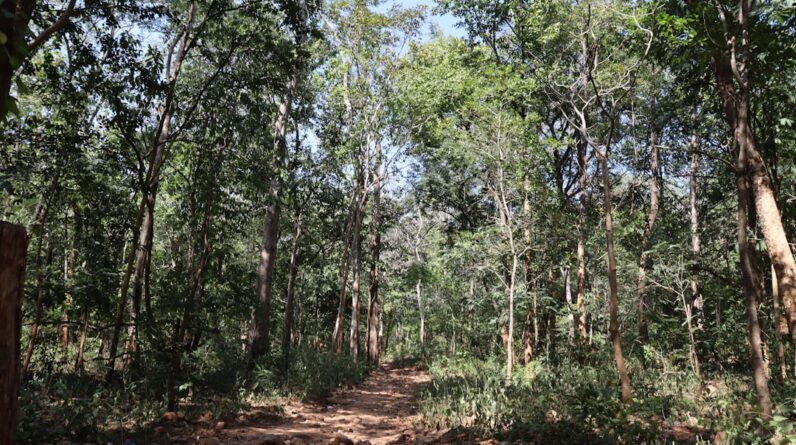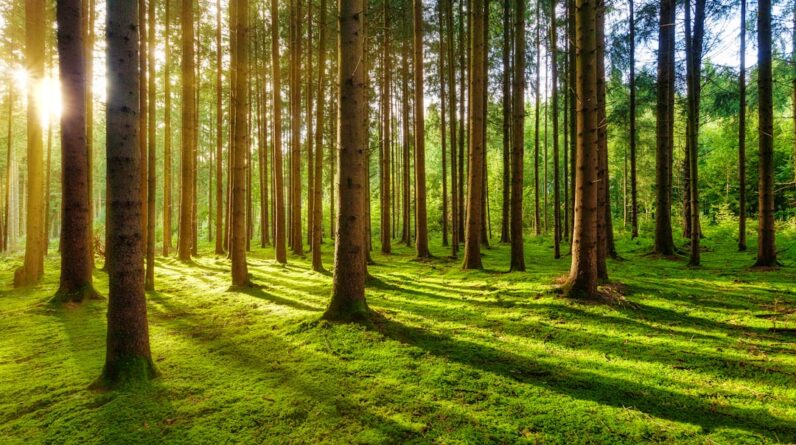
Reforestation plays a crucial role in soil conservation, acting as a natural barrier against the forces that threaten the integrity of our land. When you think about the health of the soil, it’s essential to recognize that trees are not just beautiful elements of nature; they are vital components of a balanced ecosystem. By planting trees, you are not only restoring habitats but also enhancing the soil’s ability to retain moisture and nutrients.
This is particularly important in areas that have suffered from deforestation, where the soil has become vulnerable to erosion and degradation. Moreover, reforestation helps to rebuild the soil structure that has been compromised over time. The roots of trees penetrate deep into the ground, creating a network that binds the soil together.
This root system prevents soil from being washed away during heavy rains and reduces the risk of landslides. As you engage in reforestation efforts, you contribute to a cycle of renewal that benefits not just the immediate area but also the broader environment. Healthy soil leads to healthier ecosystems, which in turn support diverse plant and animal life.
Key Takeaways
- Reforestation is crucial for soil conservation as it helps to prevent erosion and maintain soil fertility.
- Trees play a vital role in preventing erosion by stabilizing the soil with their roots and reducing the impact of rainfall.
- Deforestation contributes to soil degradation by exposing the soil to erosion, reducing its ability to retain water and nutrients.
- Soil erosion can have a significant impact on water quality by increasing sedimentation and pollution in water bodies.
- Reforestation is closely connected to water conservation as it helps to maintain healthy watersheds and reduce the risk of water scarcity.
The Role of Trees in Preventing Erosion
Trees serve as nature’s guardians against erosion, providing a protective shield for the soil beneath them. When you observe a forest, you may notice how the canopy of leaves absorbs rainfall, allowing water to drip gently onto the ground rather than crashing down with force. This gentle distribution of water minimizes surface runoff, which is a primary cause of soil erosion.
By planting trees, you are effectively creating a buffer that helps maintain the integrity of the land. In addition to intercepting rainfall, trees also play a significant role in stabilizing the soil through their root systems. These roots not only anchor the trees but also create channels in the soil that enhance water infiltration.
As you consider the impact of trees on erosion, think about how their presence can transform barren landscapes into thriving ecosystems. The more trees you plant, the more you contribute to a natural defense system that protects against erosion and promotes soil health.
How Deforestation Contributes to Soil Degradation
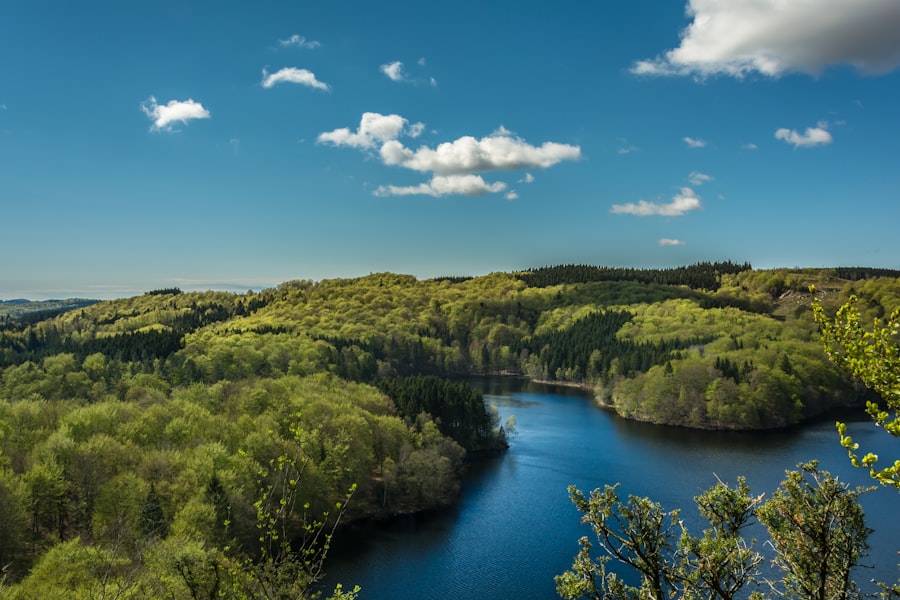
Deforestation is one of the leading causes of soil degradation, and its effects can be devastating. When trees are removed from an area, the protective cover they provide is lost, leaving the soil exposed to harsh weather conditions. You may not realize it, but this exposure can lead to rapid erosion, nutrient loss, and a decline in soil fertility.
Without trees to hold the soil in place, heavy rains can wash away topsoil, which is essential for growing crops and sustaining plant life. Furthermore, deforestation disrupts the natural balance of ecosystems. As you witness forests being cleared for agriculture or urban development, consider how this loss affects not only the soil but also local wildlife and biodiversity.
The removal of trees leads to habitat destruction and can result in a decline in species that rely on those ecosystems for survival. By understanding the consequences of deforestation, you can appreciate the urgency of reforestation efforts in combating soil degradation and restoring ecological balance.
The Impact of Soil Erosion on Water Quality
Soil erosion has far-reaching consequences that extend beyond land degradation; it significantly impacts water quality as well. When soil is eroded, it often carries with it sediments, pollutants, and nutrients that can contaminate nearby water bodies. As you think about this process, consider how sediment-laden runoff can lead to murky waters in rivers and lakes, affecting aquatic life and disrupting ecosystems.
The introduction of excess nutrients from eroded soil can also result in algal blooms, which deplete oxygen levels and harm fish populations. Moreover, poor water quality can have serious implications for human health. Contaminated water sources can lead to a range of health issues for communities that rely on them for drinking water or irrigation.
As you reflect on the interconnectedness of soil health and water quality, it becomes clear that addressing soil erosion through reforestation is not just an environmental concern; it is also a public health issue. By participating in reforestation initiatives, you are taking steps to protect both the land and the water that sustains life.
The Connection Between Reforestation and Water Conservation
Reforestation is intrinsically linked to water conservation, as trees play a vital role in maintaining the hydrological cycle. When you plant trees, you are helping to restore natural processes that regulate water flow and quality. Trees absorb rainfall and release moisture back into the atmosphere through transpiration, which contributes to cloud formation and precipitation patterns.
This cycle is essential for replenishing groundwater supplies and ensuring a steady flow of clean water. Additionally, reforested areas act as natural filters for water sources. As rainwater percolates through the soil and tree roots, it is naturally purified before reaching rivers and aquifers.
This filtration process helps maintain water quality by reducing pollutants and sediments that would otherwise enter waterways. By engaging in reforestation efforts, you are not only contributing to soil conservation but also playing a critical role in safeguarding water resources for future generations.
Successful Reforestation Projects Around the World
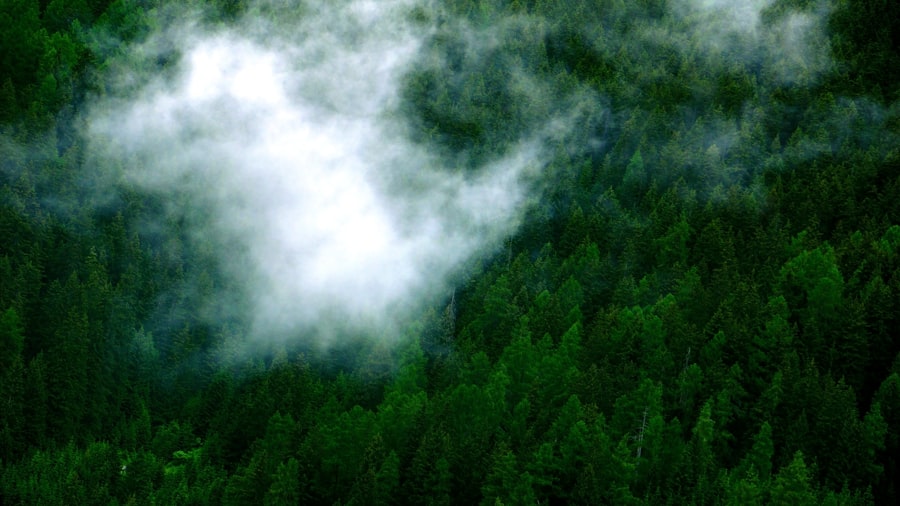
Across the globe, numerous successful reforestation projects demonstrate the power of collective action in restoring degraded landscapes. One notable example is the Bonn Challenge, an international effort aimed at restoring 150 million hectares of deforested and degraded land by 2020. As you learn about this initiative, consider how countries like Ethiopia have committed to planting millions of trees as part of their national reforestation strategy.
These efforts not only combat climate change but also enhance biodiversity and improve local livelihoods. Another inspiring project is Brazil’s Atlantic Forest Restoration Pact, which aims to restore 15 million hectares of forest by 2050. This ambitious initiative highlights how collaboration between government agencies, NGOs, and local communities can lead to significant environmental restoration.
As you explore these successful projects, think about how they serve as models for other regions facing similar challenges. They illustrate that with dedication and cooperation, it is possible to reverse the effects of deforestation and create thriving ecosystems once again.
The Economic and Environmental Benefits of Reforestation
Reforestation offers a multitude of economic and environmental benefits that extend beyond mere aesthetics. From an economic perspective, healthy forests can provide sustainable resources such as timber, fruits, and medicinal plants. As you consider these benefits, think about how reforestation can create job opportunities in forestry management, eco-tourism, and sustainable agriculture.
By investing in reforestation efforts, communities can foster economic growth while simultaneously protecting their natural resources. Environmentally, reforestation contributes to carbon sequestration, helping mitigate climate change by absorbing carbon dioxide from the atmosphere. This process is vital for reducing greenhouse gas emissions and combating global warming.
Additionally, restored forests enhance biodiversity by providing habitats for various species and promoting ecosystem resilience. As you reflect on these benefits, it becomes evident that reforestation is not just an environmental necessity; it is also an economic opportunity that can lead to sustainable development.
How Individuals Can Contribute to Reforestation Efforts
As an individual, your contributions to reforestation efforts can make a significant impact on your community and beyond. One way to get involved is by participating in local tree-planting events or supporting organizations dedicated to reforestation initiatives. By volunteering your time or donating resources, you can help restore degraded areas and promote awareness about the importance of trees in our environment.
Additionally, consider adopting sustainable practices in your daily life that support reforestation goals. This could include reducing paper consumption, supporting products made from sustainably sourced materials, or advocating for policies that protect forests. Every small action counts; by spreading awareness about reforestation and its benefits within your social circles, you can inspire others to join the cause.
Ultimately, your commitment to reforestation can contribute to a healthier planet for future generations while fostering a deeper connection with nature.
If you are interested in learning more about the importance of reforestation and its impact on our environment, check out the article Biodiversity Reservoir by Having Healthy Forest. This article delves into how healthy forests play a crucial role in preserving biodiversity and maintaining the delicate balance of our ecosystems. By planting trees and promoting reforestation efforts, we can help combat climate change and protect our most precious resource – our planet.
FAQs
What is reforestation?
Reforestation is the process of planting trees in areas where forests have been depleted or destroyed. It is a crucial tool in combating deforestation and restoring natural ecosystems.
How does reforestation prevent soil erosion?
Trees play a vital role in preventing soil erosion by stabilizing the soil with their roots. The roots of trees help to bind the soil together, reducing the risk of erosion caused by wind and water.
Why is soil erosion a concern?
Soil erosion is a concern because it can lead to the loss of fertile topsoil, which is essential for agriculture. It can also result in sedimentation of waterways, leading to water pollution and habitat destruction.
How does reforestation help to protect water resources?
Reforestation helps to protect water resources by reducing the amount of sediment and pollutants that enter waterways. Trees act as natural filters, trapping sediment and absorbing pollutants, which helps to maintain water quality.
What are some other benefits of reforestation?
In addition to preventing soil erosion and protecting water resources, reforestation also helps to combat climate change by sequestering carbon dioxide, provides habitat for wildlife, and contributes to the overall health and resilience of ecosystems.