As you gaze out at the vast expanse of the ocean, it may seem like an endless blue paradise, teeming with life and mystery. However, beneath the surface lies a troubling reality: the ocean is in decline. This majestic body of water, which covers more than 70% of our planet, is facing unprecedented challenges that threaten its health and the myriad of species that call it home.
The decline of the ocean is not just an environmental issue; it is a crisis that impacts global economies, food security, and even human health. Understanding the factors contributing to this decline is crucial for you and future generations. The ocean is often referred to as the lungs of our planet, producing over half of the oxygen we breathe and absorbing a significant portion of carbon dioxide emissions.
Yet, as you will discover, human activities are pushing this vital ecosystem to its limits. From pollution to overfishing, the pressures on marine life are mounting. As stewards of the Earth, it is your responsibility to recognize these challenges and take action to protect the ocean.
The time has come to delve deeper into the issues at hand and explore how you can contribute to reversing this alarming trend.
Key Takeaways
- The ocean is in decline due to human activities such as overfishing, pollution, and climate change.
- Human activities have a significant impact on the ocean, leading to loss of biodiversity and disruption of marine ecosystems.
- Biodiversity in the ocean is crucial for maintaining a healthy and balanced ecosystem, providing essential services and resources for human well-being.
- Climate change plays a significant role in the decline of the ocean, leading to ocean acidification, rising sea levels, and extreme weather events.
- Overfishing has severe consequences for marine life and ecosystems, leading to depletion of fish stocks and disruption of food chains.
The Impact of Human Activities on the Ocean
Human activities have left an indelible mark on the ocean, and the consequences are dire. You may not realize it, but every time you use plastic products or consume seafood, you are part of a larger system that affects marine ecosystems. Over the past century, industrialization and urbanization have led to increased pollution, habitat destruction, and resource depletion.
The ocean is not just a distant entity; it is intricately connected to your daily life and well-being. One of the most significant impacts of human activity is habitat destruction. Coastal development, dredging, and bottom trawling have decimated vital habitats such as coral reefs and mangroves.
These ecosystems serve as nurseries for countless marine species and act as natural barriers against storms and erosion. When you consider the loss of these habitats, it becomes clear that the health of the ocean is directly tied to your actions on land. By understanding how your choices affect marine environments, you can begin to make more informed decisions that promote sustainability.
The Importance of Biodiversity in the Ocean
Biodiversity in the ocean is not just a scientific term; it represents the intricate web of life that sustains our planet. You may be surprised to learn that marine biodiversity includes everything from microscopic plankton to majestic whales. Each species plays a unique role in maintaining the balance of marine ecosystems.
When you think about biodiversity, consider how it contributes to food security, climate regulation, and even medical advancements. The loss of any species can have cascading effects that disrupt these essential functions. The ocean’s biodiversity is under threat from various factors, including climate change, pollution, and overfishing.
As you reflect on this issue, consider how interconnected all life forms are. The extinction of a single species can lead to a domino effect that impacts entire ecosystems. For instance, the decline of predator species can result in overpopulation of prey species, leading to imbalances that affect other organisms.
By valuing and protecting marine biodiversity, you are not only safeguarding the ocean but also ensuring a healthier planet for yourself and future generations.
The Role of Climate Change in Ocean Decline
Climate change is one of the most pressing challenges facing our oceans today. As global temperatures rise due to greenhouse gas emissions, the ocean absorbs much of this excess heat, leading to rising sea temperatures and altered marine ecosystems. You may have noticed changes in weather patterns or increased frequency of extreme weather events; these are all linked to climate change and its impact on the ocean.
The consequences are far-reaching, affecting everything from coral bleaching to shifts in fish populations. Ocean acidification is another critical issue resulting from climate change. As carbon dioxide levels increase in the atmosphere, a significant portion is absorbed by seawater, leading to chemical changes that harm marine life.
Shellfish and coral reefs are particularly vulnerable, as they rely on calcium carbonate to build their structures. When you consider how these changes affect food webs and marine habitats, it becomes evident that climate change poses a direct threat to your relationship with the ocean. By understanding these dynamics, you can advocate for policies that address climate change and promote sustainable practices.
Overfishing and Its Consequences
Overfishing is a pressing concern that has far-reaching implications for ocean health and human livelihoods. As you enjoy seafood or participate in recreational fishing, it’s essential to recognize that many fish populations are being harvested at unsustainable rates. This practice not only depletes fish stocks but also disrupts entire ecosystems.
When you remove key species from the food web, it can lead to imbalances that affect other marine organisms. The consequences of overfishing extend beyond ecological impacts; they also threaten food security for millions of people worldwide who rely on fish as a primary source of protein. As fish populations dwindle, prices rise, making it more challenging for vulnerable communities to access nutritious food.
By being mindful of your seafood choices and supporting sustainable fishing practices, you can play a role in combating overfishing and ensuring that future generations have access to healthy oceans.
Pollution and Its Effects on the Ocean
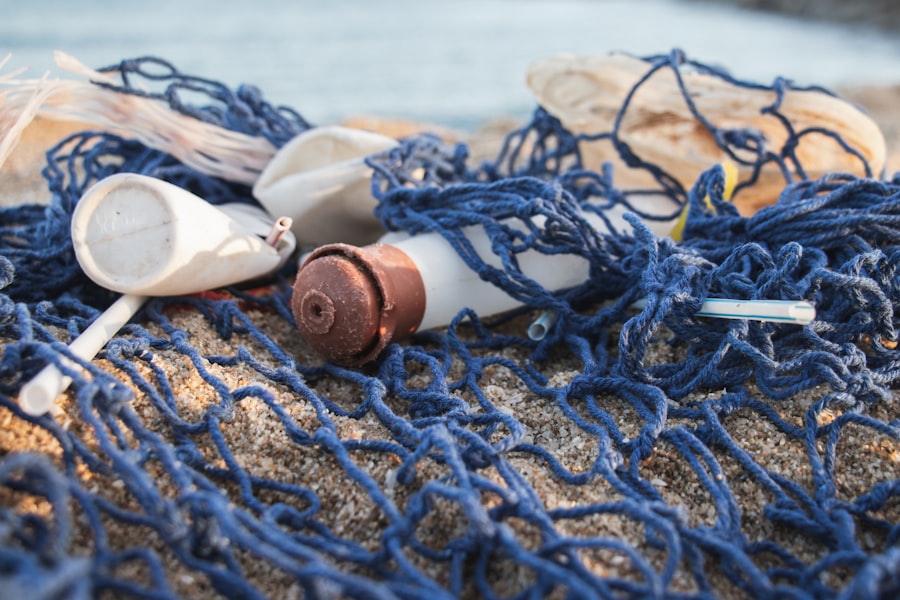
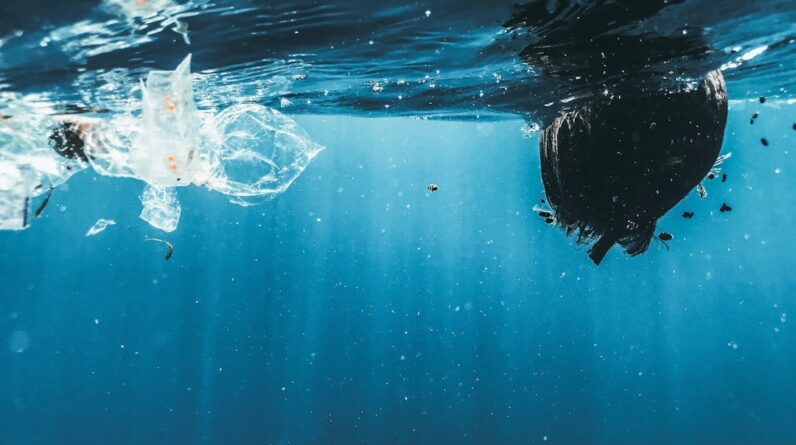
Pollution is another significant factor contributing to the decline of the ocean. You may be surprised by the sheer volume of waste that ends up in our seas each year—millions of tons of plastic alone! This pollution not only harms marine life but also poses risks to human health through contaminated seafood and polluted beaches.
When you think about pollution, consider how everyday actions—like littering or using single-use plastics—can have far-reaching consequences for marine ecosystems. Chemical pollutants such as pesticides, heavy metals, and pharmaceuticals also find their way into the ocean through runoff and wastewater discharge. These toxins can accumulate in marine organisms, leading to health issues for both wildlife and humans who consume contaminated seafood.
By reducing your use of harmful chemicals and advocating for better waste management practices in your community, you can help mitigate pollution’s impact on the ocean.
The Need for Immediate Action
The time for action is now; the decline of the ocean cannot be ignored any longer. As you reflect on the challenges facing our seas, consider how urgent it is to implement solutions that protect marine ecosystems. Governments, organizations, and individuals must come together to address these issues through policy changes, conservation efforts, and public awareness campaigns.
You have a role to play in this collective effort. Immediate action is necessary not only for the health of the ocean but also for your well-being and that of future generations. By supporting initiatives aimed at reducing carbon emissions, protecting marine habitats, and promoting sustainable fishing practices, you can contribute to a healthier planet.
The ocean’s decline is not an insurmountable problem; with concerted effort and commitment from all sectors of society, we can work towards restoring its vitality.
What You Can Do to Help the Ocean
You may feel overwhelmed by the challenges facing our oceans, but there are numerous ways you can make a difference in your daily life. Start by educating yourself about sustainable seafood choices; look for certifications like Marine Stewardship Council (MSC) or Aquaculture Stewardship Council (ASC) when purchasing fish. By choosing sustainably sourced seafood, you support responsible fishing practices that help protect fish populations.
Additionally, consider reducing your plastic consumption by opting for reusable bags, bottles, and containers. Every small change adds up; by minimizing single-use plastics in your life, you contribute to reducing pollution in our oceans. Participate in local beach cleanups or advocacy groups focused on marine conservation; your involvement can inspire others to take action as well.
Lastly, engage with your community about ocean issues—whether through social media or local events—spreading awareness about the importance of protecting our seas can create a ripple effect that leads to meaningful change. Remember that every action counts; by taking steps to protect the ocean today, you are investing in a healthier planet for yourself and generations to come.
If you are interested in learning more about how planting trees can help combat climate change, check out the article How Does Planting Trees Help Climate Change. Just like the ocean, trees play a crucial role in maintaining the health of our planet and addressing environmental issues. By understanding the interconnectedness of different ecosystems, we can work towards a more sustainable future for all living beings.
FAQs
What is the current state of the ocean?
The ocean is facing a silent crisis due to various factors such as overfishing, pollution, climate change, and habitat destruction. These factors are causing a decline in marine biodiversity and the overall health of the ocean.
Why is it important to protect the ocean?
The ocean plays a crucial role in regulating the Earth’s climate, providing food and livelihoods for millions of people, and supporting a diverse range of marine life. Protecting the ocean is essential for the well-being of both marine ecosystems and human societies.
How does overfishing impact the ocean?
Overfishing depletes fish populations, disrupts marine food webs, and can lead to the collapse of fisheries. It also has negative impacts on the overall health of marine ecosystems and the livelihoods of fishing communities.
What are the main sources of ocean pollution?
The main sources of ocean pollution include plastic waste, agricultural runoff, industrial discharge, and oil spills. These pollutants can harm marine life, degrade habitats, and have long-lasting impacts on the health of the ocean.
What role does climate change play in the ocean crisis?
Climate change is causing ocean acidification, rising sea levels, and changes in ocean temperatures, which can have detrimental effects on marine life and ecosystems. It also contributes to extreme weather events that can further impact the ocean.
What can individuals do to help protect the ocean?
Individuals can help protect the ocean by reducing their use of single-use plastics, supporting sustainable seafood choices, participating in beach clean-ups, and advocating for policies that promote ocean conservation. Small actions can have a big impact in protecting the ocean.