
As you delve into the complexities of carbon neutrality, it becomes clear that reforestation plays a pivotal role in these strategies. Carbon neutrality refers to achieving a balance between the carbon emitted into the atmosphere and the carbon removed from it. Reforestation, the process of planting trees in deforested areas, serves as a natural method to absorb carbon dioxide, one of the primary greenhouse gases contributing to climate change.
By restoring forests, you not only enhance the planet’s ability to sequester carbon but also create a sustainable environment that can support diverse ecosystems. Incorporating reforestation into carbon neutral strategies is not merely an environmental necessity; it is also a strategic approach to combat climate change. As you consider the various methods to achieve carbon neutrality, reforestation stands out due to its dual benefits: it actively removes carbon from the atmosphere while simultaneously providing habitats for wildlife and improving air quality.
This multifaceted approach makes reforestation an essential component of any comprehensive climate action plan, allowing you to address both immediate and long-term environmental challenges.
Key Takeaways
- Reforestation plays a crucial role in carbon neutral strategies by absorbing and storing carbon dioxide from the atmosphere.
- The environmental benefits of reforestation include improving air and water quality, reducing soil erosion, and providing habitat for wildlife.
- Reforestation serves as a powerful tool for carbon sequestration, helping to mitigate the effects of climate change by removing carbon from the atmosphere.
- Reforestation can have significant economic and social impacts, creating jobs, supporting local communities, and enhancing the overall well-being of society.
- Reforestation is essential for biodiversity conservation, as it helps to restore and protect natural habitats for a wide range of plant and animal species.
The Environmental Benefits of Reforestation
Reforestation offers a multitude of environmental benefits that extend far beyond carbon sequestration. When you engage in reforestation efforts, you contribute to soil conservation, which is crucial for maintaining healthy ecosystems. Trees play a vital role in preventing soil erosion by stabilizing the ground with their root systems.
This stabilization not only protects the land but also enhances its fertility, allowing for better agricultural practices and improved food security in surrounding communities. Moreover, reforestation helps to restore water cycles and improve water quality. Trees absorb rainfall and release moisture back into the atmosphere through a process known as transpiration.
This natural cycle helps regulate local climates and can lead to increased rainfall in arid regions. As you participate in reforestation initiatives, you are also contributing to the restoration of watersheds, which are essential for providing clean drinking water and supporting aquatic life. The positive ripple effects of reforestation on the environment are profound, making it a critical strategy for sustainable development.
Reforestation as a Tool for Carbon Sequestration
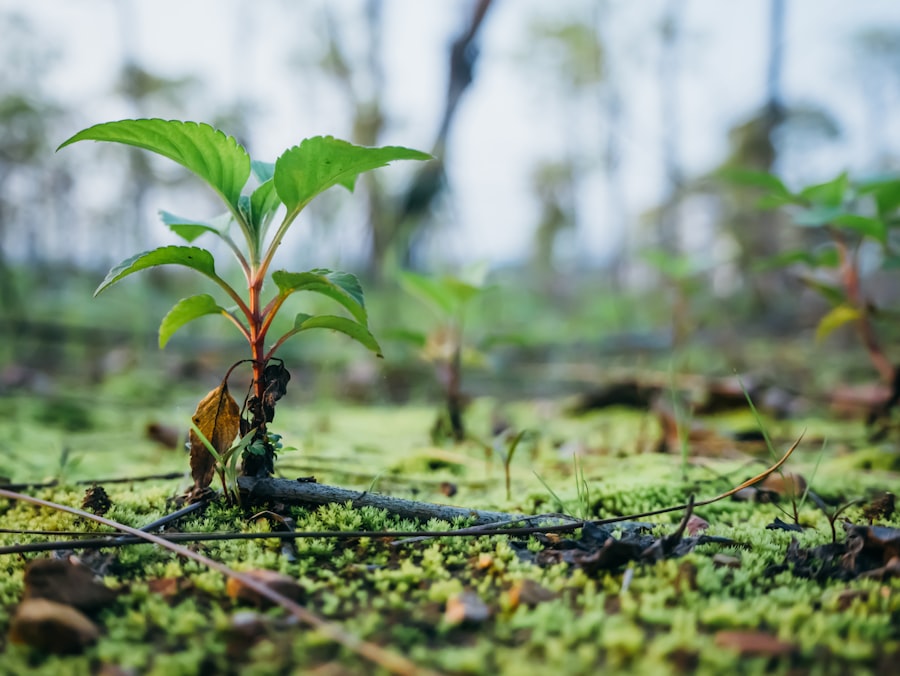
When you think about carbon sequestration, reforestation emerges as one of the most effective natural solutions available. Trees act as carbon sinks, absorbing carbon dioxide from the atmosphere during photosynthesis and storing it in their biomass—trunks, branches, leaves, and roots. This process not only reduces the concentration of greenhouse gases but also contributes to the overall health of the planet’s ecosystems.
By participating in reforestation projects, you are directly contributing to this vital process. The scale of reforestation’s impact on carbon sequestration is significant. Studies have shown that restoring forests can sequester billions of tons of carbon dioxide over time.
As you engage with local or global reforestation efforts, you become part of a larger movement aimed at mitigating climate change. Each tree planted represents a step toward reducing atmospheric carbon levels and combating global warming. The potential for reforestation to serve as a tool for carbon sequestration is immense, making it an indispensable strategy in your quest for a sustainable future.
The Economic and Social Impacts of Reforestation
Reforestation is not only an environmental imperative but also an economic opportunity. As you explore the economic impacts of reforestation, you’ll find that it can create jobs and stimulate local economies. From planting trees to maintaining forests, various roles emerge that require skilled labor and provide livelihoods for communities.
This economic boost can be particularly beneficial in rural areas where employment opportunities may be limited. Socially, reforestation fosters community engagement and empowerment. When you participate in tree-planting initiatives or support local forestry projects, you help build a sense of ownership among community members regarding their natural resources.
This involvement can lead to increased awareness about environmental issues and promote sustainable practices within communities. As you witness the transformation brought about by reforestation efforts, you may find that they not only enhance local economies but also strengthen social bonds and foster a collective commitment to environmental stewardship.
Reforestation and Biodiversity Conservation
Biodiversity is essential for maintaining healthy ecosystems, and reforestation plays a crucial role in conserving this diversity. When you engage in reforestation efforts, you create habitats for countless species of flora and fauna that may have been displaced due to deforestation or habitat degradation. By restoring these habitats, you contribute to the preservation of biodiversity, which is vital for ecosystem resilience and stability.
Furthermore, reforested areas can serve as corridors for wildlife movement, allowing species to migrate and adapt to changing environmental conditions. As you support reforestation initiatives, you are not only helping to restore trees but also ensuring that various species have the opportunity to thrive. The interconnectedness of ecosystems means that your efforts in reforestation can have far-reaching effects on biodiversity conservation, ultimately leading to healthier ecosystems that benefit both nature and humanity.
The Role of Reforestation in Mitigating Climate Change

Reforestation is a powerful tool in the fight against climate change, acting as a natural buffer against its impacts. As you consider the various strategies available for climate mitigation, it’s essential to recognize how reforestation can help reduce greenhouse gas emissions while simultaneously enhancing ecosystem resilience. By absorbing carbon dioxide from the atmosphere, trees play a direct role in mitigating climate change effects.
Moreover, reforested areas can help regulate local climates by influencing temperature and precipitation patterns. As you engage with reforestation projects, you contribute to creating microclimates that can support agriculture and improve local weather conditions. This dual role—acting as both a carbon sink and a climate regulator—highlights the importance of reforestation in your broader climate action efforts.
Challenges and Opportunities in Reforestation Efforts
While reforestation presents numerous benefits, it is not without its challenges. As you explore these challenges, you’ll find that factors such as land availability, funding constraints, and competing land uses can hinder effective reforestation efforts. Additionally, ensuring that the right species are planted in appropriate locations is crucial for the success of these initiatives; otherwise, they may fail to thrive or disrupt existing ecosystems.
However, these challenges also present opportunities for innovation and collaboration. As you engage with local communities, governments, and organizations dedicated to reforestation, you can help develop strategies that address these obstacles head-on. By fostering partnerships and leveraging technology—such as drone planting or remote sensing—you can enhance the efficiency and effectiveness of reforestation projects.
Embracing these opportunities allows you to contribute meaningfully to overcoming challenges while promoting sustainable practices.
The Importance of Reforestation in Achieving Carbon Neutrality
In your journey toward understanding carbon neutrality, it becomes evident that reforestation is an indispensable component of this goal. The act of planting trees not only contributes to carbon sequestration but also supports biodiversity conservation, enhances local economies, and mitigates climate change impacts. As you consider your role in achieving carbon neutrality, embracing reforestation initiatives can be one of the most impactful actions you take.
By participating in or supporting reforestation efforts, you become part of a global movement aimed at restoring balance to our planet’s ecosystems. Each tree planted represents hope for a sustainable future—a future where communities thrive alongside nature rather than at its expense. As you reflect on your contributions to this cause, remember that every effort counts; together, we can work toward achieving carbon neutrality through the transformative power of reforestation.
In a related article on how planting trees helps combat climate change, the importance of reforestation in carbon neutral strategies is further emphasized. The article discusses how trees play a crucial role in absorbing carbon dioxide from the atmosphere, helping to mitigate the effects of climate change. By planting more trees, we can not only offset carbon emissions but also restore ecosystems and promote biodiversity. This highlights the interconnectedness of reforestation efforts and their impact on achieving a more sustainable future.
FAQs
What is reforestation?
Reforestation is the process of planting trees in areas where forests have been depleted or destroyed. It is a crucial part of efforts to restore and maintain healthy ecosystems.
Why is reforestation important in carbon neutral strategies?
Reforestation is important in carbon neutral strategies because trees absorb carbon dioxide from the atmosphere during photosynthesis, helping to mitigate the effects of climate change. By planting trees, we can offset carbon emissions and work towards achieving carbon neutrality.
How does reforestation help in combating climate change?
Reforestation helps combat climate change by sequestering carbon dioxide from the atmosphere. Trees act as carbon sinks, absorbing and storing carbon, which helps to reduce the overall concentration of greenhouse gases in the atmosphere.
What are the environmental benefits of reforestation?
Reforestation provides a range of environmental benefits, including restoring biodiversity, preventing soil erosion, improving water quality, and creating habitats for wildlife. It also helps to mitigate the impacts of deforestation and land degradation.
What are some challenges associated with reforestation efforts?
Challenges associated with reforestation efforts include securing suitable land for planting, ensuring the survival and growth of newly planted trees, and addressing competing land uses. Additionally, factors such as climate change, invasive species, and inadequate funding can also pose challenges to reforestation initiatives.