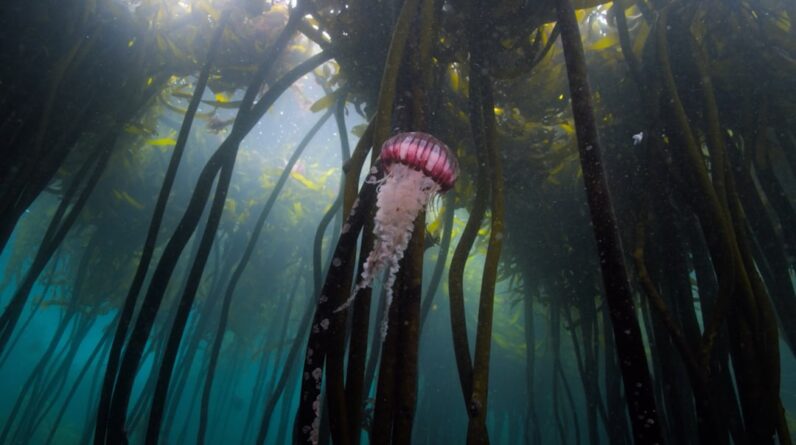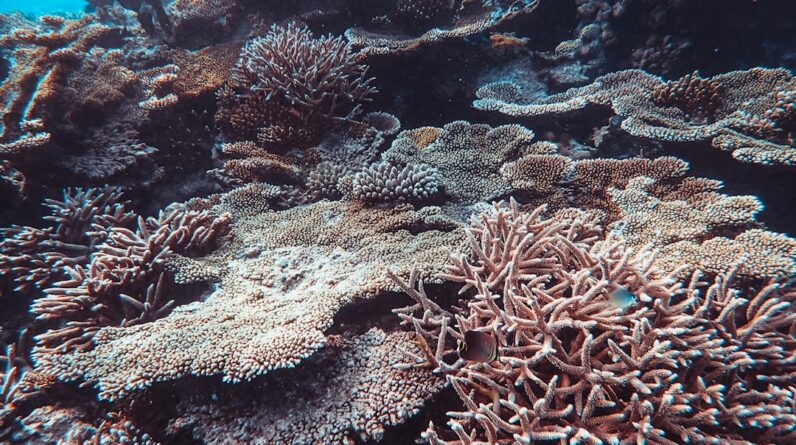
As you delve into the intricate relationship between climate and ocean justice, it becomes clear that these two issues are deeply intertwined. Climate change, driven by human activities, has far-reaching effects on ocean ecosystems, which in turn impact the communities that rely on these resources for their livelihoods. The rising temperatures of the planet lead to ocean acidification, coral bleaching, and the disruption of marine life, all of which threaten the delicate balance of ocean health.
You may find it enlightening to consider how these environmental changes disproportionately affect vulnerable populations, particularly those in coastal regions who depend on fishing and tourism for their economic stability. Moreover, the concept of ocean justice extends beyond environmental concerns; it encompasses social equity and human rights. As you explore this interconnectedness, you will recognize that marginalized communities often bear the brunt of climate-related disasters, such as rising sea levels and extreme weather events.
These communities frequently lack the resources to adapt or recover from such challenges, leading to a cycle of poverty and environmental degradation. Understanding this relationship is crucial for advocating for policies that promote both climate resilience and ocean health, ensuring that all communities have a voice in the fight for a sustainable future.
Key Takeaways
- Climate and ocean justice are interconnected, and addressing one requires addressing the other.
- Marginalized communities are disproportionately impacted by ocean pollution, highlighting the need for equitable solutions.
- Industrialization and capitalism play a role in depleting ocean oxygen, contributing to environmental injustice.
- Indigenous perspectives on ocean stewardship offer valuable insights for promoting climate justice.
- Policy and advocacy efforts are crucial for ensuring equitable access to clean ocean oxygen and addressing environmental inequality.
The Disproportionate Impact of Ocean Pollution on Marginalized Communities
When you examine the issue of ocean pollution, it becomes evident that marginalized communities are often the most affected. Industrial waste, plastic debris, and agricultural runoff contribute to the degradation of marine environments, and these pollutants frequently find their way into the waters surrounding low-income neighborhoods. As you consider this reality, you may feel a sense of urgency to address the systemic inequalities that allow such injustices to persist.
The health implications for these communities are dire; contaminated waters can lead to a host of health problems, including respiratory issues and gastrointestinal diseases. Furthermore, the economic ramifications of ocean pollution are significant. Many marginalized communities rely on fishing as a primary source of income, yet polluted waters can decimate fish populations and render seafood unsafe for consumption.
This not only threatens their livelihoods but also exacerbates food insecurity. As you reflect on these challenges, it becomes clear that addressing ocean pollution is not just an environmental issue; it is a matter of social justice that requires immediate attention and action.
The Role of Industrialization and Capitalism in Depleting Ocean Oxygen
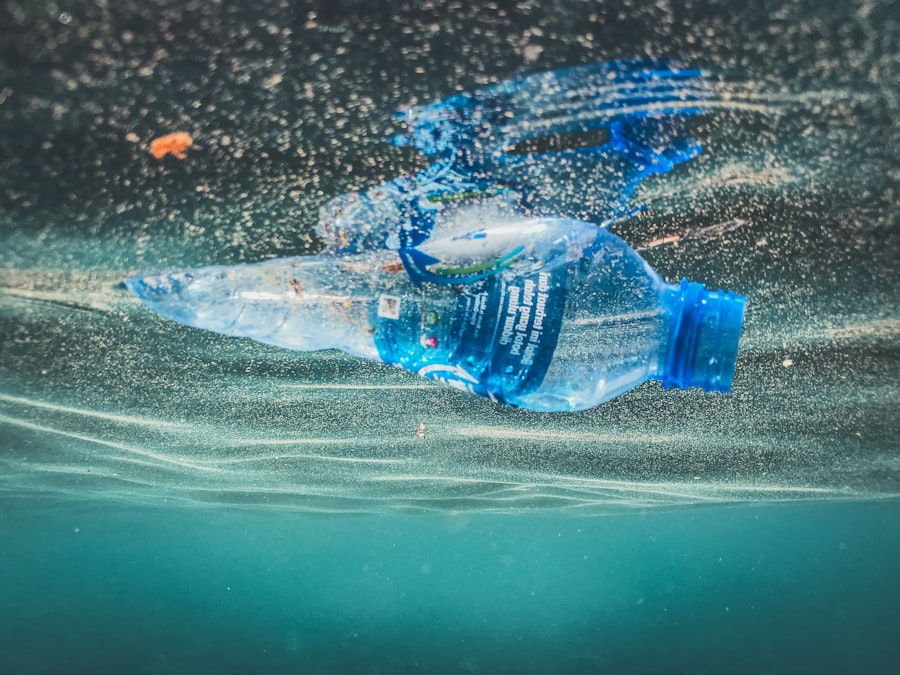
As you explore the role of industrialization and capitalism in depleting ocean oxygen, you may find it alarming how these systems prioritize profit over environmental sustainability. The relentless pursuit of economic growth has led to overfishing, habitat destruction, and increased carbon emissions—all of which contribute to the depletion of oxygen in our oceans. You might consider how industrial practices, such as fossil fuel extraction and large-scale agriculture, release greenhouse gases that not only warm the planet but also disrupt marine ecosystems.
The consequences of this depletion are profound. Low-oxygen zones, often referred to as “dead zones,” are becoming increasingly common in oceans around the world. These areas are inhospitable to marine life, leading to biodiversity loss and the collapse of local fisheries.
As you contemplate these issues, it is essential to recognize that the current economic model is unsustainable and that a shift towards more equitable and environmentally friendly practices is necessary for the health of our oceans and the communities that depend on them.
Indigenous Perspectives on Ocean Stewardship and Climate Justice
Indigenous communities have long understood the importance of maintaining a harmonious relationship with the ocean. As you explore their perspectives on ocean stewardship, you will discover a wealth of traditional knowledge that emphasizes sustainability and respect for natural resources. Indigenous peoples often view themselves as caretakers of the land and sea, advocating for practices that protect marine ecosystems for future generations.
This holistic approach to environmental stewardship contrasts sharply with industrial practices that prioritize short-term gains over long-term sustainability. Moreover, Indigenous voices are crucial in the fight for climate justice. As you engage with their narratives, you may find inspiration in their resilience and commitment to protecting their ancestral lands and waters.
Their struggles against environmental degradation often highlight broader issues of social justice, as they confront not only ecological threats but also systemic inequalities rooted in colonialism. By amplifying Indigenous perspectives in discussions about ocean justice, you can contribute to a more inclusive dialogue that recognizes the rights and wisdom of those who have been stewards of these ecosystems for millennia.
Policy and Advocacy Efforts for Equitable Access to Clean Ocean Oxygen
In your quest for solutions to ensure equitable access to clean ocean oxygen, it is essential to examine existing policy frameworks and advocacy efforts aimed at addressing these challenges. Governments and organizations around the world are beginning to recognize the importance of protecting marine environments and promoting sustainable practices. You may find it encouraging to learn about initiatives focused on reducing carbon emissions, regulating fishing practices, and restoring damaged ecosystems.
These policies not only aim to improve ocean health but also seek to empower marginalized communities disproportionately affected by environmental degradation. Advocacy plays a critical role in driving these policy changes. Grassroots movements and non-profit organizations are working tirelessly to raise awareness about ocean justice issues and push for legislative reforms.
As you consider your own role in this movement, think about how you can support these efforts—whether through volunteering, donating, or simply spreading awareness within your community. By engaging with policy discussions and advocating for equitable access to clean ocean oxygen, you can help create a more just and sustainable future for all.
Innovative Solutions for Restoring Ocean Health and Ensuring Equitable Oxygen Distribution
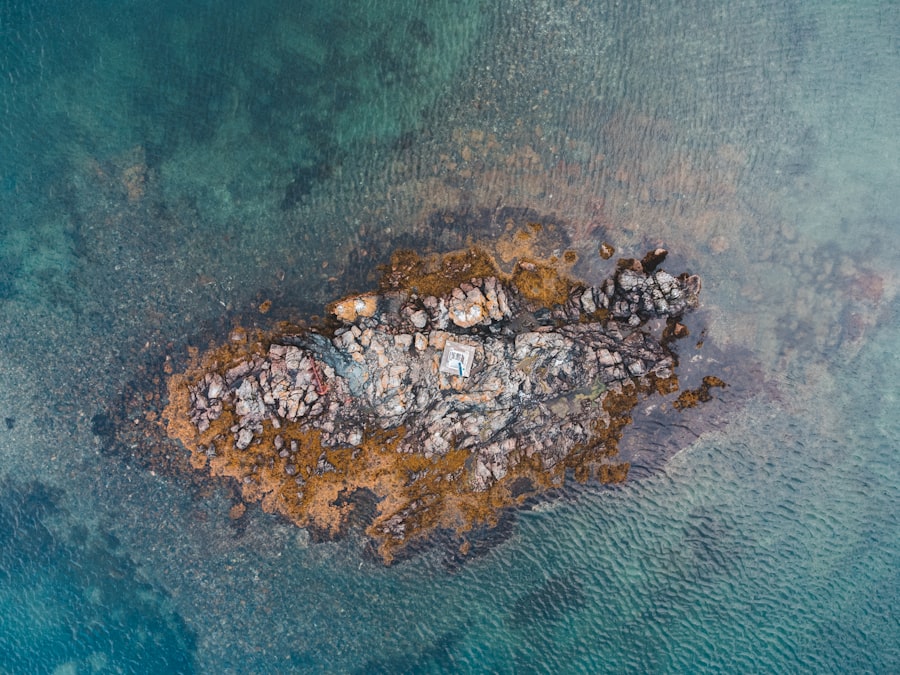
As you explore innovative solutions for restoring ocean health, you will encounter a range of approaches aimed at addressing both environmental degradation and social inequities. One promising avenue is the development of marine protected areas (MPAs), which can help restore biodiversity and improve oxygen levels in affected regions. By designating specific areas as off-limits to harmful activities like overfishing or industrial development, MPAs can serve as sanctuaries for marine life while also providing opportunities for sustainable tourism and recreation.
Additionally, technological advancements offer exciting possibilities for improving ocean health. For instance, initiatives focused on reducing plastic waste through innovative recycling methods or biodegradable alternatives can significantly decrease pollution levels in our oceans. As you consider these solutions, it is important to ensure that they are implemented equitably—taking into account the needs and voices of marginalized communities who are often most affected by environmental issues.
By prioritizing inclusive approaches to ocean restoration, we can work towards a healthier planet while promoting social justice.
The Importance of Education and Awareness in Advancing Ocean Justice
Education plays a pivotal role in advancing ocean justice by fostering awareness about the interconnectedness of climate change and marine health. As you engage with educational initiatives focused on ocean conservation, you may find yourself inspired by the potential for change that lies within informed communities. Schools, universities, and community organizations are increasingly incorporating ocean literacy into their curricula, empowering individuals with knowledge about marine ecosystems and their importance to global health.
Moreover, raising awareness about ocean justice issues can mobilize collective action. When individuals understand how their choices impact marine environments—whether through consumption habits or advocacy efforts—they are more likely to engage in sustainable practices and support policies aimed at protecting our oceans. As you reflect on your own role in this educational journey, consider how you can contribute to spreading awareness within your circles—whether through discussions, social media campaigns, or community events focused on ocean conservation.
Collective Action and Solidarity in the Fight for Equitable Oxygen
In your pursuit of equitable access to clean ocean oxygen, collective action emerges as a powerful tool for driving change. When individuals come together—regardless of their backgrounds or experiences—they can amplify their voices and advocate for policies that prioritize both environmental sustainability and social equity. You may find inspiration in grassroots movements that unite diverse communities around shared goals, demonstrating that solidarity is essential in addressing complex issues like climate change and ocean justice.
As you contemplate your own involvement in this collective effort, think about how you can connect with others who share your passion for protecting our oceans. Whether through local organizations or global networks, collaboration can lead to innovative solutions and impactful advocacy campaigns. By standing together in solidarity with marginalized communities disproportionately affected by environmental degradation, you can help create a more just world where everyone has access to clean ocean oxygen—a fundamental right for all living beings on this planet.
In a related article, Stop Forest Burning: Save Trees and Animals, the importance of preserving forests and preventing wildfires is highlighted as a crucial step in combating climate change and protecting biodiversity. Just as the article “Climate Justice is Ocean Justice: The Fight for Equitable Oxygen” emphasizes the interconnectedness of environmental issues, this piece underscores the urgent need to address the destruction of forests in order to ensure a sustainable future for all living beings. By taking action to stop forest burning and protect trees and animals, we can contribute to the larger fight for climate justice and ocean health.
FAQs
What is climate justice?
Climate justice refers to the fair treatment of all people and the just distribution of the environmental burdens and benefits of climate change. It emphasizes the need to address the disproportionate impacts of climate change on vulnerable communities and to ensure that policies and actions to address climate change are equitable.
How does climate change affect the ocean?
Climate change affects the ocean in various ways, including rising sea levels, ocean acidification, and changes in ocean temperature and circulation patterns. These changes can have significant impacts on marine ecosystems, including coral reefs, fish populations, and coastal communities that rely on the ocean for their livelihoods.
What is ocean justice?
Ocean justice is the concept that all people, regardless of their race, ethnicity, or socioeconomic status, have the right to a healthy and sustainable ocean environment. It involves addressing the unequal distribution of environmental risks and benefits related to the ocean and promoting the inclusion of marginalized communities in decision-making processes related to ocean conservation and management.
Why is the fight for equitable oxygen important?
The fight for equitable oxygen is important because access to clean and healthy air is a fundamental human right. In the context of climate justice and ocean justice, it is crucial to ensure that all communities have access to clean and oxygen-rich air, particularly those that are disproportionately affected by air pollution and the impacts of climate change. This includes addressing the sources of air pollution and advocating for policies that promote clean air for all.