As you delve into the science of climate change, it becomes clear that the phenomenon is not merely a distant concern but a pressing reality that affects every corner of the globe. The primary driver of climate change is the increase in greenhouse gases, such as carbon dioxide and methane, which trap heat in the Earth’s atmosphere. This warming effect is largely attributed to human activities, including the burning of fossil fuels, deforestation, and industrial processes.
As you explore this topic, you will find that the consequences of these actions are profound and far-reaching, impacting not only the environment but also human societies and economies. Understanding the mechanisms behind climate change is crucial for grasping its implications. The Earth’s average temperature has risen significantly over the past century, with the last few decades witnessing unprecedented warming.
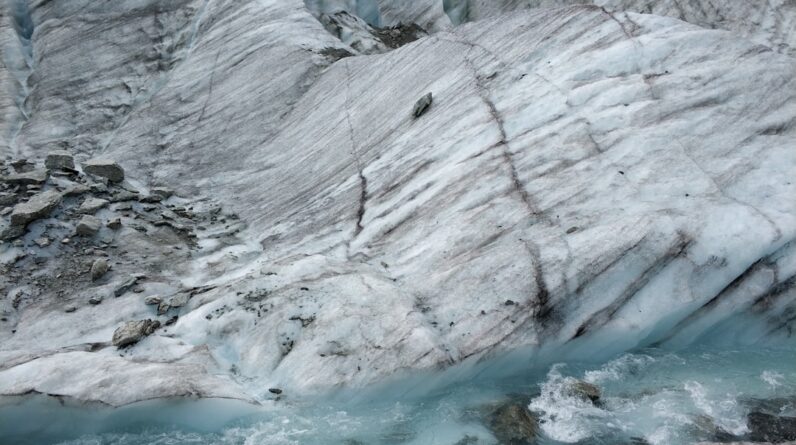
This increase in temperature disrupts natural systems, leading to altered weather patterns, melting ice caps, and rising sea levels. As you consider these changes, it becomes evident that climate change is not just an environmental issue; it is a complex interplay of scientific, social, and economic factors that requires urgent attention and action.
Key Takeaways
- Climate change is causing a significant impact on the environment, leading to rising temperatures and changing weather patterns.
- Even small increases in temperature can disrupt the delicate balance of ecosystems, leading to loss of biodiversity and habitat destruction.
- Warming is linked to various health risks, including heat-related illnesses, air pollution, and the spread of infectious diseases.
- Agriculture is heavily impacted by warming, leading to reduced crop yields, food insecurity, and economic instability in farming communities.
- Rising sea levels pose a threat to coastal communities and infrastructure, leading to increased risk of flooding and erosion.
The Effects on Ecosystems: How Even Small Increases in Temperature Can Disrupt Balance
As you examine the effects of climate change on ecosystems, you will discover that even minor increases in temperature can have devastating consequences. Ecosystems are finely tuned systems where each species plays a specific role. When temperatures rise, it can lead to shifts in species distribution, altered migration patterns, and changes in breeding seasons.
For instance, warmer temperatures may cause certain plants to bloom earlier than usual, disrupting the timing of pollinators that rely on them. This disruption can cascade through the food web, affecting not only individual species but entire ecosystems. Moreover, the impact of warming extends beyond individual species; it can lead to habitat loss and degradation.
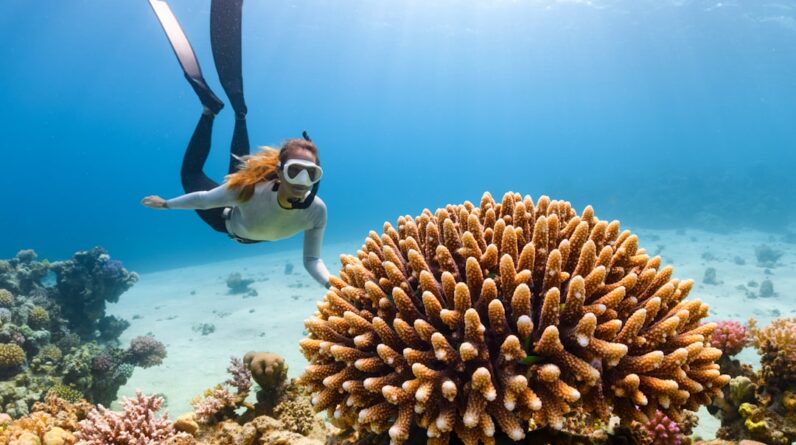
Coral reefs, often referred to as the “rainforests of the sea,” are particularly vulnerable to temperature increases. As ocean temperatures rise, coral bleaching occurs, leading to the death of these vital ecosystems. As you reflect on these changes, consider how they affect not only biodiversity but also the services ecosystems provide to humanity, such as clean water, air purification, and carbon sequestration.
Human Health at Risk: The Connection Between Warming and Public Health
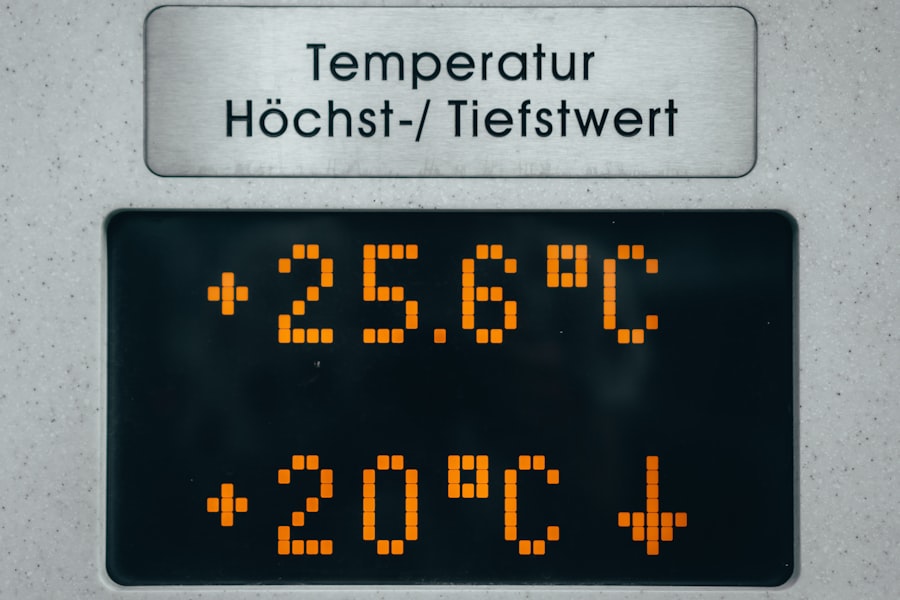
The connection between climate change and public health is becoming increasingly evident as you explore this critical issue. Rising temperatures can exacerbate existing health problems and create new challenges for communities worldwide. Heatwaves, for example, pose a direct threat to human health, leading to heat-related illnesses and increased mortality rates.
Vulnerable populations, such as the elderly and those with pre-existing health conditions, are particularly at risk during extreme heat events. In addition to heat-related issues, climate change also influences the spread of infectious diseases. Warmer temperatures can expand the range of disease-carrying vectors like mosquitoes and ticks, increasing the incidence of diseases such as malaria and Lyme disease.
As you consider these health implications, it becomes clear that climate change is not just an environmental crisis; it is a public health emergency that demands immediate action to protect communities and ensure a healthier future.
Agricultural Impacts: How Warming Affects Crop Yields and Food Security
As you turn your attention to agriculture, you will find that climate change poses significant challenges to food security worldwide. Rising temperatures can directly impact crop yields by altering growing seasons and reducing agricultural productivity. For instance, staple crops like wheat and maize are particularly sensitive to temperature increases; even a slight rise can lead to reduced yields.
This decline in productivity threatens food availability and can lead to increased prices, exacerbating hunger and malnutrition in vulnerable populations. Moreover, changing weather patterns can result in more frequent droughts or heavy rainfall events, further complicating agricultural practices. Farmers may struggle to adapt to these unpredictable conditions, leading to crop failures and economic instability.
As you reflect on these agricultural impacts, consider how they intersect with broader issues of social justice and equity. The most vulnerable communities often bear the brunt of these changes, highlighting the urgent need for sustainable agricultural practices and policies that prioritize resilience in the face of climate change.
Rising Sea Levels: The Threat to Coastal Communities and Infrastructure
The threat posed by rising sea levels is one of the most visible consequences of climate change that you cannot ignore. As global temperatures rise, polar ice caps melt and ocean waters expand, leading to higher sea levels that encroach upon coastal areas. This phenomenon poses a significant risk to coastal communities, where millions of people live in low-lying regions susceptible to flooding and erosion.
As you consider this issue, think about the potential displacement of populations and the loss of homes and livelihoods that could result from rising seas. In addition to threatening human settlements, rising sea levels also jeopardize critical infrastructure such as roads, bridges, and utilities. Coastal cities may face increased costs for adaptation measures or even relocation efforts as they grapple with the reality of a changing coastline.
As you reflect on these challenges, it becomes clear that proactive planning and investment in resilient infrastructure are essential to mitigate the impacts of rising sea levels on both communities and economies.
Extreme Weather Events: The Link Between Warming and More Intense Hurricanes, Droughts, and Floods

As you explore the relationship between climate change and extreme weather events, it becomes apparent that warming is linked to an increase in both frequency and intensity of such occurrences. Hurricanes are becoming more powerful due to warmer ocean temperatures, which provide additional energy for storms. This results in more destructive hurricanes that can cause widespread devastation when they make landfall.
As you consider this connection, think about how communities must prepare for more intense storms and the resources required for recovery efforts. Droughts and floods are also becoming more common as climate change alters precipitation patterns. Regions that once enjoyed predictable rainfall may now experience prolonged dry spells followed by intense downpours.
This unpredictability poses significant challenges for water management and agriculture alike. As you reflect on these extreme weather events, consider how they disproportionately affect marginalized communities that may lack the resources to adapt or recover from such disasters.
Biodiversity Loss: The Consequences of Warming on Species Extinction
The impact of climate change on biodiversity is a pressing concern that you cannot overlook. As temperatures rise and habitats shift or disappear altogether, many species face extinction due to their inability to adapt quickly enough to changing conditions. You may find it alarming that scientists estimate that one million species are currently at risk of extinction due to climate change and other human-induced factors.
This loss of biodiversity not only threatens individual species but also undermines ecosystem resilience and stability. As you contemplate these consequences, consider the broader implications for humanity. Biodiversity is essential for maintaining ecosystem services that support life on Earth—services such as pollination, nutrient cycling, and disease regulation.
The loss of species can disrupt these services, leading to cascading effects on food security, health, and overall well-being. It becomes clear that protecting biodiversity is not just an environmental issue; it is a fundamental aspect of ensuring a sustainable future for all living beings.
Mitigation and Adaptation Strategies: What Can Be Done to Address the Impact of Warming
As you seek solutions to address the impacts of climate change, it is essential to explore both mitigation and adaptation strategies. Mitigation involves reducing greenhouse gas emissions through various means such as transitioning to renewable energy sources, improving energy efficiency, and promoting sustainable land use practices. By taking proactive steps to limit emissions, you can contribute to slowing down the rate of warming and its associated impacts.
Adaptation strategies are equally important as they focus on preparing for the changes that are already occurring or are inevitable due to past emissions. This may involve investing in resilient infrastructure, implementing water management practices that account for changing precipitation patterns, or developing agricultural techniques that enhance food security in a warming world. As you reflect on these strategies, consider how collective action at local, national, and global levels is crucial for effectively addressing climate change and safeguarding both people and ecosystems for future generations.
In conclusion, understanding climate change requires a multifaceted approach that considers its scientific basis as well as its far-reaching effects on ecosystems, human health, agriculture, coastal communities, extreme weather events, biodiversity loss, and potential solutions through mitigation and adaptation strategies. By engaging with this complex issue thoughtfully and proactively, you can play a role in shaping a more sustainable future for all.
In a related article on combatting global warming, Combatting Global Warming by Massive Tree Planting, the importance of reforestation in mitigating the effects of climate change is discussed. Planting trees not only helps to absorb carbon dioxide from the atmosphere but also provides numerous other environmental benefits. This article highlights the crucial role that reforestation plays in combating global warming and emphasizes the need for collective action to protect our planet.
FAQs
What is global warming?
Global warming refers to the long-term increase in Earth’s average surface temperature due to human activities, primarily the release of greenhouse gases such as carbon dioxide and methane.
How does global warming affect the planet?
Global warming leads to a range of impacts including rising sea levels, more frequent and severe heatwaves, changes in precipitation patterns, and disruptions to ecosystems and wildlife.
Why does every fraction of a degree of warming matter?
Even small increases in global temperatures can have significant and far-reaching impacts on the planet, including exacerbating extreme weather events, melting polar ice caps, and causing shifts in agricultural productivity.
What are the consequences of not addressing global warming?
Failure to address global warming could lead to irreversible damage to ecosystems, loss of biodiversity, increased displacement of communities due to rising sea levels, and heightened risks to human health and well-being.
What can individuals do to help mitigate global warming?
Individuals can take action to reduce their carbon footprint by using energy-efficient appliances, reducing waste, supporting renewable energy sources, and advocating for policies that address climate change.