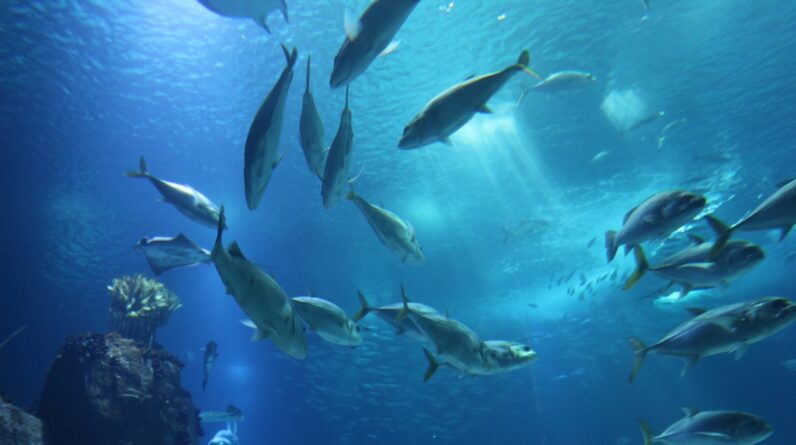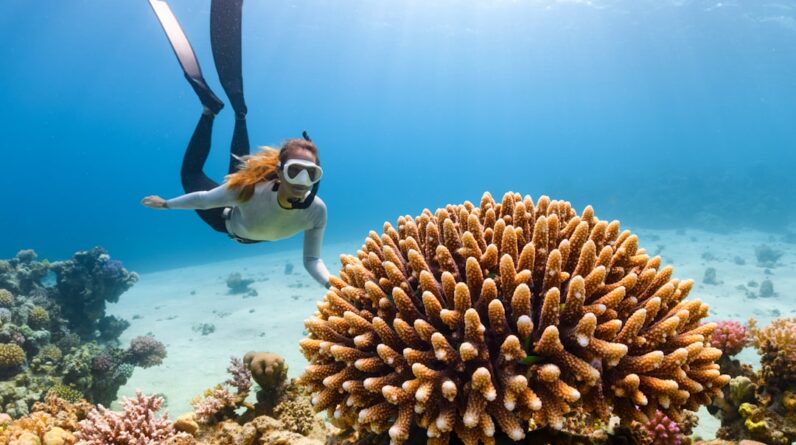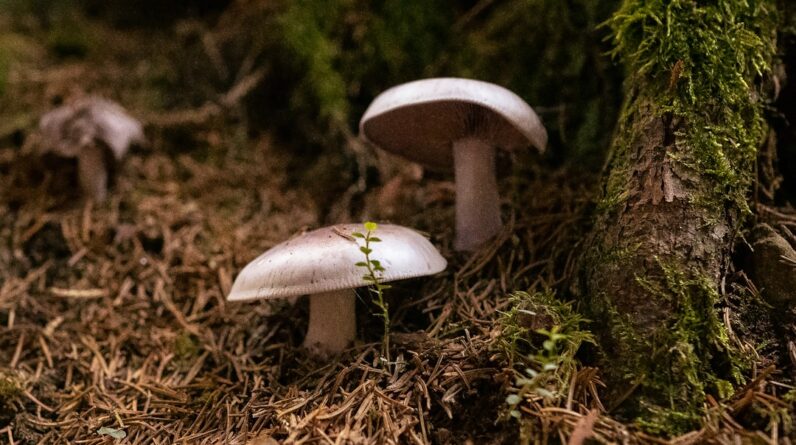
As you gaze out at the vast expanse of the ocean, it’s easy to overlook the hidden challenges lurking beneath the surface. The oceans, which cover more than 70% of our planet, are not just beautiful; they are vital to our ecosystem and human survival. However, they are increasingly threatened by pollution, particularly plastic waste.
Every year, millions of tons of plastic enter the oceans, harming marine life and disrupting delicate ecosystems. The urgency to address this crisis has led to innovative solutions and a growing movement dedicated to ocean cleanup. You may wonder what can be done to combat this pressing issue.
Fortunately, a variety of approaches are being explored, from grassroots initiatives to advanced technologies. Among these efforts, the roles of fungi and drones have emerged as particularly promising. These unlikely heroes are not only changing the way we think about ocean cleanup but also inspiring hope for a cleaner, healthier future for our oceans.
As we delve deeper into these innovative solutions, you will discover how nature and technology can work hand in hand to tackle one of the most significant environmental challenges of our time.
Key Takeaways
- Ocean cleanup efforts are crucial for preserving marine ecosystems and protecting the environment.
- Fungi play a significant role in breaking down pollutants in the ocean, contributing to the cleanup process.
- Drones are revolutionizing ocean cleanup by providing efficient and cost-effective monitoring and cleanup solutions.
- Microbes have a surprising impact on ocean pollution, with the potential to degrade harmful substances and reduce contamination.
- The future of ocean cleanup lies in innovative technologies and approaches, such as fungi and drones, to address pollution and protect marine life.
The Role of Fungi in Ocean Cleanup
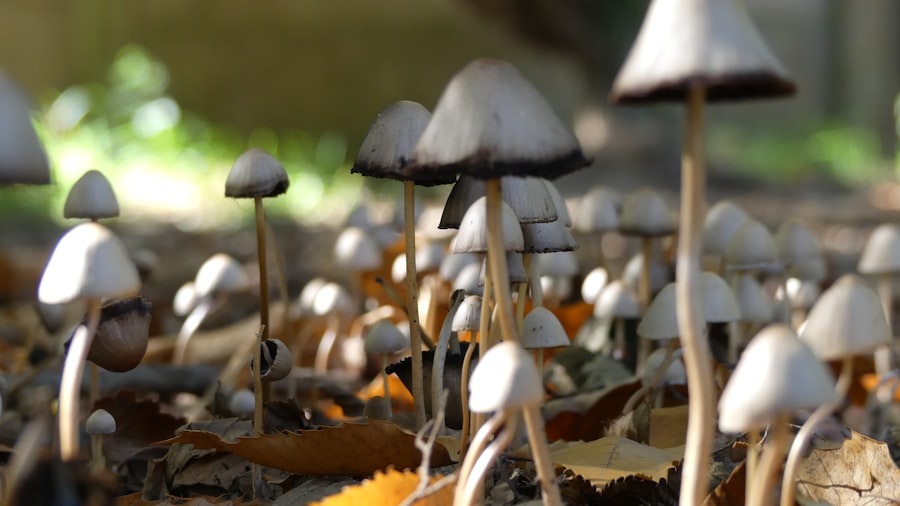
Fungi, often overlooked in discussions about environmental solutions, are proving to be powerful allies in the fight against ocean pollution. These remarkable organisms possess unique properties that allow them to break down complex organic materials, including plastics. You might be surprised to learn that certain species of fungi can metabolize hydrocarbons and other toxic substances, effectively detoxifying contaminated environments.
This natural ability makes them ideal candidates for bioremediation efforts aimed at cleaning up polluted marine ecosystems. In recent years, researchers have begun to harness the potential of fungi in ocean cleanup projects. By cultivating specific fungal strains that thrive in marine environments, scientists are exploring ways to deploy these organisms in areas heavily impacted by plastic waste.
Imagine a future where specially engineered fungi are introduced into polluted waters, breaking down plastics into harmless byproducts while simultaneously enriching the surrounding ecosystem. This innovative approach not only addresses the immediate problem of plastic pollution but also promotes biodiversity and ecological health.
How Drones are Revolutionizing Ocean Cleanup Efforts
While fungi work their magic on a microscopic level, drones are taking ocean cleanup efforts to new heights—literally. These unmanned aerial vehicles (UAVs) are revolutionizing the way we monitor and manage ocean pollution. Equipped with advanced sensors and imaging technology, drones can cover vast areas of ocean surface quickly and efficiently, identifying hotspots of pollution that require immediate attention.
You may find it fascinating that these aerial devices can collect data on water quality, track debris movement, and even assist in locating stranded marine animals. The integration of drones into ocean cleanup initiatives is not just about surveillance; they also play a crucial role in active cleanup operations. Some innovative projects are utilizing drones to deploy floating barriers or nets designed to capture plastic waste before it sinks or disperses further into the ocean.
By combining aerial surveillance with targeted cleanup efforts, drones are enhancing the effectiveness of traditional methods and enabling teams to respond more rapidly to pollution events. As you consider the potential of this technology, it becomes clear that drones are not just tools; they are game-changers in the quest for cleaner oceans.
The Surprising Impact of Microbes on Ocean Pollution
While fungi take center stage in bioremediation efforts, you should not overlook the significant role that microbes play in ocean cleanup as well. These microscopic organisms are essential components of marine ecosystems and have a remarkable ability to degrade various pollutants, including plastics and oil spills. You may be surprised to learn that certain bacteria can break down polyethylene—a common type of plastic—into simpler compounds that can be assimilated by other organisms.
The potential for harnessing microbial action in ocean cleanup is immense. Researchers are investigating ways to enhance the natural degradation processes carried out by these tiny organisms. By optimizing conditions for microbial growth and activity, scientists aim to accelerate the breakdown of pollutants in marine environments.
Imagine a scenario where engineered microbes are released into polluted waters, effectively cleaning up toxic substances while promoting a healthier ecosystem. This approach not only addresses immediate pollution concerns but also fosters long-term ecological resilience.
The Future of Ocean Cleanup: Innovations and Technologies
As you look toward the future of ocean cleanup, it becomes evident that innovation will play a pivotal role in shaping effective strategies. The convergence of biotechnology and advanced engineering is paving the way for groundbreaking solutions that could transform our approach to marine pollution. For instance, researchers are exploring bioengineered organisms that can thrive in harsh marine environments while effectively degrading plastics and other pollutants.
In addition to biological innovations, technological advancements such as artificial intelligence (AI) and machine learning are enhancing our ability to monitor and manage ocean health. These technologies can analyze vast amounts of data collected from drones and other sources, identifying patterns and predicting pollution trends. By leveraging AI-driven insights, cleanup efforts can be more targeted and efficient, maximizing their impact on reducing ocean pollution.
As you contemplate these advancements, it becomes clear that the future holds great promise for innovative solutions that harness both nature and technology in the fight against ocean pollution.
Success Stories: How Fungi and Drones Have Made a Difference
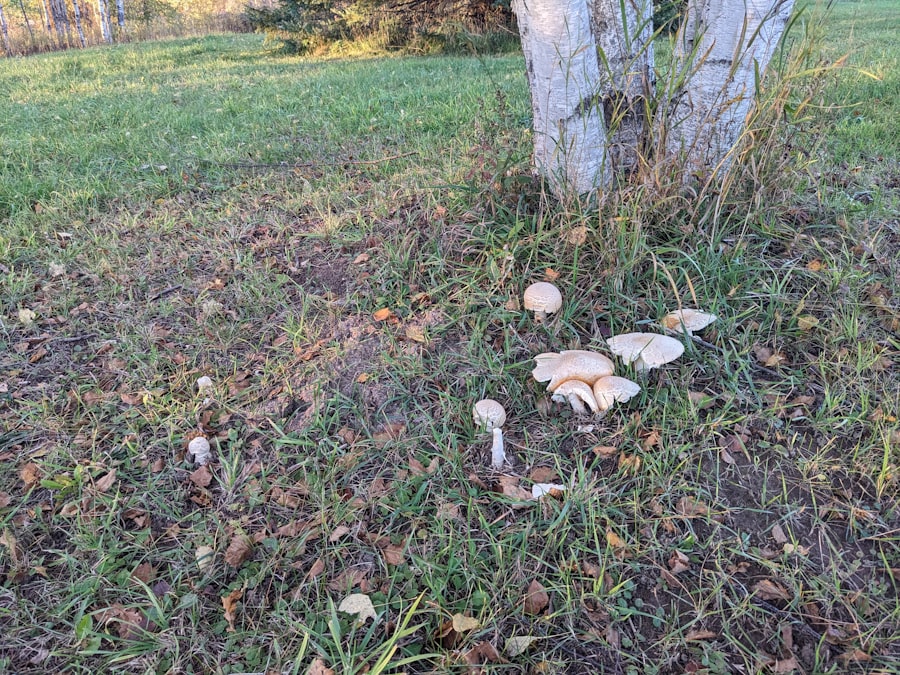
You may be curious about real-world examples of how fungi and drones have made a tangible impact on ocean cleanup efforts. One notable success story involves a research team that utilized a specific strain of fungus known for its plastic-degrading capabilities. In a controlled marine environment, they introduced this fungus to areas heavily contaminated with plastic waste.
Over time, they observed a significant reduction in plastic levels as the fungus broke down the materials into harmless byproducts. This groundbreaking research not only demonstrated the potential of fungi in bioremediation but also inspired further exploration into their applications in real-world scenarios. On the technological front, several organizations have successfully deployed drones for ocean monitoring and cleanup operations.
For instance, a project aimed at addressing plastic pollution in coastal areas utilized drones equipped with advanced imaging technology to map out debris hotspots. The data collected allowed cleanup teams to focus their efforts on areas with the highest concentrations of waste, resulting in more efficient cleanup operations. These success stories highlight the effectiveness of combining natural solutions with cutting-edge technology, showcasing how collaboration between different fields can lead to meaningful progress in ocean conservation.
Challenges and Limitations of Using Fungi and Drones for Ocean Cleanup
Despite the promising potential of fungi and drones in ocean cleanup efforts, there are challenges and limitations that must be addressed. When it comes to using fungi for bioremediation, one significant hurdle is ensuring that these organisms can thrive in diverse marine environments. Factors such as salinity, temperature, and nutrient availability can impact fungal growth and effectiveness.
Additionally, there is a need for extensive research to identify which fungal strains are best suited for specific types of pollutants found in various marine ecosystems. Similarly, while drones offer exciting possibilities for monitoring and cleanup operations, they also face limitations. For instance, adverse weather conditions can hinder drone functionality and data collection capabilities.
Furthermore, there are regulatory challenges related to airspace management and privacy concerns that must be navigated as drone usage becomes more widespread. As you consider these challenges, it becomes clear that ongoing research and collaboration among scientists, engineers, and policymakers will be essential for overcoming obstacles and maximizing the potential of these innovative solutions.
The Potential of Unlikely Heroes in Saving Our Oceans
As you reflect on the multifaceted approaches being developed to address ocean pollution, it’s evident that both fungi and drones represent unlikely heroes in this critical fight for our planet’s health. By harnessing the natural abilities of fungi alongside cutting-edge drone technology, we can create a powerful synergy that enhances our capacity to clean up polluted waters effectively. The journey toward cleaner oceans is undoubtedly complex, but with continued innovation and collaboration, there is hope for a brighter future.
The potential for these solutions extends beyond mere cleanup; they embody a shift in how we perceive our relationship with nature and technology. By embracing unconventional methods and thinking outside the box, you can contribute to a movement that prioritizes sustainability and environmental stewardship. As we move forward into an era where climate change and pollution pose significant threats to our oceans, it is crucial to support initiatives that leverage both natural processes and technological advancements in our quest for a healthier planet.
Together, we can champion these unlikely heroes and work toward restoring the beauty and vitality of our oceans for generations to come.
In a related article on reforestation, it discusses how planting trees can have a positive impact on the environment. Just like the surprising heroes of ocean cleanup, fungi and drones are also being utilized in reforestation efforts to restore ecosystems and combat deforestation. By understanding the interconnectedness of nature and utilizing innovative technologies, we can work towards a more sustainable future for our planet.
FAQs
What is ocean cleanup?
Ocean cleanup refers to the efforts to remove plastic and other debris from the world’s oceans in order to reduce pollution and protect marine life.
What are fungi and drones doing to help with ocean cleanup?
Fungi are being used to break down plastic waste in the ocean, while drones are being used to locate and collect the waste for removal.
How do fungi help with ocean cleanup?
Certain types of fungi have been found to have the ability to break down plastic, which can help to reduce the amount of plastic waste in the ocean.
How do drones help with ocean cleanup?
Drones are being used to locate and map areas of plastic waste in the ocean, as well as to collect and remove the waste from the water.
What are the benefits of using fungi and drones for ocean cleanup?
Using fungi and drones for ocean cleanup can help to more effectively and efficiently remove plastic waste from the ocean, reducing pollution and protecting marine life.